Why Does My Tooth Hurt When I Eat Sweets? Signs 2026

Why does my tooth hurt when I eat sweets is one of the most common questions dentists hear, and it usually points to something happening beneath the surface of your tooth.
That sharp, sudden sting after a bite of chocolate or a sip of soda isn’t just an annoying reaction to sugar. It’s often an early warning sign that your enamel, gums, or a specific tooth needs attention, even if everything looks perfectly normal on the outside.
Some people feel it in just one tooth, while others notice it across several molars at once, and the pattern itself can offer clues about what’s really going on.
Why Does My Tooth Hurt When I Eat Sweets?
Sugar itself doesn’t directly damage your teeth the way people often assume it does.
Instead, bacteria in your mouth feed on sugar and release acid as a byproduct of digestion.
That acid attacks your enamel, and once enamel weakens, sweets can reach the sensitive layers underneath more easily.
This is why the pain often feels sudden, even though the underlying damage has usually been building for a while before it’s noticed.
Quick Overview: Common Reasons Sweets Cause Tooth Pain
Most sweet-triggered tooth pain falls into a handful of well-known dental issues.
Understanding which one applies to you can help you decide how quickly to see a dentist.
The table below summarizes the most common causes before we explore each one in detail.
| Possible Cause | Type of Pain | Common Trigger |
|---|---|---|
| Enamel erosion | Sharp, sudden sting | Acidic and sugary foods over time |
| Cavities (tooth decay) | Jolting pain in one spot | Untreated plaque and bacteria |
| Gum recession | Sensitivity near gumline | Aggressive brushing, aging |
| Cracked or chipped tooth | Sharp pain when sugar seeps in | Grinding, trauma, hard foods |
| Worn or leaking fillings | Pain around old dental work | Aging fillings, gaps forming |
| Gum disease | Tender, inflamed gums | Plaque and tartar buildup |
| Teeth grinding | Dull ache plus sweet sensitivity | Stress, nighttime clenching |
Enamel Erosion
Enamel is the hardest substance in your body, but it isn’t indestructible against constant acid exposure.
Sugary and acidic foods slowly wear this outer shield down over months or even years of repeated contact.
Once enamel thins, the dentin layer underneath becomes exposed to sugar and temperature changes, triggering that familiar sting.
This is one of the most common reasons a tooth suddenly reacts to something sweet, even without any visible damage.
Dental Cavities (Tooth Decay)
Cavities form when acid from bacteria eats through your enamel and creates small holes in the tooth surface.
Sugar and acid can seep directly into these holes, hitting the nerve and causing sharp, jolting pain.
Molars are especially prone to cavities because their deep grooves trap sugar and bacteria more easily than smoother surfaces.
If a tooth hurts only when you eat sweets, an early cavity is one of the most likely explanations and is worth checking soon.
Gum Recession
When gums pull away from the tooth, the root underneath loses its natural layer of protection over time.
Roots don’t have an enamel coating, so they react strongly to sugar, heat, and cold once exposed.
Gum recession often develops gradually and quietly, which is why the sensitivity can feel like it appeared overnight.
Brushing too hard or long-term gum disease are the two most common reasons gums begin to recede in the first place.
Cracked or Chipped Tooth
A small crack isn’t always visible to the eye, but it can still let sugar reach the inner layers of a tooth.
This often causes a quick, sharp pain that disappears as soon as the sugar is rinsed away with water.
Cracks tend to worsen over time if they’re left untreated, allowing bacteria deeper access to the tooth’s nerve.
If only one specific tooth reacts to sweets while the rest of your mouth feels fine, a hidden crack is worth ruling out.
Worn or Leaking Fillings
Old fillings can shrink, crack, or loosen as they age, creating tiny gaps around the edges of the tooth.
Sugar and bacteria can slip into these gaps and irritate the sensitive tissue underneath the filling material.
This often causes pain localized to a tooth that already has dental work done on it previously.
Replacing a worn filling early can prevent decay from spreading further into the healthy part of the tooth.
Gum Disease (Gingivitis and Periodontitis)
Early gum disease causes red, puffy gums that bleed easily during brushing or flossing sessions.
As it progresses, gums pull away from teeth, exposing sensitive root surfaces to sugar and acid directly.
Sweet sensitivity can actually be one of the earliest warning signs of developing gum disease before other symptoms appear.
Routine cleanings and consistent hygiene are the best way to catch gum disease before it worsens into something more serious.
Teeth Grinding (Bruxism)
Grinding or clenching your teeth, especially at night, gradually wears away protective enamel over months of repeated pressure.
Once enamel thins from grinding, sugar can reach the nerve more easily and trigger a sharper, more noticeable pain.
Many people don’t realize they grind their teeth until symptoms like sweet sensitivity or morning jaw soreness show up.
A custom night guard can protect your enamel and reduce this type of sensitivity considerably over time with regular use.
Sticky and Acidic Sweets Make It Worse
Not all sweets affect your teeth equally, and some are far riskier than others for triggering pain.
Sticky candies cling tightly to your teeth, giving bacteria extra time to produce damaging acid.
Acidic sweets and drinks add a second layer of enamel erosion on top of the sugar itself.
| Sweet or Drink | Why It’s Risky |
|---|---|
| Gummy candy or caramel | Sticks to teeth for hours |
| Dried fruit | Sticky texture traps sugar in grooves |
| Citrus-flavored candy | Combines sugar with enamel-eroding acid |
| Soda and sports drinks | Sugar plus acid in liquid form |
| Hard candy | Prolonged sugar exposure while dissolving |
Do Natural Sugars Cause the Same Pain?
Many people assume natural sugars, like those in dates or dried fruit, are automatically safer.
Unfortunately, bacteria in your mouth don’t distinguish between natural and refined sugar sources.
Dried fruits are also sticky, which means they cling to teeth longer than many processed sweets.
This is why a piece of fruit can sometimes trigger the same sharp pain as candy.
Key Signs Your Tooth Pain From Sweets Needs Attention
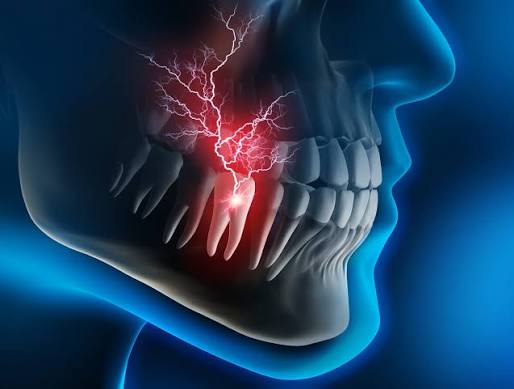
Not every twinge means an emergency, but certain signs suggest it’s time to see a dentist soon.
Pain that lingers for several seconds or minutes after eating sweets often points to a deeper issue than simple sensitivity.
Sensitivity that’s isolated to a single tooth, rather than spread across your whole mouth, is more likely to be a cavity or crack.
Visible spots, discoloration, or a hole on the tooth surface are clear signs that decay has already started forming.
Symptom Checklist: Matching Pain to Possible Cause
Use this table to get a general sense of what might be happening before your appointment.
| Symptom | Likely Cause |
|---|---|
| Sharp pain only with sweets, fades quickly | Early enamel erosion or mild sensitivity |
| Pain in one specific tooth | Cavity, crack, or failing filling |
| Pain near the gumline | Gum recession or gum disease |
| Ache after grinding-related jaw soreness | Teeth grinding (bruxism) |
| Swelling, bad taste, or bleeding gums | Advanced gum disease or infection |
Do’s and Don’ts for Sweet-Sensitive Teeth
Small daily habits make a real difference in how your teeth respond to sugar.
Avoiding a few common mistakes can prevent mild sensitivity from turning into a bigger problem.
The table below outlines simple actions to follow and ones to avoid.
| Do | Don’t |
|---|---|
| Rinse with water after eating sweets | Let sugar sit on your teeth for hours |
| Use fluoride or desensitizing toothpaste | Brush immediately after very acidic sweets |
| Choose sugar-free gum after treats | Snack on sweets constantly throughout the day |
| Floss daily to remove trapped sugar | Ignore pain that lasts more than a few days |
| Visit your dentist twice a year | Skip checkups because the pain comes and goes |
Home Remedies for Temporary Relief
Rinsing your mouth with water right after eating sweets helps wash away leftover sugar and acid before it settles.
Chewing sugar-free gum increases saliva flow, which naturally neutralizes acid and helps clear debris from your mouth.
A desensitizing toothpaste with potassium nitrate can reduce nerve sensitivity within a couple of weeks of regular, consistent use.
These steps offer short-term comfort, but they don’t replace a proper dental diagnosis for pain that keeps returning.
Warning Signs That Point to a Dental Emergency
Not every reaction to sweets requires urgent care, but a few signs change that quickly.
Facial swelling, especially if it spreads toward your eye or neck, can signal a spreading infection.
A fever combined with tooth pain suggests your body is actively fighting an infection.
Severe throbbing pain that doesn’t ease with over-the-counter medication should be treated as urgent.
Can Tooth Pain From Sweets Signal a Bigger Problem?
In most cases, sweet sensitivity is limited to the tooth itself and its surrounding tissue.
However, recurring pain across multiple teeth can sometimes point to a wider issue like acid reflux affecting enamel.
Frequent vomiting or reflux exposes teeth to stomach acid, which erodes enamel in a similar way to sugar.
If sensitivity appears alongside heartburn or digestive symptoms, mentioning this to your dentist can help with an accurate diagnosis.
How Diet Patterns Influence Sweet Sensitivity Over Time
It’s not just what you eat, but how often, that determines the damage to your enamel.
Grazing on sugary snacks throughout the day keeps your mouth in a constant acid-producing cycle.
Eating sweets in one sitting, followed by rinsing or brushing, gives your enamel more time to recover between exposures.
This is why timing and frequency often matter just as much as the amount of sugar consumed.
How Dentists Diagnose Sweet Sensitivity
A dentist will usually start with a visual exam, looking for visible decay, cracks, or worn fillings.
X-rays help reveal cavities or damage hiding between teeth or below the gumline.
They may also tap or apply cold air to specific teeth to pinpoint exactly where the pain originates.
Once the cause is identified, treatment can range from a simple fluoride application to a filling or crown.
Can Stress Make Sweet Sensitivity Worse?
Stress is closely linked to teeth grinding, which wears down enamel over time.
People under chronic stress may also neglect oral hygiene, allowing plaque and acid to build up faster.
This combination can make a tooth far more reactive to sugar than it would otherwise be.
Managing stress alongside dental care can help reduce how often sweet sensitivity flares up.
When to See a Dentist
Occasional mild sensitivity to sweets isn’t always urgent, but certain signs shouldn’t be ignored.
Pain that lasts more than a few days, even with home care, deserves a professional evaluation.
Visible holes, dark spots, or a broken filling are signs the problem needs prompt treatment.
Swelling, fever, or intense throbbing pain are signs of infection that require urgent dental attention.
How to Prevent Tooth Pain From Sweets

Brush twice daily with fluoride toothpaste and floss once a day to remove trapped sugar.
Limit how often you snack on sugary foods, since frequent exposure gives bacteria more chances to produce acid.
Drink plenty of water throughout the day to help rinse away sugar and acid naturally.
Schedule regular dental checkups so small issues like early decay can be caught before they cause pain.
Bottom Teeth vs Top Teeth: Does It Matter Which Hurts?
Sweet sensitivity can affect any tooth, but the pattern sometimes offers useful clues.
Upper back teeth pain combined with sweet sensitivity may occasionally point to sinus pressure rather than a dental issue.
Lower teeth are often more prone to grinding-related enamel wear since they absorb direct pressure from the bite.
Regardless of which teeth are affected, a dentist can confirm the true source through a proper exam.
Sweet Sensitivity in Children vs Adults
In children, tooth pain from sweets is frequently linked to early cavities in baby or new permanent teeth.
Kids also tend to consume sugary snacks and drinks more frequently throughout the day than adults.
In adults, the cause more often shifts toward enamel erosion, gum recession, or aging dental work.
At any age, pain that returns every time sweets are eaten should be evaluated rather than ignored.
Foods and Habits That Protect Your Teeth From Sugar Sensitivity
Certain foods and habits can actually help counteract the effects of sugar on your teeth.
Cheese and dairy products help neutralize acid and provide calcium that supports enamel strength.
Crunchy vegetables like carrots and celery stimulate saliva production, which naturally washes away sugar residue.
| Habit | How It Helps |
|---|---|
| Drinking water after sweets | Rinses away sugar and acid |
| Eating cheese or dairy | Neutralizes acid, adds calcium |
| Chewing sugar-free gum | Boosts saliva flow |
| Using a straw for sugary drinks | Reduces contact with teeth |
| Waiting before brushing after acidic sweets | Prevents brushing softened enamel |
Products That Can Help With Sweet Sensitivity
Desensitizing toothpaste is usually the first product dentists recommend for ongoing sweet sensitivity.
Fluoride mouth rinses can help remineralize weakened enamel and reduce the intensity of the reaction.
A night guard protects against enamel wear if grinding is contributing to the sensitivity.
| Product | Best For |
|---|---|
| Desensitizing toothpaste | Nerve pain from exposed dentin |
| Fluoride mouth rinse | Strengthening weakened enamel |
| Night guard | Grinding-related enamel wear |
| Soft-bristled toothbrush | Preventing gum recession |
| Sugar-free gum | Increasing saliva after meals |
The good news is that most causes of sweet-triggered tooth pain are treatable once properly diagnosed. Mild sensitivity often improves with a better oral care routine and the right toothpaste, while cavities or cracks usually need a dentist’s intervention to fully resolve.
Paying attention to exactly when the pain happens, which tooth is affected, and how long it lasts gives your d entist valuable information at your next visit.
Frequently Asked Questions (FAQs)
Is it normal for teeth to hurt when eating sweets?
No, occasional mild sensitivity can happen, but recurring pain usually signals enamel loss, decay, or gum issues. It’s worth having it checked rather than ignored.
Why does only one tooth hurt when I eat sweets?
Pain isolated to a single tooth often points to a cavity, crack, or a failing filling in that spot. A dentist can pinpoint the exact cause with an exam.
Can sensitive teeth from sweets go away on their own?
Mild sensitivity may improve with better oral hygiene and desensitizing toothpaste. However, sensitivity linked to decay or cracks usually needs professional treatment.
Does sugar-free candy still hurt sensitive teeth?
Sugar-free candy won’t feed decay-causing bacteria the same way, but it can still trigger nerve pain if dentin is already exposed. The sensation comes from exposed nerves, not the sugar itself.
Why do my teeth hurt when I eat dates or dried fruit?
Natural sugars in dried fruit still feed the same bacteria as processed sugar. The sticky texture also keeps sugar on your teeth longer, increasing sensitivity.
What is the best toothpaste for sweet tooth sensitivity?
Look for a fluoride toothpaste with potassium nitrate, which blocks pain signals to the nerve. Consistent use for two to four weeks typically shows noticeable improvement.
Can gum disease cause pain when eating sweets?
Yes, inflamed or receding gums expose sensitive tooth roots that react strongly to sugar. This is often one of the earliest signs of developing gum disease.
How do I know if it’s a cavity or just sensitivity?
Sensitivity usually fades quickly after the sweet is gone, while cavity pain tends to linger or worsen. A dentist can confirm the difference with an exam and X-rays.
Should I stop eating sweets completely if my teeth hurt?
You don’t need to eliminate sweets entirely, but reducing frequency and rinsing afterward helps significantly. Persistent pain should still be evaluated by a dentist regardless of diet changes.
When should sweet tooth sensitivity be treated as an emergency?
Severe swelling, fever, or intense throbbing pain signals a possible infection needing urgent care. Waiting too long can allow the problem to spread and become harder to treat.
Conclusion
Tooth pain from sweets is far more common than most people realize, and it’s rarely something to brush off as normal. Whether the cause is enamel erosion, an early cavity, gum recession, or a hidden crack, that sharp sting is your body’s way of signaling that something has changed inside your tooth.
Simple habits like rinsing after sweets, using a desensitizing toothpaste, and cutting back on sticky or acidic treats can ease mild discomfort.
But if the pain keeps returning, is isolated to one tooth, or comes with swelling or visible damage, it’s time to see a dentist rather than wait it out.
Catching the underlying issue early usually means simpler, more affordable treatment, and it lets you enjoy your favorite desserts again without the dread of that sudden jolt of pain.