Why Do My Burps Smell Like Rotten Eggs? What It Means 2026
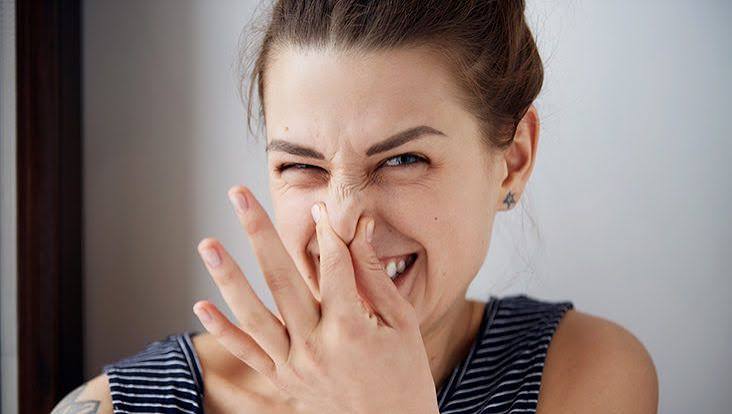
Why do my burps smell like rotten eggs is a question that sends most people straight to a search bar the moment it happens, usually with a mix of confusion and embarrassment.
That distinct rotten egg odor comes from hydrogen sulfide gas building up in your digestive tract. In most cases it is completely harmless and linked to something you recently ate.
In other cases, frequent sulfur burps can point to a deeper digestive issue that deserves attention.
What Are Sulfur Burps?

Sulfur burps are burps that carry a distinct rotten egg smell instead of the usual faint or odorless release of trapped air.
That unpleasant smell comes specifically from hydrogen sulfide, a gas produced when bacteria in your gut break down certain foods.
Regular burping is completely normal, and most people burp somewhere between 13 and 21 times a day without ever noticing an odor.
Why Do My Burps Smell Like Rotten Eggs?
The rotten egg smell in your burps comes from hydrogen sulfide gas, often shortened to H2S, forming inside your digestive system.
This gas is created when bacteria in your mouth and gut break down proteins and other compounds that naturally contain sulfur.
Once this gas builds up in your stomach or intestines, it eventually escapes through burping, carrying that unmistakable eggy odor along with it.
How Burping Works in the Digestive System
Burping is your body’s natural way of releasing excess air or gas that has built up in the esophagus or stomach.
Most swallowed air never even reaches the stomach, escaping instead from the upper esophagus with little to no smell at all.
Sulfur burps happen when the air mixes with digestive gases deeper in the stomach or intestines before making its way back up.
Common Food Triggers for Sulfur Burps
Certain foods are naturally high in sulfur compounds, making them the most frequent culprit behind rotten egg smelling burps.
| Food Category | Common Examples |
|---|---|
| High-Protein Foods | Eggs, red meat, poultry, seafood, dairy |
| Cruciferous Vegetables | Broccoli, cauliflower, cabbage, brussels sprouts, kale |
| Aromatics | Garlic, onions, leeks, shallots |
| Beverages | Beer, wine, some carbonated soft drinks |
| Processed Foods | Foods with sulfite preservatives |
Eating large amounts of these foods in one sitting is often enough to trigger a short bout of sulfur burps on its own.
The Science Behind Hydrogen Sulfide Gas
Hydrogen sulfide is a naturally occurring gas that your body produces in small amounts as part of normal digestion.
It is created when specialized gut bacteria, sometimes called sulfate-reducing bacteria, break down sulfur-containing compounds found in certain foods.
In small quantities, this gas is a normal part of a healthy gut microbiome and does not usually cause noticeable symptoms.
Problems arise when hydrogen sulfide production increases beyond a typical level, either from diet, bacterial overgrowth, or a slowdown in digestion that gives bacteria more time to work.
Once enough gas accumulates, it needs somewhere to go, and burping becomes one of the main ways your body releases the pressure.
Why Protein Rich Meals Are a Frequent Cause
Protein-rich foods like eggs, meat, and dairy naturally contain sulfur-based amino acids that gut bacteria break down during digestion.
When your digestive system processes a large or unusually protein-heavy meal, bacteria have more raw material available to produce hydrogen sulfide gas.
This is one reason people following high-protein diets sometimes notice more frequent sulfur burps compared to their usual eating pattern.
Acid Reflux and GERD Connection

Chronic acid reflux, also known as GERD, can be another underlying cause of burps that smell distinctly like rotten eggs.
When stomach acid and its contents rise back up into the esophagus, gas produced during digestion can travel upward along with it.
If sulfur burps are showing up alongside frequent heartburn, especially three or more times a week, GERD may be worth discussing with a doctor.
H. Pylori Infection and Sulfur Burps
Helicobacter pylori, commonly known as H. pylori, is a type of bacteria that can infect the lining of the stomach.
An H. pylori infection can disrupt normal digestion and has been linked to symptoms including bloating, heartburn, nausea, and sulfur-smelling burps.
This infection often requires a course of antibiotics prescribed by a doctor, since it typically will not resolve on its own without treatment.
Irritable Bowel Syndrome and Other GI Conditions
Multiple gastrointestinal conditions have been linked to higher levels of hydrogen sulfide production in the gut, with IBS being one of the most common.
Inflammatory bowel disease, including Crohn’s disease and ulcerative colitis, has also been associated with increased sulfur burp frequency in some patients.
People with these conditions often notice sulfur burps alongside other symptoms such as bloating, abdominal pain, or changes in bowel habits.
Medications That Can Cause Sulfur Burps
Certain medications can slow digestion or alter gut bacteria in ways that increase the likelihood of sulfur burps as a side effect.
GLP-1 medications like Mounjaro and Ozempic are known to slow how quickly food moves through the digestive system, which can allow more time for hydrogen sulfide to form.
Roughly 3 percent of people taking tirzepatide-based medications report burping as a noted side effect during treatment.
Antibiotics and certain supplements, particularly those containing sulfur compounds like glucosamine, have also been linked to occasional sulfur burps in some users.
Sulfur Burps and Diarrhea Together
When sulfur burps show up alongside diarrhea, it often signals that something beyond diet alone is affecting your digestive tract.
This combination can point toward infections, food intolerances, or an inflammatory condition that is disrupting normal digestion and gut bacteria balance.
If diarrhea and sulfur burps persist for more than a couple of days, it is a reasonable time to check in with a healthcare provider.
Stress and Sulfur Burps
Stress does not directly create hydrogen sulfide gas, but it can significantly disrupt normal digestion and slow down gut motility.
Slower digestion gives gut bacteria more time to break down food and produce excess gas, including hydrogen sulfide.
People under chronic stress sometimes notice an uptick in bloating, burping, and other digestive symptoms as a result of this connection.
Quick Comparison: Common Sulfur Burp Triggers
| Trigger | How Common | Usually Temporary |
|---|---|---|
| High-sulfur foods | Very common | Yes |
| Acid reflux or GERD | Common | Sometimes |
| H. pylori infection | Less common | No, needs treatment |
| IBS or IBD | Less common | No, needs management |
| Medication side effect | Moderate | Often improves over time |
| Stress | Common | Yes, with stress relief |
This table can help you get a general sense of where your own symptoms might fit before speaking with a doctor.
How Long Do Sulfur Burps Usually Last

Sulfur burps caused by diet alone typically clear up within a day or two once the trigger foods have passed through your system.
Sulfur burps linked to an infection, medication, or chronic condition may continue until the underlying cause is properly treated or managed.
If your sulfur burps have lasted longer than a week without any clear dietary explanation, it is worth paying closer attention to other symptoms.
When Sulfur Burps Are a Sign of Something Serious
Occasional sulfur burps after a heavy meal are rarely a cause for concern and usually resolve on their own.
However, sulfur burps occurring more than three times a week may indicate an underlying digestive condition that needs medical evaluation.
Warning signs that warrant prompt medical attention include sulfur burps paired with fever, unexplained weight loss, persistent vomiting, or blood in the stool.
How to Get Rid of Sulfur Burps Naturally
Reducing your intake of high-sulfur foods for a few days is often the fastest way to see whether diet is the main trigger.
Eating more slowly and chewing thoroughly can reduce the amount of air you swallow, which may lessen burping frequency overall.
Staying hydrated and taking a short walk after meals can also support healthy digestion and reduce gas buildup in the stomach.
Over-the-counter remedies like activated charcoal, simethicone, or peppermint tea are commonly used to help ease bloating and gas-related discomfort.
Diet Changes That May Help Long Term
Keeping a simple food journal can help you identify which specific foods tend to trigger your sulfur burps most consistently.
Gradually reducing portion sizes of high-sulfur foods, rather than cutting them out completely, often works better than an abrupt elimination approach.
Adding more fiber-rich vegetables and fermented foods like yogurt may help support a healthier gut bacteria balance over time.
When to See a Doctor
If sulfur burps happen regularly, more than a few times per week for several weeks, it is a good idea to schedule an appointment.
A doctor may recommend testing for H. pylori infection, food intolerances, or other digestive conditions depending on your full symptom picture.
Seek medical care sooner if sulfur burps are joined by severe abdominal pain, persistent diarrhea, fever, or unexplained weight loss.
Frequently Asked Questions (FAQs)
1. Why do my burps suddenly smell like rotten eggs?
This usually happens because hydrogen sulfide gas has built up in your digestive tract. It is often linked to recently eaten high-sulfur foods like eggs, meat, or garlic.
2. Are sulfur burps a sign of a serious health problem?
Occasional sulfur burps are usually harmless and diet related. Frequent sulfur burps, however, may point to conditions like H. pylori infection, IBS, or GERD.
3. Can drinking water help with sulfur burps?
Yes, staying hydrated supports healthy digestion and can help reduce gas buildup. It will not eliminate sulfur burps caused by an underlying medical condition though.
4. Do sulfur burps mean I have an H. pylori infection?
Not always, but H. pylori is a known cause. If sulfur burps come with bloating, nausea, or heartburn, testing for H. pylori is worth discussing with a doctor.
5. Can stress cause sulfur burps?
Yes, stress can slow digestion and increase gas production indirectly. Managing stress through relaxation techniques may help reduce burping frequency over time.
6. Why do I get sulfur burps after taking Mounjaro or Ozempic?
These medications slow digestion, giving gut bacteria more time to produce hydrogen sulfide gas. Eating smaller meals and avoiding high-sulfur foods can help reduce this side effect.
7. How long do sulfur burps usually last?
Diet-related sulfur burps often clear up within a day or two. Burps linked to an infection or chronic condition may continue until properly treated.
8. What foods should I avoid if I have frequent sulfur burps?
Try limiting eggs, red meat, dairy, cruciferous vegetables, garlic, onions, and beer. Reintroducing them gradually can help you identify your specific triggers.
9. Can sulfur burps be a sign of IBS?
Yes, IBS has been linked to higher hydrogen sulfide levels in the gut. Sulfur burps alongside bloating or irregular bowel habits may point toward IBS.
10. When should I see a doctor about sulfur burps?
See a doctor if sulfur burps happen more than three times a week or last several weeks. Also seek care if they come with fever, vomiting, or weight loss.
Conclusion
Sulfur burps happen when hydrogen sulfide gas builds up in your digestive tract, most often triggered by high-sulfur foods like eggs, red meat, dairy, garlic, and cruciferous vegetables.
In most cases, this rotten egg smell is temporary and clears up once the trigger food has fully digested.
However, frequent or persistent sulfur burps, especially alongside symptoms like diarrhea, bloating, or heartburn, can signal an underlying issue such as H. pylori infection, GERD, IBS, or a medication side effect.
Simple changes like eating more slowly, adjusting your diet, and managing stress often help reduce occasional sulfur burps naturally.
If the smell keeps returning several times a week or comes with other troubling symptoms, it is worth having a conversation with a doctor to rule out a deeper digestive condition and get the right treatment plan in place.