Never Too Late to Write a Song: How Retirees and Hobbyists Are Turning Memories Into Music
Many people carry a song idea around for decades. It might be a poem written for a spouse, a few lines about a childhood home, or a story from a career that deserves to be remembered. Often these ideas never become songs because the person doesn’t read music, doesn’t play an instrument, and assumes that songwriting belongs to someone else. For retirees and hobbyists with time to spare and stories to tell, that assumption is starting to disappear.
The Stories Worth Setting to Music
Life stories are natural material for songs. A first apartment, a long marriage, a hometown that no longer looks the way it did, a favorite fishing spot, a grandchild’s first steps: these are the details that make a song feel personal. Many people already write them down in journals or letters. What they lacked was a way to hear those words as music.
A simple ai music generator free tier lets someone with no musical background type out a few verses or even a plain description of a memory and hear a finished song within minutes. The process works well for beginners because there is nothing to install and no instrument to learn. Trying several styles, from gentle folk to old-time country to soft jazz, is a good way to discover which one suits the story.
Seeing the Song Performed
Hearing a song is one thing; seeing it performed makes it feel real. An ai singing video generator can take a photograph, such as an old family picture, a portrait of the songwriter, or an illustrated character, and animate it singing the finished track. For someone who would never record themselves singing, it is a gentle way to share a song with the family without any stage fright.
Families often enjoy this as a shared project. A grandchild might help choose the photo and the style, turning an afternoon into a chance to talk about the memories behind the words. If the photo shows another person, it is courteous to check that they are comfortable with being used in a video, which keeps the experience warm for everyone involved.
Ways People Are Using It
Family history songs. A song about a grandparent’s journey, a family farm, or a hometown can become a keepsake that younger relatives enjoy.
Anniversary and milestone gifts. A song for a spouse’s birthday or a golden anniversary, written from shared memories, is a more personal gift than something bought in a store.
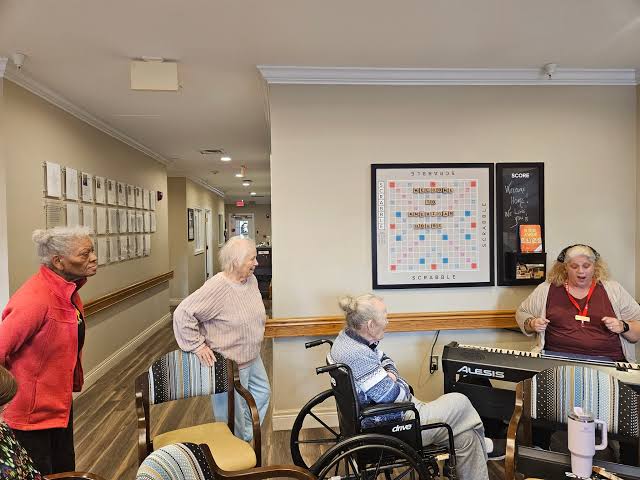
Club and community events. Hobby groups, reading circles, and retirement communities can create their own theme songs or humorous songs for gatherings.
Memoir companions. People writing a memoir sometimes create a song for a chapter, giving the book an audio element they can share with readers.
Playful projects. Silly songs about pets, gardens, or neighborhood quirks are a good way to learn the tools and often become family favorites.
Giving Old Favorites a New Sound
Some people have a melody they have loved all their lives, perhaps a song their mother sang or a tune from a local tradition. An ai cover song generator can rebuild a recording in a different style while keeping the melody, such as turning a simple home recording into a fuller arrangement, or hearing a beloved tune in an unfamiliar genre. It can also help preserve a melody by creating a cleaner version of a recording that has degraded over the years.
Making the Most of the Experience
Start small. A short song with one verse and a chorus is enough, and it is easier to refine a simple idea than a long, complicated one. Write the way you would tell the story to a friend, and include the specific details, such as names, places, and small habits, because those are what make a song feel true. Listen to a few versions before choosing, and don’t hesitate to ask someone younger to help with the technical steps. Most of all, enjoy the process: the goal is not a hit record but a song that means something to the people who hear it.
Creativity Without an Age Limit
The assumption that music-making is for the young, or for the formally trained, has kept many people from trying. Tools that remove the technical barriers make it easier for anyone with a story to turn it into a song, and to share it with the people who matter. For retirees and hobbyists, that can be a rewarding new creative outlet, and a lasting way to pass memories on.