Why Am I Suddenly Getting Ocular Migraines? Symptoms & Causes 2026

Why Am I Suddenly Getting Ocular Migraines? Ocular migraines can feel frightening the first time they happen, especially when your vision blurs or flickers out of nowhere.
Many people notice these episodes during periods of high stress, poor sleep, dehydration, or hormonal change.
Ocular migraines are usually harmless and pass within an hour, but sudden onset still deserves attention. Knowing the causes, symptoms, and warning signs helps you respond calmly instead of panicking.
What Is an Ocular Migraine?

An ocular migraine is a temporary visual disturbance linked to migraine activity. It can affect one eye or your whole visual field, depending on the type.
Doctors sometimes call it a retinal migraine or a migraine with visual aura. These terms overlap, but they describe slightly different mechanisms in the eye and brain.
The visual symptoms usually appear suddenly and resolve within 30 to 60 minutes. In many cases, a headache follows, though it does not always occur.
Ocular Migraine vs Retinal Migraine vs Migraine With Aura
These three terms get used interchangeably, but they are not identical. The table below breaks down the key differences.
| Type | Eyes Affected | Origin | Typical Duration |
|---|---|---|---|
| Ocular Migraine | One eye | Retina or blood flow to the eye | 10–60 minutes |
| Retinal Migraine | One eye | Blood vessel spasm in the retina | Under 60 minutes |
| Migraine With Aura | Both eyes (same visual field) | Brain (visual cortex) | Under 30 minutes |
If your symptoms disappear when you cover one eye, the issue is likely retinal. If symptoms remain in both eyes, it is more likely a brain-based aura.
Common Symptoms of Ocular Migraines
Symptoms vary from person to person, but most people describe a mix of the following visual changes.
| Symptom | Description |
|---|---|
| Scintillations | Flickering or shimmering lights |
| Scotoma | A blind spot that may grow larger |
| Zigzag lines | Jagged, kaleidoscope-like patterns |
| Tunnel vision | Narrowed field of view |
| Temporary vision loss | Partial or full blackout in one eye |
Some people also experience light sensitivity, mild nausea, or a dull headache after the visual symptoms fade.
Why Am I Suddenly Getting Ocular Migraines?
If ocular migraines are new for you, something in your daily routine, environment, or health has likely changed recently. Doctors don’t always find one single cause, since triggers often overlap.
Below are the most common reasons doctors point to when someone develops sudden ocular migraines for the first time.
1. Increased Stress Levels
Stress is one of the top triggers for ocular migraines. A stressful week at work, a personal crisis, or ongoing anxiety can all set one off.
Stress affects blood vessel tone and nervous system activity, both of which play a role in migraine onset.
2. Hormonal Changes
Hormone shifts from menstruation, pregnancy, menopause, or new birth control can trigger sudden ocular migraines in women.
Estrogen fluctuations are closely linked to migraine activity, which is why women experience these episodes more often than men.
3. Poor Sleep or Sleep Deprivation
Irregular sleep schedules and chronic sleep deprivation are well-documented migraine triggers. Even one or two disrupted nights can be enough.
Your brain needs consistent rest to regulate blood flow and neurological signaling properly.
4. Dehydration
Not drinking enough water reduces blood volume and can affect circulation to the eyes and brain. This is a quick, often-overlooked trigger.
Increasing water intake is one of the easiest first steps if migraines start suddenly.
5. Bright or Flickering Lights
Sudden exposure to bright sunlight, fluorescent lighting, or flickering screens can overstimulate the visual system. This is especially common with new lighting environments or increased screen time.
If you recently changed jobs or started a screen-heavy routine, this could explain new symptoms.
6. Caffeine, Alcohol, and Certain Foods
Caffeine withdrawal, alcohol, and foods containing nitrates or MSG are known migraine triggers. Aged cheese and processed meats also appear on many trigger lists.
Sudden changes in diet, including cutting caffeine cold turkey, can trigger a first-time episode.
7. High Blood Pressure
Elevated blood pressure affects blood vessel behavior throughout the body, including the small vessels feeding the eye. This can restrict blood flow temporarily.
If migraines are new and frequent, checking blood pressure is a reasonable early step.
8. Increased Screen Time or Eye Strain
Long hours in front of screens without breaks can strain the visual system and contribute to sudden episodes. This is increasingly common with remote work setups.
The 20-20-20 rule, looking 20 feet away every 20 minutes, can help reduce this strain.
9. Weather or Altitude Changes

Barometric pressure shifts, extreme heat, and high altitude are all linked to migraine onset. Travel to a higher elevation can be enough to trigger a first episode.
This is why some people only notice ocular migraines while traveling or during seasonal weather shifts.
10. Underlying Health Conditions
Rarely, sudden ocular migraines relate to conditions affecting blood vessels, such as vascular disease. A doctor can rule this out with basic testing.
This is less common but worth mentioning if migraines become frequent or severe.
Types of Visual Aura You Might Notice
Not every ocular migraine looks the same. The visual pattern you experience can offer clues about what’s happening in your eye or brain.
Some people see bright, jagged zigzag lines that expand outward, often called a “fortification spectrum.” Others notice small twinkling lights known as scintillations.
A growing blind spot, or scotoma, is also common and can make it hard to read or recognize faces temporarily. Colorful, kaleidoscope-like patterns are another frequently reported symptom.
Rarely, people experience full but brief vision loss in one eye. This tends to be more concerning and should always be evaluated by a doctor promptly.
Ocular Migraines During Pregnancy
Pregnancy hormones can trigger ocular migraines even in women with no prior migraine history. Estrogen fluctuations during each trimester play a major role here.
Many women notice new visual symptoms during the first trimester, when hormone levels shift most dramatically. Symptoms often improve by the second or third trimester.
Because pregnancy also raises blood pressure risks, any sudden vision changes should be reported to your OB-GYN right away. This helps rule out conditions like preeclampsia.
Ocular Migraines and Remote or Screen-Heavy Work
Remote work has increased daily screen exposure for millions of people. Extended screen time is now a leading trigger for first-time ocular migraines in younger adults.
Blue light exposure, poor lighting, and infrequent breaks all contribute to eye strain. This strain can build up and trigger a migraine episode by late afternoon or evening.
Adjusting your monitor brightness, using proper lighting, and taking short breaks every hour can meaningfully lower your risk. Blue-light filtering glasses may also help some people.
Who Is Most at Risk?
Certain groups are statistically more likely to experience ocular migraines. Family history plays a significant role in overall risk.
| Risk Factor | Detail |
|---|---|
| Age | Most common between ages 30–40 |
| Gender | More frequent in women |
| Family History | Roughly half have a family migraine history |
| Hormonal Contraceptives | Increases likelihood in some women |
| Chronic Stress | Raises frequency of episodes |
Knowing your risk profile can help you and your doctor identify patterns faster.
How Long Do Ocular Migraines Last?
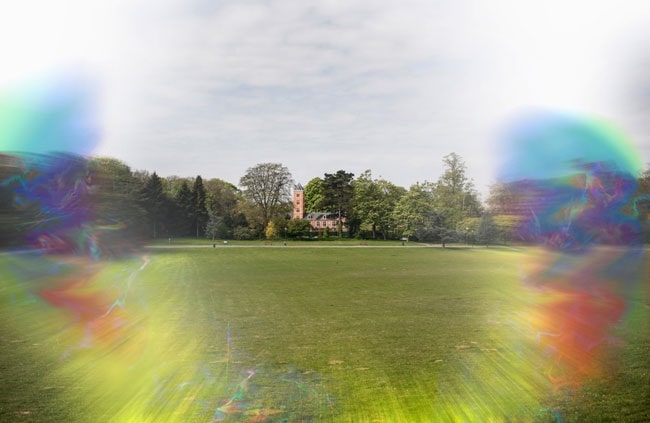
Most ocular migraines resolve within 10 to 60 minutes. Visual symptoms typically fade gradually rather than stopping abruptly.
A headache, if one occurs, may follow the visual phase and last a few hours. Rest in a quiet, dark room usually speeds recovery.
When to See a Doctor
Sudden visual changes should never be ignored completely, even if they resolve quickly. First-time episodes deserve a proper eye exam to rule out other causes.
Seek immediate medical care if you also notice slurred speech, one-sided weakness, confusion, or vision loss lasting longer than an hour. These could indicate a stroke or TIA rather than a migraine.
Ocular migraine is not a mini-stroke, but the symptoms can overlap. A doctor can confirm the diagnosis and rule out serious conditions.
How Ocular Migraines Are Diagnosed
Diagnosis usually starts with a detailed history of your symptoms, timing, and any known triggers. Your doctor will ask when your migraines started and how long they last.
A dilated eye exam checks for retinal or optic nerve issues. Neurological testing, bloodwork, or imaging may follow if the diagnosis is unclear.
Keeping a migraine journal with dates, duration, and possible triggers can speed up diagnosis significantly.
Treatment Options for Ocular Migraines
There is no single cure for ocular migraines, but several approaches reduce frequency and severity. Treatment depends on how often episodes occur.
| Approach | Examples |
|---|---|
| Lifestyle changes | Hydration, sleep, stress management |
| Trigger avoidance | Diet changes, limiting screen time |
| Over-the-counter relief | NSAIDs like ibuprofen or naproxen |
| Prescription medication | Beta-blockers, anti-epileptics, antidepressants |
| Alternative therapies | Yoga, massage, peppermint oil |
If episodes happen less than once a month, most doctors recommend rest rather than daily medication. Frequent episodes may need a preventive prescription plan.
Prevention Tips for Sudden Ocular Migraines
Small daily habits often make the biggest difference in preventing new episodes. Consistency matters more than any single change.
Stay hydrated throughout the day and avoid skipping meals, since low blood sugar is a known trigger. Keep a regular sleep schedule, even on weekends.
Limit caffeine and alcohol intake, and take regular screen breaks if you work at a computer. Managing stress through exercise, breathing techniques, or therapy also helps significantly.
Myths vs Facts About Ocular Migraines
Misinformation about ocular migraines is common, especially online. Clearing up a few myths can ease unnecessary worry.
| Myth | Fact |
|---|---|
| Ocular migraines always cause a headache | Many episodes involve no head pain at all |
| They mean you’re having a stroke | Stroke and migraine share some symptoms, but they are different |
| Only older adults get them | They commonly start between ages 30 and 40, but any age is possible |
| There is a guaranteed cure | Management focuses on reducing triggers, not curing the condition |
| Vision loss is always permanent | Vision almost always returns fully within an hour |
Understanding what’s true versus exaggerated helps you respond calmly the next time symptoms appear.
Home Remedies That May Help
Alongside medical treatment, several home strategies can ease symptoms or shorten an episode. These work best when combined with trigger avoidance.
Resting in a dark, quiet room reduces sensory overload while your vision returns to normal. Applying a cool compress to your forehead may also bring relief.
Peppermint oil applied to the temples has shown some benefit for migraine-related discomfort in small studies. Gentle yoga, deep breathing, and short walks can help lower stress-related triggers over time.
Staying consistent with hydration and sleep remains one of the most effective long-term home strategies. None of these replace a doctor’s evaluation for new or worsening symptoms.
Long-Term Outlook
For most people, ocular migraines are a manageable, non-progressive condition. Frequency often decreases with age, and many people see fewer episodes after menopause.
Identifying and avoiding personal triggers is the single most effective long-term strategy. A migraine journal remains one of the simplest tools for spotting patterns.
With the right combination of lifestyle changes and, if needed, medication, most people reduce their episodes significantly within a few months.
Frequently Asked Questions (FAQs)
Why am I suddenly getting ocular migraines?
Sudden ocular migraines are usually linked to stress, dehydration, poor sleep, or hormonal changes. New medications or increased screen time can also trigger them.
Are ocular migraines dangerous?
Most ocular migraines are harmless and resolve on their own within an hour. However, new or severe symptoms should still be checked by a doctor.
Can stress alone cause ocular migraines?
Yes, stress is one of the most common triggers for ocular migraines. Managing stress often reduces how frequently episodes occur.
How long does an ocular migraine usually last?
Most episodes last between 10 and 60 minutes. Any accompanying headache may last a few hours longer.
Is an ocular migraine the same as a stroke?
No, ocular migraine is not a stroke, but symptoms can sometimes overlap. Seek emergency care if you notice speech or motor problems too.
Do ocular migraines affect one eye or both?
Ocular and retinal migraines typically affect one eye. Migraine with aura usually affects the same area in both eyes.
Can dehydration trigger ocular migraines?
Yes, dehydration reduces blood volume and can affect circulation to the eyes. Drinking more water is a simple first step.
What foods trigger ocular migraines?
Common food triggers include caffeine, alcohol, aged cheese, and processed meats. Keeping a food diary can help identify personal triggers.
Do I need medication for occasional ocular migraines?
Not usually, if episodes happen less than once a month. Rest and trigger avoidance are often enough for infrequent cases.
When should I see a doctor for ocular migraines?
See a doctor after your first episode or if symptoms change, worsen, or last longer than an hour. This rules out more serious underlying conditions.
Conclusion
Sudden ocular migraines are unsettling, but they are usually tied to identifiable triggers like stress, dehydration, poor sleep, hormonal shifts, or screen strain. Most episodes resolve within an hour and leave no lasting damage.
Paying attention to patterns, such as timing, duration, and possible triggers, helps you and your doctor manage future episodes more effectively. Simple lifestyle changes, including better hydration, consistent sleep, and stress management, often reduce how often they happen.
Still, any first-time or unusual visual disturbance deserves a proper eye exam. This rules out more serious conditions and gives you clarity and peace of mind moving forward.
If your ocular migraines become frequent, severe, or come with other neurological symptoms, don’t wait to consult an eye doctor or neurologist.