Why Does Water Give Me Heartburn? The Real Reason 2026
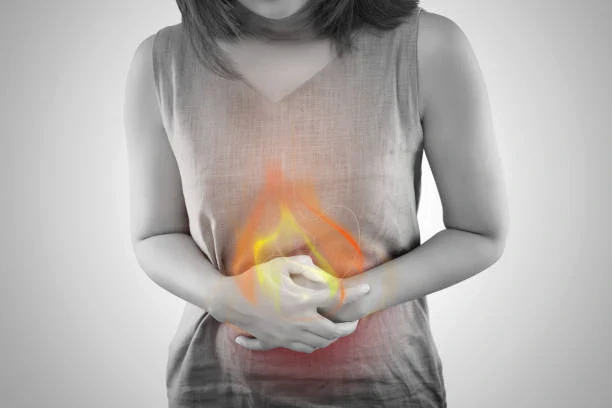
Why does water give me heartburn? It usually comes down to how much you drink, how fast you drink it, and how full your stomach already is, not the water itself.
Water is supposed to be the safest thing you can put in your body, so it feels confusing when a simple glass triggers that familiar burning sensation in your chest.
The truth is, water can absolutely contribute to reflux symptoms under certain conditions, even though it has no acid of its own.
This guide breaks down exactly why this happens, what’s going on inside your stomach, and practical ways to drink water without triggering discomfort.
What Heartburn Actually Is
Heartburn is a burning sensation in the chest that happens when stomach acid flows backward into the esophagus.
This backward flow is called acid reflux, and it happens when the lower esophageal sphincter, or LES, doesn’t close properly.
The LES is a muscular valve that normally keeps stomach contents where they belong, sealed below the esophagus.
When that valve weakens or relaxes at the wrong time, acid escapes upward and irritates the sensitive esophageal lining.
Can Water Really Cause Heartburn?
Water itself isn’t acidic and doesn’t directly irritate your esophagus the way spicy food or coffee can.
However, drinking water in certain ways, quickly, in large amounts, or on a very full stomach, can indirectly trigger reflux symptoms.
Several dentists and gastroenterology sources confirm that plain water does not cause heartburn or other GERD symptoms for most people under normal drinking habits.
The issue usually isn’t the water. It’s the volume, speed, temperature, or timing of how it’s consumed.
The Real Reason: Gastric Distension
The main scientific explanation behind water-triggered heartburn is something called gastric distension, or stomach stretching.
Research shows that gastric distension increases the exposure of the lower esophageal sphincter to acidic stomach contents, making reflux more likely.
When you drink a large volume of water quickly, your stomach physically expands to hold that extra liquid.
This added stomach pressure can push against the LES, temporarily weakening its seal and letting acid slip upward.
How Drinking Speed Affects Heartburn
Gulping water quickly is far more likely to cause discomfort than sipping it slowly over time.
Fast, large gulps flood the stomach all at once, spiking internal pressure faster than your body can adjust.
Sipping small amounts gradually gives your stomach time to process the liquid without sudden distension.
This is one of the simplest and most effective changes you can make if water regularly triggers your symptoms.
Does Water Temperature Matter?
Yes, temperature can play a noticeable role for some people experiencing water-related heartburn.
Cold water may cause the esophagus and stomach muscles to contract or spasm slightly, which can aggravate reflux in sensitive individuals.
Room temperature or slightly warm water is generally gentler on the digestive tract and less likely to trigger symptoms.
If cold water consistently bothers you, switching to room temperature water is an easy first adjustment to try.
Drinking Water With Meals vs. On an Empty Stomach
| Drinking Pattern | Effect on Heartburn Risk |
|---|---|
| Small sips during meals | Generally low risk, aids digestion |
| Large gulps during meals | Higher risk due to stomach overfilling |
| Large amount on empty stomach | Can distend stomach quickly, higher risk |
| Small sips throughout the day | Lowest overall risk |
Timing and portion size matter just as much as what you’re drinking when it comes to reflux symptoms.
The Overeating and Overfilling Connection

Drinking water and eating large meals can raise stomach pressure, which can worsen acid reflux symptoms.
When your stomach is already full of food, adding a large amount of water on top increases internal pressure even more.
This combination is one of the most common reasons people notice heartburn specifically after big meals paired with lots of liquid.
Spacing out water intake before and after meals, rather than during large portions, can help reduce this pressure buildup.
Body Weight and Water-Related Heartburn
Being overweight can put pressure on the stomach, raising the risk of acid reflux, even after drinking water.
Extra abdominal weight physically pushes against the stomach, making it easier for acid to be forced upward when the stomach is full.
This means the same amount of water might cause noticeable heartburn in one person but no symptoms at all in another.
Weight management, alongside mindful drinking habits, is often part of a broader reflux management plan recommended by doctors.
Stress and Its Role in Water-Triggered Heartburn
High stress levels can exacerbate acid reflux symptoms, including after drinking water.
Stress affects digestion by altering stomach acid production, muscle tension, and even how quickly your stomach empties.
Someone under heavy stress may notice heartburn after drinking water on a day when the exact same habit caused no issues previously.
Simple relaxation techniques, like deep breathing or short walks, may help reduce stress-related reflux flare-ups over time.
Medications That Can Make Water Trigger Heartburn
Certain medications, like antihistamines, pain relievers, or blood pressure drugs, can relax the lower esophageal sphincter and trigger heartburn.
If the LES is already relaxed due to medication, even a normal amount of water can be enough to cause reflux symptoms.
This is why some people suddenly notice water-related heartburn after starting a new prescription or over-the-counter drug.
If you suspect medication is involved, talk to your doctor before making any changes to your prescribed treatment.
The Hiatal Hernia Connection
A hiatal hernia occurs when part of the stomach pushes up through the diaphragm into the chest cavity.
This structural change can interfere with how well the LES functions, making reflux more likely, including after drinking water.
People with hiatal hernias often report heartburn triggered by liquids and food that wouldn’t normally cause issues for others.
If heartburn is frequent and severe, a doctor may check for a hiatal hernia as part of the evaluation.
Carbonated and Alkaline Water: Do They Behave Differently?
Not all water is created equal when it comes to reflux symptoms, especially once carbonation or added minerals come into play.
Carbonated water, like seltzer, can contribute to reflux symptoms for some people due to the extra gas bubbles expanding the stomach.
There is some indication that alkaline water may help reduce the effects of stomach acid, though more research is still needed on this.
| Water Type | Reflux Impact |
|---|---|
| Plain still water | Low risk for most people |
| Cold water | May trigger symptoms in sensitive individuals |
| Carbonated water | Higher risk due to gas and bloating |
| Alkaline water | Possibly helpful, though evidence is limited |
The Low Stomach Acid Theory
Interestingly, some experts suggest heartburn isn’t always about too much acid, but acid ending up in the wrong place.
Functional nutritionist Ma’an Romana notes that in most cases, people who suffer from heartburn actually have too little stomach acid, not too much.
This theory explains why common acid-reducing medications sometimes fail to provide lasting relief for frequent heartburn sufferers.
Registered dietitian Andrea Marincovich explains that heartburn happens when the LES weakens or doesn’t close properly, letting acid spill upward regardless of quantity.
Can Drinking Water Actually Help With Heartburn?
Water isn’t only a potential trigger, it can also be part of the solution when consumed the right way.
Sipping small amounts of water during a meal can help dilute food and improve digestion, according to nutrition experts.
However, taking large gulps during a meal may actually make heartburn worse rather than better.
The takeaway is simple: small sips help, large gulps hurt, especially when combined with a big meal.
Common Heartburn Symptoms to Watch For
Recognizing typical heartburn symptoms helps you understand whether water is truly the trigger or just one factor among several.
Common signs include a burning sensation behind the breastbone, a sour or bitter taste in the mouth, and chest pressure or fullness.
Symptoms often worsen when lying down, bending over, or shortly after eating a large meal combined with liquids.
Some people also experience difficulty swallowing, a feeling of food or liquid sticking in the throat.
Signs Your Heartburn Needs Medical Attention
Occasional mild heartburn after drinking water is usually nothing serious, but frequent or severe symptoms deserve medical evaluation.
Warning signs include heartburn occurring more than twice a week, difficulty swallowing, unintentional weight loss, or chest pain that feels severe.
These symptoms could indicate GERD, a hiatal hernia, or another underlying digestive condition that needs proper diagnosis.
A doctor may recommend tests like an endoscopy or pH monitoring to identify the exact cause of persistent symptoms.
Practical Tips to Prevent Water-Triggered Heartburn
Making a few simple adjustments to your drinking habits can significantly reduce how often water triggers your symptoms.
- Sip water slowly instead of gulping large amounts at once
- Choose room temperature water over ice-cold water
- Avoid drinking large volumes right before or during big meals
- Stay upright for at least 30 minutes after drinking or eating
- Limit carbonated water if it consistently triggers symptoms
Small, consistent changes like these often make a noticeable difference within just a few days.
Lifestyle Habits That Support Better Digestion
Beyond drinking habits, broader lifestyle choices play a major role in how often reflux symptoms show up.
Eating smaller, more frequent meals instead of large ones reduces overall stomach pressure throughout the day.
Avoiding lying down immediately after eating or drinking gives gravity time to keep stomach contents where they belong.
Managing stress, maintaining a healthy weight, and reviewing medications with your doctor all support long-term reflux control.
When to Talk to a Doctor About Water and Heartburn
If adjusting your water-drinking habits doesn’t reduce symptoms within a couple of weeks, it’s worth scheduling a doctor’s visit.
Persistent symptoms could point to an underlying issue like GERD, a hiatal hernia, or a medication side effect.
A healthcare provider can run appropriate tests and recommend treatment options tailored to your specific situation.
Understanding how your water consumption patterns affect your digestive system can help you stay hydrated without triggering symptoms.
How Your Stomach Handles Water vs. Food
Water moves through the stomach differently than solid food, and understanding this difference helps explain why timing matters so much.
Plain water passes through the stomach relatively quickly compared to solid meals, which can take hours to fully digest.
However, when water is consumed alongside food, it can slow overall digestion slightly and add to the total volume the stomach has to manage at once.
This combined volume is often the real trigger, rather than the water behaving any differently on its own.
Morning Water and Empty Stomach Heartburn
Some people notice heartburn specifically when drinking a large glass of water first thing in the morning on an empty stomach.
An empty stomach has less buffering content, so a sudden large volume of water can cause quicker distension and pressure.
Starting with smaller amounts and gradually increasing intake throughout the morning is often gentler than one large glass right after waking up.
Pairing morning water with a small snack can also help reduce the sudden pressure spike some people experience.
Does Drinking Water Before Bed Cause Heartburn?
Nighttime is one of the most common times for heartburn symptoms to appear, and water intake before bed can play a role.
Lying down soon after drinking a large amount of water makes it easier for stomach contents to travel back into the esophagus.
Gravity normally helps keep acid down while you’re upright, but that protection disappears once you’re lying flat.
Reducing fluid intake in the hour before bedtime, and staying upright a little longer after drinking, can meaningfully reduce nighttime symptoms.
Hydration Habits That Reduce Reflux Risk
Building better hydration habits throughout the day can prevent the sudden volume spikes that often trigger symptoms.
Spreading water intake evenly across the day, rather than drinking large amounts in one sitting, keeps stomach pressure more stable overall.
Using a smaller cup or bottle can naturally encourage smaller, more frequent sips instead of large gulps.
Paying attention to your own patterns, when symptoms happen and how much you drank beforehand, helps identify your personal triggers faster.
Other Drinks That Commonly Trigger Heartburn
Comparing water to other common beverages helps put its relatively low reflux risk into better perspective.
| Beverage | Typical Reflux Risk |
|---|---|
| Plain water | Low |
| Coffee | High |
| Carbonated soda | High |
| Citrus juice | Moderate to high |
| Alcohol | High |
| Milk | Low to moderate |
Compared to most other drinks, water remains one of the safer choices overall, even when it occasionally causes discomfort.
The Role of Posture While Drinking Water
Body position while drinking water can influence how easily stomach contents stay down where they belong.
Drinking while slouched or reclining puts extra pressure on the stomach and makes it easier for acid to travel upward.
Sitting upright while drinking, and staying upright afterward, gives gravity the best chance to keep everything moving in the right direction.
This simple postural adjustment is often overlooked but can make a noticeable difference for people prone to reflux.
When Water-Triggered Heartburn Signals GERD
Occasional heartburn after drinking water isn’t usually a sign of a serious condition, but frequent symptoms can point to GERD.
GERD, or gastroesophageal reflux disease, is a chronic form of acid reflux that happens regularly rather than occasionally.
People with GERD often notice that even small amounts of water or mild food can trigger symptoms due to a consistently weakened LES.
If heartburn happens several times a week regardless of drinking habits, it’s worth discussing GERD testing with a healthcare provider.
Natural Remedies That May Help Alongside Water Adjustments
Beyond changing how you drink water, some natural approaches may support overall reflux management.
Chewing gum after meals can increase saliva production, which helps neutralize acid and clear the esophagus more efficiently.
Elevating the head of your bed slightly can reduce nighttime reflux by keeping acid lower in the stomach while you sleep.
Avoiding tight clothing around the waist reduces unnecessary pressure on the stomach that can worsen reflux symptoms.
Key Takeaways Before Moving to FAQs
Water rarely causes heartburn directly, but how you drink it, quickly, in large volumes, or on a full stomach, absolutely can.
Gastric distension, LES function, body weight, stress, and even certain medications all influence whether water triggers symptoms for you specifically.
Simple changes like sipping slowly, avoiding ice-cold water, and spacing out fluids around meals often resolve the issue without medication.
Persistent or severe symptoms are always worth discussing with a doctor to rule out deeper digestive concerns.
Understanding these patterns turns a confusing symptom into something you can actually manage day to day.
Small, deliberate changes in how and when you drink water often solve the problem faster than most people expect.
A Quick Recap of the Main Triggers
Before wrapping up, it helps to summarize the most common reasons water ends up causing that uncomfortable burning feeling.
Large volume, fast drinking speed, cold temperature, carbonation, and a full stomach are the biggest contributing factors seen across most cases.
Underlying issues like a weakened LES, hiatal hernia, certain medications, and high stress levels can all lower your tolerance for these triggers.
Once you identify which combination applies to you, adjusting your habits becomes much more straightforward and effective.
Frequently Asked Questions (FAQs)
1. Why does water give me heartburn?
It’s usually caused by drinking too much too quickly, which stretches the stomach and puts pressure on the LES valve.
2. Is water itself acidic enough to cause reflux?
No, plain water isn’t acidic and doesn’t directly trigger reflux; the volume and speed of drinking are the real factors.
3. Does cold water make heartburn worse?
For some people, yes, cold water can cause mild muscle contractions that may aggravate reflux symptoms.
4. Can drinking water during meals cause heartburn?
Large gulps during meals can add extra stomach pressure, while small sips are generally safe and even helpful.
5. Does carbonated water cause more heartburn than still water?
Yes, carbonation adds gas and bloating, which can increase pressure on the LES and worsen symptoms.
6. Can being overweight make water trigger heartburn?
Yes, extra abdominal pressure from excess weight can make acid reflux more likely, even with normal water intake.
7. Can medications cause water to trigger heartburn?
Yes, certain antihistamines, pain relievers, and blood pressure medications can relax the LES and increase reflux risk.
8. Is a hiatal hernia linked to water-triggered heartburn?
Yes, a hiatal hernia can weaken LES function, making reflux more likely after drinking water or eating.
9. Does alkaline water help reduce heartburn?
Some early evidence suggests it may help neutralize stomach acid, though more research is still needed to confirm this.
10. When should I see a doctor about water-related heartburn?
See a doctor if symptoms occur more than twice a week, worsen over time, or include difficulty swallowing.
Conclusion
Water giving you heartburn feels backwards, since it’s usually seen as the safest thing you can drink.
In reality, the issue almost never comes from the water itself, but from how much you drink, how fast, and how full your stomach already is.
Gastric distension, weakened LES function, body weight, stress, and even certain medications can all turn a harmless glass of water into a trigger for reflux.
The good news is that small adjustments, sipping slowly, choosing room temperature water, and spacing fluids around meals, often resolve the problem without any medication at all.
If heartburn continues despite these changes, or happens frequently, it’s worth speaking with a doctor to check for underlying conditions like GERD or a hiatal hernia. Staying hydrated and staying comfortable can absolutely go hand in hand once you understand what’s really happening inside your body.