Why Does the Top of My Mouth Hurt When I Eat? Causes 2026

Why does the top of my mouth hurt when I eat? In most cases, it is a simple burn from hot food, a canker sore, or minor irritation from sharp or hard snacks.
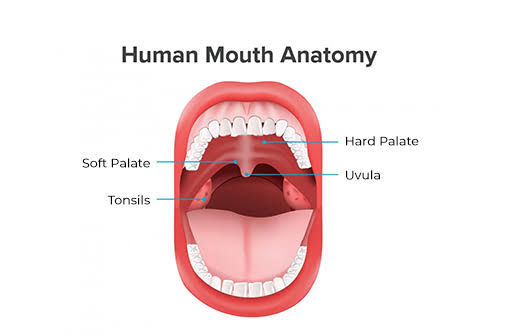
The roof of your mouth is made up of the hard palate in front and the soft palate in back, both covered by thin, delicate tissue that reacts quickly to heat, texture, and infection.
While most causes clear up within a week or two with basic care, some point to deeper issues like oral thrush, sinus pressure, dental problems, or vitamin deficiencies.
Understanding the Roof of Your Mouth

The roof of your mouth, known medically as the palate, is made up of two distinct sections.
The Hard Palate
This is the bony front section that helps separate your mouth from your nasal cavity and aids in chewing.
The Soft Palate
This is the fleshy back section near your throat, and it plays a role in swallowing and speech.
Both sections are covered by a thin layer of tissue called oral mucosa, which is easily irritated.
Common Causes of Top of Mouth Pain When Eating
Several everyday factors can trigger sharp or dull pain in the roof of your mouth while eating.
Thermal Burns from Hot Food
Hot pizza cheese, soup, and coffee can scorch the thin tissue almost instantly, causing redness or peeling.
Most burns heal within 3 to 7 days with cool, soft foods and plenty of hydration.
Canker Sores
These small, round ulcers appear white or yellow with a red border and often hurt with spicy or acidic food.
Canker sores are not contagious and typically heal within 7 to 14 days on their own.
Cuts and Abrasions from Sharp Foods
Chips, crusty bread, crackers, and pretzels can scrape the delicate tissue, creating a tender sore spot.
These small injuries usually heal within 3 to 5 days if you avoid further irritation.
Cold Sores
Caused by the herpes simplex virus, cold sores can form blisters on the hard palate that sting while eating.
Unlike canker sores, cold sores are contagious and often triggered by stress or a weakened immune system.
Oral Thrush
This fungal infection creates creamy white patches and soreness, more common in denture wearers or those with weakened immunity.
Food Allergies and Sensitivities
Certain foods or ingredients in toothpaste and mouthwash can trigger itching, tingling, or swelling on the palate.
Dry Mouth and Dehydration
Reduced saliva production from dehydration can make the roof of the mouth feel irritated and sensitive.
Table: Common Causes and Typical Healing Time
| Cause | Typical Healing Time |
|---|---|
| Thermal burn | 3 to 7 days |
| Canker sore | 7 to 14 days |
| Cut or abrasion | 3 to 5 days |
| Cold sore | About 1 week |
| Oral thrush | Requires antifungal treatment |
| Food allergy reaction | Resolves after avoiding trigger |
Dental and Medical Causes of Palate Pain
Sometimes the pain in the roof of your mouth is linked to a deeper dental or medical issue.
Dental Abscess
An infection near a tooth root can radiate pain upward, making the roof of the mouth feel tender while chewing.
Advanced Gum Disease
Inflammation from gum disease can spread beyond the gumline and affect the upper areas of the mouth.
Sinus Pressure
Postnasal drip and sinus congestion can cause referred pain, especially toward the back of the palate.
Ill-Fitting Dentures or Dental Appliances
Braces, retainers, or poorly fitted dentures can rub against the palate, causing chronic irritation or sores.
Acid Reflux
Stomach acid reaching the mouth can irritate the soft tissue, including the roof of the mouth, over time.
Table: Dental and Medical Causes Overview
| Cause | Key Sign | Recommended Action |
|---|---|---|
| Dental abscess | Deep, throbbing pain near a tooth | See a dentist promptly |
| Gum disease | Swollen, bleeding gums | Professional dental cleaning |
| Sinus pressure | Pain toward back of palate | Treat underlying congestion |
| Ill-fitting appliance | Repeated irritation in same spot | Appliance adjustment |
| Acid reflux | Burning sensation, sour taste | Manage reflux symptoms |
Less Common but Serious Causes

While most causes of palate pain are minor, a few require closer medical attention.
Vitamin Deficiencies
Low levels of B12, iron, or folate can make the mouth more prone to soreness, burning, and sores.
Torus Palatinus
This is a bony growth on the roof of the mouth that is usually painless but can become irritated.
Mononucleosis
Small red spots called petechiae on the palate can sometimes point to a mono infection, especially with fever and fatigue.
Oral Cancer
Persistent white patches, non-healing sores, or unusual growths should always be evaluated promptly by a professional.
Symptoms That Often Accompany Palate Pain
The symptoms alongside your pain can help identify the underlying cause more accurately.
Swelling or Redness
Visible swelling combined with pain often points to infection, allergic reaction, or irritation from an appliance.
White or Yellow Patches
These can indicate canker sores, oral thrush, or in rare cases, something more serious requiring evaluation.
Burning Sensation
A persistent burning feeling without a clear sore may indicate burning mouth syndrome or nutritional deficiency.
Fever or Fatigue
When paired with palate pain, these symptoms often suggest an underlying viral or bacterial infection.
Table: Symptom Checklist and Possible Meaning
| Symptom | Possible Cause |
|---|---|
| Sharp pain after hot food | Thermal burn |
| Round white or yellow sore | Canker sore |
| Blisters that sting | Cold sore |
| Creamy white patches | Oral thrush |
| Pain with swelling and fever | Infection needing evaluation |
| Persistent burning, no visible sore | Nutritional deficiency or burning mouth syndrome |
Home Remedies for Roof of Mouth Pain
Most mild cases of palate pain can be managed effectively with simple home care.
Warm Salt Water Rinse
Mix half a teaspoon of salt into a cup of warm water and rinse several times a day to reduce inflammation.
Stay Hydrated
Drinking plenty of water supports saliva production, which helps soothe and heal irritated tissue.
Suck on Ice Chips
This can provide cooling relief for burns and general soreness, though avoid direct ice on open sores.
Avoid Spicy, Acidic, or Crunchy Foods
These foods can worsen irritation, so stick to soft, cool options like yogurt, smoothies, and mashed potatoes.
Over-the-Counter Oral Gels
Topical anesthetic gels can numb the area temporarily, offering relief while the tissue heals.
Table: Home Remedies at a Glance
| Remedy | Best For | Time to Relief |
|---|---|---|
| Salt water rinse | General irritation and sores | Same day, short-term |
| Hydration | Dry mouth, dehydration | Ongoing |
| Ice chips | Burns and swelling | Immediate, temporary |
| Soft food diet | Cuts, abrasions, burns | Ongoing during healing |
| Oral gels | Canker sores, minor pain | Minutes |
Foods to Avoid While Your Palate Heals
Certain foods can slow healing or worsen pain in the roof of the mouth.
Table: Foods to Avoid vs Safer Alternatives
| Avoid | Why It Hurts | Safer Alternative |
|---|---|---|
| Hot pizza or soup | Risk of thermal burn | Let food cool first |
| Citrus fruits | Acid irritates open sores | Bananas, melons |
| Chips and crackers | Sharp edges scrape tissue | Mashed potatoes, yogurt |
| Spicy sauces | Burning sensation on sores | Mild, cool dishes |
| Alcohol | Dehydrates and irritates tissue | Water, herbal tea |
Professional Treatments for Persistent Palate Pain
When home care isn’t enough, a dentist or doctor can offer targeted treatment options.
Antifungal Medication
Used to treat oral thrush, clearing the fungal infection and reducing associated soreness.
Prescription Steroid Treatments
These can reduce swelling and speed healing for severe or recurring mouth sores.
Dental Appliance Adjustment
If braces, retainers, or dentures are causing irritation, a professional adjustment can resolve the issue.
Treatment for Underlying Conditions
Addressing acid reflux, vitamin deficiencies, or gum disease directly resolves pain caused by these root issues.
Table: Professional Treatment Options
| Treatment | Best For | Typical Timeline |
|---|---|---|
| Antifungal medication | Oral thrush | 1 to 2 weeks |
| Steroid treatment | Severe or recurring sores | Several days |
| Appliance adjustment | Denture or brace irritation | 1 visit |
| Reflux management | Acid-related irritation | Ongoing |
| Dental treatment | Abscess or gum disease | Varies by severity |
When to See a Dentist or Doctor
Most palate pain resolves on its own, but certain signs mean it’s time for a professional evaluation.
Pain lasting more than two weeks without improvement should always be checked by a dental or medical professional.
A lump, thick white patch, or sore that doesn’t heal needs prompt evaluation to rule out anything serious.
Fever, significant swelling, or pain that interferes with eating and drinking also warrants a same-week appointment.
How to Prevent Roof of Mouth Pain in the Future
A few simple habits can reduce how often you experience pain in the roof of your mouth.
Let Hot Food Cool Before Eating
Waiting even a minute or two before taking a bite significantly lowers your risk of thermal burns.
Chew Slowly and Mindfully
Eating slowly reduces the chance of accidentally biting down on sharp or hard food edges.
Maintain Good Oral Hygiene
Regular brushing, flossing, and dental checkups help prevent gum disease and catch issues early.
Stay Hydrated Throughout the Day
Proper hydration keeps saliva production steady, protecting the delicate tissue in your mouth.
Manage Underlying Health Conditions
Treating acid reflux, allergies, or nutritional deficiencies reduces the risk of recurring palate irritation.
Roof of Mouth Pain in Children vs Adults
Palate pain can affect people of all ages, though the common causes vary slightly by age group.
Table: Causes by Age Group
| Age Group | Common Cause | First Step |
|---|---|---|
| Children | Burns from hot food, teething irritation | Offer cool, soft foods |
| Teens | Canker sores, braces irritation | Orthodontic adjustment if needed |
| Adults | Burns, acid reflux, dental issues | Dental evaluation |
| Seniors | Ill-fitting dentures, dry mouth | Denture fitting check |
Why the Roof of Your Mouth Is So Sensitive
Understanding why this area reacts so strongly to heat and injury helps explain why pain shows up so quickly.
Thin Tissue Layer
The mucosa covering the palate is thinner than skin elsewhere in the body, making it more vulnerable to damage.
Rich Nerve Supply
The roof of the mouth has a dense network of nerve endings, which makes pain signals feel especially sharp.
Constant Exposure
Unlike other tissues, the palate is exposed to food, temperature changes, and bacteria multiple times a day.
Limited Blood Flow Compared to Gums
Because the palate has less blood flow than gum tissue, healing can sometimes take slightly longer.
How Diet Affects Roof of Mouth Health
What you eat regularly can either protect or worsen the health of your palate over time.
Table: Diet and Palate Health
| Food Habit | Effect on Palate |
|---|---|
| High sugar intake | Increases risk of oral thrush and irritation |
| Low vitamin B12 or iron | Raises risk of sores and burning sensation |
| Frequent hot beverages | Increases risk of repeated thermal burns |
| Balanced, nutrient-rich diet | Supports faster healing and tissue strength |
| Adequate water intake | Maintains healthy saliva production |
Nutrient-Rich Foods That Support Healing
Leafy greens, dairy, and lean proteins provide vitamins that help repair irritated or damaged oral tissue.
Foods That Slow Healing
Excess sugar and highly processed foods can feed bacteria and fungal growth, slowing recovery.
The Link Between Oral Hygiene and Palate Pain
Good oral hygiene habits play a direct role in preventing many causes of roof of mouth pain.
Brushing Technique Matters
Brushing too hard or using a stiff-bristled brush can accidentally irritate the roof of the mouth.
Tongue and Palate Cleaning
Gently cleaning the tongue and palate area helps reduce bacteria buildup that can lead to irritation or infection.
Regular Dental Checkups
Routine visits allow a dentist to catch early signs of infection, growths, or appliance-related irritation.
Myths About Roof of Mouth Pain
A few common misconceptions can lead people to worry unnecessarily or delay proper care.
Myth: All Palate Pain Means Something Serious
In reality, the vast majority of cases are minor and resolve without any long-term issue.
Myth: Canker Sores Are Contagious
Canker sores are not contagious, unlike cold sores, which are caused by a virus.
Myth: You Should Pop a Blister on the Roof of Your Mouth
Popping blisters increases infection risk and can slow healing significantly, so it’s best to let them heal naturally.
Myth: Only Hot Food Causes Palate Pain
While burns are common, allergies, infections, dental issues, and dehydration are equally frequent causes.
How Weather and Seasons Can Affect Palate Pain
Seasonal changes can indirectly contribute to roof of mouth discomfort in ways many people overlook.
Cold and Flu Season
Increased sinus congestion during colder months can lead to more frequent referred pain in the palate.
Allergy Season
Seasonal allergies can trigger oral allergy syndrome, causing itching or soreness after eating certain raw fruits and vegetables.
Dry Winter Air
Lower humidity levels can contribute to dry mouth, making the palate more prone to irritation.
Table: Seasonal Triggers for Palate Pain
| Season | Common Trigger | Prevention Tip |
|---|---|---|
| Winter | Dry air, cold and flu | Use a humidifier, stay hydrated |
| Spring | Seasonal allergies | Cook raw fruits and vegetables |
| Summer | Dehydration | Increase water intake |
| Fall | Sinus congestion | Manage allergies early |
When Palate Pain Signals a Dental Emergency
While rare, certain combinations of symptoms mean you shouldn’t wait for a routine appointment.
Severe swelling that affects breathing or swallowing requires immediate emergency care rather than a scheduled visit.
A rapidly spreading infection with fever and intense pain should be treated as a dental emergency.
Uncontrolled bleeding from the roof of the mouth that doesn’t stop with gentle pressure also needs urgent attention.
Quick Checklist Before Your Dental or Doctor Visit
Bringing clear details to your appointment helps a professional diagnose the cause faster and more accurately.
Note exactly where the pain is located, when it started, and what you were eating beforehand.
Mention any recent dental work, new medications, or changes in your diet or oral care routine.
Track whether the pain has improved, stayed the same, or worsened over the past several days.
Frequently Asked Questions (FAQs)
Why does the top of my mouth hurt when I eat hot food?
Hot food can burn the thin tissue on the roof of your mouth almost instantly, causing tenderness.
How long does a burn on the roof of the mouth take to heal?
Most thermal burns heal within 3 to 7 days with soft, cool foods and proper hydration.
Can stress cause pain in the roof of my mouth?
Yes, stress is a common trigger for canker sores, which can cause noticeable pain while eating.
Is it normal for the roof of my mouth to hurt after dental work?
Mild soreness after dental work is normal and usually resolves within a few days.
Can dehydration cause the roof of my mouth to hurt?
Yes, dehydration reduces saliva production, which can leave the palate feeling dry and irritated.
When should I worry about pain in the roof of my mouth?
See a professional if pain lasts more than two weeks, worsens, or comes with a lump or fever.
Can food allergies cause pain in the roof of my mouth?
Yes, allergies can cause swelling, tingling, or discomfort in the soft tissue of the palate.
Are canker sores on the roof of the mouth contagious?
No, canker sores are not contagious, unlike cold sores caused by the herpes simplex virus.
Why does my palate hurt only when I eat spicy food?
Spicy food can irritate an existing sore or sensitive tissue, intensifying the pain temporarily.
Can ill-fitting dentures cause roof of mouth pain?
Yes, dentures that don’t fit properly can rub against the palate and cause chronic irritation.
Conclusion
Pain in the roof of your mouth when eating is usually caused by something minor, like a thermal burn, a canker sore, or a small scrape from crunchy food.
These cases typically heal on their own within one to two weeks with simple home care like salt water rinses, hydration, and avoiding spicy or acidic foods.
However, persistent pain, visible lumps, white patches, or symptoms like fever and swelling should never be ignored, as they can point to infections, dental issues, or nutritional deficiencies that need professional treatment.
Paying attention to when the pain started, what you were eating, and how long it lasts can help your dentist or doctor pinpoint the cause quickly.
With the right care, most people find relief and can get back to eating comfortably without that unexpected jolt of pain.