Why Does My Tooth Hurt When I Drink Something Cold? Causes 2026
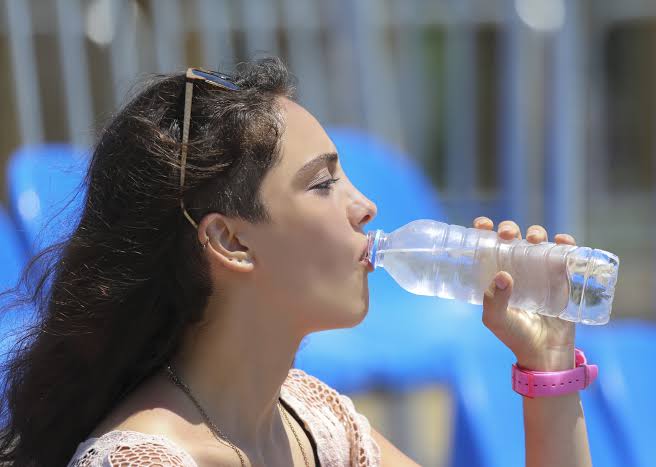
Why Does My Tooth Hurt When I Drink Something Cold? That sharp, sudden sting when you sip ice water is called tooth sensitivity, or dentin hypersensitivity. It happens when the protective enamel on your teeth thins or your gums recede, exposing the sensitive layer underneath called dentin.
Dentin is full of tiny tubules that connect straight to the nerve inside your tooth. When cold liquid touches exposed dentin, fluid inside those tubules shifts and triggers a quick pain signal.
Why Cold Drinks Hurt Your Teeth
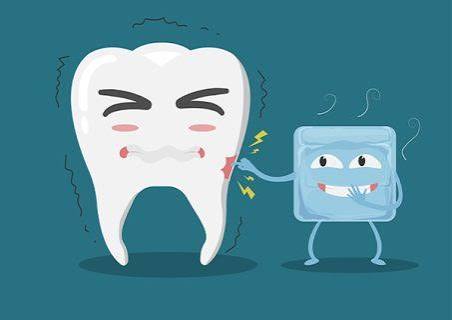
Cold drinks hurt your teeth when the enamel or gum tissue protecting the tooth’s nerve has worn away, cracked, or receded. Once dentin is exposed, cold temperature reaches the nerve directly and causes a sharp, short-lived pain.
The most common triggers are worn enamel, gum recession, cavities, cracked teeth, and recent dental work.
How Tooth Sensitivity Actually Works
Your tooth has three layers: hard outer enamel, a middle layer called dentin, and an inner pulp that holds nerves and blood vessels.
Enamel is the hardest substance in the human body, but it doesn’t regenerate once it’s gone. Dentin sits just beneath it and is naturally porous.
When enamel or the gum-covered cementum over the roots wears away, dentin tubules are left exposed. Cold fluid moving through those tubules pulls on nerve fibers in the pulp, and that pull is what you feel as pain.
Why It’s Sharp and Short, Not Constant
Cold-triggered pain typically hits fast and fades within a few seconds once the cold stimulus is gone. That quick on-off pattern is a hallmark of classic dentin hypersensitivity rather than a deeper infection.
Pain that lingers 30 seconds or longer after the cold is removed usually points to something more serious, like deep decay or nerve damage.
The Main Causes of Tooth Pain From Cold Drinks
Enamel Erosion
Acidic foods and drinks, like soda, wine, citrus, and coffee, gradually dissolve enamel over years. Frequent snacking and aggressive brushing speed this up further.
Once enamel erodes, it exposes dentin permanently, since enamel cannot regrow or repair itself.
Gum Recession
Gum disease, hard brushing, and natural aging can cause gums to pull back from the tooth. This exposes the root surface, which has no enamel covering at all.
Roots are covered only by a thin layer called cementum, so they become sensitive almost immediately once exposed.
Tooth Decay and Cavities
Bacteria break down sugars into acids that eat through enamel and into dentin. As a cavity deepens, it opens a direct path for cold to reach the nerve.
Left untreated, decay that reaches the pulp can cause pain that lingers well after the cold is gone.
Cracked or Fractured Teeth
Small cracks form as enamel repeatedly expands and contracts from temperature changes. These hairline fractures act like tiny doorways straight to the nerve.
Cracked tooth pain often feels sharpest when you release a bite, not just during cold exposure.
Teeth Grinding (Bruxism)
Clenching or grinding, especially during sleep, wears enamel down over time and can create micro-cracks. Many people don’t realize they grind until sensitivity or jaw pain shows up.
A dentist can spot grinding-related wear during a routine exam, even before you notice symptoms.
Recent Dental Work
Teeth whitening, fillings, crowns, cleanings, and root planing can all cause temporary cold sensitivity. Whitening peroxide and cleaning procedures can briefly irritate the nerve or expose previously covered areas.
This type of sensitivity is usually mild and fades within a few days to a few weeks.
Tooth Infection or Abscess
When bacteria reach the pulp, the resulting infection can cause severe, prolonged sensitivity to cold. This is a dental emergency, not something to manage with toothpaste.
An abscess often comes with swelling, throbbing pain, or a bad taste, in addition to cold sensitivity.
Sensitivity in One Tooth vs. Multiple Teeth

When Several Teeth Hurt
Sensitivity across many teeth usually points to a broader issue, like generalized enamel erosion, acid reflux, or overuse of whitening products. This pattern is more often lifestyle-related than a single dental emergency.
When Only One Tooth Hurts
A single sensitive tooth is more likely a localized problem, such as a cavity, crack, failing filling, or a tooth that recently had dental work. Isolated sensitivity deserves a closer look sooner rather than later.
Comparison Table: Common Causes at a Glance
| Cause | Typical Pain Pattern | Home Care Helps? | Needs a Dentist? |
|---|---|---|---|
| Enamel erosion | Quick sting, multiple teeth | Yes, short term | Yes, for lasting fix |
| Gum recession | Sting near gumline | Somewhat | Yes |
| Cavity | Sharp, worsens over time | No | Yes, promptly |
| Cracked tooth | Sharp on bite release + cold | No | Yes, promptly |
| Bruxism | Gradual, multiple teeth | Partially | Yes |
| Recent dental work | Mild, fades in days-weeks | Yes | Only if it persists |
| Abscess/infection | Severe, lingers, throbbing | No | Yes, urgently |
Warning Signs That Mean More Than Simple Sensitivity
Reach out to a dentist promptly if you notice any of the following.
- Pain that lasts 30 seconds or longer after the cold is gone
- Throbbing pain or pain that wakes you up at night
- Swelling in the gums or face
- A visible crack, dark spot, or hole in the tooth
- Sensitivity that is getting worse week over week
- Pain only in one specific tooth
How to Relieve Cold Sensitivity at Home
Switch to Desensitizing Toothpaste
Look for toothpaste with potassium nitrate or stannous fluoride, which gradually blocks the open dentin tubules. Give it two to three weeks of consistent use before judging results.
Use a Soft-Bristle Toothbrush
Scrubbing harder does not clean better; it only wears down enamel and gums faster. A soft brush with gentle, circular strokes protects both.
Cut Back on Acidic Foods and Drinks
Limit soda, wine, citrus, and coffee, or rinse with plain water right after consuming them. This slows further enamel erosion significantly.
Avoid Biting Directly Into Cold Foods

Try sipping cold drinks through a straw or letting ice cream soften slightly before eating it. This limits direct contact between cold and exposed dentin.
Ask About In-Office Fluoride Treatment
Professional fluoride application can remineralize weakened enamel more effectively than toothpaste alone. It’s a quick, low-cost step your dentist can add to a routine visit.
Professional Treatment Options
Fluoride Varnish or Gel
Applied directly by a dentist, fluoride varnish strengthens remaining enamel and reduces tubule sensitivity faster than at-home products.
Bonding or Sealants
A dentist can apply bonding resin over exposed root surfaces or cracks to physically seal off exposed dentin.
Gum Graft
For significant gum recession, a gum graft covers exposed roots with tissue, restoring protection and reducing sensitivity long term.
Fillings or Crowns
Cavities and cracked teeth typically need a filling or crown to seal the tooth and stop cold sensitivity at its source.
Root Canal Therapy
When infection or nerve damage is severe, a root canal removes the damaged pulp and resolves pain that other treatments can’t fix.
Best Practices to Prevent Future Sensitivity
- Brush twice daily with a soft-bristle brush and gentle pressure
- Use fluoride toothpaste consistently
- Limit acidic and sugary foods and drinks
- Wear a nightguard if you grind your teeth
- Visit your dentist every six months for checkups and cleanings
- Address gum bleeding or swelling early, before recession sets in
Common Mistakes That Make Sensitivity Worse
- Brushing harder to “get rid of” sensitivity, which erodes enamel further
- Ignoring pain in a single tooth because “it comes and goes”
- Over-whitening teeth without dentist guidance
- Skipping dental visits until pain becomes constant
- Rinsing with cold water right after acidic drinks instead of plain water
Expert Tip
Dentists commonly note that brief, mild sensitivity to cold is normal and not automatically a red flag. What matters most is the pattern: sensitivity that is sudden, isolated to one tooth, or lingering after the stimulus is gone is what warrants a prompt evaluation.
When to See a Dentist
Schedule an appointment if sensitivity has lasted more than one to two weeks, is limited to a single tooth, or is accompanied by swelling, throbbing, or visible damage. A dentist can pinpoint the exact cause with an exam and, if needed, an X-ray, then treat it before it becomes a bigger problem.
Frequently Asked Questions (FAQs)
Why does my tooth hurt when I drink something cold?
It usually means the enamel or gum tissue protecting your tooth has worn down or receded, exposing the dentin layer that connects to the nerve. Cold fluid moving through the exposed dentin triggers a sharp, short pain signal.
Is it normal for teeth to be sensitive to cold sometimes?
Brief, mild sensitivity to cold is common and not always a sign of a serious problem. It becomes concerning when the pain is sharp, lingers, or is isolated to one tooth.
Why do my front teeth hurt when I drink cold water?
Front teeth often have thinner enamel and are more prone to erosion from acidic drinks and aggressive brushing, which can expose dentin faster than back teeth.
Why is only one of my teeth sensitive to cold?
A single sensitive tooth usually points to a localized issue, such as a cavity, crack, failing filling, or a tooth that recently had dental work, rather than general enamel wear.
Can teeth sensitivity go away on its own?
Mild sensitivity from a recent cleaning, whitening, or filling often fades within days to a few weeks. Sensitivity from a cavity, crack, or infection will not resolve without treatment.
What does it mean if cold sensitivity lasts more than 30 seconds?
Lingering pain after the cold stimulus is gone often signals deeper issues like advanced decay or nerve damage, and typically needs prompt dental evaluation.
Can a cavity cause tooth sensitivity to cold?
Yes. As decay eats through enamel and into dentin, it exposes the tubules that lead to the nerve, making the tooth react sharply to cold.
Does teeth whitening cause cold sensitivity?
Yes, whitening peroxide can temporarily irritate the nerve inside the tooth. This sensitivity is usually mild and resolves within a few days after finishing treatment.
Can grinding my teeth at night cause cold sensitivity?
Yes. Bruxism wears down enamel and can create micro-cracks, both of which expose dentin and increase sensitivity to cold over time.
Why are my teeth sensitive to cold but not hot?
This pattern often points to exposed dentin or worn enamel specifically, since the type of exposure can affect how a tooth responds to different temperatures.
Is tooth sensitivity to cold a sign of a cracked tooth?
It can be. Cracked teeth often hurt sharply with cold and especially when releasing a bite, since the crack exposes an added path to the nerve.
What toothpaste is best for sensitive teeth?
Toothpaste containing potassium nitrate or stannous fluoride is most effective, as these ingredients gradually block the open dentin tubules that cause sensitivity.
How long does it take for desensitizing toothpaste to work?
Most people need two to three weeks of consistent daily use before noticing a meaningful reduction in sensitivity.
Can receding gums cause tooth pain when drinking cold water?
Yes. When gums pull back, they expose the tooth root, which is covered only by cementum and has no enamel to protect it from temperature changes.
Should I stop drinking cold water if my teeth hurt?
You don’t need to avoid cold drinks entirely, but sipping through a straw and cutting back on very cold foods can reduce discomfort while you address the underlying cause.
Can acid reflux cause tooth sensitivity to cold?
Yes. Stomach acid reaching the mouth can erode enamel from the inside, leading to generalized sensitivity across multiple teeth.
Is tooth sensitivity to cold an emergency?
Usually not, but severe, throbbing, or swelling-related pain can indicate an infection or abscess, which does require urgent dental care.
Can a dentist tell what’s causing my cold sensitivity?
Yes. A dental exam, and sometimes an X-ray, can identify whether the cause is a cavity, crack, gum recession, or another issue, allowing for targeted treatment.
Does brushing too hard cause cold sensitivity?
Yes. Aggressive brushing wears down enamel and can contribute to gum recession, both of which expose dentin and increase sensitivity.
Will sensitivity come back after treatment?
It can, especially if the underlying habit, like acidic diet, hard brushing, or grinding, isn’t addressed alongside the dental treatment itself.
Conclusion
Tooth pain from cold drinks almost always comes down to exposed dentin, whether from worn enamel, receding gums, a cavity, a crack, or recent dental work. Mild, brief sensitivity often responds well to desensitizing toothpaste, a soft toothbrush, and cutting back on acidic foods.
Pain that lingers, worsens, or centers on a single tooth is your body’s signal to get a professional opinion. Catching the cause early keeps treatment simple and lets you get back to enjoying cold drinks without wincing.