Why Do My Feet Smell? Athlete’s Foot or Sweat? 2026

Why do my feet smell is one of the most common, and most embarrassing, health questions people search for, and the honest answer usually comes down to two things: sweat or a fungal infection.
Feet contain more sweat glands than almost any other part of the body, which makes them prone to trapped moisture, bacteria, and odor.
In many cases the smell is simple bromodosis, harmless but unpleasant sweat-related odor. In others, it signals athlete’s foot, a fungal infection that needs different treatment entirely.
Why Do My Feet Smell? The Real Reason
Sweat itself has almost no odor on its own. The smell only appears once bacteria on the skin start feeding on it.
Feet have roughly 250,000 sweat glands, more per square inch than any other part of the body. This makes them especially prone to moisture buildup.
Closed shoes and synthetic socks trap that moisture, creating a warm, damp environment where odor-causing bacteria multiply quickly.
Quick Facts About Foot Odor
The table below summarizes some commonly cited facts about foot odor, also known by its medical name, bromodosis.
| Fact | Detail |
|---|---|
| Medical name | Bromodosis |
| Sweat glands in feet | Around 250,000, the highest density in the body |
| People affected | Roughly 10-15% report a stronger bacterial odor issue |
| Main cause | Bacteria breaking down sweat and dead skin |
| Secondary cause | Fungal infection, commonly athlete’s foot |
Understanding these basics helps explain why the smell can vary so much from person to person.
Top Causes of Smelly Feet
Foot odor rarely comes from a single cause. Several overlapping factors usually combine to create the smell.
1. Sweat and Bacteria
Bacteria on the skin feed on sweat, oils, and dead skin cells. As they break these down, they release acids that produce the classic foot odor smell.
This is the most common cause of foot odor and, on its own, is not a medical concern.
Certain bacteria, including species that produce sulfur compounds, create a particularly strong rotten-egg type smell in a small percentage of people.
This bacterial mix is often influenced by genetics, which explains why some people have noticeably stronger foot odor than others despite similar hygiene habits.
2. Closed, Non-Breathable Shoes
Shoes made from synthetic materials trap heat and moisture far more than leather or mesh. This creates ideal conditions for bacteria to thrive.
Wearing the same pair of shoes daily, without letting them dry, makes the problem worse over time.
3. Synthetic Socks
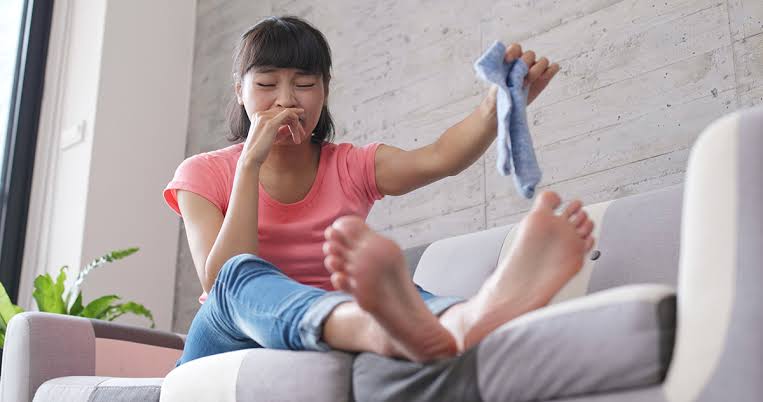
Socks made from polyester or nylon hold onto moisture instead of wicking it away. This keeps feet damp for longer periods.
Cotton or moisture-wicking socks help reduce the dampness that feeds odor-causing bacteria.
4. Hormonal Changes
Puberty, pregnancy, and menopause all increase sweat production due to hormonal shifts. This can lead to noticeably stronger foot odor during these periods.
Teenagers in particular often notice a sudden increase in foot odor as hormone levels change.
5. Hyperhidrosis
Hyperhidrosis is a medical condition that causes excessive sweating, often independent of heat or activity level. Feet are a common area affected by this condition.
People with hyperhidrosis usually need more targeted treatment than general hygiene changes alone.
6. Certain Medications
Some medications, including certain antidepressants and diabetes drugs, list increased sweating as a side effect. This can indirectly increase foot odor.
Anyone who notices a sudden odor change after starting a new medication should mention it to their doctor.
7. Diabetes-Related Changes
Diabetes can affect circulation and nerve function in the feet, sometimes contributing to odor or related complications. It is not a direct cause of smell on its own.
People with diabetes should monitor their feet closely for wounds, since reduced sensation can hide injuries.
8. Fungal Infections Like Athlete’s Foot
Fungal infections thrive in warm, damp environments between the toes. As the fungus breaks down skin and sweat, it produces a distinct, musty odor.
Unlike simple sweat odor, fungal infections often come with itching, peeling, or redness.
Sweat Odor vs Athlete’s Foot: How to Tell the Difference
Not all foot odor comes from the same source. Knowing the difference helps you choose the right treatment.
Sweaty feet without infection usually smell strong but the skin itself looks normal, without redness or peeling.
Athlete’s foot typically brings a more musty or acrid smell, along with itching, cracking, or scaly patches between the toes.
| Symptom | Sweaty Feet (Bromodosis) | Athlete’s Foot (Fungal) |
|---|---|---|
| Smell type | Sour, sweaty | Musty, acrid |
| Skin appearance | Normal | Red, white, scaly, or peeling |
| Itching | Rare | Common, often intense |
| Cracking or blisters | Rare | Common between toes |
| Responds to washing alone | Often yes | Usually no |
If washing thoroughly removes the smell entirely, it is likely just sweat and bacteria rather than a fungal infection.
A Simple Self-Check Table
Use this short checklist to get a general sense of which cause is more likely behind your foot odor.
| Question | If Yes, Points Toward |
|---|---|
| Does the smell disappear after a shower? | Sweat and bacteria |
| Is there itching between your toes? | Athlete’s foot |
| Is the skin peeling or cracked? | Athlete’s foot |
| Does it only happen in certain shoes? | Sweat and bacteria |
| Has an antifungal cream helped before? | Athlete’s foot |
This is a general guide only, not a diagnosis, and a doctor or podiatrist can confirm the exact cause.
Home Remedies That Actually Help
Most foot odor cases improve significantly with consistent daily habits rather than one-time fixes.
Washing your feet daily with soap, especially between the toes, removes the bacteria and dead skin that feed odor.
Drying feet completely after washing prevents the damp environment that bacteria and fungi both need to thrive.
Changing socks whenever they feel damp, not just once a day, keeps moisture levels consistently low.
Rotating between at least two pairs of shoes allows each pair a full day to dry out completely.
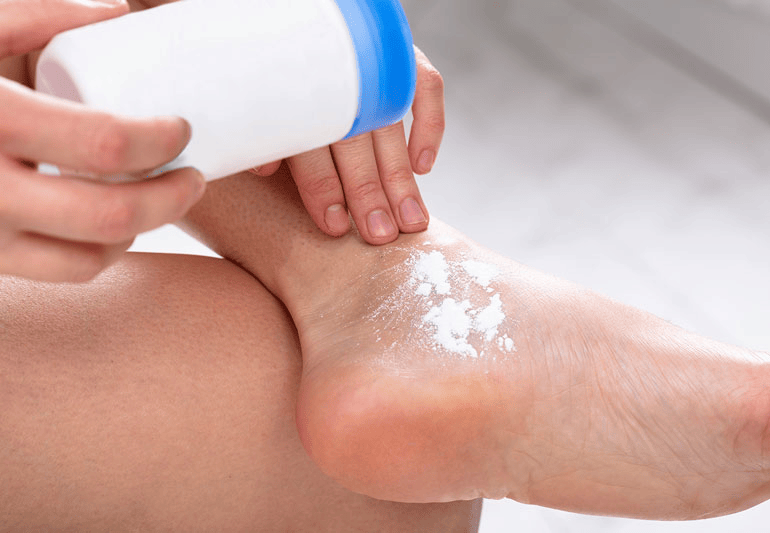
Using antibacterial or antifungal foot powder can help control both moisture and the organisms that cause odor.
Product Options Compared
Different products target different causes, so choosing the right one depends on whether bacteria or fungus is the main issue.
| Product Type | Best For | Key Ingredient Example |
|---|---|---|
| Odor-control spray | Sweat and bacterial odor | Zinc oxide, baking soda |
| Antifungal cream | Athlete’s foot | Terbinafine, clotrimazole |
| Antifungal powder | Prevention and mild infections | Tolnaftate, miconazole |
| Antiperspirant for feet | Excessive sweating | Aluminum chloride |
Combination products exist that address both bacterial odor and fungal prevention at the same time.
When to See a Doctor or Podiatrist
Most foot odor is manageable at home, but certain signs suggest it is time for professional care.
Persistent itching, cracking, or peeling skin that does not improve after two weeks of antifungal treatment should be checked by a doctor.
Sudden, unusually strong odor changes in people with diabetes deserve prompt medical attention due to circulation and nerve-related risks.
If odor continues even after thorough daily washing and dry shoes, an underlying medical cause like hyperhidrosis may be involved.
Prevention Checklist for Long-Term Odor Control
Consistency matters more than any single product when it comes to keeping foot odor away long term.
| Prevention Step | Why It Helps |
|---|---|
| Wash feet daily, including between toes | Removes bacteria and dead skin buildup |
| Dry feet completely before socks | Removes moisture bacteria and fungi need |
| Rotate shoes every other day | Lets shoes fully dry between wears |
| Choose breathable socks and shoes | Reduces trapped heat and moisture |
| Use antifungal powder in shared showers | Lowers risk of picking up fungal infections |
Following these steps daily, not just occasionally, produces the most noticeable long-term improvement.
Who Is More Likely to Experience Foot Odor
Some groups are statistically more prone to foot odor due to lifestyle or biological factors.
Athletes and people who exercise frequently sweat more and spend longer periods in closed athletic shoes.
Teenagers often notice a sudden increase in foot odor due to hormonal changes during puberty.
People who share gym showers or locker rooms have a higher risk of picking up fungal infections like athlete’s foot.
Quick Summary: Sweat vs Athlete’s Foot
This table condenses the key differences covered above into one fast reference.
| Category | Sweaty Feet | Athlete’s Foot |
|---|---|---|
| Cause | Bacteria feeding on sweat | Fungal infection |
| Smell | Sour, sweaty | Musty, acrid |
| Skin changes | None | Redness, peeling, cracking |
| Treatment | Hygiene, powders, sprays | Antifungal creams or sprays |
| Contagious | No | Yes |
Knowing which category fits your symptoms helps you pick the right treatment instead of guessing.
Frequently Asked Questions (FAQs)
1. Why do my feet smell even after washing them?
This often points to a fungal infection like athlete’s foot rather than simple sweat. Persistent smell after washing is a sign to consider antifungal treatment.
2. Is smelly feet a sign of a serious health problem?
Usually not, since most cases are simple bromodosis caused by sweat and bacteria. Persistent or sudden severe odor changes, especially with diabetes, deserve medical attention.
3. How can I tell if it’s athlete’s foot or just sweat?
Athlete’s foot usually causes itching, redness, or peeling skin, while sweaty feet smell but look normal. Antifungal cream that improves symptoms confirms a fungal cause.
4. Can changing my socks really reduce foot odor?
Yes, moisture-wicking or cotton socks keep feet drier than synthetic materials. Changing socks whenever they feel damp significantly reduces bacterial growth.
5. Why do teenagers’ feet smell more than adults?
Hormonal changes during puberty increase sweat production noticeably. This makes foot odor more common and more noticeable in teens.
6. Does foot odor mean I have poor hygiene?
Not necessarily, since some people naturally have bacteria that produce stronger odors. Genetics and shoe choice often matter as much as hygiene habits.
7. Can foot powder cure athlete’s foot?
Antifungal powders can help prevent and mildly treat athlete’s foot, but creams are usually more effective for active infections. Persistent cases need a targeted antifungal treatment plan.
8. Is foot odor contagious?
Simple sweat-related odor is not contagious, but athlete’s foot fungus can spread through shared showers or floors. Wearing sandals in public showers reduces this risk.
9. Why does foot odor get worse in summer?
Higher temperatures increase sweat production, and closed shoes trap that extra moisture. This creates ideal conditions for bacteria and fungi to grow faster.
10. When should I see a doctor about smelly feet?
See a doctor if odor persists despite good hygiene, or if you notice cracking, peeling, or persistent itching. Diabetics should seek care for any sudden or unusual foot changes.
Conclusion
Why do your feet smell usually comes down to one of two overlapping causes: sweat combined with bacteria, or a fungal infection like athlete’s foot.
Sweaty feet typically smell strong but look normal and respond well to washing, breathable socks, and rotating shoes.
Athlete’s foot, on the other hand, brings itching, redness, or peeling skin and usually needs an antifungal cream rather than hygiene changes alone.
Simple daily habits, including thorough drying, moisture-wicking socks, and shoe rotation, prevent most cases of ordinary foot odor from developing in the first place.
If odor persists despite consistent care, or if skin changes appear alongside the smell, a doctor or podiatrist can confirm the exact cause and recommend the right treatment. Identifying whether sweat or fungus is behind the smell is the fastest way to actually fix it for good.