Why No Caffeine After PRP? What You Need to Know 2026

If you’ve just booked a PRP appointment, you’ve probably been told one strange thing: skip your coffee. Why no caffeine after PRP is one of the most common questions patients ask before and after treatment.
The short answer involves platelets, blood flow, and healing chemistry. This guide breaks down exactly what’s happening in your body and how long you actually need to wait.
Why No Caffeine After PRP?

Caffeine can interfere with platelet activation, narrow blood vessels, and dehydrate the body. All three effects work against what PRP is trying to do.
Most providers recommend avoiding caffeine for roughly 24 to 72 hours before treatment and 3 to 7 days after, depending on the procedure and provider guidance.
What Is PRP Therapy?
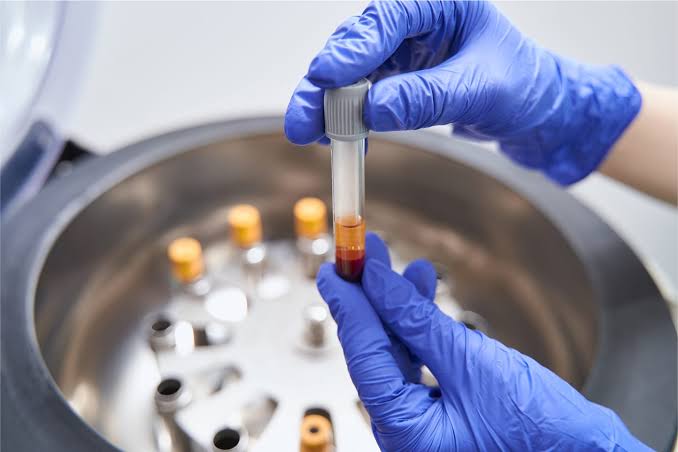
PRP stands for platelet-rich plasma. A small blood sample is drawn, then spun in a centrifuge to separate and concentrate the platelets.
That concentrated plasma is then injected back into the treatment area, whether that’s the scalp, face, joints, or another target site.
Why No Caffeine After PRP: The Core Reasons
There are three main mechanisms doctors point to when explaining why caffeine and PRP don’t mix well.
Platelet Activation and Aggregation
PRP depends entirely on platelets releasing growth factors at the treatment site. Caffeine and coffee compounds have been shown to reduce platelet activation and aggregation.
Weaker platelet activity can mean weaker growth factor release, which is the whole point of the treatment.
Blood Vessel Constriction
Caffeine is a vasoconstrictor, meaning it narrows blood vessels. Narrower vessels can reduce blood flow to the treated area.
Less blood flow can slow down how efficiently healing cells and growth factors reach the tissue that needs repair.
Dehydration
Caffeine has a mild diuretic effect. Dehydration isn’t ideal during any healing process, including PRP recovery.
Proper hydration supports circulation, which directly supports how well PRP can do its job.
What Does the Research Actually Say?
It’s worth being upfront here: there are no large clinical trials proving caffeine directly ruins PRP results.
Some coffee-specific research has found that coffee inhibits platelet aggregation, an effect linked more to phenolic compounds in coffee than to caffeine alone. Providers apply this cautiously, using it as a reason to recommend avoidance rather than a proven guarantee of harm.
How Long Should You Avoid Caffeine After PRP?

Timelines vary by clinic and by the type of PRP procedure.
| Timing | Common Recommendation |
|---|---|
| Before treatment | 24-72 hours |
| After treatment (general) | 48-72 hours |
| After treatment (hair restoration/aesthetic) | 3-5 days |
| Full recovery window some providers use | Up to 7 days |
Always confirm the exact window with the provider who performed your treatment. Protocols differ between clinics.
Does Decaf Count?
Decaf still contains trace caffeine and phenolic compounds that may mildly affect platelets. Most providers recommend skipping decaf coffee too, just to be safe.
What About Tea?
Black tea, green tea, and oolong tea all contain caffeine and are generally treated the same as coffee during the avoidance window.
Caffeine-free herbal teas, like chamomile or rooibos, are typically fine.
Other Substances to Avoid After PRP
Caffeine isn’t the only thing on the post-treatment list.
- Alcohol – increases bleeding risk, dehydration, and inflammation
- NSAIDs (ibuprofen, aspirin) – can blunt the inflammatory response PRP relies on
- High-dose fish oil, garlic, or turmeric supplements – act as natural blood thinners
- Smoking – restricts blood flow and slows healing
- Strenuous exercise – can stress the treatment area during early recovery
What You Can Do Instead
- Drink plenty of water to support hydration and circulation
- Choose caffeine-free herbal teas if you want something warm
- Eat anti-inflammatory foods like leafy greens, berries, and lean protein
- Follow your provider’s specific aftercare sheet closely
Comparison: Caffeine’s Effects vs. What PRP Needs
| Factor | Caffeine’s Effect | What PRP Needs |
|---|---|---|
| Platelet activation | Can reduce it | Strong activation for growth factor release |
| Blood vessels | Constricts them | Open blood flow to the treatment site |
| Hydration | Mild diuretic effect | Well-hydrated tissue for healing |
Mistakes to Avoid
- Assuming decaf is a safe workaround
- Resuming caffeine early because symptoms feel fine
- Skipping the pre-treatment caffeine break, not just the post-treatment one
- Ignoring provider-specific timing in favor of generic online advice
Expert Tip
If you’re a heavy daily coffee drinker, start tapering intake a few days before your appointment instead of quitting cold turkey right before treatment. It makes the abstinence period noticeably easier to manage.
Frequently Asked Questions (FAQs)
Why is caffeine avoided after PRP?
Caffeine can reduce platelet activation, narrow blood vessels, and mildly dehydrate the body, all of which can interfere with PRP’s healing process.
How long after PRP can I drink coffee?
Most providers recommend waiting 48 hours to 7 days, depending on the treatment type and their specific protocol.
Can I drink decaf coffee after PRP?
Decaf still contains trace caffeine and compounds that may affect platelets, so most providers suggest avoiding it too.
Is caffeine avoidance backed by clinical studies?
No large clinical trials directly prove caffeine harms PRP results, but platelet research and general healing science support the precaution.
Can I drink tea instead of coffee after PRP?
Caffeinated teas like black or green tea are usually avoided too. Caffeine-free herbal teas are generally fine.
Do I need to avoid caffeine before PRP as well?
Yes, many providers recommend avoiding caffeine for 24 to 72 hours before treatment as well.
What happens if I accidentally drink coffee after PRP?
One slip isn’t likely to ruin your results, but it’s best to contact your provider if you’re concerned and get back on track for the rest of the recovery window.
Does caffeine affect all types of PRP the same way?
The general mechanism is the same, but recommended timing can vary between hair restoration, facial PRP, and joint injections.
Why does caffeine constrict blood vessels?
Caffeine stimulates the nervous system in a way that narrows blood vessels, which is part of why it makes people feel more alert.
Can I take pain medication instead of caffeine to feel more alert?
Pain medication and caffeine serve different purposes. NSAIDs specifically should also be avoided after PRP unless your provider says otherwise.
Is alcohol also restricted after PRP?
Yes, alcohol is typically restricted for a few days after treatment due to its effects on bleeding risk and hydration.
What foods help PRP recovery?
Anti-inflammatory, nutrient-dense foods like leafy greens, berries, and lean protein are commonly recommended.
Should I taper caffeine before my appointment?
Tapering a few days beforehand is often easier than stopping abruptly right before treatment.
Does energy drink caffeine count the same as coffee?
Yes, caffeine from energy drinks, soda, and supplements is generally treated the same as coffee during the avoidance period.
Who should I ask about my exact caffeine timeline?
Your treating provider, since protocols and recommended windows vary by clinic and procedure type.
Conclusion
Why no caffeine after PRP comes down to protecting platelet function, blood flow, and hydration, the three things PRP depends on to work well. The restriction is usually short, typically a matter of days, and easy to plan around once you know the reasoning behind it.
When in doubt, follow the specific aftercare instructions from the provider who performed your treatment, since timelines can vary by clinic and procedure type.