Why Is My Knee So Tight After Meniscus Surgery? Tips 2026
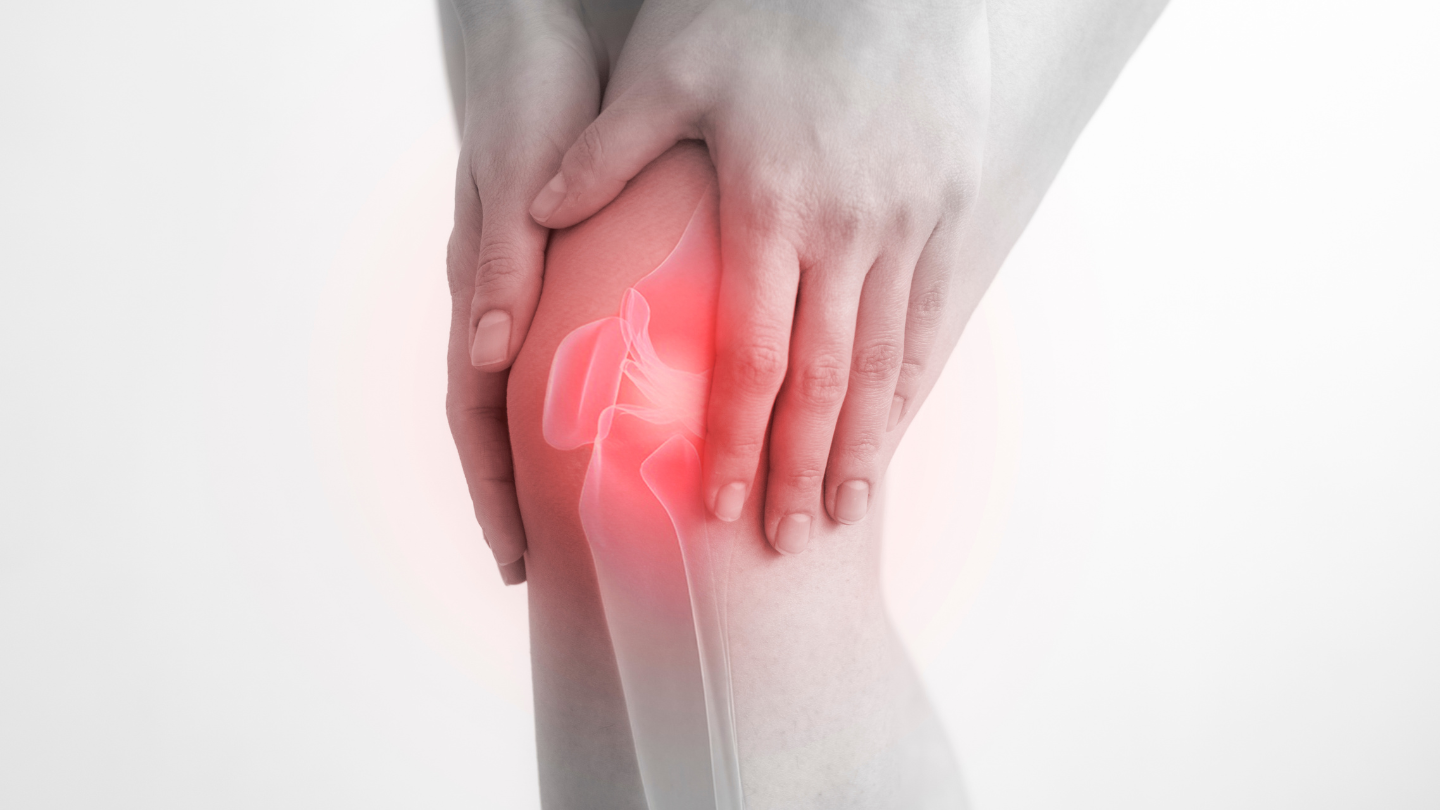
Why Is My Knee So Tight After Meniscus Surgery? Feeling like your knee is wrapped in a stiff band after meniscus surgery is one of the most common recovery complaints. It can feel worrying, especially if you expected to be moving more freely by now.
In most cases, this tightness is a normal part of healing rather than a sign something went wrong. Swelling, scar tissue, and protective muscle guarding are the usual culprits.
Why Is My Knee So Tight After Meniscus Surgery?
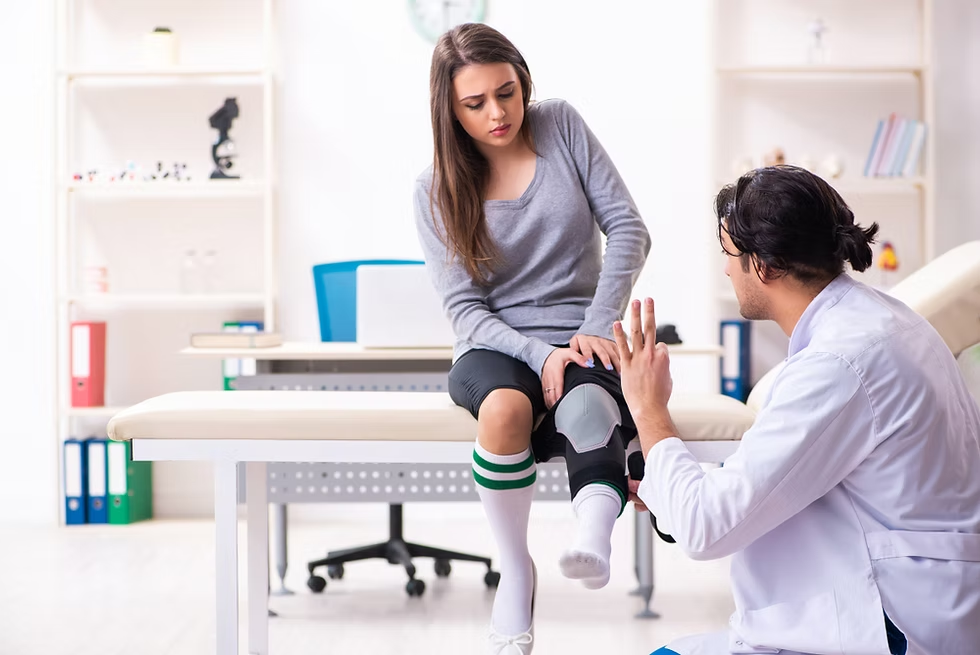
Knee tightness after meniscus surgery is usually caused by post-surgical swelling, scar tissue formation, and temporary muscle guarding around the joint. These are normal parts of the healing process, especially in the first several weeks.
Tightness becomes concerning if it worsens over time, comes with significant redness or fever, or doesn’t respond at all to physical therapy. That combination is worth a call to your surgeon.
Common Causes of Knee Tightness After Meniscus Surgery
Several overlapping factors can make your knee feel stiff during recovery. Most resolve gradually as healing progresses.
Swelling and Fluid Buildup
After surgery, your body sends fluid to the area to support healing. This fluid buildup, known as edema, can make the knee look puffy and feel tight from the inside.
Swelling often lingers for several weeks and can take longer to fully resolve depending on the extent of the surgery. This is one of the most common and expected causes of early tightness.
Scar Tissue Formation
As the surgical site heals, scar tissue naturally forms around the area. While necessary for healing, excess scar tissue can restrict how smoothly the joint moves.
Physical therapy plays a key role in gently breaking down restrictive scar tissue over time. Without consistent movement, this tissue can tighten further and slow your progress.
Protective Muscle Guarding
The hamstrings and calf muscles around the knee often stay in a low-grade guarded state after surgery. This is a neurological protective response, not simply tight muscle tissue.
Because it’s driven by the nervous system, stretching alone often won’t release this tightness. It typically eases as the joint feels safer and rehabilitation progresses.
Reduced Movement During Early Recovery
Limited activity in the first days and weeks after surgery allows surrounding tissues to stiffen. The less the joint moves, the tighter it tends to feel.
This is part of why structured physical therapy starts relatively early, once initial swelling and pain are under control.
Joint Surface Irritation
Meniscus tears often occur in knees that already have some cartilage wear. Once the meniscus is repaired or trimmed, the joint surfaces themselves can become irritated.
This irritation frequently shows up as morning stiffness or tightness after sitting for a while, easing somewhat with gentle movement.
Less Common Causes
In some cases, tightness may point to something beyond normal healing. These situations are less frequent but worth being aware of.
- Inadequate or inconsistent rehabilitation
- A failed repair or retained fragment of meniscus tissue
- Arthrofibrosis, an excessive buildup of scar tissue restricting motion
- Infection or another complication requiring medical evaluation
Meniscus Repair vs Meniscectomy: Recovery Differences
The type of surgery you had significantly affects your expected stiffness timeline.
| Factor | Partial Meniscectomy | Meniscus Repair |
|---|---|---|
| What’s done | Damaged tissue trimmed away | Torn tissue stitched back together |
| Early recovery speed | Faster, often walking within days | Slower, more protected weight-bearing |
| Typical stiffness timeline | Improves noticeably within 4–6 weeks | May persist longer during tissue healing |
| Activity restrictions | Fewer early restrictions | Stricter limits to protect the repair |
| Long-term joint impact | Remaining cartilage bears more stress | Preserves more natural joint mechanics |
What’s Normal vs What’s Not
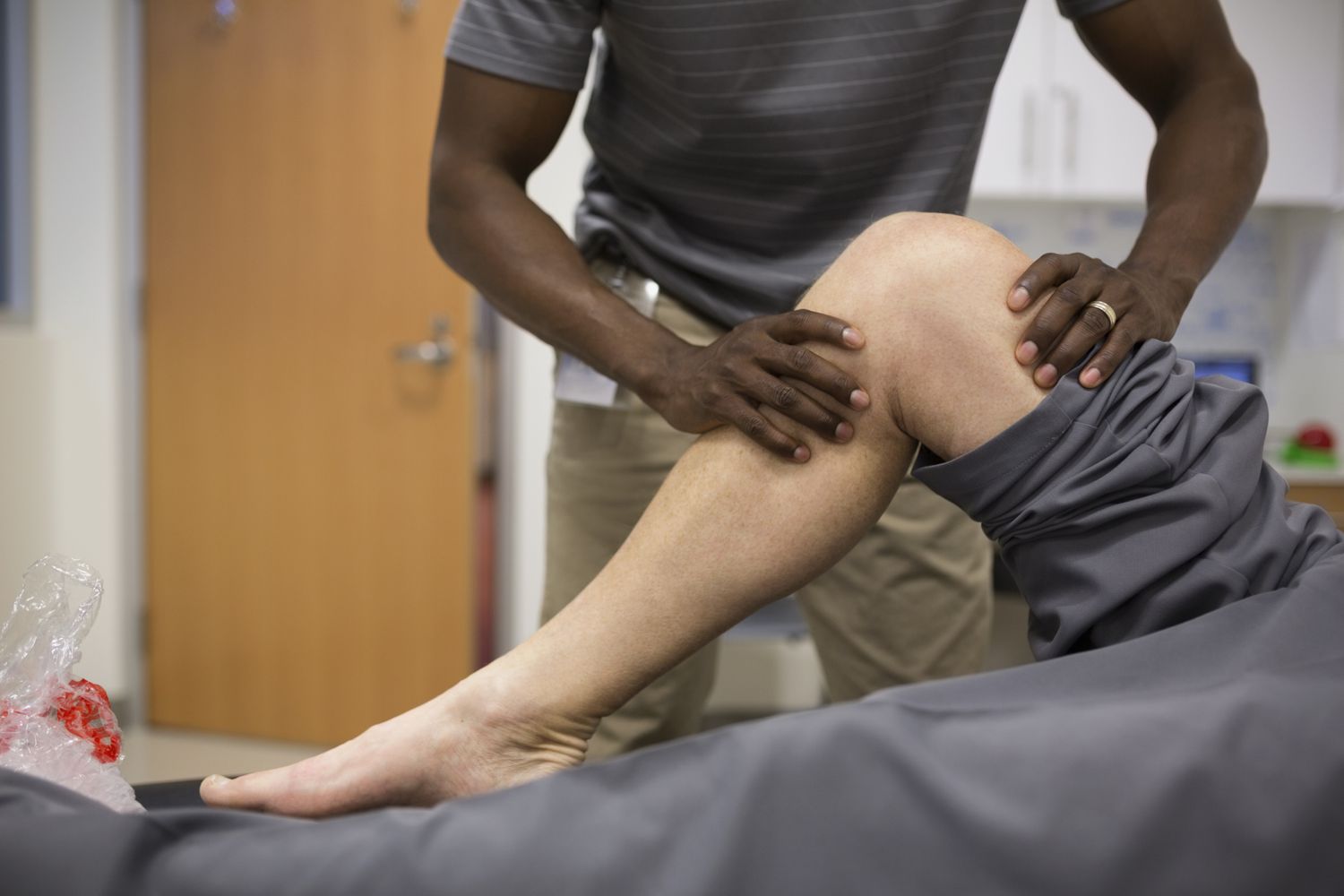
Understanding the difference between expected stiffness and a warning sign helps you recover with more confidence.
- Normal: Gradual improvement in range of motion week over week
- Normal: Morning stiffness or tightness after sitting that eases with movement
- Not normal: Stiffness that steadily worsens instead of improving
- Not normal: Significant redness, warmth, or fever around the knee
- Not normal: Severe pain that isn’t controlled by your prescribed recovery plan
When to Call Your Doctor
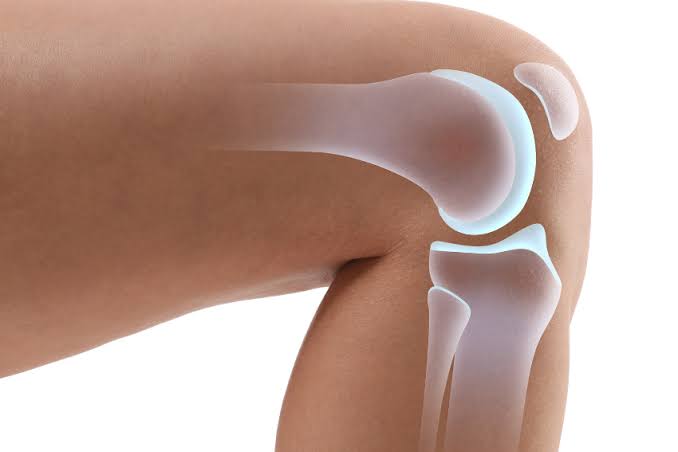
Most tightness resolves with time and consistent rehabilitation. Certain signs mean it’s time to reach out to your surgical team.
- Stiffness that worsens rather than gradually improves
- Fever, redness, or warmth around the incision site
- Severe or escalating pain unrelieved by your recovery plan
- Sudden swelling or a locking sensation in the joint
- Calf pain, swelling, or tenderness, which can signal a blood clot
How to Manage Knee Tightness During Recovery
A consistent, guided approach makes the biggest difference in reducing stiffness over time.
- Follow your physical therapy program consistently, even on days it feels tedious
- Use ice and elevation as directed to manage swelling
- Perform prescribed range-of-motion exercises daily, not just during PT sessions
- Avoid prolonged sitting without gentle movement breaks
- Communicate openly with your surgeon or therapist about slow progress
Mistakes to Avoid During Recovery
A few habits can unintentionally slow down your progress or worsen tightness.
- Skipping physical therapy sessions once early pain improves
- Pushing through sharp pain instead of reporting it
- Staying inactive for long stretches out of fear of reinjury
- Assuming all stiffness will resolve without structured rehabilitation
- Ignoring signs like fever or worsening swelling
Frequently Asked Questions (FAQs)
Is it normal for my knee to feel tight weeks after meniscus surgery?
Yes, tightness lasting several weeks is common, especially due to swelling and scar tissue formation.
How long does knee stiffness last after meniscus surgery?
It varies, but many patients see noticeable improvement within 4–6 weeks, though full recovery can take longer.
Why does my knee feel tighter in the morning?
Joint surface irritation and reduced overnight movement often cause stiffness that eases once you start moving.
Can scar tissue really cause knee tightness?
Yes, scar tissue forming around the surgical site can restrict smooth joint movement until it’s addressed through therapy.
Is a tight knee different after meniscus repair versus meniscectomy?
Yes, repairs generally involve a slower, more protected recovery, which can extend the tightness timeline compared to a meniscectomy.
When should I be worried about knee stiffness after surgery?
Worsening stiffness, fever, redness, or unmanaged pain are signs that warrant contacting your surgeon.
Does physical therapy help with post-surgical knee tightness?
Yes, consistent physical therapy is one of the most effective ways to reduce stiffness and restore range of motion.
Can muscle guarding cause knee tightness even if I stretch?
Yes, protective muscle guarding is a nervous system response and often doesn’t respond to stretching alone.
What is arthrofibrosis?
It’s an excessive buildup of scar tissue in the joint that can significantly restrict knee movement.
Can a failed meniscus repair cause ongoing tightness?
Yes, if the repair doesn’t hold or tissue remains damaged, it can contribute to persistent knee tightness.
Should I keep exercising if my knee feels tight?
Yes, gentle prescribed movement generally helps, but sharp or worsening pain should be reported to your provider.
Can swelling alone explain knee tightness after surgery?
Yes, fluid buildup from the body’s healing response is one of the most common causes of early post-surgical tightness.
Is knee tightness a sign of infection?
It can be, especially if paired with redness, warmth, or fever, which should be evaluated promptly.
Does the type of meniscus tear affect recovery tightness?
Yes, the extent and location of the tear can influence how much tissue is affected and how long recovery takes.
Can calf pain after knee surgery be serious?
Yes, calf pain or swelling can indicate a blood clot and should be evaluated by a medical professional right away.
Will my knee ever feel completely normal after meniscus surgery?
Many patients regain comfortable function, though some may notice occasional stiffness or soreness long-term depending on the extent of surgery.
Can osteoarthritis affect knee tightness after surgery?
Yes, existing joint wear can contribute to ongoing stiffness independent of the surgical recovery itself.
Is it okay to ice my knee if it feels tight?
Yes, ice is commonly recommended to help manage swelling, but follow your provider’s specific instructions.
How do I know if my rehab plan isn’t working?
If stiffness isn’t gradually improving despite consistent therapy, discuss adjusting your plan with your surgeon or therapist.
Can sitting too long make knee tightness worse?
Yes, prolonged sitting without movement breaks can contribute to increased stiffness during recovery.
Conclusion
Knee tightness after meniscus surgery is usually the result of swelling, scar tissue, and protective muscle guarding, all normal parts of healing. Consistent physical therapy plays a major role in resolving this stiffness over time.
Recovery timelines vary based on the type of surgery you had and how consistently you follow your rehabilitation plan, so patience paired with steady effort tends to produce the best results.