Why Is My Car Shaking When I Stop? Causes & Fixes 2026

Why is my car shaking when I stop is one of the most common concerns drivers search for the moment they feel unexpected vibration through the seat, pedal, or steering wheel.
This shaking usually points to a specific mechanical issue, ranging from worn brake rotors and failing engine mounts to misfiring cylinders or clogged fuel injectors.
In some cases, the cause is simple and inexpensive, like a tire alignment issue, while in others it may signal a more serious mechanical problem needing prompt attention.
Understanding where the shaking comes from, and what it feels like, can help you and your mechanic pinpoint the issue faster.
Why Is My Car Shaking When I Stop?

Vehicles are engineered to run smoothly, so any noticeable shaking usually points to a specific component that is not functioning correctly.
The shaking can originate from several different systems, including the brakes, engine, transmission, or tires, each producing a slightly different sensation.
Identifying exactly where you feel the shaking, such as through the brake pedal, steering wheel, or entire vehicle, is the first step toward proper diagnosis.
Common Causes At A Glance
Before exploring each cause in detail, here is a quick table summarizing the most frequent reasons a car shakes when coming to a stop.
| Cause | System Affected |
|---|---|
| Worn or Warped Brake Rotors | Braking System |
| Worn Brake Pads or Sticking Caliper | Braking System |
| Worn or Broken Engine Mounts | Engine |
| Engine Misfire | Engine, Ignition |
| Clogged Fuel Injectors or Filter | Fuel System |
| Vacuum Leak | Engine |
| Tire Alignment or Wear Issues | Tires, Suspension |
| Worn Transmission Mounts | Transmission |
| Dirty Air Filter | Engine, Intake |
| Accessory Load Strain | Engine |
Each of these causes has a distinct pattern, which is why paying attention to when and how the shaking happens matters.
Worn Or Warped Brake Rotors
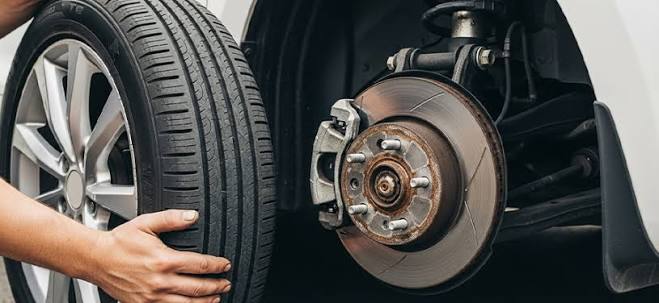
Brake rotors can become warped or unevenly worn over time due to excessive heat buildup or exposure to water while still hot from driving.
When rotors are uneven, brake pads clamp down inconsistently, creating a pulsing or shaking sensation felt through the brake pedal as you slow down.
This is one of the most common causes of shaking specifically while braking or coming to a stop, rather than while driving at a steady speed.
Worn Brake Pads Or Sticking Calipers
Brake pads that wear unevenly, or calipers that stick and fail to release properly, can also cause noticeable vibration during braking.
This issue often develops gradually, meaning the shaking may start subtly and worsen over time as the components continue to degrade.
Replacing brake pads and servicing or replacing calipers is typically required to fully resolve this type of shaking issue.
Worn Or Broken Engine Mounts
Engine mounts are designed to hold the engine securely in place while absorbing normal vibrations produced during operation.
When mounts become worn, cracked, or broken, the engine can shift slightly within the engine bay, causing noticeable shaking, especially while idling or stopped.
This issue often becomes more apparent at a stop, since the vehicle is not moving to help mask the vibration coming from the engine itself.
Engine Misfire
An engine misfire happens when one or more cylinders fail to fire correctly, leading to uneven combustion and noticeable shaking throughout the vehicle.
Common causes of misfires include worn spark plugs, faulty ignition coils, or wiring issues affecting the ignition system’s timing and consistency.
Misfires can also negatively affect fuel economy and emissions, making prompt diagnosis important beyond just resolving the shaking sensation alone.
Clogged Fuel Injectors Or Fuel Filter

Over time, deposits can build up inside fuel injectors, disrupting the spray pattern and leading to inconsistent fuel delivery to the engine.
A clogged fuel filter can similarly restrict fuel flow, causing rough idling and noticeable shaking, particularly when the vehicle is stopped or idling.
Fuel system cleaning or replacement of the affected components is generally required to resolve shaking caused by this issue.
Vacuum Leaks
Vehicles rely on a network of vacuum lines connected throughout the engine to help manage various functions and expel exhaust gases properly.
A leaking or disconnected vacuum hose can cause the engine to run lean, meaning too much air and not enough fuel, resulting in rough, shaky idling.
Locating and repairing the specific leaking hose is usually necessary to fully resolve this type of shaking issue.
Tire Alignment And Wear Issues
Improperly aligned or unevenly worn tires can cause noticeable vibration, especially when slowing down from higher speeds toward a stop.
This happens because misaligned tires may point in slightly different directions, creating uneven contact with the road surface during deceleration.
A professional tire alignment and rotation service is typically an affordable and effective fix for this particular cause of shaking.
Worn Transmission Mounts
Similar to engine mounts, transmission mounts help secure the transmission in place while absorbing vibrations during normal vehicle operation.
When these mounts wear out or break, the transmission can shift slightly, contributing to noticeable shaking, particularly when the vehicle is stopped or shifting gears.
Replacing damaged transmission mounts is usually necessary to eliminate this specific source of vibration.
Dirty Air Filter
A dirty or clogged air filter restricts proper airflow into the engine, disrupting the ideal air-to-fuel ratio needed for smooth combustion.
This restriction can lead to rough idling and shaking, especially noticeable when the vehicle is stopped rather than actively being driven.
Replacing the air filter is a simple, low-cost maintenance task that can often resolve this specific cause of shaking.
Accessory Load Strain
Running multiple accessories at once, such as air conditioning, headlights, and defrosters, places additional strain on the engine while idling.
If the engine is already weak or poorly tuned, this extra load can cause noticeable shaking, particularly when the vehicle is stopped at a light.
Addressing any underlying engine tuning issues generally reduces the impact of accessory load on shaking at idle.
How To Identify Which System Is Causing The Shaking
Paying attention to specific details about the shaking can help you and your mechanic narrow down the likely cause more efficiently.
| Where You Feel It | Likely System |
|---|---|
| Brake Pedal Pulsing | Brakes (Rotors, Pads, Calipers) |
| Steering Wheel Shaking | Tires, Alignment, or Front Brakes |
| Entire Vehicle at Idle | Engine Mounts, Misfire, or Fuel System |
| Vibration Only While Braking | Brake System Components |
| Vibration Only While Stopped, Not Moving | Engine or Transmission Mounts |
This simple reference table can help you describe your symptoms more clearly during a repair shop visit.
Shaking While Braking Versus Shaking While Idling
It is important to distinguish between shaking that happens specifically while braking and shaking that occurs while the car is simply idling at a stop.
Shaking while actively braking usually points toward brake system components like rotors, pads, or calipers needing attention.
Shaking while idling, without pressing the brake pedal, more often points toward engine, mount, or fuel system issues instead.
Diagnostic Table By Symptom
A more detailed breakdown can help further narrow down potential causes based on additional symptoms you may notice.
| Additional Symptom | Possible Cause |
|---|---|
| Shaking Worsens With Speed | Tire Balance or Alignment |
| Shaking Only When Pressing Brake | Warped Rotors |
| Rough Idle With Check Engine Light | Misfire or Fuel System Issue |
| Shaking With Unusual Engine Noise | Engine Mounts or Vacuum Leak |
| Shaking Increases With AC or Lights On | Accessory Load or Weak Engine Tune |
Sharing these specific details with your mechanic can significantly speed up the diagnostic process.
How Mechanics Diagnose The Exact Cause
Mechanics typically begin with a visual inspection, checking components like engine mounts, brake rotors, and visible hoses for obvious wear or damage.
Diagnostic tools can also read engine codes related to misfires or fuel system issues, helping narrow down less visible causes more precisely.
In some cases, a test drive alongside careful observation of when and how the shaking occurs is necessary to reach a final diagnosis.
Estimated Repair Costs By Cause
Repair costs vary significantly depending on the underlying cause, which is helpful to understand before visiting a repair shop.
| Cause | General Repair Cost Range |
|---|---|
| Brake Pad Replacement | Low to Moderate |
| Rotor Replacement | Moderate |
| Engine Mount Replacement | Moderate to High |
| Spark Plug or Ignition Coil Replacement | Low to Moderate |
| Fuel Injector Cleaning | Low to Moderate |
| Vacuum Hose Repair | Low |
| Tire Alignment | Low |
| Transmission Mount Replacement | Moderate to High |
Exact costs vary by vehicle make, model, and location, so getting a specific quote from a trusted mechanic is always recommended.
Is It Safe To Keep Driving With A Shaking Car
Whether it is safe to keep driving depends heavily on the underlying cause and how severe the shaking has become over time.
Mild shaking from something like a dirty air filter is generally low-risk short term, though it should still be addressed to prevent further issues.
More serious causes, like worn brake components or significant engine mount damage, can affect safety and should be addressed as soon as possible.
When To Seek Immediate Mechanical Attention
Certain signs suggest you should avoid driving further and seek immediate mechanical attention rather than waiting for a scheduled appointment.
These include severe shaking accompanied by unusual noises, a burning smell, reduced braking effectiveness, or a noticeably weaker overall response from the vehicle.
If you notice any of these warning signs, it is safer to have the vehicle towed or inspected promptly rather than continuing to drive.
Preventive Maintenance To Avoid Future Shaking
Regular maintenance plays a significant role in preventing many of the common causes behind car shaking when stopped or idling.
Routine brake inspections, tire rotations and alignments, and scheduled engine tune-ups can catch small issues before they develop into more noticeable vibration problems.
Following your vehicle’s recommended maintenance schedule is one of the most effective ways to avoid unexpected shaking down the road.
DIY Checks Before Visiting A Mechanic
While most repairs require professional tools, a few basic checks can help you gather useful information before your appointment.
Visually inspecting tires for uneven wear, checking for obvious fluid leaks under the vehicle, and noting exactly when the shaking occurs can all be helpful.
Avoid attempting more complex repairs yourself, such as brake or engine mount replacement, unless you have proper training and equipment.
Common Mistakes Drivers Make
Ignoring shaking because it seems minor is one of the most common mistakes, since small issues often worsen and become more expensive to repair over time.
Assuming the cause without proper diagnosis can also lead to unnecessary repairs that do not actually address the real underlying issue.
Delaying brake-related repairs specifically can be particularly risky, since braking performance directly affects overall vehicle safety.
Shaking In Automatic Versus Manual Transmission Vehicles
Automatic and manual transmission vehicles can both experience shaking when stopped, though the specific causes sometimes differ slightly between them.
Automatic vehicles may shake more noticeably when shifting into gear if transmission mounts are worn, since the torque converter engages differently than a manual clutch.
Manual vehicles may show shaking related to clutch engagement issues alongside the same engine and brake-related causes common to both transmission types.
Front Wheel Drive Versus Rear Wheel Drive Considerations
Drivetrain layout can also influence where shaking is most noticeably felt, since engine and transmission placement differs between vehicle types.
Front-wheel drive vehicles often transmit engine-related shaking more directly through the steering wheel and front seats due to their layout.
Rear-wheel drive vehicles may show more noticeable shaking through the floor or seats, depending on where the transmission and mounts are positioned.
How Weather And Temperature Affect Shaking
Cold weather can sometimes make certain causes of shaking more noticeable, since engines and fluids behave differently at lower temperatures during startup and idle.
A cold engine may idle roughly for the first few minutes before warming up, which can sometimes be mistaken for a more serious mechanical issue.
If shaking specifically improves as the engine warms up, this may point toward a less urgent, temperature-related cause rather than a persistent mechanical fault.
The Role Of Regular Vehicle Inspections
Routine inspections at recommended service intervals often catch early signs of wear in brakes, mounts, and other components before shaking becomes noticeable.
Many repair shops offer multi-point inspections that specifically check for early warning signs related to the most common causes of shaking discussed in this guide.
Staying proactive with these inspections can help you avoid sudden, unexpected shaking issues and catch problems while repairs remain simple and affordable.
Why Ignoring Shaking Can Lead To Bigger Problems
Small vibrations left unaddressed can sometimes accelerate wear on surrounding components, turning a minor, inexpensive fix into a more significant repair over time.
For example, ignoring warped rotors can eventually affect brake pads and calipers, while ignoring a minor misfire can potentially damage the catalytic converter over time.
Addressing shaking early, even when it seems minor, generally protects both your wallet and your vehicle’s long-term reliability.
Choosing The Right Mechanic For Diagnosis
Selecting a mechanic experienced with your vehicle’s make and model can make a meaningful difference in accurately diagnosing the cause of shaking.
Look for shops that use proper diagnostic equipment and are willing to clearly explain their findings, rather than jumping straight to part replacement without explanation.
Getting a second opinion for larger repairs, such as engine or transmission mount replacement, is also a reasonable step if you want added confidence in the diagnosis.
Key Takeaways Before The FAQs
Car shaking when stopped can stem from a wide range of causes, spanning the brake system, engine, fuel system, tires, and transmission mounts.
Paying attention to exactly when and how the shaking occurs helps significantly narrow down the likely cause before visiting a mechanic.
Addressing shaking promptly, rather than ignoring it, generally leads to simpler, less costly repairs and helps maintain overall vehicle safety.
Talking To Your Mechanic About Shaking
Providing specific details helps your mechanic diagnose the issue faster and more accurately during your visit.
Mention exactly when the shaking happens, such as while braking, idling, or shifting gears, along with any additional symptoms like noise or dashboard warning lights.
Sharing whether the shaking has gotten worse over time, and under what conditions it feels strongest, gives your mechanic valuable context for an efficient diagnosis.
A Final Note On Vehicle Vibration
Not all vibration feels the same, and learning to describe it accurately, whether it’s a subtle pulse or an intense shake, helps speed up diagnosis considerably.
Keeping a simple mental note, or even a phone note, of when the shaking started and how it has changed over time can be genuinely useful during your next service visit.
Staying attentive to these small details ultimately helps protect both your vehicle’s performance and your overall safety on the road.
Frequently Asked Questions (FAQs)
Why does my car shake only when I press the brake pedal?
This typically indicates warped or unevenly worn brake rotors. A mechanic can inspect and resurface or replace them.
Why does my car shake while idling at a red light?
This is often caused by worn engine mounts, a misfire, or fuel system issues affecting smooth idle operation.
Can bad tires cause my car to shake when stopping?
Yes, misaligned or unevenly worn tires can cause vibration, especially when slowing down from higher speeds.
Is it dangerous to drive with a shaking car?
It depends on the cause. Brake-related shaking should be addressed quickly, while minor causes are lower risk short term.
How much does it cost to fix a shaking car?
Costs vary widely, from low-cost fixes like air filters to higher costs for engine or transmission mount replacement.
Can a dirty air filter cause shaking at a stop?
Yes, a clogged air filter disrupts airflow, which can lead to rough idling and noticeable shaking.
Why does my car shake more with the AC on?
Extra accessory load can strain a weak or poorly tuned engine, increasing shaking while idling.
Does an engine misfire always trigger the check engine light?
Often, but not always. Some misfires are subtle enough to go unnoticed by the vehicle’s diagnostic system initially.
How do I know if it’s the engine mounts or the transmission mounts?
A mechanic can visually inspect both, though shaking felt more during gear engagement often points to transmission mounts.
Should I get a diagnosis before replacing parts myself?
Yes, proper diagnosis prevents unnecessary repairs and ensures the actual root cause of the shaking is addressed.
Conclusion
A car shaking when you stop is rarely something to ignore, since it almost always points to a specific, identifiable mechanical issue somewhere in the braking, engine, fuel, or transmission systems, and pinpointing that source early makes the entire repair process simpler.
In many cases, the fix is relatively simple and affordable, such as a tire alignment, air filter replacement, or brake pad service, while other cases involving engine mounts or misfires may require more involved repairs.
Paying close attention to exactly when and how the shaking happens, whether during braking, idling, or gear changes, gives both you and your mechanic valuable clues for an accurate diagnosis.
Addressing the issue early not only helps avoid more expensive repairs down the line but also plays an important role in maintaining your vehicle’s overall safety and reliability.
If shaking persists or worsens, scheduling a professional inspection remains the safest and most effective way to get back to a smooth, confident ride.