Why Does Tooth Pain Come and Go? Causes & Fixes 2026
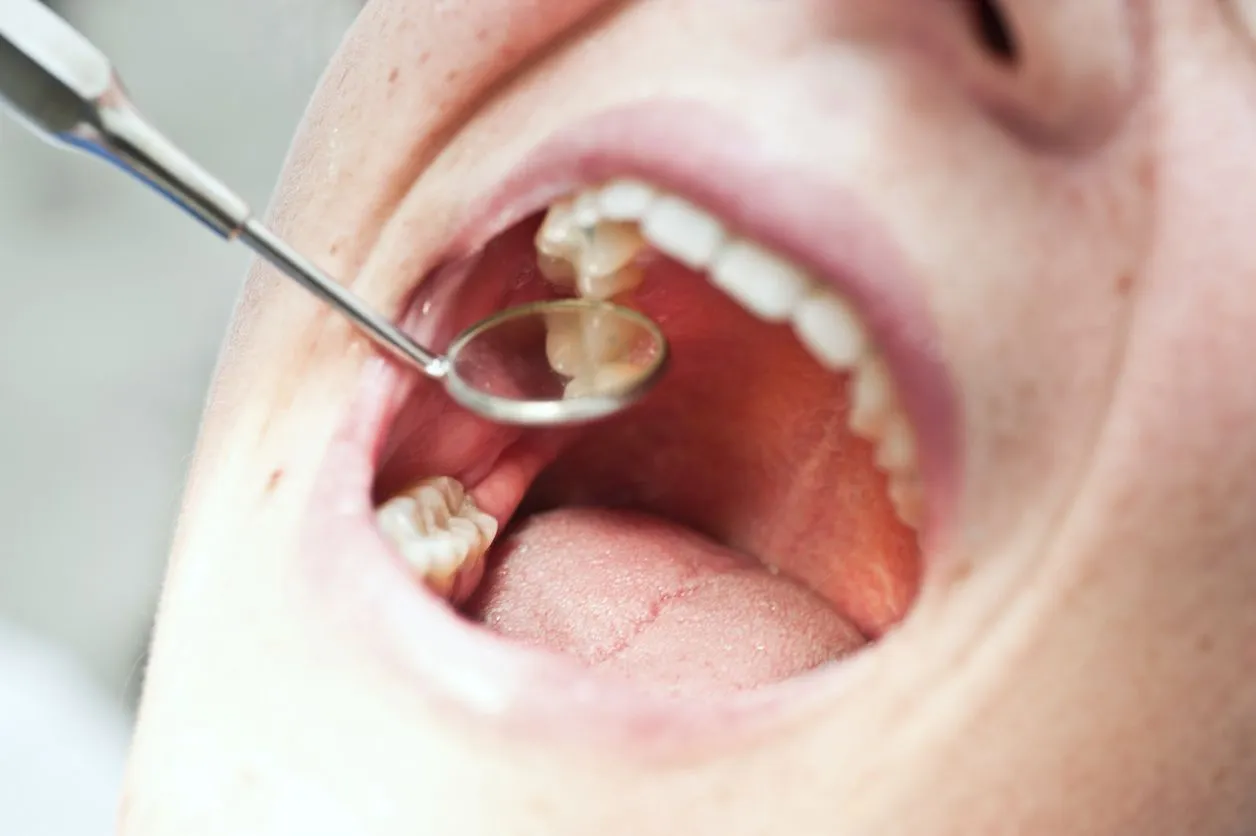
Why does tooth pain come and go instead of staying constant, and does that mean the problem is fixing itself? It is a question that confuses a lot of people, especially when the ache disappears just as quickly as it started.
The truth is that fading pain rarely means the underlying issue has resolved. In this guide, you will learn the most common reasons tooth pain fluctuates, what each pattern might mean, and when it is time to stop waiting and see a dentist.
Many people delay care simply because the pain is not constant, assuming it will eventually stop for good. Understanding what is actually happening inside the tooth can help you make a more informed decision about when to act.
Why Does Tooth Pain Come and Go?

Tooth pain comes and goes because inflammation, pressure, and nerve irritation inside the tooth change over time rather than staying constant. Triggers like temperature, chewing, or lying down can cause pain to spike and then fade.
Even when pain disappears completely, the underlying cause, such as a cavity, crack, or infection, is usually still present and progressing. Reduced pain often reflects a temporary pressure change rather than actual healing.
Key Takeaways
- Intermittent tooth pain is almost always a sign of an active, ongoing problem.
- Cold, heat, sweets, and chewing pressure are the most common pain triggers.
- Cracked teeth often cause pain only when biting at a specific angle.
- Reduced pain after a period of throbbing can mean pressure has drained, not that infection has cleared.
- Pain that returns after a filling or crown is common but should still be monitored.
Why Tooth Pain Fluctuates in the First Place
Each tooth contains a soft inner layer called pulp, filled with nerves and blood vessels. When decay, a crack, or trauma irritates this tissue, inflammation builds up gradually rather than all at once.
In early stages, that inflammation may only produce brief pain triggered by cold drinks or sweets. As the underlying problem worsens, episodes tend to become more frequent, longer, or more intense over time.
Common Causes of Tooth Pain That Comes and Goes
Several dental issues are known for producing pain that appears, fades, and then returns later.
Early-Stage Cavities
A small cavity does not always hurt constantly. Pain often appears only when food, drink, or air reaches the exposed dentin layer beneath the enamel.
Once the trigger is removed, the pain fades, but the cavity itself continues to grow underneath. This is one of the most common reasons for occasional, sharp tooth sensitivity.
Cracked Tooth Syndrome

A cracked tooth may only cause pain when you bite down at a specific angle or on a particular spot. Because the crack shifts slightly during chewing, the pain can feel inconsistent and hard to pinpoint.
Left unaddressed, small cracks can deepen over time and eventually lead to infection or the need for root canal therapy.
Tooth Sensitivity
Worn enamel or receding gums can expose the sensitive dentin layer underneath. This often produces short, sharp bursts of pain triggered by hot, cold, sweet, or acidic foods.
The pain typically subsides once the temperature or stimulus is removed, which is why sensitivity feels so on-and-off.
Gum Disease
Gingivitis and periodontitis can cause discomfort that flares up and then settles down, especially around the roots and gumline. Pain often intensifies during brushing or when pressure is applied.
Swelling may temporarily decrease even while the underlying infection remains active beneath the gum tissue.
Tooth Infection or Abscess
Infections often cause throbbing pain from pressure buildup inside or around the tooth. If that pressure finds a way to drain, through the root tip or surrounding tissue, the pain can drop noticeably.
This relief reflects a change in pressure, not a resolved infection, and the underlying problem typically still needs treatment.
Recent Dental Work
It is common for a tooth to feel sore or extra sensitive for days or even weeks after a filling or crown. The nerve inside the tooth can stay irritated from the procedure before settling back down.
Sinus-Related Pain
Upper back teeth share nerve pathways with the sinuses. Sinus inflammation or infection can produce pressure that feels like it is coming from the teeth, even when the teeth themselves are healthy.
Advanced Nerve Damage
In more advanced cases, the pulp inside a tooth can lose vitality over time. As nerve function declines, sharp pain may temporarily decrease, which can mistakenly feel like improvement.
Comparing the Most Common Causes
| Cause | Typical Trigger | Pain Pattern |
|---|---|---|
| Early cavity | Cold, sweet, or hot foods | Brief, sharp, then fades |
| Cracked tooth | Biting at a specific angle | Inconsistent, spot-specific |
| Tooth sensitivity | Temperature changes | Short bursts, quick relief |
| Gum disease | Brushing or pressure | Flares up, temporarily settles |
| Infection or abscess | Often unprovoked | Throbbing, may ease after drainage |
| Sinus-related pain | Head position, congestion | Pressure across upper teeth |
Acute vs Chronic Tooth Pain
Understanding whether your pain is acute or chronic can help you gauge urgency.
| Type | Description | Common Causes |
|---|---|---|
| Acute pain | Sudden, sharp, and intense | Abscess, cracked tooth, advanced cavity |
| Chronic pain | Dull, recurring, lower intensity | Gum disease, mild sensitivity, early decay |
Acute pain triggered by chewing or temperature usually points to a more serious, active issue that needs prompt evaluation.
Does Tooth Pain Ever Go Away on Its Own?
Pain fading does not mean a dental problem has resolved itself. Most causes of intermittent tooth pain continue progressing quietly even during pain-free stretches.
A cavity keeps growing beneath the enamel whether it hurts or not. An infection can keep spreading even after pressure drainage brings temporary relief.
The safest approach is to treat any recurring pain as a signal worth investigating, rather than assuming silence means healing.
Signs Your Tooth Pain Needs Urgent Attention

Certain symptoms alongside intermittent tooth pain point to a more serious problem.
- Swelling in the face, jaw, or gums
- Fever or a general feeling of being unwell
- A bad taste or odor coming from the affected tooth
- Pain that wakes you up at night
- Pain that worsens when lying down
- Visible pus or drainage near the tooth
If you notice any of these signs, contact a dentist as soon as possible rather than waiting for the pain to return.
What To Do When Tooth Pain Comes and Goes
Follow these steps while you wait for your dental appointment.
Step 1: Track the Pattern
Note what triggers the pain, how long it lasts, and how often it happens. This information helps your dentist diagnose the cause faster.
Step 2: Avoid Known Triggers
If cold or sweet foods set off the pain, avoid them until you can be seen. This will not fix the underlying issue but can reduce discomfort in the meantime.
Step 3: Practice Gentle Oral Hygiene
Brush gently with a soft-bristled brush and floss carefully around the affected area. Avoid aggressive brushing, which can worsen sensitivity from worn enamel or receding gums.
Step 4: Use Over-the-Counter Pain Relief if Needed
Standard pain relievers can help manage discomfort temporarily. They do not treat the underlying cause, so a dental visit is still necessary.
Step 5: Schedule a Dental Appointment
Book an appointment as soon as possible, even if the pain has subsided by the time you call. Early evaluation often means simpler, less costly treatment.
Home Care vs Professional Treatment
| Approach | What It Helps With | Limitations |
|---|---|---|
| Avoiding triggers | Temporary comfort | Does not stop underlying progression |
| Gentle brushing routine | Reduces sensitivity irritation | Cannot repair cavities or cracks |
| Over-the-counter pain relief | Short-term pain control | No effect on infection or decay |
| Professional dental exam | Identifies and treats root cause | Requires scheduling an appointment |
Mistakes to Avoid
Steer clear of these common missteps when dealing with intermittent tooth pain.
- Do not assume disappearing pain means the problem is gone.
- Do not delay a dental visit because symptoms feel manageable.
- Do not ignore pain that returns stronger than before.
- Do not rely on pain relievers as a long-term solution.
- Do not skip a checkup after a period of pain-free weeks.
Expert Tip
Dentists often explain that the type of pain you feel, sharp versus dull, constant versus intermittent, offers useful clues about what is happening inside the tooth. Sharing these details clearly during your appointment helps your dentist reach a diagnosis faster.
How Dentists Diagnose the Cause
A dental visit for intermittent tooth pain usually starts with a conversation about symptoms, followed by a hands-on exam. This combination helps narrow down the likely source before any imaging is needed.
Clinical Exam
Your dentist will visually check for visible decay, cracks, and gum inflammation. They may also gently tap or apply pressure to identify which tooth is affected.
Temperature and Bite Testing
Cold or heat tests can help confirm whether nerve sensitivity is involved. Bite tests, where you bite down on a small tool, can reveal a crack that is otherwise hard to detect.
X-Rays
Dental X-rays reveal cavities, bone loss from gum disease, and abscesses that are not visible during a standard exam. They also help confirm whether pain is dental in origin or coming from elsewhere, such as the sinuses.
Pulp Vitality Testing
This test checks whether the nerve tissue inside the tooth is still alive and responsive. It helps determine whether a root canal or other treatment is necessary.
How Tooth Pain Patterns Differ by Cause
Recognizing pattern differences can help you describe your symptoms more precisely to a dentist.
Pain Triggered Only by Temperature
This pattern most often points to sensitivity from enamel wear, gum recession, or an early cavity. It usually fades quickly once the hot or cold stimulus is removed.
Pain Triggered Only by Biting
Pain that appears only when chewing or biting down in a specific spot often signals a cracked tooth. It may disappear completely between bites.
Pain That Worsens at Night or When Lying Down
This pattern frequently points to increased blood flow and pressure inside an inflamed or infected tooth. It is one of the more concerning patterns and warrants prompt evaluation.
Pain With No Clear Trigger
Pain that comes and goes without any obvious cause can still indicate an active infection or advancing decay. The absence of a clear trigger does not rule out a serious underlying issue.
Preventing Recurring Tooth Pain
While not every cause is preventable, consistent habits reduce the risk of developing intermittent tooth pain.
- Brush twice daily with fluoride toothpaste and floss once a day.
- Schedule routine dental checkups and cleanings every six months.
- Avoid chewing on ice, hard candy, or other objects that can crack teeth.
- Use a mouthguard if you grind your teeth at night.
- Address gum bleeding or sensitivity early rather than waiting for pain.
Tooth Pain in Children vs Adults
Age can influence both the likely cause and the urgency of intermittent tooth pain.
Children
Cavities in baby teeth can cause pain that comes and goes just like in adult teeth. Because baby teeth have thinner enamel, decay can progress faster, making early dental visits especially important.
Adults
Adults are more likely to experience pain from cracked teeth, receding gums, or old dental work breaking down over time. Age-related enamel wear also makes temperature sensitivity more common later in life.
Why Ignoring the Pattern Can Cost More Later
Intermittent pain often tempts people into waiting rather than scheduling care right away. Unfortunately, delaying treatment usually allows the underlying problem to advance.
A small cavity treated early may only need a simple filling. The same cavity left untreated can progress to needing a root canal or even extraction.
Catching problems while symptoms are still mild and occasional generally means simpler, faster, and less expensive treatment overall.
Frequently Asked Questions
Why does tooth pain come and go?
Tooth pain fluctuates because inflammation, pressure, and nerve irritation change over time rather than staying constant. Triggers like temperature or chewing can cause pain to spike and then fade.
Does cavity pain come and go?
Yes, especially in the early stages of decay. Pain often appears only when the exposed dentin is triggered by cold, hot, or sweet foods.
Is intermittent tooth pain always serious?
Not always, but it usually signals an active dental issue rather than nothing at all. A dentist can determine whether it is minor sensitivity or something more advanced.
Can a cracked tooth cause pain that comes and goes?
Yes, cracked teeth often hurt only when biting down at a specific angle or spot. The inconsistent pain pattern is a hallmark sign of a crack.
Why does my tooth hurt only when I eat something cold?
This usually points to sensitivity from worn enamel, gum recession, or early decay exposing the dentin layer. The pain typically fades once the cold trigger is removed.
Can sinus problems cause tooth pain that comes and goes?
Yes, upper back teeth share nerve pathways with the sinuses. Sinus pressure or infection can mimic dental pain in that area.
Should I wait to see if the pain goes away on its own?
No, fading pain rarely means the underlying problem has resolved. It is best to schedule a dental evaluation even if symptoms improve temporarily.
Is it normal for a tooth to hurt after a filling?
Yes, mild soreness or sensitivity for a few days to weeks after dental work is common. If the pain worsens instead of improving, contact your dentist.
What does it mean if throbbing tooth pain suddenly stops?
Sudden relief from throbbing pain can mean pressure has drained from an infection, not that the infection has healed. This situation still typically needs professional treatment.
When should I see a dentist for tooth pain that comes and goes?
See a dentist if the pain persists over several days, keeps returning, or comes with swelling, fever, or a bad taste. Prompt evaluation helps prevent more serious complications.
Conclusion
Tooth pain that comes and goes can feel deceptively harmless, especially when it disappears just as quickly as it started. In most cases, that fading pain reflects a temporary change in pressure or inflammation rather than actual healing.
Cavities, cracks, gum disease, and infections can all produce this on-and-off pattern while continuing to progress beneath the surface. Watching for warning signs like swelling, fever, or pain that worsens at night helps you know when urgency is warranted.
The safest approach is simple. Track the pattern, avoid known triggers in the meantime, and schedule a dental visit rather than waiting for the pain to become constant.