Why Does My Power Keep Going Out? Causes & Fixes 2026
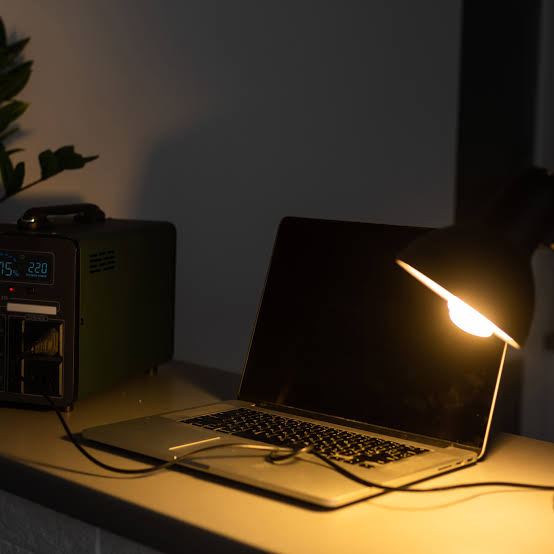
Why does my power keep going out is one of the most frustrating questions homeowners ask after dealing with repeated blackouts, flickering lights, or a breaker that keeps tripping.
In many cases, the cause is something manageable, like an overloaded circuit or an outdated electrical panel, while in other cases it points to more serious wiring issues or utility grid problems.
Understanding whether the issue is isolated to your home or part of a wider outage helps determine the right next step.
Understanding The Difference Between Types Of Power Outages
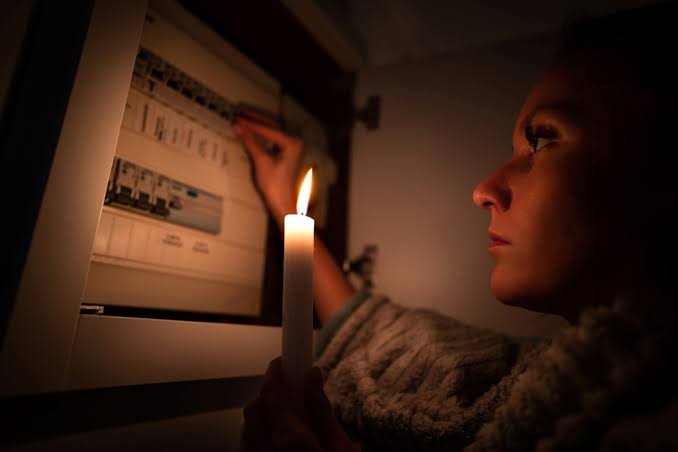
Not all power outages are the same, and identifying the specific pattern can help you figure out whether the issue is internal or external.
Some outages affect a single room, others affect the entire home, and some are tied to external weather or utility grid problems beyond your control.
Recognizing which category your situation falls into is the first step toward finding the right solution more efficiently.
Common Causes At A Glance
Before exploring each cause in detail, here is a quick table summarizing the most frequent reasons power keeps going out at home.
| Cause | Typically Internal Or External |
|---|---|
| Overloaded Circuits | Internal |
| Faulty or Damaged Wiring | Internal |
| Ground Faults | Internal |
| Aging Electrical Panel | Internal |
| Loose Electrical Connections | Internal |
| Weather and Storms | External |
| Utility Grid Issues | External |
| Animals on Power Lines | External |
| Faulty Circuit Breaker | Internal |
Understanding whether the cause is internal or external helps you decide whether to troubleshoot at home or contact your utility provider first.
Overloaded Electrical Circuits
Circuit overload happens when your home’s electrical demand exceeds what a specific circuit is designed to handle, causing the breaker to trip.
This commonly occurs when multiple high-power appliances are plugged into the same outlet or circuit at the same time.
Unplugging unused appliances or redistributing devices across different circuits can often resolve this issue without needing professional repair.
Faulty Or Damaged Wiring
Old, degraded, or improperly installed wiring can cause circuits to short out or disconnect unexpectedly, leading to repeated power loss.
This issue often affects specific rooms or areas of the home, rather than causing a complete, whole-house blackout.
Because faulty wiring poses a genuine fire risk, this cause typically requires inspection and repair by a licensed electrician rather than a DIY fix.
Ground Faults
A ground fault occurs when electrical current finds an unintended path to the ground, often due to damaged insulation or wiring issues.
This can cause circuit breakers to trip repeatedly as a safety mechanism, protecting your home from more serious electrical hazards.
Identifying and repairing the source of a ground fault generally requires professional diagnostic tools and expertise.
Aging Or Outdated Electrical Panel
Older electrical panels, especially those using fuses instead of modern breakers, often struggle to handle the demands of today’s household electronics and appliances.
As homes add more devices over time, an outdated panel may become overwhelmed, leading to frequent trips and power interruptions.
Upgrading to a modern electrical panel is often necessary to safely support increased power demands in older homes.
Loose Electrical Connections
Loose connections, often caused by vibrations, temperature changes, or aging components, can create intermittent electrical flow throughout the home.
This type of issue frequently causes power to flicker or briefly go off before coming back on, rather than staying off entirely.
A licensed electrician can inspect and tighten or replace affected connections to restore stable, consistent power flow.
Faulty Circuit Breakers

Circuit breakers are designed to trip and cut power when they detect an overload or fault, but a failing breaker may trip unnecessarily or fail to reset properly.
If a specific breaker trips repeatedly, even after redistributing load, the breaker itself may need replacement rather than the connected circuit.
Testing and replacing faulty breakers is a straightforward fix that a licensed electrician can typically complete quickly.
Weather And Storm-Related Outages
Severe weather, including thunderstorms, high winds, and lightning strikes, is one of the most common external causes of power outages.
Falling branches, downed power lines, or lightning striking nearby infrastructure can all disrupt electrical service to homes in the affected area.
In these cases, restoring power typically depends on your utility provider’s repair timeline rather than anything you can fix at home.
Utility Grid Issues
Sometimes the cause of repeated outages lies beyond your home entirely, within the broader utility grid serving your neighborhood.
Grid overloads, equipment failures, or scheduled maintenance by the utility company can all lead to temporary or recurring power interruptions.
Contacting your utility provider directly can help confirm whether a widespread outage is affecting your area rather than an issue isolated to your home.
Animals And Wildlife On Power Lines
Animals such as squirrels, birds, or larger wildlife occasionally come into contact with power lines or transformers, causing short circuits and outages.
This is a relatively common cause of unexpected outages, particularly in suburban or rural areas with more exposed electrical infrastructure.
Utility companies are typically responsible for addressing and repairing damage caused by wildlife interference with power equipment.
Table Comparing Internal Versus External Causes
Understanding whether your specific issue is internal or external can help you decide the right first step to take.
| Situation | Likely Cause Type | Recommended First Step |
|---|---|---|
| Only Your Home Affected | Internal | Check breaker panel |
| Entire Neighborhood Affected | External | Contact utility provider |
| Power Flickers During Storm | External | Wait for utility repair |
| Power Loss in One Room Only | Internal | Check specific circuit |
| Breaker Trips Repeatedly | Internal | Contact electrician |
This table can help you quickly decide whether to troubleshoot at home or reach out for outside assistance.
How To Check If It’s A Neighborhood-Wide Outage
Before assuming the problem is inside your home, it helps to check whether neighbors are also experiencing power loss at the same time.
Utility companies often provide online outage maps or phone hotlines where you can confirm whether a wider outage is affecting your area.
If neighbors have power while your home does not, the issue is more likely isolated to your home’s internal electrical system.
Basic Steps To Check Your Breaker Panel
If the outage seems isolated to your home, checking your electrical panel is a reasonable and safe first step for most homeowners.
Locate your panel, look for any breaker switches that appear out of alignment, and turn the affected breaker fully off before switching it back on.
If the same breaker trips again shortly after resetting, this is a sign of a deeper issue requiring professional inspection.
When Power Flickers Versus When It Goes Out Completely
Flickering power and complete outages often point to different underlying causes, making it useful to distinguish between the two.
Flickering is frequently associated with loose connections, minor voltage fluctuations, or high-power appliances turning on and off nearby.
Complete outages more often point toward tripped breakers, ground faults, or external issues like storms or utility grid problems.
Is It Normal For Lights To Flicker Briefly
It is generally normal for lights to flicker slightly when high-power appliances like air conditioners or refrigerators cycle on and off.
This happens due to the sudden demand for power, which can cause a brief, harmless dip in voltage throughout the home.
However, if flickering becomes severe, frequent, or persistent, it may indicate a more serious underlying wiring or appliance issue.
Signs That Indicate A Serious Electrical Hazard
Certain warning signs suggest that repeated power outages may involve a genuine safety risk rather than a minor inconvenience.
These include burning smells, visible sparking, warm or discolored outlets, or breakers that trip immediately upon resetting without any load connected.
If you notice any of these signs, it is important to stop using the affected circuit and contact a licensed electrician promptly.
Why Faulty Wiring Is A Fire Risk
Electrical fires account for a significant percentage of home fires each year, often linked directly to faulty or aging wiring systems.
Damaged insulation, loose connections, or overloaded circuits can generate excess heat, increasing the risk of sparking or ignition over time.
This is why persistent power issues should never be ignored, even if the outages themselves seem brief or minor.
Can I Fix Electrical Issues Myself
While basic troubleshooting, like resetting a tripped breaker or unplugging overloaded devices, is generally safe for most homeowners to attempt.
More complex repairs, such as replacing wiring, panels, or breakers, should always be left to a licensed electrician due to serious safety risks.
Working with electricity without proper training can lead to injury, fire hazards, or further damage to your home’s electrical system.
When To Call A Licensed Electrician
Certain situations clearly call for professional help rather than continued home troubleshooting.
If a breaker trips repeatedly, if you notice burning smells or sparking, or if outages persist without an obvious external cause, it is time to call an electrician.
A licensed professional can safely diagnose the exact issue using proper tools and ensure any repairs meet current electrical safety codes.
Preventive Steps To Reduce Future Outages
Regular electrical inspections can help catch aging wiring, loose connections, or panel issues before they escalate into more frequent outages.
Avoiding overloaded circuits by spreading high-power appliances across multiple outlets also helps reduce the risk of repeated breaker trips.
Considering a panel upgrade, especially in older homes, can provide more reliable, modern support for today’s increased electrical demands.
Protecting Appliances During Frequent Power Interruptions
Frequent power interruptions can potentially damage sensitive electronics and appliances due to sudden voltage changes when power cuts on and off.
Using surge protectors for valuable electronics can help reduce the risk of damage during unexpected power fluctuations or outages.
For critical devices, a battery backup or uninterruptible power supply can provide additional protection during brief outages.
Table Of Simple Fixes Versus Professional Fixes
Understanding which fixes you can reasonably attempt yourself, versus those requiring a professional, helps you respond appropriately to different situations.
| Issue | DIY Fix | Professional Fix Needed |
|---|---|---|
| Overloaded Circuit | Unplug devices, redistribute load | If overload persists |
| Tripped Breaker | Reset breaker once | If breaker trips repeatedly |
| Flickering Lights | Monitor for pattern | If severe or persistent |
| Faulty Wiring | Not Recommended | Always |
| Ground Fault | Not Recommended | Always |
This table can help you quickly assess whether a situation is safe to handle yourself or requires professional attention.
What To Expect During An Electrician’s Visit
A licensed electrician will typically begin by asking about the pattern of outages, including timing, affected areas, and any recent changes to your home’s electrical setup.
They may use diagnostic tools to test wiring, panels, and connections, helping pinpoint the exact source of the issue more accurately than visual inspection alone.
Depending on findings, they will recommend an appropriate fix, ranging from simple repairs to more involved solutions like panel replacement.
Seasonal Patterns In Power Outages
Power outages often follow seasonal patterns, with summer and winter months typically seeing higher rates of both internal and external electrical issues.
During summer, increased use of air conditioning can strain both home circuits and the broader utility grid, leading to more frequent overload-related outages.
Winter storms, ice accumulation on power lines, and increased heating demands can similarly contribute to a higher likelihood of outages during colder months.
How Home Size And Age Affect Outage Frequency
Older homes are statistically more likely to experience frequent power outages, largely due to aging wiring and outdated electrical panels not designed for modern demands.
Larger homes with more appliances and electronics also place greater overall demand on the electrical system, increasing the likelihood of circuit overloads.
Understanding these factors can help homeowners anticipate potential issues and plan preventive upgrades before problems become more frequent or severe.
The Role Of GFCI Outlets In Preventing Outages
Ground fault circuit interrupter outlets, commonly found in kitchens and bathrooms, are designed to quickly cut power when they detect a ground fault.
While this is an important safety feature, a tripped GFCI outlet can sometimes be mistaken for a broader power outage when it only affects a specific outlet or small area.
Resetting a tripped GFCI outlet is usually simple, though repeated tripping may indicate a deeper issue requiring professional attention.
Documenting Outage Patterns For Your Electrician
Keeping a simple log of when outages occur, which areas are affected, and any recent changes to your home can be extremely helpful for diagnosis.
Note details like time of day, weather conditions, and which appliances were in use when the outage happened, since these patterns can reveal useful clues.
Sharing this documented pattern with your electrician can significantly speed up the diagnostic process during a service visit.
Insurance Considerations For Electrical Damage
Frequent power outages can sometimes cause damage to appliances or electronics, making it worth reviewing your homeowner’s insurance policy for relevant coverage.
Some policies cover power surge damage, while others may require additional riders or endorsements for full protection against electrical issues.
Understanding your coverage in advance can help you respond more confidently if outages lead to appliance damage over time.
Comparing Costs Of Common Electrical Fixes
Repair costs can vary significantly depending on the underlying cause, which is helpful context before scheduling professional service.
| Fix Needed | General Cost Range |
|---|---|
| Breaker Reset or Replacement | Low to Moderate |
| Outlet or GFCI Repair | Low |
| Wiring Repair | Moderate to High |
| Ground Fault Diagnosis and Repair | Moderate to High |
| Full Panel Upgrade | High |
Getting a specific quote from a licensed electrician remains the best way to understand exact costs for your particular situation.
Long-Term Benefits Of Addressing Outage Issues Early
Addressing the root cause of frequent outages early often prevents more significant, costly problems from developing over time.
This proactive approach can also improve overall home safety, reduce the risk of appliance damage, and provide greater peace of mind for homeowners.
Investing in necessary repairs or upgrades, while sometimes costly upfront, generally pays off through improved reliability and reduced long-term risk.
Key Takeaways Before The FAQs
Power outages at home can stem from a wide range of causes, spanning overloaded circuits, faulty wiring, aging panels, and external weather or grid issues.
Determining whether the issue is isolated to your home or part of a wider outage is an important first step before deciding how to respond.
Addressing persistent electrical issues promptly, especially when warning signs like burning smells or repeated breaker trips appear, helps protect both your home and your safety.
A Final Note On Electrical Safety
Electrical systems can be complex, and even seemingly minor outage patterns sometimes point to issues that are best left to trained professionals.
Trusting your instincts as a homeowner matters, especially if something feels genuinely unusual or unsafe about your home’s power behavior.
When in doubt, reaching out to a licensed electrician for a professional opinion is always a reasonable and safe choice.
Frequently Asked Questions (FAQs)
Why does my power keep going out for no clear reason?
This is often caused by overloaded circuits, faulty wiring, or an aging electrical panel struggling with current demand.
Is it normal for my power to flicker briefly?
Yes, brief flickering from appliances cycling on is normal, but frequent or severe flickering should be checked.
How do I know if the outage is affecting my whole neighborhood?
Check your utility provider’s outage map or ask neighbors if they are experiencing the same power loss.
Can I fix a tripped breaker myself?
Yes, resetting a breaker once is generally safe, but repeated tripping requires professional electrical inspection.
Is faulty wiring dangerous?
Yes, damaged or aging wiring increases fire risk and should be inspected and repaired by a licensed electrician.
What causes power to go out during a storm?
Storms can cause outages through downed lines, falling branches, or lightning strikes affecting local utility infrastructure.
Can too many appliances cause my power to go out?
Yes, running multiple high-power devices on one circuit can overload it and trip the breaker.
When should I call an electrician for power outages?
Call an electrician if breakers trip repeatedly, you notice burning smells, or outages persist without external cause.
Can animals really cause power outages?
Yes, wildlife contact with power lines or transformers is a common cause of unexpected outages.
Should I upgrade my electrical panel if outages are frequent?
If your panel is outdated or overloaded frequently, an upgrade can improve safety and reliability.
Conclusion
Repeated power outages at home can be frustrating, but they almost always point to an identifiable cause, whether that is an overloaded circuit, aging wiring, an outdated electrical panel, or an external issue tied to weather or your utility grid.
Learning to distinguish between internal and external causes helps you respond appropriately, whether that means simply resetting a breaker or reaching out to your utility provider for updates.
While basic troubleshooting like unplugging overloaded devices is generally safe, more serious issues involving wiring, panels, or persistent breaker trips should always be handled by a licensed electrician.
Ignoring warning signs like burning smells, sparking, or frequent tripping can lead to serious safety risks, including electrical fires.
Staying proactive with inspections and addressing issues early not only restores reliable power but also helps protect your home and family from more serious electrical hazards down the line.