Why Does My Burp Smell Like Rotten Eggs? Relief Tips 2026

Why does my burp smell like rotten eggs? The short answer is hydrogen sulfide gas, a natural byproduct of digestion that forms when gut bacteria break down sulfur-rich foods.
These are commonly called sulfur burps, and while the smell is unpleasant, occasional sulfur burps are usually harmless.
They tend to show up after eating eggs, meat, garlic, or cruciferous vegetables like broccoli and cabbage.
In some cases, frequent sulfur burps can point to a digestive condition like GERD, IBS, or an H. pylori infection, or even a side effect of certain medications.
Quick Answer at a Glance
Here is a fast summary table before we explore each cause and fix in detail.
| Question | Short Answer |
|---|---|
| Main cause | Hydrogen sulfide gas from digestion |
| Common food triggers | Eggs, meat, garlic, broccoli, dairy |
| Is it usually serious | No, usually diet-related and temporary |
| When to see a doctor | More than 3 times per week |
| Fastest relief | Peppermint tea, water, slower eating |
What Are Sulfur Burps?

Sulfur burps, also called eggy burps, are burps carrying a strong rotten egg odor caused by hydrogen sulfide gas.
Most burps come from swallowed air and are odorless. A sulfur burp happens when that air mixes with digestive gases deep in your gut before coming back up.
The smell is identical to sewer gas or rotten eggs because hydrogen sulfide is the same compound responsible for both.
What Causes Burps to Smell Like Rotten Eggs?
Sulfur burps have several possible triggers, ranging from everyday diet choices to underlying digestive conditions. Below are the most common causes.
Sulfur-Rich Foods
Foods naturally high in sulfur compounds are the leading cause of occasional sulfur burps for most people.
Eggs, red meat, poultry, fish, dairy, garlic, onions, and cruciferous vegetables like broccoli and cauliflower all break down into hydrogen sulfide gas during digestion.
Carbonated Drinks
Soda, sparkling water, and beer introduce extra gas directly into your stomach with every sip.
This added gas can combine with existing sulfur compounds in your gut, making burps smell stronger and more frequent than usual.
Eating Too Quickly
Eating fast or talking while eating causes you to swallow more air than normal.
This excess air mixes with stomach gases and increases both the frequency and intensity of burping, including sulfur-smelling ones.
Gastroesophageal Reflux Disease (GERD)
GERD occurs when stomach acid and partially digested food flow back up into the esophagus.
This backward flow can carry digestive gases with it, giving burps a distinctly sour or sulfuric smell, especially after large meals.
Irritable Bowel Syndrome (IBS)
IBS affects how your gut processes food and moves gas through the digestive system.
People with IBS often report more frequent gas, bloating, and sulfur-smelling burps, particularly after trigger foods or during flare-ups.
H. Pylori Infection
Helicobacter pylori is a bacterium that can infect the stomach lining and cause inflammation known as gastritis.
This infection is a well-documented cause of persistent sulfur burps, often accompanied by bloating, nausea, or stomach pain.
Certain Medications
Some medications, including antibiotics and GLP-1 weight loss drugs like Ozempic and Wegovy, are known to cause sulfur burps as a side effect.
These medications can slow digestion, allowing food to sit longer in the stomach and produce more sulfur gas before it is passed.
Food Intolerances
Lactose or gluten intolerance can prevent your body from properly digesting certain foods.
Undigested food ferments in the gut, producing excess gas and bloating that often comes with a distinct sulfur smell.
Sulfur Burp Triggers Table
This table breaks down common trigger categories so you can quickly identify your own patterns.
| Trigger Category | Examples |
|---|---|
| High-protein foods | Eggs, beef, chicken, fish, beans |
| Cruciferous vegetables | Broccoli, cauliflower, cabbage, kale |
| Aromatics | Garlic, onions, leeks |
| Dairy products | Milk, cheese, yogurt |
| Drinks | Beer, soda, sparkling water |
| Eating habits | Eating fast, chewing gum, talking while eating |
Harmless vs Concerning Causes Comparison
Not every sulfur burp is the same. This table helps separate diet-related causes from ones that may need medical attention.
| Cause | Usually Harmless | May Need Medical Attention |
|---|---|---|
| Sulfur-rich foods | Yes | No |
| Carbonated drinks | Yes | No |
| Eating too fast | Yes | No |
| GERD | Sometimes | Yes, if frequent |
| IBS | Sometimes | Yes, if severe |
| H. pylori infection | No | Yes |
| GLP-1 medication side effect | Mostly | Sometimes |
| Food intolerance | Mostly | Yes, if symptoms persist |
Sulfur Burps and Diarrhea: What It Might Mean

Sulfur burps paired with diarrhea deserve a closer look since this combination often points to a digestive issue rather than diet alone.
If your stools also smell unusually sulfuric, it may mean your gut is producing excess hydrogen sulfide during digestion of protein-rich or sulfur-heavy foods.
This combination is common with gastrointestinal infections, food intolerances, or bacterial overgrowth in the small intestine.
If diarrhea and sulfur burps persist for more than two to three days, or come with blood in the stool, contact a doctor promptly.
GLP-1 Medications and Sulfur Burps
GLP-1 medications like Ozempic, Wegovy, and Zepbound have become a increasingly common cause of sulfur burps in 2026.
These medications slow down digestion, which means food and stomach acid sit in your stomach longer than usual before moving through your system.
This extended digestion time allows more hydrogen sulfide gas to form before it is eventually released through burping.
Mild sulfur burps after starting a GLP-1 medication are typically normal and often improve within a few weeks as your body adjusts.
If burps are severe, frequent, or paired with vomiting and pain, this could signal delayed stomach emptying and should be discussed with your doctor.
How to Get Rid of Sulfur Burps Fast
Most cases of sulfur burps respond well to simple, immediate changes. Try these steps for quick relief.
Drink a glass of water slowly to help move trapped gas through your digestive system and dilute stomach acid.
Sip peppermint, ginger, or chamomile tea, all of which are known to support digestion and calm an upset stomach.
Avoid lying down right after eating, since staying upright helps prevent acid reflux and reduces the chance of sour-smelling burps.
Take a short walk after meals to encourage healthy digestion and help move gas through your system more efficiently.
Try an over-the-counter antacid or simethicone product if the burps are paired with bloating or general stomach discomfort.
How to Prevent Sulfur Burps From Coming Back
Long-term prevention focuses on identifying and adjusting your personal triggers. These habits help most people significantly reduce sulfur burps.
Eat more slowly and avoid talking while chewing to reduce the amount of air you swallow during meals.
Reduce your intake of carbonated drinks, since the added gas directly contributes to more frequent and stronger burping.
Keep a simple food journal for one to two weeks to identify which specific foods trigger your sulfur burps.
Eat smaller, more frequent meals instead of large ones, since heavy meals are harder to digest and produce more gas.
Limit high-sugar and processed foods, which can feed gas-producing bacteria in your gut and worsen symptoms over time.
Foods and Drinks That May Help Reduce Sulfur Burps
Certain foods and drinks are known to support digestion and may help calm sulfur burps naturally. This table lists common options.
| Food or Drink | How It Helps |
|---|---|
| Peppermint tea | Relaxes digestive muscles, eases gas |
| Ginger tea | Speeds up stomach emptying |
| Water | Flushes bacteria, aids digestion |
| Manuka honey | Supports gut lining, reduces bacteria |
| Probiotics | Balances gut bacteria over time |
| Chamomile tea | Calms digestive discomfort |
When to See a Doctor About Sulfur Burps
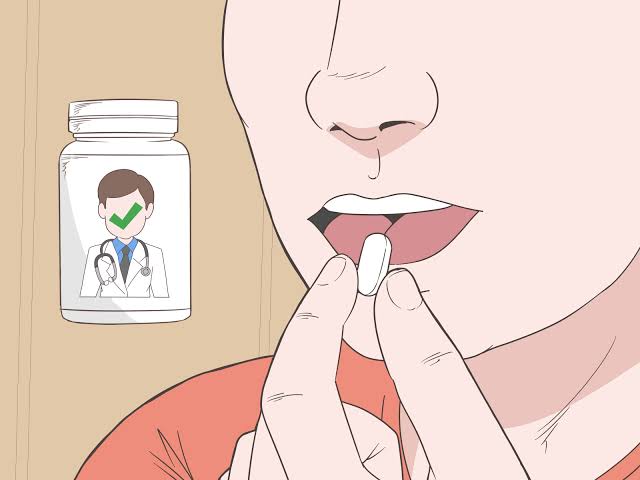
While occasional sulfur burps are normal, certain patterns and symptoms are worth discussing with a healthcare provider.
If you experience sulfur burps more than three times per week, this frequency may point to an underlying digestive issue.
If burps are paired with diarrhea, abdominal pain, or blood in your stool, seek medical attention rather than waiting it out.
If you recently started a new medication and sulfur burps appeared shortly after, mention this timing to your prescribing doctor.
If heartburn occurs alongside your sulfur burps more than three to four times a week, this could indicate GERD that needs evaluation.
Common Digestive Conditions Linked to Sulfur Burps
Several gastrointestinal conditions are commonly associated with persistent sulfur burps. This table summarizes the most frequently cited ones.
| Condition | Key Related Symptoms |
|---|---|
| GERD | Heartburn, regurgitation, sour taste |
| IBS | Bloating, cramping, irregular bowel habits |
| H. pylori infection | Nausea, stomach pain, loss of appetite |
| Gastritis | Burning stomach pain, indigestion |
| Food intolerance | Bloating, diarrhea after specific foods |
| Bacterial overgrowth (SIBO) | Bloating, gas, diarrhea or constipation |
Lifestyle Habits That Support Better Digestion
Beyond diet changes, broader lifestyle habits play a meaningful role in reducing sulfur burps over time.
Managing stress through regular exercise, sleep, and relaxation techniques can improve overall gut function, since stress is known to disrupt digestion.
Avoiding smoking and excessive alcohol helps protect the digestive lining and reduces irritation that can worsen gas and burping.
Staying consistently hydrated throughout the day supports healthy digestion and helps flush out excess bacteria that contribute to sulfur gas.
Getting regular physical activity keeps your digestive system moving efficiently, which can reduce the buildup of trapped gas.
Sulfur Burps in Children vs Adults
Sulfur burps can affect people of all ages, though the most common causes can differ slightly. This table breaks it down.
| Age Group | Most Likely Cause |
|---|---|
| Infants | Formula intolerance, swallowed air while feeding |
| Children | Fast eating, sulfur-rich foods, carbonated drinks |
| Adults | Diet, GERD, IBS, medication side effects |
| Older adults | Slower digestion, medications, H. pylori |
The Science Behind Hydrogen Sulfide Gas
Hydrogen sulfide is produced naturally when certain gut bacteria break down sulfur-containing amino acids found in protein-rich foods.
This process happens in everyone’s digestive system to some degree, which is why occasional sulfur burps are considered a normal part of digestion.
The intensity of the smell depends on how much sulfur-containing food you have eaten and how active your gut bacteria are at breaking it down.
Interestingly, hydrogen sulfide in very small amounts also plays a role in regulating blood flow and inflammation in the body, so its presence is not inherently harmful.
How Diet Composition Affects Sulfur Burp Frequency
The overall makeup of your diet, not just individual foods, plays a major role in how often sulfur burps occur.
Diets very high in animal protein tend to produce more hydrogen sulfide than diets balanced with more plant-based fiber and vegetables.
Rapid changes in diet, such as suddenly eating much more protein or fiber than usual, can temporarily increase gas production while your gut adjusts.
Gradually introducing new foods rather than making drastic changes all at once tends to reduce the likelihood of excessive sulfur burping.
Sulfur Burps vs Regular Burps: Key Differences
Understanding what separates a sulfur burp from an ordinary burp can help you know when to pay closer attention. This table highlights the differences.
| Factor | Regular Burp | Sulfur Burp |
|---|---|---|
| Smell | None or mild | Strong, rotten egg odor |
| Cause | Swallowed air | Hydrogen sulfide gas from digestion |
| Frequency | Common, several times daily | Usually occasional, diet-related |
| Associated symptoms | None typically | May include bloating, nausea |
| When to worry | Rarely a concern | Concern if frequent or persistent |
Home Remedies That May Provide Extra Relief
Beyond the immediate fixes mentioned earlier, several additional home remedies are commonly recommended for ongoing sulfur burp relief.
Apple cider vinegar diluted in water before meals is sometimes used to support stomach acid balance and aid digestion, though evidence is mostly anecdotal.
Fennel seeds, chewed after a meal, are a traditional remedy believed to reduce bloating and gas in many cultures.
Activated charcoal tablets are sometimes used to absorb excess gas in the digestive tract, though they should be used only occasionally and not alongside medications.
Always introduce new remedies one at a time so you can accurately track what is actually helping your specific symptoms.
Tracking Your Triggers: A Simple Food Journal Approach
Keeping a food journal is one of the most effective ways to pinpoint exactly what causes your sulfur burps.
Write down everything you eat and drink for one to two weeks, along with the timing and severity of any sulfur burps that follow.
Look for patterns, such as burps consistently appearing after dairy, high-protein meals, or carbonated drinks specifically.
Once you identify likely triggers, remove them one at a time for a week each to confirm which foods are actually responsible.
This method is far more reliable than guessing, since sulfur burp triggers can vary significantly from person to person.
Common Mistakes That Make Sulfur Burps Worse
Certain everyday habits unintentionally worsen sulfur burps, even when you are trying to manage them. Avoiding these can speed up relief.
Eating large meals late at night gives your digestive system less time to process food before you lie down, increasing gas production overnight.
Chewing gum throughout the day causes you to swallow extra air, which can combine with sulfur compounds and intensify burping.
Relying heavily on fried or greasy foods slows digestion significantly, giving gut bacteria more time to produce hydrogen sulfide gas.
Ignoring persistent symptoms for months, hoping they will resolve on their own, can delay diagnosis of an underlying condition like GERD or SIBO.
Sulfur Burps and Overall Gut Health
Frequent sulfur burps are sometimes an early signal that your gut microbiome may be out of balance.
An overgrowth of certain sulfur-reducing bacteria in the gut, compared to more beneficial strains, can lead to excess hydrogen sulfide production over time.
Supporting gut health through a varied diet, regular movement, adequate sleep, and stress management can help restore a healthier bacterial balance.
In more persistent cases, a healthcare provider may recommend specific testing to check for bacterial overgrowth or other imbalances contributing to the smell.
Sulfur Burps While Traveling or Eating Out
Travel and dining out can make sulfur burps more likely due to unfamiliar foods, larger portions, and disrupted eating routines.
Unfamiliar cuisines often include higher amounts of garlic, onions, and spices, all of which can increase sulfur compound production in sensitive individuals.
Eating larger restaurant portions than you normally would at home can overload your digestive system and lead to more noticeable gas afterward.
Packing digestive aids like peppermint tea bags or antacids when traveling can help you manage symptoms quickly if they arise unexpectedly.
Frequently Asked Questions (FAQs)
Why does my burp smell like rotten eggs after eating eggs?
Eggs are naturally high in sulfur compounds. Your gut bacteria break these down into hydrogen sulfide gas, which causes the rotten egg smell.
Are sulfur burps a sign of a serious health problem?
Usually not. Occasional sulfur burps are diet-related, but frequent ones more than three times a week may need medical evaluation.
Can drinking water help stop sulfur burps?
Yes, water helps dilute stomach acid and supports digestion, which can reduce the frequency and intensity of sulfur burps.
Why do I get sulfur burps after starting Ozempic or Wegovy?
GLP-1 medications slow digestion, causing food to sit longer in the stomach and produce more hydrogen sulfide gas before burping.
Can stress cause sulfur burps?
Yes, stress disrupts normal digestion and can worsen gas production, making sulfur burps more frequent during stressful periods.
Is it normal to have sulfur burps and diarrhea together?
Occasionally, yes, especially after a heavy or sulfur-rich meal. If it persists beyond a few days, see a doctor to rule out infection.
What foods should I avoid to stop sulfur burps?
Limit eggs, red meat, garlic, onions, cruciferous vegetables, dairy, and carbonated drinks if you notice they trigger your symptoms.
Can H. pylori infection cause sulfur burps?
Yes, H. pylori is a known bacterial cause of persistent sulfur burps, often paired with stomach pain, nausea, or bloating.
Do probiotics help with sulfur burps?
Probiotics may help balance gut bacteria over time, which can reduce excess gas production linked to sulfur burps in some people.
When should I see a doctor for sulfur burps?
See a doctor if sulfur burps happen more than three times weekly, or come with diarrhea, pain, or blood in your stool.
Conclusion
Sulfur burps that smell like rotten eggs are almost always caused by hydrogen sulfide gas produced during normal digestion, especially after eating protein-rich or sulfur-heavy foods like eggs, meat, garlic, and cruciferous vegetables.
In most cases, this is a temporary and harmless response to diet or eating habits, and simple changes like slowing down at meals, cutting back on carbonated drinks, and staying hydrated can bring quick relief.
However, frequent sulfur burps, especially when paired with diarrhea, abdominal pain, or heartburn, may signal an underlying condition such as GERD, IBS, or an H. pylori infection that deserves medical attention.
Newer causes, including GLP-1 medications like Ozempic and Wegovy, are also worth discussing with your doctor if symptoms feel severe.
Tracking your triggers, adjusting your diet, and knowing when to seek professional care will help you manage sulfur burps confidently and comfortably throughout 2026.