Why Do My Ankles Swell? Signs You Shouldn’t Ignore 2026
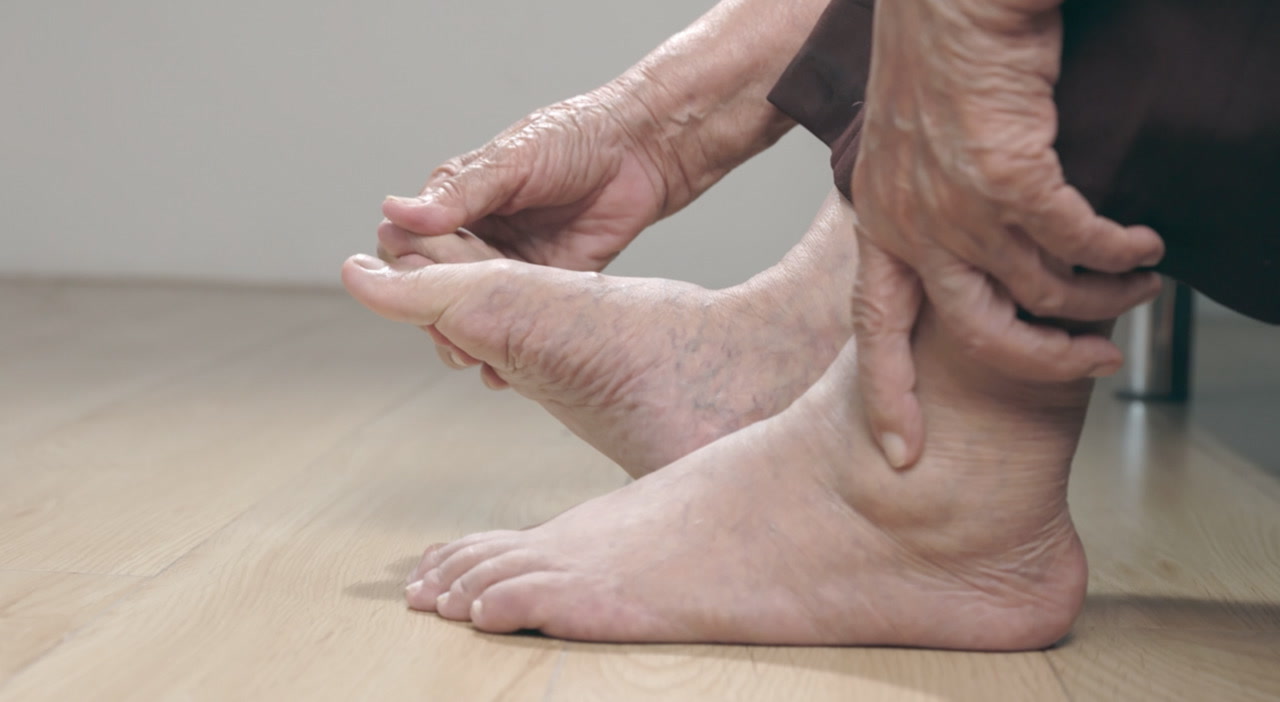
Why Do My Ankles Swell? Your ankles swell when extra fluid gets trapped in the soft tissue around the joint, usually because of gravity, poor circulation, or an underlying health issue.
Most people notice it at the end of a long day, after a flight, or after eating a salty meal. In many cases it is harmless and fades with rest.
But swollen ankles are not always a minor annoyance. Sometimes they are your body’s way of flagging a heart, kidney, liver, or vein problem that needs attention.
What Does It Mean When Your Ankles Swell?
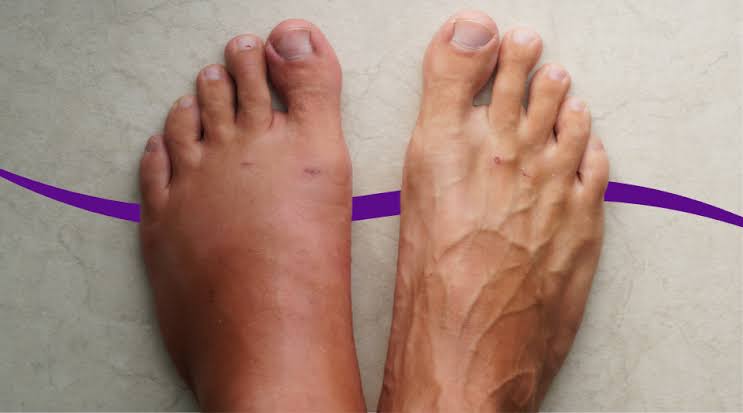
Swelling, known medically as edema, happens when fluid leaks out of small blood vessels and collects in the tissue nearby. Ankles are especially prone to this because they sit at the lowest point of your body when you stand or sit.
Gravity pulls fluid downward all day long. If your circulation, veins, or organs aren’t working efficiently to move that fluid back up, it settles around your ankle joint and causes puffiness.
Swelling can be mild and barely noticeable, or severe enough that your skin looks stretched and shiny. Either way, it’s a signal worth paying attention to.
Common Everyday Causes of Swollen Ankles
Not every swollen ankle points to disease. Many cases come from simple, temporary triggers that clear up once the cause is removed.
Standing or Sitting for Long Periods
Staying in one position for hours slows blood flow in your legs. Fluid pools around your ankles because your calf muscles aren’t moving to pump it back toward your heart.
This is common after long flights, road trips, or desk jobs. Getting up and walking every hour usually helps.
Hot Weather
Heat makes your blood vessels widen so your body can release warmth and cool down. That widening lets fluid slip out of the vessels and into surrounding tissue.
This is why ankles often look puffier in summer than in winter, even without any other health changes.
Eating Too Much Salt
A high-sodium meal makes your body hold onto extra water to balance the salt level in your blood. That extra fluid often shows up as swelling in your feet and ankles within a day.
Cutting back on processed and fast food can noticeably reduce this type of swelling.
Pregnancy
Hormonal shifts and pressure from the growing uterus on nearby veins make swollen ankles extremely common during pregnancy. It usually gets worse in the third trimester.
Mild swelling in pregnancy is normal, but sudden or severe swelling should always be checked by your provider.
Minor Injury or Sprain
A rolled or twisted ankle triggers your body’s natural inflammation response. Extra fluid rushes to the area to protect and begin healing the injured tissue.
Expect bruising, tenderness, and swelling that gradually improves over one to two weeks.
Medication Side Effects
Several common medications list ankle swelling as a side effect. These include certain blood pressure drugs, steroids, hormone therapies, and some diabetes medications.
Never stop a prescribed medication on your own. Talk to your doctor if you suspect it’s the cause.
| Everyday Cause | Typical Trigger | Usual Fix |
|---|---|---|
| Prolonged sitting/standing | Flights, desk jobs, road trips | Move every hour, elevate legs |
| Hot weather | Summer heat, humidity | Hydrate, stay cool, elevate feet |
| High salt intake | Fast food, processed meals | Reduce sodium, drink water |
| Pregnancy | Third trimester hormones | Rest with feet raised, compression socks |
| Minor sprain | Twisted or rolled ankle | Rest, ice, compression, elevation |
| Medication side effect | Blood pressure or diabetes drugs | Discuss with your doctor |
Ankle Swelling vs. Foot or Leg Swelling: What’s the Difference?
Swelling that stays around the ankle joint is often linked to local causes like a sprain, tight shoes, or standing too long. It tends to be more isolated and less concerning.
Swelling that spreads into the feet and up the legs is more likely tied to circulation, heart, kidney, or vein issues affecting your whole lower body.
Paying attention to exactly where the puffiness starts and how far it spreads can help you and your doctor narrow down the likely cause faster.
Medical Causes of Swollen Ankles You Shouldn’t Ignore

When swelling is persistent, one-sided, or paired with other symptoms, it can point to an underlying medical condition rather than a lifestyle habit.
Venous Insufficiency
This happens when the valves inside your leg veins weaken and stop closing properly. Blood pools in the lower legs instead of flowing back to the heart efficiently.
Swelling from venous insufficiency usually worsens throughout the day and improves overnight with elevation.
Heart Failure
When the heart can’t pump blood efficiently, fluid backs up in the veins and leaks into surrounding tissue. This often affects both ankles and legs.
It’s frequently paired with shortness of breath, fatigue, or a rapid weight gain from fluid retention.
Kidney Disease
Your kidneys are responsible for removing excess fluid from your body. When they aren’t functioning well, that fluid builds up, often starting in the ankles and feet.
Morning puffiness around the eyes combined with ankle swelling later in the day can be an early clue.
Liver Disease
Liver problems can lower a protein called albumin, which normally keeps fluid inside your blood vessels. Without enough albumin, fluid leaks into tissues throughout the body.
This may come with abdominal swelling, fatigue, or a history of fatty liver disease.
Blood Clot (Deep Vein Thrombosis)
A clot in a leg vein blocks normal blood flow and forces fluid into nearby tissue. This typically causes swelling in only one leg or ankle.
It’s a medical emergency because part of the clot can travel to the lungs.
Lymphedema
This occurs when your lymphatic system can’t properly drain fluid, often after surgery, radiation, or infection. It leads to persistent, sometimes severe swelling.
Unlike everyday swelling, lymphedema often doesn’t improve much overnight or with elevation alone.
| Medical Cause | Key Clue | Usually Affects |
|---|---|---|
| Venous insufficiency | Worsens by evening, improves overnight | One or both ankles |
| Heart failure | Shortness of breath, fatigue | Both ankles/legs |
| Kidney disease | Morning eye puffiness | Both ankles, gradual |
| Liver disease | Abdominal swelling | Both legs, whole body |
| Blood clot (DVT) | Sudden, one-sided pain | One leg only |
| Lymphedema | Doesn’t reduce overnight | One or both legs |
Warning Signs You Shouldn’t Ignore
Certain patterns of swelling are red flags that point to something more serious than a long day on your feet.
Swelling in Only One Ankle
One-sided swelling, especially if it appears suddenly, can be a sign of a blood clot. This is different from the more common two-sided swelling from lifestyle causes.
Don’t wait it out if only one ankle looks puffy and the other doesn’t. Comparing both legs side by side is often the quickest way to notice this pattern.
Sudden or Rapid Swelling
Swelling that appears within hours, without an obvious cause like injury or a salty meal, deserves prompt medical attention. Rapid onset is one of the clearest red flags doctors look for.
It can point to a clot, infection, or a sudden drop in organ function.
Pain, Redness, or Warmth
Swelling combined with pain, redness, or a warm feeling to the touch may signal infection, a clot, or severe inflammation. Healthy fluid-related swelling is usually painless.
If the area feels hot compared to the rest of your leg, get it checked.
Swelling With Chest Pain or Shortness of Breath
This combination can indicate a heart problem or a clot that has traveled to the lungs. It should be treated as a medical emergency.
Call 911 or go to the nearest emergency room right away.
Pitting That Leaves a Dent
Press your thumb into the swollen area for a few seconds. If it leaves a visible dent that stays there, this is called pitting edema.
Pitting edema often points to venous insufficiency, heart issues, or kidney problems and is worth discussing with a doctor.
Swelling That Doesn’t Improve With Rest
Everyday swelling usually fades overnight or after elevating your feet for 30 minutes. If it lingers for several days despite rest, that’s a sign it needs professional evaluation.
Persistent swelling is your body telling you the cause hasn’t been addressed.
How to Tell If Your Swelling Is Serious
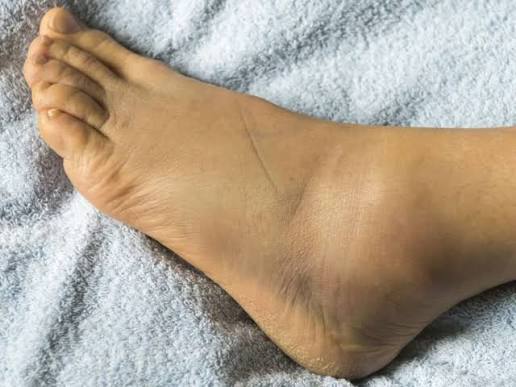
Ask yourself a few quick questions: Is it in one ankle or both? Did it happen suddenly? Is there pain, warmth, or skin discoloration?
If you answered yes to any of these, or if swelling comes with breathing trouble, treat it as urgent rather than waiting to see if it improves on its own.
When to See a Doctor Immediately
Certain symptoms mean you shouldn’t wait for a routine appointment. Seek emergency care if swelling appears with chest pain, difficulty breathing, coughing up blood, or fainting.
Also seek prompt care for sudden one-sided swelling, swelling with fever, or skin that looks discolored, blistered, or broken.
For milder but persistent swelling lasting more than a few days, schedule a visit with your primary care provider or a podiatrist.
How to Reduce Swollen Ankles at Home
When your swelling is mild and lifestyle-related, a few simple habits can bring noticeable relief within a day or two.
Elevate Your Feet
Prop your feet above heart level for 15 to 30 minutes. This uses gravity to help fluid drain back toward your body’s core.
Doing this a few times a day works especially well after long periods of standing.
Stay Active
Gentle movement, like walking or ankle circles, activates your calf muscles. Those muscles act as a pump that pushes fluid back up toward your heart.
Avoid sitting completely still for more than an hour at a time.
Wear Compression Socks
Compression socks apply gentle, graduated pressure that helps prevent fluid from pooling in your lower legs. They’re especially useful during travel or long workdays.
Skip them if you suspect a blood clot unless your doctor specifically recommends them.
Cut Back on Salt
Lowering your sodium intake reduces the amount of water your body retains. Aim for less than the recommended daily limit and watch out for hidden salt in packaged foods.
Small changes, like cooking at home more often, add up quickly.
Stay Hydrated
It sounds counterintuitive, but drinking enough water actually helps flush out excess sodium and reduces fluid retention. Dehydration can make your body hold onto water more aggressively.
Aim for consistent water intake throughout the day rather than large amounts at once.
Apply a Cold Compress
Cold compresses can calm inflammation after a minor injury or a long day of heat exposure. Apply for 15 to 20 minutes at a time.
Always wrap ice packs in a cloth to protect your skin.
Foods and Drinks That Help Reduce Ankle Swelling
Potassium-rich foods like bananas, spinach, and sweet potatoes help balance sodium levels and support healthy fluid regulation. Adding more of these to your diet can ease mild swelling over time.
Cucumber, watermelon, and celery have high water content and mild natural diuretic properties, which may help your body release excess fluid.
Cut back on canned soups, deli meats, and fast food, since these are some of the biggest hidden sources of sodium that trigger fluid retention.
Simple Exercises to Reduce Ankle Swelling
Ankle pumps, where you flex your foot up and down repeatedly, activate the calf muscles and encourage fluid to move back toward your heart. Try this for two to three minutes every hour.
Ankle circles and short walks work the same way, especially useful during long flights, drives, or desk work.
Swimming or water walking is also gentle on swollen joints while still encouraging circulation throughout your legs and ankles.
How Doctors Diagnose the Cause of Swollen Ankles
A doctor typically starts with a physical exam, checking whether swelling is one-sided or two-sided and whether it pits when pressed. They’ll also ask about recent injuries, medications, and other symptoms.
Depending on what they find, they may order blood tests to check kidney and liver function, a urine test, an ultrasound to rule out a blood clot, or heart function tests.
Getting a clear diagnosis is the fastest way to find the right treatment instead of guessing at home remedies.
Bring a short list of when the swelling started, what makes it better or worse, and any other symptoms you’ve noticed. This small bit of prep helps your doctor narrow down the cause much faster.
Swollen Ankles in Pregnancy: What’s Normal?
Mild swelling that builds gradually through the day, especially in the third trimester, is a normal part of pregnancy. It usually improves with rest and elevation.
What’s not normal is sudden or severe swelling, especially if it comes with a headache, vision changes, or high blood pressure, since these can signal preeclampsia.
Always mention any new or worsening swelling to your prenatal care provider.
Drinking enough water, resting on your left side, and avoiding long periods of standing can all help keep pregnancy-related ankle swelling manageable throughout the day.
Swollen Ankles in Older Adults
Circulation naturally weakens with age, making swollen ankles more common in older adults. The tissue in your lower legs can actually hold several liters of extra fluid before swelling becomes visible.
Because older adults are also more likely to have heart, kidney, or vein conditions, new or worsening swelling deserves a prompt check-up rather than being dismissed as a normal part of aging.
Best Sleeping Position for Swollen Ankles
Sleeping with your legs slightly raised on a pillow can reduce morning puffiness by helping fluid drain overnight. Aim to keep your feet a few inches above heart level.
Side sleeping with a pillow between your knees can also ease pressure on your leg veins compared to sleeping flat on your back.
Avoid crossing your legs or ankles while sleeping, since this can restrict circulation and make swelling worse by morning.
Prevention Tips for Swollen Ankles
A few consistent habits can lower how often your ankles swell in the first place. Small, regular changes tend to work better than occasional fixes.
Move regularly throughout the day instead of sitting or standing still for hours. Keep your sodium intake in check and drink enough water daily.
Wear supportive, properly fitted shoes and consider compression socks if you’re prone to swelling from travel or long shifts on your feet.
Managing your weight, limiting alcohol, and keeping any chronic conditions like diabetes or high blood pressure under control also reduces how often swelling shows up. These habits support healthy circulation throughout your entire body, not just your ankles.
If you already know you’re prone to swelling, packing compression socks for travel and setting reminders to stretch during long workdays can prevent it before it starts.
Frequently Asked Questions (FAQs)
Why do my ankles swell at the end of the day?
Gravity pulls fluid down toward your ankles as you sit or stand throughout the day. Elevating your feet in the evening usually reduces it by morning.
Is it normal for both ankles to swell equally?
Yes, two-sided swelling is usually linked to lifestyle factors, medication, or systemic conditions like heart or kidney issues. One-sided swelling is more concerning.
Can dehydration cause swollen ankles?
Yes, dehydration can trigger your body to retain extra water as a protective response. Staying consistently hydrated actually helps prevent this type of swelling.
What does pitting edema mean?
Pitting edema is when pressing your thumb into the swollen skin leaves a visible dent. It often points to fluid-related conditions like heart, kidney, or vein problems.
Should I worry about swollen ankles after a flight?
Mild swelling after a long flight is common due to prolonged sitting and is usually not dangerous. Watch for one-sided swelling, pain, or warmth, which need urgent attention.
Can swollen ankles be a sign of heart problems?
Yes, swollen ankles paired with shortness of breath, fatigue, or rapid weight gain can indicate heart failure. This combination should be evaluated by a doctor promptly.
How long should swollen ankles take to go down?
Everyday swelling typically improves within a few hours of rest and elevation. Swelling lasting more than two to three days needs medical evaluation.
Do compression socks help with swollen ankles?
Yes, compression socks improve circulation and reduce fluid pooling in the lower legs. Avoid them if a blood clot is suspected unless a doctor approves.
When should I go to the ER for swollen ankles?
Go immediately if swelling comes with chest pain, shortness of breath, fainting, or sudden one-sided swelling with pain. These can signal a clot or heart emergency.
Can high salt intake really cause ankle swelling?
Yes, excess sodium makes your body retain more water to balance it out. Cutting back on processed and salty foods often reduces swelling within a day or two.
Conclusion
Swollen ankles are usually harmless, caused by heat, long periods of standing, salty food, or pregnancy. These cases typically respond well to elevation, movement, hydration, and compression socks.
But swelling isn’t always simple. One-sided swelling, sudden onset, pain, redness, or swelling paired with chest pain or shortness of breath are signs your body may be flagging a heart, kidney, liver, vein, or clotting problem.
Knowing the difference between everyday puffiness and a genuine warning sign can help you act at the right time. When in doubt, don’t wait it out. A quick check-up can catch a serious condition early and give you real peace of mind about what your body is telling you.