Why Do Kids Grind Their Teeth at Night? Causes & Fixes 2026
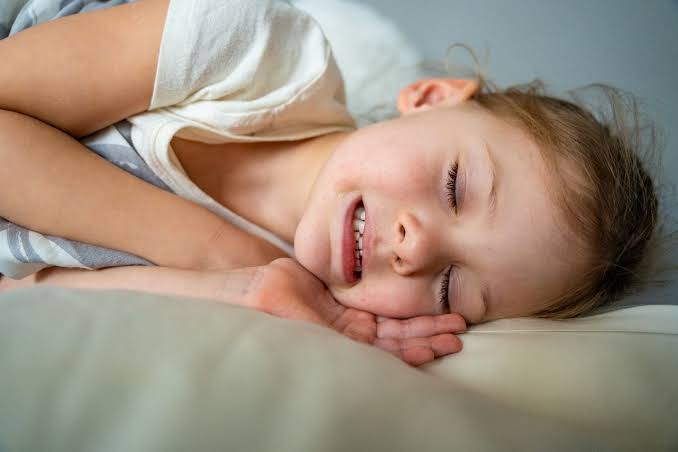
Hearing an unsettling grinding sound coming from your child’s room at night can be alarming, especially if you are not sure what is causing it. If you are asking why do kids grind their teeth at night, you are far from alone, since this habit affects a large share of children at some point.
Medically known as bruxism, nighttime teeth grinding is common and usually not a sign of anything serious. Most children eventually outgrow it without any long-term damage.
Why Do Kids Grind Their Teeth at Night?
Kids grind their teeth at night mainly due to stress or anxiety, misaligned teeth, teething discomfort, or an immature nervous system still developing during sleep. Roughly 20 to 30 percent of children grind their teeth, and most stop once they lose their baby teeth.
What Is Bruxism?
Bruxism is the medical term for the involuntary grinding, clenching, or gnashing of teeth. It can happen during sleep, known as sleep bruxism, or while a child is awake, known as awake bruxism.
Sleep bruxism is far more common in children and typically occurs during deeper stages of sleep, which is why kids are often unaware they are doing it.
How Common Is Teeth Grinding in Children?
Teeth grinding is one of the most common childhood sleep habits. Research suggests that between 20 and 30 percent of children grind their teeth at some point, and roughly 3 out of 10 kids show signs of bruxism before age 5.
Most children eventually stop grinding their teeth, often around the time they begin losing their baby teeth.
Why Do Kids Grind Their Teeth at Night? The Main Causes
Doctors and dentists point to several overlapping causes, though the exact reason is not always clear for every child.
1. Stress and Anxiety
Emotional stress is one of the most frequently cited triggers for nighttime teeth grinding. Changes at home, school pressure, or even excitement about an upcoming event can lead to grinding as the body processes tension during sleep.
Some research also links stress and separation anxiety in toddlers specifically to increased grinding episodes.
2. Misaligned Teeth (Malocclusion)
When a child’s upper and lower teeth do not fit together properly, the jaw muscles may compensate through grinding or clenching. This misalignment is considered one of the most likely physical contributors to bruxism.
3. Teething and New Teeth
Babies and toddlers may grind their teeth to relieve discomfort as new teeth emerge. This is especially common during the early teething stages and tends to resolve once the discomfort passes.
Grinding can also reappear temporarily when children lose their baby teeth and begin growing permanent ones.
4. An Immature Nervous System
In many young children, nighttime grinding is simply linked to a still-developing nervous system rather than a specific problem. As the nervous system matures, this type of grinding often fades naturally.
5. Sleep Disorders, Including Sleep Apnea
In some children, bruxism is connected to disrupted sleep patterns, including snoring or airway blockage. When airway resistance increases during sleep, the body may partially wake, which can trigger a grinding episode as it works to restore normal airflow.
Watch for additional signs like loud snoring, mouth breathing, or restless sleep, since these may point to an underlying sleep-related cause.
6. Certain Health Conditions and Medications
Children with hyperactivity, cerebral palsy, or certain neurodevelopmental differences may experience bruxism more frequently. Some medications have also been associated with an increased likelihood of teeth grinding as a side effect.
Signs Your Child Might Be Grinding Their Teeth
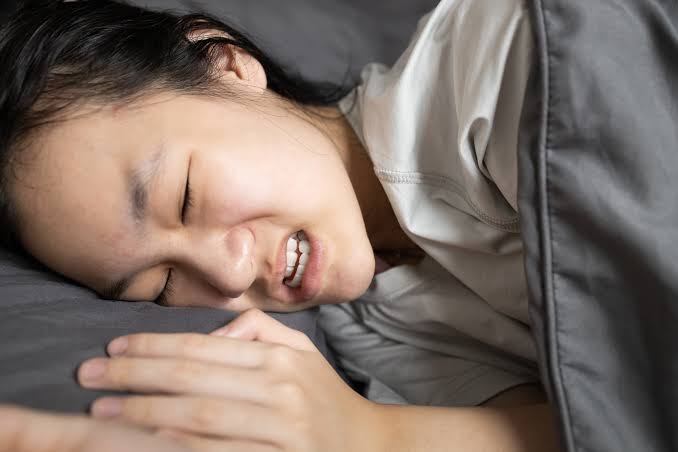
Because grinding often happens during deep sleep, many parents first notice it through sound rather than direct observation. Watch for the following signs.
- Audible grinding or gnashing sounds at night
- Complaints of jaw pain or soreness in the morning
- Frequent headaches, especially upon waking
- Teeth that appear worn, flattened, or chipped
- Increased sensitivity to hot or cold foods and drinks
- Earache-like pain without signs of an ear infection
Sleep Bruxism vs Awake Bruxism
| Factor | Sleep Bruxism | Awake Bruxism |
|---|---|---|
| When it happens | During sleep, often deep sleep stages | While awake, during focus or stress |
| Awareness | Usually unaware it’s happening | Sometimes more noticeable to the child |
| Common triggers | Stress, misalignment, sleep disorders, teething | Concentration, screen time, tension |
| Who notices first | Parents or siblings, due to sound | May be self-noticed or observed by a caregiver |
Is Teeth Grinding in Kids Dangerous?
In most cases, no. Bruxism in children is common and usually resolves on its own without lasting harm. Dentists generally do not consider it dangerous by itself.
The main concern is repeated, long-term grinding, which can gradually wear down tooth enamel and lead to sensitivity or dental damage if left unaddressed.
What You Can Do to Help Your Child
Several simple strategies can help reduce nighttime grinding, especially when stress is a likely factor.
- Talk with your child about anything worrying them during the day
- Build a calming pre-bedtime routine with relaxing activities
- Reduce screen time and stimulation close to bedtime
- Keep a consistent, predictable sleep schedule
- Monitor for snoring or interrupted sleep and mention it to your pediatrician
When Should You See a Dentist?

While occasional grinding is usually not a concern, certain signs warrant a dental evaluation.
- Your child is older than 6 and still grinding regularly
- They wake up with a sore jaw or frequent headaches
- Their teeth show visible wear, chipping, or increased sensitivity
- Siblings or family members are consistently disturbed by grinding sounds
- You suspect a connection to snoring or disrupted sleep
A pediatric dentist can check for enamel wear and may recommend a custom-fitted night guard if the grinding is affecting your child’s teeth or jaw comfort.
Key Takeaways
- Bruxism is common in children, affecting roughly 20 to 30 percent at some point in childhood.
- Common causes include stress, misaligned teeth, teething, and an immature nervous system.
- Sleep apnea and other sleep disorders can also contribute to nighttime grinding in some children.
- Most children outgrow teeth grinding, often around the time they lose their baby teeth.
- A dentist can evaluate for enamel damage and recommend a night guard if needed.
Conclusion
So, why do kids grind their teeth at night? In most cases, it comes down to stress, tooth alignment, teething, or a nervous system still finding its rhythm during sleep.
While the sound can be unsettling for parents, bruxism in children is usually temporary and not a cause for serious concern. Keeping an eye on your child’s symptoms and checking in with a pediatric dentist when needed is the best way to protect their smile.
Frequently Asked Questions (FAQs)
Is it normal for kids to grind their teeth at night?
Yes, teeth grinding is common in children, affecting an estimated 20 to 30 percent at some point, and most eventually outgrow it.
At what age do kids usually stop grinding their teeth?
Many children stop grinding around the time they begin losing their baby teeth, though the exact timing varies from child to child.
Can stress really cause a child to grind their teeth?
Yes, emotional stress and anxiety are considered some of the most common triggers for nighttime teeth grinding in children.
Does teething cause babies to grind their teeth?
Yes, babies and toddlers may grind their teeth to relieve discomfort as new teeth emerge during early teething stages.
Is teeth grinding in children linked to sleep apnea?
In some cases, yes. Increased airway resistance during sleep can trigger grinding episodes as the body works to restore normal breathing.
Can misaligned teeth cause a child to grind at night?
Yes, when upper and lower teeth do not fit together properly, the jaw muscles may compensate through grinding or clenching.
Should I wake my child up if I hear them grinding their teeth?
No, waking a child during grinding is not necessary and may disrupt their sleep without addressing the underlying cause.
Can teeth grinding damage a child’s baby teeth?
Yes, prolonged grinding can wear down enamel over time, leading to sensitivity or visible wear, even on baby teeth.
Do night guards work for children who grind their teeth?
Yes, a dentist can create a custom-fitted night guard to help protect a child’s teeth if grinding is causing noticeable damage.
How do I know if my child’s headaches are from teeth grinding?
Morning headaches paired with jaw soreness or teeth sensitivity can be a sign that grinding is the underlying cause, though a dentist can confirm this.
Can certain medications cause bruxism in kids?
Yes, some medications have been associated with an increased likelihood of teeth grinding as a side effect in children.
Is awake bruxism different from sleep bruxism in kids?
Yes, awake bruxism happens during waking hours, often linked to concentration or stress, while sleep bruxism occurs unconsciously during sleep.
When should I take my child to a dentist for teeth grinding?
You should schedule a dental visit if your child is older than 6 and still grinding regularly, or if they show signs of jaw pain, headaches, or tooth damage.
Can secondhand smoke increase the risk of bruxism in children?
Yes, some research has linked secondhand smoke exposure to an increased likelihood of nighttime teeth grinding in children.
Will my child’s teeth grinding go away on its own?
In most cases, yes. Teeth grinding in children commonly resolves on its own as they grow, especially once permanent teeth come in.