Why Do Cats Eyes Dilate? Cat Behavior Guide 2026
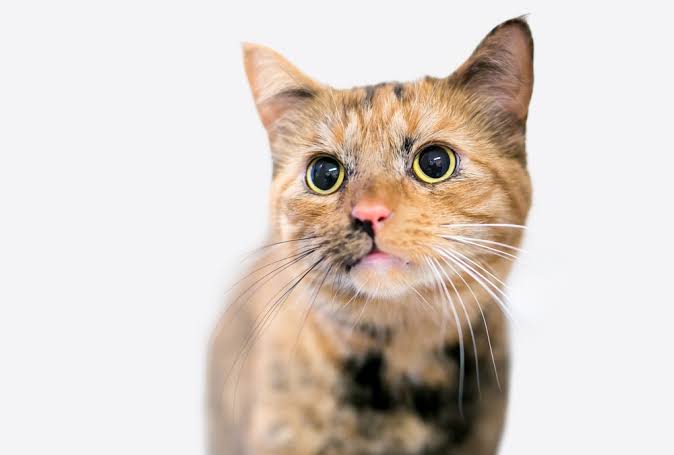
Why do cats eyes dilate is one of the most common questions new and experienced cat owners ask. A cat’s pupils change size constantly throughout the day, and most of the time this is completely normal.
Dilated pupils can mean your cat is playing, scared, excited, or simply sitting in a dim room. In rare cases, dilated pupils point to an underlying health issue that needs a vet’s attention.
What Does It Mean When a Cat’s Eyes Dilate
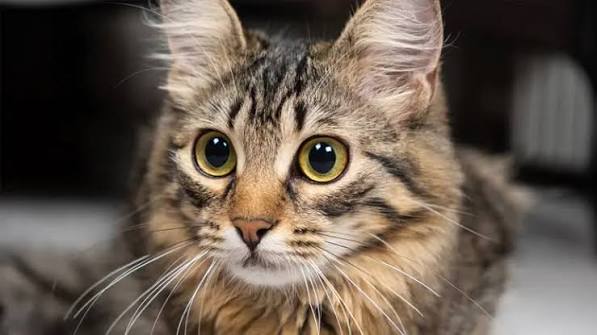
When a cat’s eyes dilate, the pupil (the black center of the eye) grows larger and rounder. In cats, the pupil is usually a vertical slit, so dilation makes it look almost circular.
This change happens through tiny muscles in the iris that expand or contract the pupil opening. It is an automatic reflex, not something the cat controls consciously.
Dilated pupils let more light reach the retina at the back of the eye. This helps cats see better in the dark or react faster in a stressful moment.
The Science Behind Cat Pupil Dilation
Cats have a muscle structure in their iris that works differently from human eyes. Instead of a round opening, most cats have a vertical slit pupil that can stretch into a wide circle.
This slit shape gives cats an unusually large dilation range compared to many other animals. Their pupils can expand up to 135 to 300 times their smallest size.
That huge range is one reason cats can hunt at dawn and dusk, known as crepuscular hours, when light levels are low but not completely dark.
The nervous system also plays a role. The sympathetic nervous system (linked to fight-or-flight) causes dilation, while the parasympathetic system causes constriction.
Common Reasons Cats’ Eyes Dilate
There are several everyday, harmless reasons why a cat’s eyes dilate. Most of them relate to light, emotion, or activity level.
Low Light and Darkness
The most common reason cats’ eyes dilate is simply a dim room. As light levels drop, the pupils widen automatically to let in more light.
This is a survival reflex inherited from wild ancestors who hunted at night. It requires no thought from the cat at all.
Play and Hunting Instinct
Cats’ eyes often dilate right before or during play. Chasing a toy, stalking a feather wand, or pouncing on a string all trigger wide pupils.
This mimics the same reflex used during real hunting. Wide pupils improve depth perception and reaction speed in the moment.
Excitement and Anticipation
Excitement is another normal trigger for dilated pupils in cats. Mealtime, a favorite toy appearing, or a person coming home can cause this reaction.
Kittens especially show wide, dilated pupils when they are highly stimulated or playful. It usually fades quickly once the excitement passes.
Fear and Stress
Fear is a strong and very common cause of pupil dilation in cats. A loud noise, a strange visitor, or a trip to the vet can trigger it instantly.
Dilated pupils during fear are part of the fight-or-flight response. The wider view helps the cat spot threats and plan an escape route.
Aggression and Overstimulation
When a cat feels threatened or is about to defend itself, its pupils often dilate suddenly. This is frequently paired with flattened ears and a puffed tail.
Overstimulation during petting can also cause this. If a cat’s eyes dilate while being petted, it may be a warning sign to stop.
Affection and Contentment
Some cats show slightly dilated pupils when they feel relaxed and affectionate toward their owner. This is often paired with slow blinking, a sign of trust.
Context matters here. Relaxed body language alongside dilation usually points to comfort rather than distress.
Table: What Different Pupil Shapes Usually Mean
| Pupil Appearance | Likely Meaning |
|---|---|
| Narrow vertical slit | Calm, bright light, or focused attention |
| Slightly rounded, medium size | Alert or mildly interested |
| Fully round and wide | Fear, excitement, play, or darkness |
| Uneven pupils (one bigger) | Possible medical issue, needs a vet check |
| Slow, repeated blinking with soft eyes | Trust and affection toward you |
Cat Eye Dilation and Body Language Together
Pupils rarely tell the full story on their own. Reading them alongside ears, tail, and posture gives a much clearer picture of your cat’s mood.
For example, dilated pupils with a low crouch and twitching tail usually mean predatory focus. Dilated pupils with flattened ears and hissing usually mean fear or aggression.
| Pupil State | Ears | Tail | Likely Emotion |
|---|---|---|---|
| Dilated | Forward, alert | Low, twitching tip | Hunting or play mode |
| Dilated | Flattened back | Puffed or thrashing | Fear or aggression |
| Dilated | Relaxed, neutral | Loosely curled | Excitement or surprise |
| Slightly dilated | Relaxed | Still, relaxed | Contentment or affection |
Medical Causes of Dilated Pupils in Cats
While most dilation is harmless, persistent or unusual dilation can signal a medical condition. This is especially true if it happens in normal lighting without an emotional trigger.
Below are some of the more commonly reported medical causes veterinarians look for.
| Condition | Brief Description |
|---|---|
| Glaucoma | Increased eye pressure, often painful, may affect one or both eyes |
| Hypertension | High blood pressure, common in cats with kidney disease |
| Progressive Retinal Atrophy | Gradual weakening of eye cells, can lead to blindness |
| Feline Dysautonomia | Nervous system disorder with dilated pupils and other symptoms |
| Anisocoria | Uneven pupil sizes, a sign of an underlying issue |
| Toxin exposure | Certain medications or plants can cause abnormal dilation |
| Head trauma | Injury affecting the nerves controlling the eye |
Any of these conditions usually come with additional symptoms. Watch for squinting, redness, cloudiness, bumping into objects, or changes in appetite.
When Only One Eye Is Dilated: Anisocoria
Anisocoria is the medical term for uneven pupil sizes in cats. One pupil stays large while the other looks normal or small.
This is never considered a normal reaction to light or emotion. It is always treated as a symptom of an underlying problem.
Common causes include corneal injury, glaucoma, nerve damage, or a tumor near the eye or brain. A vet visit is strongly recommended whenever this appears.
When to See a Vet About Dilated Pupils
Occasional dilation from light, play, or excitement is normal and needs no treatment. However, some signs mean it’s time to call the vet.
Watch for these warning signs:
- Pupils stay dilated for hours with no clear trigger
- One pupil is larger than the other (anisocoria)
- Dilation is paired with vomiting, weakness, or disorientation
- Your cat seems to bump into furniture or misjudge distances
- The eye looks red, cloudy, or swollen alongside dilation
If any of these appear, a same-day or next-day vet visit is the safest choice. Eye-related conditions can worsen quickly without treatment.
How Light Affects Cat Pupils Throughout the Day
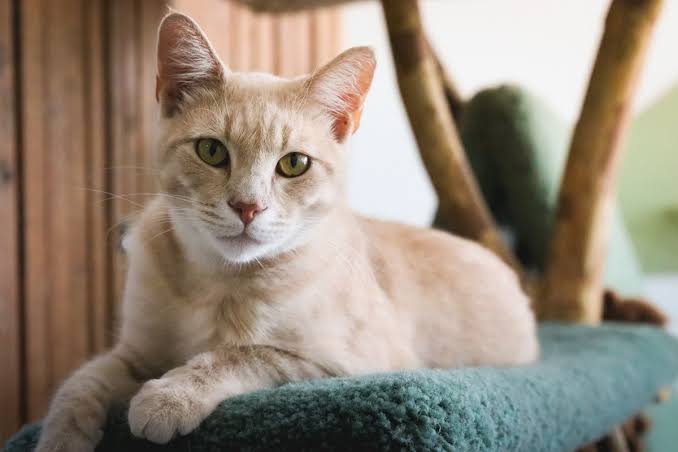
Cats are most active at dawn and dusk, a pattern called crepuscular behavior. Their pupils adjust constantly as natural light shifts during these hours.
In bright midday sun, pupils narrow into thin vertical slits to protect the retina. At night or indoors with dim lighting, pupils widen dramatically to maximize vision.
This constant adjustment is one reason cats seem to “see in the dark” so well compared to humans. Their eyes are simply built to handle huge swings in light levels.
Kittens and Pupil Dilation
Kittens tend to show more frequent and dramatic pupil dilation than adult cats. Their nervous systems are still developing, and emotions tend to run high during play.
It’s common to see a kitten’s eyes go fully round while chasing a toy, exploring a new room, or reacting to another pet. This is a normal part of growing up.
Catnip, Stress, and Unusual Situations
Catnip exposure can cause noticeably dilated pupils in some cats, along with rolling, rubbing, and vocalizing. This reaction is short-lived and considered harmless.
New environments, car rides, vet visits, or loud household events (like fireworks) commonly trigger stress-related dilation too. Giving your cat a quiet space to retreat to can help.
Tips for Cat Owners Monitoring Eye Health
A few simple habits make it easier to catch problems early and understand your cat’s emotional state.
- Check your cat’s eyes in normal indoor lighting once a week
- Compare both pupils side by side for size and shape
- Note any patterns, like dilation only during vet visits or storms
- Keep a photo log if you notice something unusual, to show your vet
- Schedule annual eye checks as part of routine wellness visits
Comparing Cat Pupils to Other Animals
Cat pupils are unique compared to many other pets. Understanding the difference helps explain why cats’ eyes dilate so dramatically and so fast.
| Animal | Pupil Shape | Dilation Range |
|---|---|---|
| Cat | Vertical slit | Very wide, up to 135–300x |
| Dog | Round | Moderate, less extreme |
| Human | Round | Small compared to cats |
| Goat/Sheep | Horizontal bar | Wide but shaped differently |
Vertical slit pupils are common in ambush predators that hunt at ground level during low light. This shape gives cats sharper control over depth perception.
Round pupils, like those in dogs and humans, dilate more evenly but over a smaller overall range. This is one reason cats appear to have such dramatic “wide eyes” compared to other household pets.
The Role of Whiskers and Eyes Together
A cat’s eyes rarely work alone when reading emotion. Whisker position often shifts alongside pupil size to complete the picture.
Forward-pointed whiskers combined with dilated pupils usually signal curiosity or hunting focus. Whiskers pinned back against the face with wide pupils often signal fear.
Learning to watch whiskers, ears, tail, and pupils together gives owners a far more reliable read than pupils alone. No single signal should be judged in isolation.
Common Myths About Cat Eye Dilation
There are several misconceptions about why cats’ eyes dilate that are worth clearing up.
Myth: Dilated pupils always mean a cat is angry. This isn’t accurate. Dilation can mean fear, excitement, playfulness, or simple darkness, not just aggression.
Myth: A cat’s pupils dilate only in low light. Light is one trigger, but emotional and physical states play an equally large role in pupil size.
Myth: Dilated pupils in cats are always a health problem. Most dilation is completely normal. Only persistent, unexplained, or uneven dilation should raise concern.
Myth: You can tell exactly what a cat is feeling from pupils alone. Pupils are one clue among many. Full body language always gives a more accurate picture.
How Vets Diagnose Abnormal Pupil Dilation
When a cat’s dilated pupils don’t seem tied to a normal trigger, veterinarians usually follow a structured process to find the cause.
A typical exam includes a physical check, an ophthalmic (eye-specific) exam, and a light-response test on both eyes. This helps determine whether one or both eyes are affected.
| Diagnostic Step | Purpose |
|---|---|
| Physical exam | Rules out general illness or injury |
| Ophthalmic exam | Checks internal eye structures and pressure |
| Pupillary light reflex test | Confirms if pupils respond normally to light |
| Blood work | Screens for hypertension, kidney disease, infection |
| Imaging (if needed) | Checks for tumors or neurological issues |
Depending on findings, further tests like blood pressure monitoring or imaging may be recommended. Treatment always depends on the underlying cause identified.
Age-Related Changes in Cat Pupils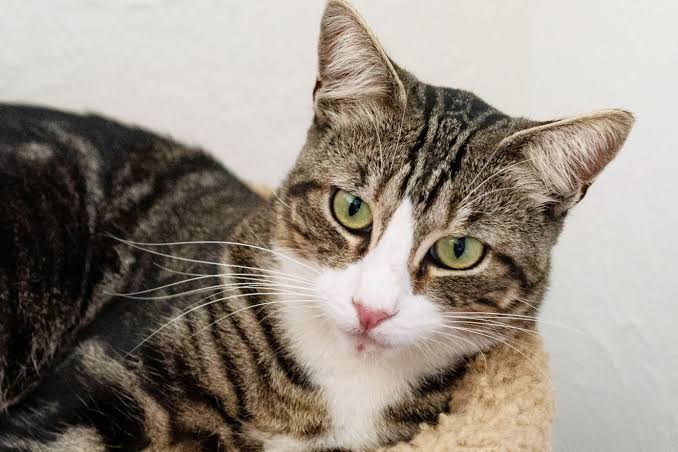
As cats grow older, their eyes can change in ways that affect pupil appearance. Some of this is a normal part of aging.
Senior cats may develop a slight haziness in the eye called lenticular sclerosis. This is different from cataracts and typically does not affect vision significantly.
Older cats are also more prone to hypertension, which can cause dilated pupils as a secondary symptom. Routine senior wellness exams help catch this early.
Indoor Lighting and Your Cat’s Comfort
Since pupils react so strongly to light, indoor lighting choices can directly affect your cat’s comfort. Sudden bright lights can startle a relaxed cat.
Gradually adjusting lighting, rather than flipping on bright lights instantly, gives your cat’s pupils time to constrict comfortably. This is especially helpful for older cats or those with sensitive eyes.
Rooms with consistent, moderate lighting tend to keep pupils in a more relaxed, mid-range state throughout the day.
Breed Differences in Eye Appearance
While pupil mechanics are the same across all domestic cats, eye shape and iris color can make dilation look more or less obvious.
Cats with lighter iris colors, like blue or green, often show pupil changes more clearly than cats with very dark brown eyes. This is purely a visual contrast difference, not a functional one.
| Iris Color | Visibility of Dilation |
|---|---|
| Blue | Very easy to notice |
| Green/Gold | Easy to notice |
| Amber | Moderate visibility |
| Dark brown/black | Harder to notice, especially in low light |
Breeds like Siamese and Persian cats are often used in examples simply because their lighter eyes make pupil changes more photogenic, not because their eyes function any differently.
Building a Habit of Reading Your Cat’s Eyes
Many cat owners only think about pupils when something seems unusual. Building a habit of casual daily observation makes it much easier to spot real problems early.
A simple approach is to glance at your cat’s eyes during normal moments, like feeding time or a calm cuddle session. Over weeks, you’ll naturally learn their typical baseline.
Once you know what “normal” looks like for your specific cat, changes become far easier to catch. This small habit can lead to earlier detection of both emotional stress and medical issues.
Quick Reference: Everyday vs Concerning Dilation
It helps to have a fast mental checklist when your cat’s pupils look wide. This table summarizes the difference between everyday dilation and dilation that needs attention.
| Everyday Dilation | Concerning Dilation |
|---|---|
| Happens in dim rooms or at night | Happens in bright, well-lit rooms |
| Fades quickly after play or excitement ends | Lasts for hours without an obvious cause |
| Both eyes are affected equally | Only one eye is affected |
| No other symptoms present | Comes with vomiting, wobbling, or lethargy |
| Matches relaxed or playful body language | Paired with confusion or disorientation |
Keeping this quick reference in mind makes it much easier to decide whether a vet visit is needed right away or whether the behavior is simply part of normal cat life.
Over time, most owners find that reading pupil size becomes second nature, much like recognizing a cat’s usual meow or favorite napping spot. It’s a small skill that pays off with better bonding and faster problem detection.
Frequently Asked Questions (FAQs)
Why do cats’ eyes dilate at night?
Cat pupils dilate at night to let in more available light for better vision. This is a normal, automatic reflex tied to low-light conditions.
Is it normal for a cat’s eyes to dilate during play?
Yes, dilated pupils during play are completely normal and tied to excitement. It mimics the same reflex cats use while hunting.
Why do my cat’s eyes dilate when I pet them?
This can signal either pleasure or overstimulation, depending on body language. Watch the tail and ears to tell the difference.
Can stress cause a cat’s pupils to dilate?
Yes, fear and stress trigger the fight-or-flight response, which widens the pupils. This usually fades once the stressful event ends.
What does it mean if only one of my cat’s eyes is dilated?
Uneven pupils, called anisocoria, are never considered normal in cats. This should always be checked by a veterinarian promptly.
Do cats’ eyes dilate when they are happy?
Slight dilation combined with slow blinking and relaxed posture can indicate contentment. Full body language should be read together for accuracy.
Can dilated pupils be a sign of illness in cats?
Yes, persistent dilation without an obvious trigger can point to conditions like glaucoma or hypertension. A vet visit is recommended if it continues.
Why do kittens’ eyes dilate more often than adult cats?
Kittens have more active emotional and play responses as their nervous systems develop. Frequent dilation during this stage is generally normal.
Does catnip cause a cat’s pupils to dilate?
Yes, catnip can cause temporary pupil dilation along with rolling and excited behavior. The effect typically wears off within 10 to 15 minutes.
When should I take my cat to the vet for dilated pupils?
See a vet if dilation lasts for hours, affects only one eye, or comes with other symptoms like vomiting or disorientation. Early evaluation prevents complications.
Conclusion
So, why do cats eyes dilate? In most cases, it’s a completely normal reflex tied to light levels, play, excitement, or emotion.
A cat’s pupils can widen dramatically in seconds, helping them see better in the dark or react quickly during a hunt or a scare. Learning to read pupil size alongside ears, tail, and posture gives you a much clearer window into how your cat is feeling in any given moment.
However, persistent dilation, uneven pupils, or dilation paired with other symptoms like vomiting or disorientation should never be ignored.
These can signal real medical concerns that need prompt veterinary care. When in doubt, a quick vet visit offers peace of mind and keeps your cat’s eyes, and overall health, in the best possible shape for years to come.