Why Are My Toes Peeling? Signs of Athlete’s Foot 2026
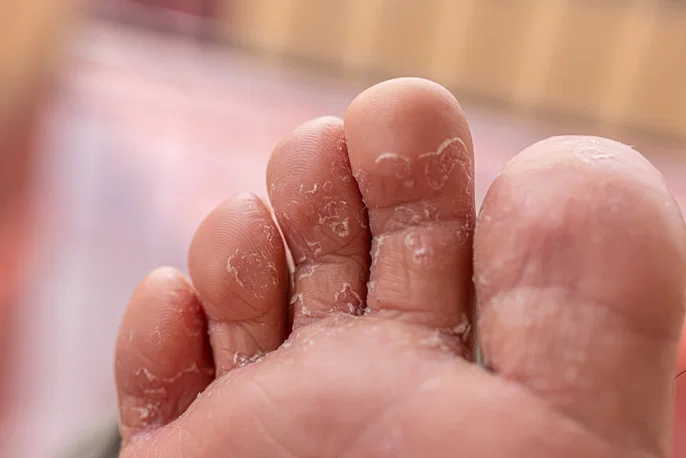
Why are my toes peeling is a question most people ask at some point, and the answer is almost never just one thing. Peeling skin on the toes can be itchy, embarrassing, painful, or completely painless depending on what is causing it.
The most common culprit is athlete’s foot, a fungal infection that thrives in warm, moist environments. But dry skin, eczema, psoriasis, hyperhidrosis, contact dermatitis, sunburn, and other conditions can all produce the same symptom.
What Causes Toes to Peel?
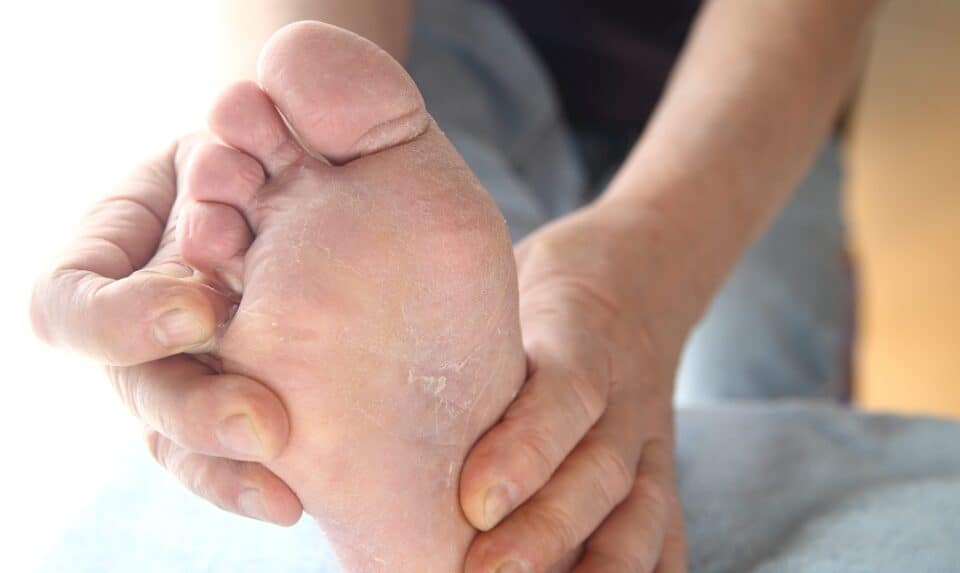
Toes peel when the outer layer of skin, called the epidermis, is disrupted.
This disruption can be triggered by infection, inflammation, excess moisture, dryness, friction, or immune system activity. Your toes are enclosed in shoes and socks for hours at a time, creating a warm, sometimes sweaty environment that accelerates skin breakdown.
Understanding what type of peeling you have — where it appears, what it feels like, and what other symptoms come with it — is the fastest way to identify the cause.
Athlete’s Foot — The Most Common Reason Toes Peel
Athlete’s foot, known medically as tinea pedis, is a fungal skin infection and the single most common cause of peeling toes.
The fungus that causes athlete’s foot belongs to a group called dermatophytes. These organisms feed on keratin, the protein that makes up the outer layer of your skin. They thrive in warm, dark, moist environments — exactly the conditions inside a pair of tight shoes.
How Athlete’s Foot Starts
Athlete’s foot almost always begins between the toes, particularly between the fourth and fifth toes (the smallest ones).
You pick it up by walking barefoot on contaminated surfaces — locker room floors, communal showers, pool decks, and gym changing rooms. It can also spread from person to person through shared towels, socks, or shoes.
Once the fungus establishes itself, it starts breaking down the skin barrier. The outer skin layers loosen, separate, and peel off in flakes or sheets.
Signs You Have Athlete’s Foot
The classic signs of athlete’s foot are easy to recognize once you know what to look for.
| Symptom | Description |
|---|---|
| Peeling skin between toes | Usually starts with the smaller toes and spreads |
| Itching | Often intense, especially after removing shoes |
| Burning or stinging | Particularly between the toes and on the sole |
| Redness | Skin appears inflamed and irritated |
| Cracking | Skin splits at the base of toes or on the heel |
| Odor | Fungal infection produces a distinctive smell |
| Blisters | Fluid-filled blisters that may burst and peel |
| Moccasin pattern | Thick, scaly dryness spreading across the sole |
Not every case of athlete’s foot looks the same. Some people get the classic itchy, peeling skin between the toes. Others develop the moccasin type, where the entire sole becomes thickened and scaly. Some develop blisters that dry out and peel as they heal.
Who Gets Athlete’s Foot
Anyone can develop athlete’s foot, but some people are more vulnerable than others.
People who wear tight, non-breathable shoes, sweat heavily from the feet, walk barefoot in public spaces, share footwear or towels, or have a weakened immune system are all at elevated risk. The condition is extremely common — millions of cases are reported every year.
How to Treat Athlete’s Foot
Most cases of athlete’s foot respond well to over-the-counter antifungal treatments.
Antifungal creams, sprays, and powders containing clotrimazole, miconazole, or terbinafine are the standard first-line treatments. Apply the product twice daily for at least two to four weeks, even if the peeling stops and the skin looks better before then. Stopping early allows the fungus to survive and rebound.
For stubborn or widespread infections, a doctor can prescribe stronger topical antifungals or oral antifungal medication. Oral terbinafine is commonly used for cases that don’t respond to creams.
Keep feet clean and dry throughout treatment. Change socks daily. Rotate shoes to let them dry out between wearings. Avoid walking barefoot in public areas.
Dry Skin (Xerosis) — The Silent Cause of Peeling Toes
Dry skin is one of the most common and most overlooked causes of peeling toes.
The medical term is xerosis. It occurs when the outer skin layer loses too much water and natural oil. On the feet and toes, dry skin starts as mild flakiness and can progress to cracking, peeling, and even painful fissures if left untreated.
What Triggers Dry Skin on Toes
Several everyday habits and environmental factors dry out toe skin faster than most people realize.
Taking long, hot showers or baths strips away the skin’s natural oils. Low-humidity environments in winter or air-conditioned spaces pull moisture from the skin. Spending long hours in sandals or bare feet exposes skin to drying air and friction.
Dehydration, stress, smoking, and the natural aging process all reduce the skin’s ability to hold moisture. As you age, collagen production decreases and the skin barrier becomes thinner and drier.
How to Treat Dry, Peeling Toes
The solution is consistent moisturizing combined with avoiding habits that dry the skin out further.
After bathing, pat feet dry and apply a rich, fragrance-free moisturizer while the skin is still slightly damp. This locks in moisture rather than letting it evaporate. Look for creams or ointments containing urea, glycerin, shea butter, or petroleum jelly — these are more effective than lightweight lotions for severely dry feet.
Avoid hot showers. Use warm water and limit bath time. Wear moisture-wicking socks and breathable shoes to protect the skin throughout the day.
Dyshidrotic Eczema — Blisters That Peel
Dyshidrotic eczema, also called pompholyx, is a specific type of eczema that causes intensely itchy, deep-seated blisters on the fingers, toes, and soles of the feet.
The blisters are tiny and form in clusters. They feel like small, hard bumps beneath the skin surface. As the blisters dry out over one to three weeks, the skin peels off in sheets or flakes, leaving tender, raw skin underneath.
What Triggers Dyshidrotic Eczema
The exact cause of dyshidrotic eczema is not fully understood, but several triggers are well-established.
Seasonal allergies, high stress levels, hot and humid weather, sweaty feet, and contact with metals like nickel or cobalt can all provoke a flare. The condition is most common in adults between the ages of 20 and 40.
How to Treat Dyshidrotic Eczema
Most episodes of dyshidrotic eczema resolve on their own within two to three weeks.
During the active phase, avoid anything that irritates the skin. Apply cool compresses to reduce itching. Use gentle, fragrance-free moisturizers as the skin heals. In more severe cases, a doctor may prescribe topical corticosteroid creams to reduce inflammation. The FDA approved topical delgocitinib in 2025 for moderate-to-severe chronic hand and foot eczema in adults when corticosteroids have not provided adequate relief.
Contact Dermatitis — Allergic Reaction in Your Shoes
Contact dermatitis is a skin reaction triggered by direct contact with an irritant or allergen.
Shoes are a major source of contact dermatitis on the feet. The materials used in shoes — rubber, dyes, adhesives, formaldehyde-based preservatives, leather tanning chemicals, nickel hardware, and synthetic fabrics — can all cause allergic or irritant reactions in sensitive individuals.
The rash typically appears on the areas where the shoe touches the skin. It can cause redness, itching, swelling, blisters, and peeling skin between and around the toes.
How to Identify Shoe Contact Dermatitis
The pattern of the rash is the main clue. If your peeling skin appears exactly where your shoe contacts your foot — not between the toes where athlete’s foot typically starts — shoe dermatitis is more likely.
A dermatologist can confirm the diagnosis using a skin patch test, which identifies exactly which material is causing the reaction.
How to Treat Contact Dermatitis
Stop wearing the shoes causing the reaction. Switch to footwear made from different materials — natural leather, breathable canvas, or materials certified as hypoallergenic.
Apply over-the-counter hydrocortisone cream to reduce inflammation and itching. Cool compresses soothe the skin during active flares. In severe cases, a doctor may prescribe stronger topical steroids or oral antihistamines.
Psoriasis — Thick, Scaly Peeling on the Toes
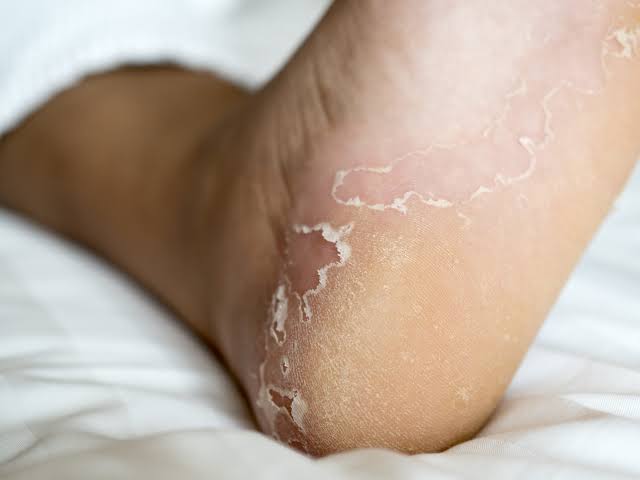
Psoriasis is a chronic autoimmune condition that speeds up the skin cell cycle, causing cells to build up on the surface faster than they can shed normally.
When psoriasis affects the feet and toes — called palmoplantar psoriasis — it produces thick, red patches covered with silvery-white scales. The skin may peel off in large flakes or sheets. Painful cracking and bleeding can develop in the folds around the toes and on the heels.
What Triggers Psoriasis Flares
Psoriasis is a lifelong condition managed by controlling flare-ups.
Common triggers include stress, skin injury, infections, certain medications (like beta-blockers and lithium), smoking, cold weather, and harsh skincare products. Genetics also play a role — psoriasis often runs in families.
How to Treat Psoriasis on the Toes
Psoriasis on the feet is challenging to treat because of the constant friction and pressure the area receives.
Topical corticosteroid ointments are the standard first-line treatment. Coal tar preparations slow the rapid skin cell turnover. Vitamin D analogue creams like calcipotriol are commonly used. Phototherapy (UV-B light treatment) is effective for widespread psoriasis. Severe cases may require oral medications like methotrexate or injectable biologics.
Avoid known triggers. Keep feet moisturized to prevent painful cracking. Use fragrance-free, gentle products on and around the feet.
Hyperhidrosis — Excessive Sweating Causes Peeling
Hyperhidrosis is a condition where the sweat glands produce far more sweat than the body needs for temperature regulation.
When the feet sweat excessively, the skin between the toes stays wet for long periods. Prolonged moisture softens and weakens the skin barrier, causing it to break down and peel. Chronically wet skin between the toes also creates the ideal environment for athlete’s foot to develop.
Signs Hyperhidrosis Is Behind Your Peeling Toes
If your toes and feet are almost always damp regardless of physical activity or temperature, hyperhidrosis may be the root cause.
You may notice that your socks are wet within hours of putting them on and that shoes develop odor quickly due to constant moisture.
How to Treat Hyperhidrosis
Start with breathable, moisture-wicking socks and shoes. Change socks at least once a day or more frequently if needed. Use foot powder or antiperspirant powder in shoes to absorb moisture.
For more severe cases, a doctor can prescribe medicated glycopyrronium towelettes or aluminum chloride solutions, which reduce sweat production directly. Iontophoresis (mild electrical current treatment) is another option. In extreme cases, Botox injections to the soles of the feet effectively reduce sweating for several months.
Trench Foot (Immersion Foot) — Prolonged Wetness
Trench foot, also known as immersion foot, occurs when the feet remain wet and cold for an extended period of time.
The condition damages the nerves, blood vessels, and skin through a combination of prolonged moisture and reduced circulation. The skin softens, swells, and eventually begins to break down and peel. Left untreated, the damage becomes serious and may require medical intervention.
The name comes from World War I soldiers who developed severe foot damage from standing in cold, waterlogged trenches for days without relief.
Who Is at Risk for Trench Foot
Trench foot is not only a military concern. Construction workers, hikers, festival-goers, and outdoor workers who spend extended time in wet conditions can all develop immersion foot.
How to Treat Trench Foot
Remove wet footwear immediately and allow the feet to dry completely.
Gently rewarm the feet using warm (not hot) water or blankets. Do not rub the skin, as this increases damage to already fragile tissue. Elevate the feet to improve circulation. Clean and dry socks and waterproof footwear prevent recurrence.
Sunburn — A Forgotten Cause of Peeling Toes
The tops of the feet and toes are frequently sunburned and equally frequently forgotten when people apply sunscreen.
Sun damage causes redness, warmth, and tenderness initially. Within a few days, the damaged outer skin layers begin to peel — the same process that happens after a sunburn anywhere else on the body. The skin under the peeling area is typically pink, sensitive, and raw.
How to Treat Sunburn Peeling on Toes
Cool the burn immediately with cool water or a damp cloth. Apply pure aloe vera gel to soothe the skin and reduce inflammation.
Take an over-the-counter pain reliever like ibuprofen to reduce both pain and inflammation. Stay out of direct sun while the skin heals. Moisturize the area gently to support the healing process.
Going forward, apply broad-spectrum sunscreen with SPF 30 or higher to the tops of the feet and toes whenever wearing sandals or going barefoot outdoors.
Atopic Dermatitis (Eczema) — Itchy, Dry Peeling
Atopic dermatitis is the most common form of eczema and a chronic inflammatory skin condition.
When eczema affects the feet and toes, it causes dry, itchy patches that peel and crack, especially during flare-ups. Flares are triggered by allergens, stress, heat, harsh soaps or detergents, certain fabrics, and environmental changes.
People with eczema on the feet often notice that the skin between their toes becomes particularly dry and raw. The skin barrier in eczema is inherently weaker than in normal skin, making it more vulnerable to both moisture loss and infection.
How to Manage Eczema on the Toes
Consistent moisturizing is the foundation of eczema management.
Apply fragrance-free moisturizer at least twice a day and immediately after bathing. Use mild, dye-free soaps. Wear soft, breathable cotton socks. Avoid known allergens and irritants.
A doctor can prescribe topical corticosteroids for active flares. Calcineurin inhibitors like tacrolimus are an alternative for long-term maintenance. In severe or chronic cases, systemic treatments including biologics may be considered.
Comparing All Causes of Peeling Toes
| Cause | Main Location | Key Symptom | Contagious? |
|---|---|---|---|
| Athlete’s foot (tinea pedis) | Between toes, spreading to sole | Itch, burn, odor | Yes |
| Dry skin (xerosis) | Toes, heels, soles | Flaking, tightness | No |
| Dyshidrotic eczema | Toes, fingers, soles | Deep itchy blisters | No |
| Contact dermatitis | Where shoe contacts foot | Rash, itch, swelling | No |
| Psoriasis | Soles, toes, heels | Thick silvery scales | No |
| Hyperhidrosis | Between toes, soles | Chronic wetness | No |
| Trench foot | Entire foot, between toes | Swelling, skin breakdown | No |
| Sunburn | Top of foot, toes | Redness, then peeling | No |
| Atopic dermatitis | Between toes, soles | Dry, itchy, cracked | No |
How to Tell Athlete’s Foot Apart from Other Causes
Athlete’s foot is contagious and requires antifungal treatment, so distinguishing it from other causes matters.
The most reliable way to tell athlete’s foot apart from other causes of peeling toes is the location and the smell. Athlete’s foot almost always starts between the toes — especially the smaller ones — and produces a characteristic odor. It also typically causes burning and itching that intensifies after shoes are removed.
Contact dermatitis follows the exact pattern of the shoe’s contact area. Psoriasis produces thicker, more defined silvery scales. Dyshidrotic eczema begins as clusters of blisters rather than peeling skin directly.
If you are uncertain, an OTC antifungal cream is a reasonable first attempt. If symptoms don’t improve within two to four weeks, see a doctor for a proper diagnosis.
Treatment Comparison Table
| Condition | First-Line Home Treatment | Medical Treatment |
|---|---|---|
| Athlete’s foot | OTC antifungal cream twice daily | Oral terbinafine or prescription topical |
| Dry skin | Fragrance-free moisturizer, warm (not hot) showers | Prescription emollients, urea creams |
| Dyshidrotic eczema | Cool compress, fragrance-free moisturizer | Topical corticosteroids, delgocitinib |
| Contact dermatitis | Remove trigger, hydrocortisone cream | Patch testing, stronger steroids |
| Psoriasis | Moisturize, avoid triggers | Topical steroids, phototherapy, biologics |
| Hyperhidrosis | Foot powder, breathable socks | Aluminum chloride, glycopyrronium, Botox |
| Trench foot | Remove wet shoes, dry and rewarm feet | Medical wound care if severe |
| Sunburn | Aloe vera, cool compresses, ibuprofen | Prescription burn cream if severe |
| Atopic dermatitis | Fragrance-free moisturizer twice daily | Topical corticosteroids, calcineurin inhibitors |
Home Remedies That Help Peeling Toes
Several simple strategies work across multiple causes of peeling toes and are safe to use while identifying the specific cause.
Moisturize consistently. Apply a rich, fragrance-free cream or ointment to the feet and toes after every shower. Products containing urea, glycerin, or petroleum jelly are the most effective.
Keep feet clean and dry. Wash feet daily with mild soap. Dry thoroughly between every toe after washing — a hair dryer on a low, cool setting works well for hard-to-reach areas.
Wear breathable footwear. Choose shoes made from natural materials like leather or canvas. Avoid synthetic linings that trap heat and moisture.
Change socks regularly. Moisture-wicking socks made from merino wool or technical fabrics keep feet drier than cotton. Change socks at least once daily.
Avoid walking barefoot in public. Wear flip-flops or sandals in locker rooms, communal showers, and pool areas to prevent fungal infections.
Use foot powder. Antifungal foot powders help absorb moisture and kill fungi simultaneously. Apply inside shoes as well as on the feet.
When to See a Doctor About Peeling Toes
Most cases of peeling toes can be managed at home, but some situations require professional evaluation.
See a doctor or podiatrist if:
- The peeling does not improve after two to four weeks of appropriate home treatment
- Skin is deeply cracked, bleeding, or showing signs of infection (increasing redness, warmth, swelling, pus)
- You have a fever alongside the peeling
- You have diabetes — any skin change on the feet of a diabetic person requires prompt professional review
- Blisters are large, oozing, or spreading rapidly
- Your feet are numb or swollen
- You suspect psoriasis, as this requires diagnosis and prescription management
A podiatrist or dermatologist can perform a skin scraping and microscopic examination to confirm a fungal infection, a patch test to identify contact allergens, or a visual exam with full history to differentiate between psoriasis, eczema, and fungal disease.
Prevention Tips for Peeling Toes
| Prevention Strategy | What It Prevents |
|---|---|
| Dry feet thoroughly after bathing | Athlete’s foot, trench foot, dyshidrotic eczema |
| Apply SPF 30+ sunscreen to feet outdoors | Sunburn peeling |
| Wear breathable socks and shoes | Hyperhidrosis, athlete’s foot, contact dermatitis |
| Use fragrance-free moisturizer daily | Dry skin, eczema, psoriasis cracks |
| Wear sandals in public wet areas | Athlete’s foot (tinea pedis) |
| Change socks when damp | Athlete’s foot, hyperhidrosis, trench foot |
| Avoid sharing towels and footwear | Athlete’s foot spread |
| Identify and avoid allergens | Contact dermatitis, atopic dermatitis |
| Manage blood sugar (diabetics) | Diabetic foot complications |
Frequently Asked Questions (FAQs)
Why are my toes peeling between them?
Peeling skin between the toes is the classic sign of athlete’s foot, a contagious fungal infection. It can also be caused by contact dermatitis, dyshidrotic eczema, or prolonged moisture from sweating or wet conditions.
Is peeling toes a sign of athlete’s foot?
Yes, peeling between the toes — especially the smaller ones — along with itching, burning, and odor, strongly suggests athlete’s foot. OTC antifungal cream applied consistently for two to four weeks is the first-line treatment.
Can dry skin cause toes to peel?
Yes. Dry skin (xerosis) causes the outer skin layer to flake and peel, especially on the toes, heels, and soles. It is worsened by hot showers, low humidity, aging, and dehydration.
Why are my toes peeling but not itchy?
Non-itchy peeling is more likely to be sunburn recovery, dry skin, or contact dermatitis rather than athlete’s foot. Psoriasis can also cause peeling without significant itch in some cases.
How do I stop my toes from peeling?
Identify the cause first. For athlete’s foot, use antifungal cream. For dry skin, moisturize daily with a fragrance-free cream. For contact dermatitis, remove the irritating shoe or product. Treat the root cause to stop the peeling permanently.
Can peeling toes be a sign of diabetes?
Yes. In people with diabetes, peeling skin on the toes can signal nerve damage (neuropathy), poor circulation, or a wound that is not healing correctly. Any foot skin change in a diabetic person needs prompt medical review.
Why do my toes peel after swimming or showering?
Prolonged exposure to water softens and weakens the skin barrier. This is a mild form of what causes trench foot. Drying feet thoroughly — especially between toes — immediately after water exposure prevents this type of peeling.
Is psoriasis on the toes contagious?
No. Psoriasis is an autoimmune condition, not an infection. It cannot be passed from person to person. Athlete’s foot, by contrast, is contagious and can spread through shared surfaces, socks, and footwear.
What antifungal cream is best for peeling toes?
Clotrimazole, miconazole, and terbinafine are the most effective OTC antifungal agents for athlete’s foot. Terbinafine tends to work fastest. Apply twice daily for the full recommended course — usually two to four weeks.
When should I see a doctor about peeling toes?
See a doctor if home treatment hasn’t improved the peeling after four weeks, if skin is cracked and bleeding, if you have a fever, if blisters are spreading, or if you have diabetes and notice any foot skin changes.
Conclusion
Why are my toes peeling comes down to identifying which of many possible causes is at play. Athlete’s foot is the most common answer, recognized by its characteristic itch, odor, and peeling between the toes that starts with the smallest digits.
But dry skin, dyshidrotic eczema, contact dermatitis, psoriasis, hyperhidrosis, trench foot, sunburn, and atopic dermatitis all produce peeling toes that look similar on the surface.
The fastest path to relief is matching your symptoms to the right cause, then applying the right treatment.
For athlete’s foot, that means a consistent two to four week course of antifungal cream. For dry skin, it means daily fragrance-free moisturizing. For psoriasis or eczema, it means professional management with appropriate prescription treatments.
Most cases of peeling toes are not serious and respond well to home care.
But persistent peeling, skin that cracks and bleeds, signs of infection, or any foot skin change in a diabetic person all warrant a visit to a podiatrist or dermatologist in 2026. Catching the cause early saves time, discomfort, and more serious complications down the line.