Why Can’t Chinchillas Get Wet? Pet Care Facts 2026
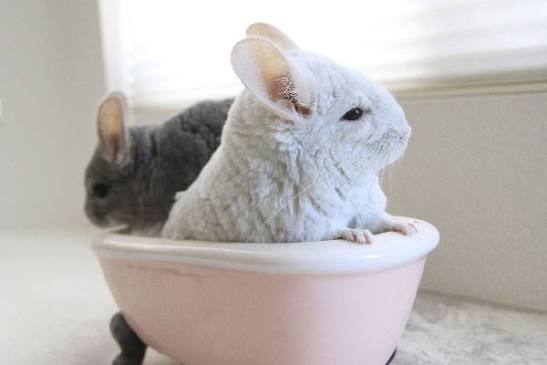
Why can’t chinchillas get wet is one of the first questions new owners ask, and the answer comes down to one thing: their fur is simply too dense to dry properly.
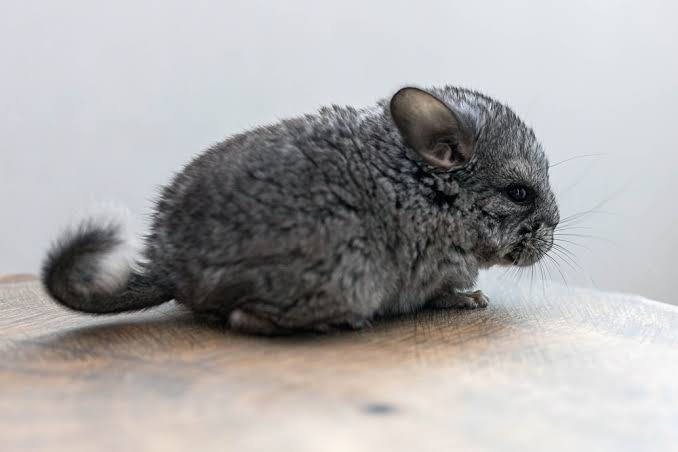
Each hair follicle on a chinchilla can sprout 60 to 100 individual hairs, giving them the thickest coat of any land mammal.
While this fur keeps them warm in their native mountain habitat, it also traps water close to the skin once it gets wet, creating the perfect environment for fungal infections, skin problems, and even hypothermia.
The Real Reason Chinchillas Can’t Get Wet
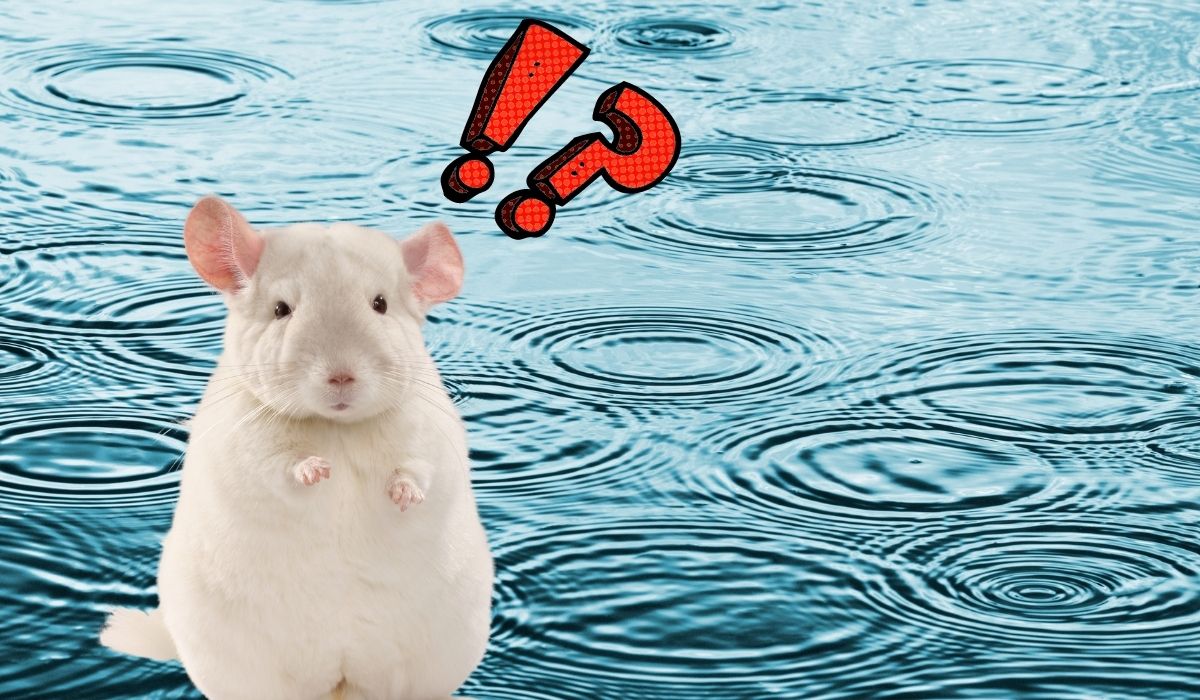
Chinchilla fur grows in dense clusters, with dozens of hairs sprouting from each single follicle rather than just one or two like most mammals.
This incredible density is what makes their coat so soft, but it also means air pockets between the hairs get replaced by water the moment they get wet.
Once water settles deep into the coat, it becomes extremely difficult to remove, since there’s simply too much fur for it to evaporate through quickly.
How Dense Is a Chinchilla’s Fur, Really?
Most mammals, including humans, grow only one or two hairs per follicle, while chinchillas can grow up to 100 hairs from a single follicle.
This density gives chinchillas the title of having the thickest fur of any land animal, which is part of why their coat feels so incredibly soft to the touch.
That same density, however, works against them when exposed to moisture, since water has far more surface area to cling to than it would on thinner fur.
Table: Chinchilla Fur vs Typical Mammal Fur
| Feature | Chinchilla Fur | Typical Mammal Fur |
|---|---|---|
| Hairs per follicle | Up to 60-100 | Usually 1-2 |
| Drying time when wet | Several hours or more | Minutes to an hour |
| Water absorption | Very high | Low to moderate |
| Risk when wet | Fungal infection, hypothermia | Minimal in most cases |
Why Wet Fur Leads to Fungal Infections
When water gets trapped deep in a chinchilla’s coat, it creates a warm, damp environment that’s ideal for fungal growth close to the skin.
This can lead to conditions like ringworm, a contagious fungal infection that’s uncomfortable for the chinchilla and can be difficult to fully treat.
Left unaddressed, ongoing dampness can also cause skin irritation, hair loss, and general discomfort that affects the chinchilla’s overall wellbeing.
Why Wet Fur Can Cause Hypothermia
A chinchilla’s fur works by trapping warm air close to the skin, which acts as natural insulation against cold temperatures.
When that fur becomes wet, water replaces the trapped air, and the insulating effect is lost almost completely, letting cold air reach the skin directly.
This makes wet chinchillas prone to rapid heat loss, and in serious cases, this can progress into dangerous hypothermia if the fur isn’t dried quickly.
Can Chinchillas Drown in Shallow Water?
Surprisingly, yes, chinchillas can be at risk even in shallow water, since their fur becomes heavy and waterlogged very quickly once soaked.
This added weight can make it hard for a chinchilla to move normally, increasing the risk of exhaustion or drowning even in situations that seem low-risk.
This is one more reason experts strongly recommend avoiding any direct exposure to standing water, baths, or deep puddles for pet chinchillas.
Why Chinchillas Rely on Dust Baths Instead
Since water isn’t a safe cleaning option, chinchillas naturally rely on dust baths to keep their fur clean, soft, and free of excess oil.
Rolling around in fine volcanic dust mimics behavior seen in the wild, where chinchillas naturally clean themselves using ash found in their native mountain habitat.
This dry cleaning method removes dirt and distributes natural oils evenly through the coat, without ever introducing the risks that come with water.
How Dust Baths Actually Work
When a chinchilla rolls in dust, the fine particles work their way through the thick fur, absorbing oil, dirt, and moisture along the way.
This process helps keep the fur fluffy, clean, and properly insulated, all without soaking the skin or trapping unwanted dampness underneath.
Because the dust is so fine, it can reach deep into the coat in a way that water simply can’t safely replicate.
How Often Should Chinchillas Get a Dust Bath
Most experts recommend offering a dust bath two to three times per week, giving chinchillas enough opportunity to stay clean without overdoing it.
Bathing too frequently can strip natural oils from the skin, leading to dryness and irritation rather than the intended cleaning benefit.
Leaving a dust bath in the enclosure permanently isn’t recommended either, since chinchillas may start using it as a litter box instead of a cleaning tool.
Table: Chinchilla Dust Bath Quick Guide
| Detail | Recommendation |
|---|---|
| Frequency | 2-3 times per week |
| Duration | 10-20 minutes per session |
| Dust type | Chinchilla-specific volcanic dust only |
| Container size | Large enough to roll around freely |
| Dust replacement | After 2-3 uses or once clumping starts |
What Type of Dust Should You Use?
Only chinchilla-specific dust, made from fine volcanic particles, should be used for a proper dust bath at home.
Regular sand or dust meant for other pets is often too coarse, which can irritate a chinchilla’s delicate skin and eyes during bathing.
Choosing a high-quality, purpose-made dust product ensures your chinchilla gets the cleaning benefits without unnecessary risk of irritation.
Signs Your Chinchilla’s Fur Has Gotten Wet
A chinchilla with wet fur often appears visibly damp, heavier than normal, and may seem more lethargic or uncomfortable than usual.
You might also notice a musty smell developing in the fur, which can be an early sign of trapped moisture starting to affect the skin underneath.
Shivering, reduced activity, or reluctance to move around normally can also indicate your chinchilla is struggling to regulate its body temperature after getting wet.
What to Do if Your Chinchilla Gets Wet by Accident
If your chinchilla accidentally gets wet, gently press a soft towel against the fur to absorb as much moisture as possible without rubbing.
Rubbing can damage delicate skin and tangle the fur further, so gentle patting is always the safer approach when drying.
Follow up with a hairdryer on a cool, low setting held at a safe distance, giving the fur plenty of time to dry completely.
Step-by-Step Emergency Drying Process
Start by removing your chinchilla from the wet area and gently towel-drying as much surface moisture as possible right away.
Next, use a hairdryer on the coolest setting, holding it at least twelve inches away to avoid overheating sensitive skin.
Finally, keep your chinchilla in a warm, draft-free area until the fur feels completely dry, which can take thirty minutes or longer depending on how wet it got.
Should You Follow Up With a Dust Bath?
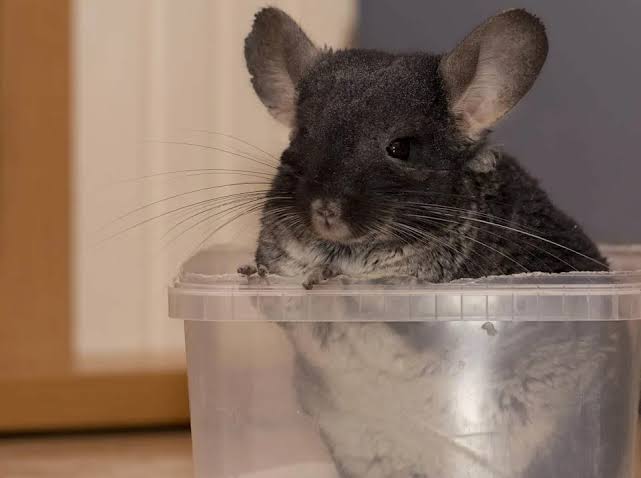
Yes, offering a dust bath after your chinchilla has mostly dried off can help absorb any remaining moisture left in the coat.
This extra step supports faster, more complete drying and reduces the chances of lingering dampness leading to skin problems later on.
Just be sure the chinchilla is no longer soaking wet beforehand, since dust can clump in fur that’s still heavily saturated with water.
Why Chinchillas Don’t Sweat or Pant
Chinchillas can’t cool themselves down the way many other mammals do, since they don’t sweat and rarely pant to release heat.
Instead, they rely heavily on their large, thinly furred ears to help regulate body temperature and stay comfortable in warmer conditions.
This unique cooling method is part of why chinchillas are especially sensitive to both excess heat and excess moisture in their environment.
Do Chinchillas Ever Need an Actual Water Bath?
In most cases, chinchillas should never need a water bath, since dust baths handle all of their regular cleaning needs safely.
The only exception is an emergency situation, such as exposure to a harmful substance like oil, chemicals, or heavily soiled fur that dust alone can’t fix.
Even then, it’s best to consult a veterinarian first, since a professional can offer safer spot-cleaning guidance tailored to the specific situation.
Where Chinchillas Come From and Why It Matters
Chinchillas originate from the arid, mountainous regions of the Andes in South America, where the climate is naturally cool and dry.
Their dense fur evolved specifically to handle cold temperatures in a dry environment, not the humidity or moisture found in many households.
Understanding this natural background helps explain why chinchillas struggle so much with anything involving water, heat, or high humidity indoors.
Humidity and Its Effect on Chinchilla Health
Even without direct water exposure, high humidity levels in a home can affect a chinchilla’s fur and overall comfort over time.
Excess moisture in the air can make it harder for a chinchilla’s coat to stay properly dry and can contribute to skin issues similar to those caused by getting wet.
Keeping your chinchilla’s living space cool and dry, ideally with low humidity, supports healthier fur and reduces the risk of related health problems.
Ideal Environment to Prevent Moisture-Related Issues
Chinchillas do best in cool rooms, generally between 60 and 70 degrees Fahrenheit, with good airflow and minimal humidity.
Avoid placing their enclosure in bathrooms, laundry rooms, or other areas prone to steam and moisture buildup, since this can indirectly affect their coat and skin.
A stable, dry environment supports both healthy fur and better temperature regulation, reducing the overall risk of moisture-related health issues.
Common Myths About Chinchillas and Water
One common myth is that chinchillas dislike water entirely, when in reality they drink water regularly and simply can’t tolerate it on their fur.
Another myth suggests a quick splash of water is harmless, though even small amounts can start the same drying and fungal risks as a full soak.
Some owners also assume towel drying alone is enough, but without proper airflow and time, trapped moisture can remain a problem even after a quick towel-dry.
Chinchilla Skin Is More Sensitive Than It Looks
Beneath all that dense fur, a chinchilla’s skin is actually quite delicate and prone to irritation if exposed to the wrong conditions.
This sensitivity is part of why harsh scrubbing, excessive dust bathing, or prolonged dampness can all lead to noticeable discomfort or visible skin issues.
Handling a chinchilla gently, especially around the coat and skin, helps avoid unnecessary stress on an already delicate system.
Natural Grooming Behavior in the Wild
In their native Andes habitat, wild chinchillas instinctively roll in volcanic ash found near rocky outcrops to keep their coats clean and healthy.
This behavior isn’t learned from other chinchillas, it’s an instinct that’s present from birth, which is why even young pet chinchillas take to dust baths naturally.
Recreating this instinctive behavior at home with proper dust products allows pet chinchillas to express a completely natural, stress-free grooming habit.
Signs a Chinchilla Is Enjoying Its Dust Bath
A happy chinchilla during a dust bath will often roll energetically, flip onto its back, and generally appear relaxed and playful throughout the process.
Some chinchillas even make soft chirping or clicking sounds while bathing, which is generally considered a sign of contentment rather than distress.
If a chinchilla seems reluctant or stressed during bathing, it may be worth checking the dust quality, container size, or overall bathing routine.
A calm, quiet environment during bath time also helps, since sudden noises or handling can make an otherwise enjoyable routine feel stressful instead.
Mistakes New Owners Often Make
One common mistake is assuming any fine dust or sand will work, when only chinchilla-specific volcanic dust is safe and effective for regular use.
Another frequent mistake is leaving the dust bath in the cage permanently, which often leads to it being used as a bathroom rather than a cleaning tool.
Overbathing is another issue, since too much dust exposure can dry out the skin just as much as water exposure can damage the coat.
Table: Common Chinchilla Bathing Mistakes
| Mistake | Why It’s a Problem |
|---|---|
| Using regular sand | Too coarse, can irritate skin and eyes |
| Leaving dust bath in cage full-time | Chinchilla may use it as a litter box |
| Bathing too often | Can dry out skin and strip natural oils |
| Ignoring clumped dust | Dirty, clumped dust won’t clean effectively |
| Using water instead of dust | Leads to fungal infections and hypothermia |
How Temperature and Fur Density Are Connected
Because chinchillas evolved in cold mountain climates, their fur density is directly tied to keeping them warm rather than protecting them from moisture.
This means the same feature that makes their coat so effective at trapping warmth also makes it especially vulnerable once water gets involved.
Understanding this connection helps explain why even a small amount of water exposure can have an outsized effect compared to other small pets.
Building a Simple Chinchilla Care Routine
A consistent care routine should include a scheduled dust bath two to three times weekly, along with regular checks of the fur for cleanliness and dryness.
Keeping the living space cool, dry, and free from excess humidity supports healthy fur without added effort beyond basic environmental control.
Sticking to this simple routine goes a long way toward preventing the kinds of moisture-related issues that cause the most serious health problems.
Combined with a balanced diet and a properly sized enclosure, this small amount of consistent effort keeps most chinchillas healthy and comfortable for years.
Related Searches People Also Look Up
People researching this topic often also search for terms like chinchilla dust bath guide, can chinchillas swim, chinchilla fungal infection symptoms, and chinchilla care for beginners.
Other related queries include best chinchilla dust brands, how to dry a wet chinchilla, and ideal chinchilla room temperature.
These related searches all connect back to the same core issue, protecting a chinchilla’s uniquely dense fur from moisture while keeping their coat clean and healthy.
Key Takeaways Before the FAQs
Chinchillas can’t get wet because their extremely dense fur traps moisture instead of letting it evaporate, creating risks like fungal infections and hypothermia.
Dust baths offer a safe, natural alternative that mimics their wild cleaning habits without introducing any of the risks tied to water exposure.
If your chinchilla ever gets wet by accident, quick towel drying followed by cool airflow and a dust bath is the safest way to help them recover.
Frequently Asked Questions (FAQs)
1. Why can’t chinchillas get wet?
Their extremely dense fur traps water close to the skin. This creates a high risk of fungal infections and hypothermia.
2. What happens if a chinchilla gets wet?
Wet fur takes hours to dry and can lead to skin infections. It can also cause dangerous heat loss.
3. How do chinchillas clean themselves without water?
They roll around in fine volcanic dust regularly. This removes oil and dirt without soaking their skin.
4. How often should a chinchilla have a dust bath?
Most chinchillas need a dust bath 2-3 times weekly. More frequent bathing can dry out their skin.
5. Can chinchillas drown in shallow water?
Yes, their fur becomes heavy and waterlogged quickly. This can make swimming or moving difficult even in shallow water.
6. What should I do if my chinchilla accidentally gets wet?
Gently towel dry, then use a cool hairdryer. Keep them warm until the fur is completely dry.
7. Can I use regular sand instead of chinchilla dust?
No, regular sand is too coarse for their delicate skin. Always use dust made specifically for chinchillas.
8. Do chinchillas ever need an actual water bath?
Rarely, only in emergencies involving harmful substances. A vet should be consulted before attempting this.
9. Why do chinchillas have such dense fur?
They evolved in cold, dry mountain climates in South America. Their fur developed to trap warmth efficiently.
10. Does humidity affect chinchillas even without direct water exposure?
Yes, high humidity can still affect their coat and skin. A cool, dry environment is best for their health.
Conclusion
Chinchillas can’t get wet because their remarkably dense fur, with dozens of hairs growing from each follicle, traps moisture instead of letting it dry out naturally.
This creates real risks, including fungal infections, skin irritation, and even hypothermia, since wet fur loses its ability to insulate against the cold.
Instead of water, chinchillas rely on dust baths a few times a week to stay clean, mimicking the natural volcanic ash baths used by their wild relatives in the Andes Mountains.
If your chinchilla ever gets wet by accident, quick action matters: gently towel dry, use a cool hairdryer at a safe distance, and follow up with a dust bath once they’re mostly dry.
Understanding this unique aspect of chinchilla care helps prevent serious health problems and ensures your pet stays comfortable, healthy, and properly insulated all year round.