Why Are There Dispensaries in Tennessee? Facts 2026
Why are there dispensaries in Tennessee is a question many residents and visitors ask, especially since the state has no legal marijuana program of any kind.
The stores commonly called “dispensaries” in Tennessee are not marijuana dispensaries at all, but licensed hemp and CBD retailers selling federally legal, hemp-derived products.
This confusion exists because these shops often look and operate similarly to marijuana dispensaries found in other states. As of January 1, 2026, Tennessee overhauled its hemp laws, adding stricter licensing, age limits, and THC caps for these businesses.
Is Marijuana Legal in Tennessee
Marijuana remains fully illegal in Tennessee in 2026, for both recreational and medical use, with no exceptions for general adult consumption.
There is no licensed dispensary system, no medical marijuana card program, and no legal pathway for purchasing traditional marijuana products.
Possessing even a small amount of marijuana is treated as a criminal offense under Tennessee law.
Why People See “Dispensaries” in Tennessee
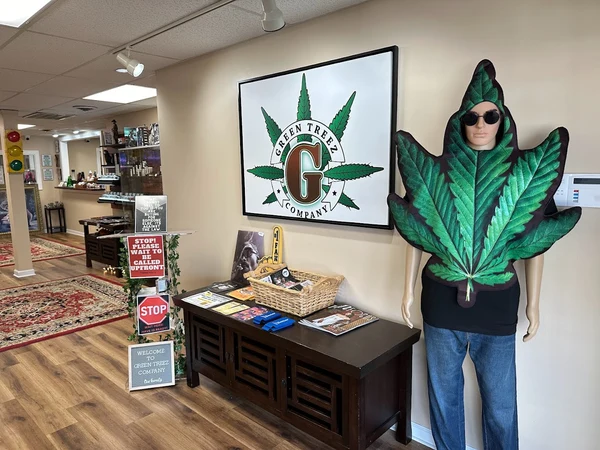
The shops referred to as dispensaries in Tennessee are actually hemp and CBD stores, not licensed marijuana dispensaries.
These stores sell hemp-derived products that are legally distinct from marijuana under both federal and Tennessee law.
Because these shops often resemble dispensaries seen in legal cannabis states, the term has become commonly used, even though it is technically inaccurate.
Quick Facts Table on Tennessee Dispensaries
Here is a quick summary of the key facts behind why hemp shops operate in Tennessee.
| Fact | Details |
|---|---|
| Marijuana Legal Status | Fully illegal for recreational and medical use |
| Licensed Marijuana Dispensaries | None exist in Tennessee |
| Hemp Legal Status | Legal if under 0.3% Delta-9 THC by dry weight |
| Regulating Body | Tennessee Alcoholic Beverage Commission (ABC) |
| New Law Effective Date | January 1, 2026 |
| Minimum Purchase Age | 21 years old |
| THC Limit Per Serving | 15 mg |
| THC Limit Per Package | 300 mg |
| Online Sales/Delivery | Banned under new regulations |
Understanding the Difference Between Hemp and Marijuana
Hemp and marijuana come from the same cannabis plant species but are legally defined by their THC concentration.
Hemp is defined as cannabis containing 0.3 percent or less Delta-9 THC by dry weight, based on the federal 2018 Farm Bill.
Marijuana, by contrast, contains THC levels above this threshold and remains classified as an illegal controlled substance in Tennessee.
The 2018 Farm Bill and Hemp Legalization
The 2018 Farm Bill federally legalized hemp cultivation and hemp-derived products, as long as they meet the 0.3 percent THC limit.
This federal law created the legal foundation that allowed hemp-derived CBD and THC products to be sold across many states, including Tennessee.
Because Tennessee follows this federal definition, hemp-based stores have been able to legally operate despite the state’s strict marijuana laws.
How Hemp Shops Became Common in Tennessee
Following the 2018 Farm Bill, hemp-derived products like Delta-8 THC gained popularity due to their legal gray-area status in many states.
Retailers began opening stores that closely resembled traditional dispensaries, offering vapes, edibles, and other hemp-derived THC products.
For several years, weak enforcement allowed these shops to sell products with relatively high THC concentrations, leading to public confusion.
What Products Were Previously Sold
Before the 2026 regulatory overhaul, many Tennessee hemp shops sold products containing THCA, Delta-8, and other hemp-derived cannabinoids.
THCA, an acidic precursor to THC, converts into impairing THC when heated or smoked, despite not being specifically regulated earlier.
This loophole allowed many intoxicating products to be sold legally, even though their effects closely resembled traditional marijuana.
Why Tennessee Changed Its Hemp Laws in 2026
Regulators found it increasingly difficult to enforce earlier hemp rules, leading to what many considered barely regulated recreational cannabis sales.
An attempt by the Tennessee Department of Agriculture to tighten rules resulted in a lawsuit from the hemp industry, which succeeded in blocking the change.
This led lawmakers to pass a more comprehensive legal overhaul, effective January 1, 2026, to close these regulatory gaps.
Key Changes Under the New 2026 Hemp Law
The new law shifted regulatory oversight from the Department of Agriculture to the Tennessee Alcoholic Beverage Commission (ABC).
It banned the sale of any product containing 0.3 percent or more THC by dry weight, including previously unregulated THCA products.
This significantly reduced the number and potency of hemp-derived products that remain legally available in stores today.
New Licensing Requirements for Hemp Retailers
Hemp-derived THC products can now only be sold at ABC-licensed premises, including designated hemp shops, liquor stores, and select bars.
Convenience stores and grocery stores are being phased out as legal sellers of these products under the new regulatory framework.
This shift aims to create tighter control over where and how these products can be purchased across the state.
Age Restrictions and Purchase Limits
Under the new law, all hemp-derived THC products require buyers to be at least 21 years old, similar to alcohol purchase laws.
THC content is now capped at 15 milligrams per serving and 300 milligrams per non-beverage package.
These limits are designed to reduce the potency and potential for misuse associated with previously unregulated hemp products.
Ban on Online Sales and Delivery
The updated regulations eliminated direct-to-consumer shipping, delivery services, and vending machine sales for hemp-derived THC products.
All purchases must now be made in person at a licensed location, increasing oversight and age verification at the point of sale.
This change specifically targets easier access points that previously allowed minors or unauthorized buyers to obtain these products.
Transition Period for Existing Retailers
Retailers who held a valid Tennessee Department of Agriculture license before December 31, 2025, were allowed to continue operating under old rules temporarily.
These businesses can operate under previous regulations until their existing licenses expire, with a deadline of June 30, 2026.
After this transition period, full enforcement of the new licensing and product restrictions applies to all hemp retailers statewide.
Tennessee’s Limited Medical Cannabis Exception
Tennessee law allows a very narrow exception for patients with qualifying conditions to possess low-THC cannabis oil.
This oil must contain no more than 0.9 percent THC, along with a significant concentration of CBD.
Importantly, this is not a functioning medical marijuana program, as there are no licensed dispensaries or patient registration systems supporting it.
Why Tennessee Has No Medical Marijuana Program
Despite growing national trends toward legal medical cannabis, Tennessee has not established a comprehensive medical marijuana program as of 2026.
A proposed bill, SB 459, aimed to create a full licensing framework for cultivators, processors, and dispensaries, but it did not pass this session.
The bill was deferred for summer study, leaving Tennessee without a formal medical cannabis system for the time being.
Proposed Medical Cannabis Framework
The deferred legislation outlined a lottery-based licensing system for cultivators, processors, dispensaries, and testing laboratories across the state.
It also proposed a medical cannabis commission, along with reciprocity agreements with states like Arkansas, Missouri, Ohio, and Utah.
While the bill did not advance, continued advocacy suggests future legislative sessions may revisit similar proposals.
Federal Marijuana Rescheduling and Tennessee Law
Ongoing discussions at the federal level about rescheduling marijuana could eventually influence how Tennessee classifies cannabis-related substances.
However, federal rescheduling alone would not automatically create recreational dispensaries or legalize marijuana possession within the state.
Any such change would still require separate action from Tennessee lawmakers to implement a functioning dispensary or medical program.
Penalties for Illegal Marijuana Possession
Possessing marijuana that exceeds Tennessee’s legal THC limits is treated the same as illegal marijuana possession under state law.
This is generally classified as a Class A misdemeanor, carrying potential fines and criminal record consequences.
If THC is detected during a traffic stop, it may also be used as evidence in a DUI case, provided impairment can be proven.
What Is Legally Available in Tennessee Hemp Shops Today
Following the 2026 overhaul, legal hemp shops can still sell products within the new THC limits, including certain edibles and low-potency items.
Products with very low THC concentrations, such as topical lotions, generally remain available under the updated regulations.
Overall, the range and potency of available products have significantly decreased compared to what was previously sold before 2026.
How to Tell If a Tennessee Shop Is Operating Legally
Legally operating hemp shops in Tennessee should be ABC-licensed and enforce the required 21-plus age verification at the point of sale.
Products sold should comply with the new THC limits per serving and package as outlined in the 2026 regulations.
Consumers concerned about compliance can verify licensing status through Tennessee’s Alcoholic Beverage Commission for added confidence when purchasing.
Frequently Asked Questions (FAQs)
1. Why are there dispensaries in Tennessee if marijuana is illegal?
These are hemp and CBD stores selling legal hemp-derived products, not marijuana dispensaries.
2. Is marijuana legal in Tennessee in 2026?
No, marijuana remains fully illegal for both recreational and medical use.
3. What changed in Tennessee’s hemp laws in 2026?
New ABC regulations added licensing, age limits, and THC caps for hemp products.
4. What is the legal age to buy hemp products in Tennessee?
Buyers must be at least 21 years old under the new law.
5. Can I buy hemp products online in Tennessee?
No, online sales and delivery of hemp-derived THC products are now banned.
6. Does Tennessee have a medical marijuana program?
No, a proposed bill was deferred and did not pass this session.
7. What is the THC limit for hemp products in Tennessee?
The limit is 15 mg per serving and 300 mg per package.
8. Who regulates hemp shops in Tennessee now?
The Tennessee Alcoholic Beverage Commission oversees hemp product licensing and sales.
9. Can grocery stores sell hemp products in Tennessee?
No, grocery and convenience store sales are being phased out.
10. What happens if I possess high-THC products in Tennessee?
It is treated as illegal marijuana possession, a Class A misdemeanor.
Conclusion
Why are there dispensaries in Tennessee ultimately comes down to a legal distinction between hemp and marijuana, not an actual marijuana dispensary system.
Tennessee has no legal recreational or medical marijuana program, but hemp-derived products remain legal under federal and state law when they meet strict THC limits.
The 2026 hemp law overhaul introduced tighter licensing through the Alcoholic Beverage Commission, stricter age verification, and new THC caps to close previous regulatory gaps.
While a proposed medical cannabis bill was deferred this legislative session, ongoing advocacy suggests future changes may still be possible.
For now, what many call dispensaries in Tennessee are simply regulated hemp retailers operating within a narrow legal framework.
Understanding this distinction helps consumers stay compliant and avoid legal issues in a state with some of the strictest cannabis laws in the country.