Why Are My Cat’s Ears Cold? Causes & What It Means 2026
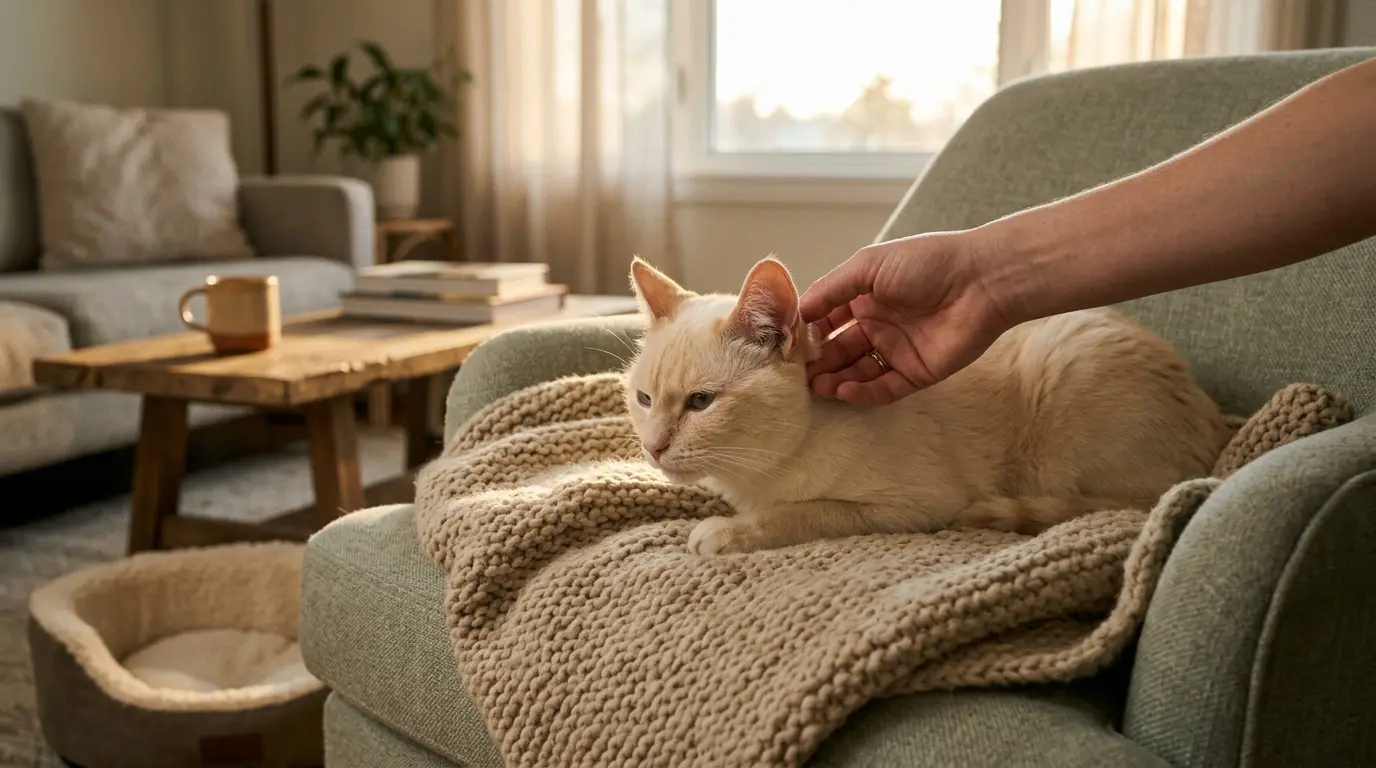
Why Are My Cat’s Ears Cold? even though the rest of their body feels warm? It is one of the most common questions cat owners ask, especially during colder months. In most cases, cold ears are completely normal and simply mean blood flow has shifted away from the extremities.
Your cat’s ears are thin, have very little fur, and sit at the very edge of the body. That makes them one of the first places to feel cool, long before anything is actually wrong.
Many owners panic the moment they touch a cool ear, assuming their cat must be sick. In reality, ears are designed to release and lose heat quickly, which makes them a poor stand-alone gauge of overall health. Reading the whole cat, not just one body part, is the real key to understanding what is going on.
Why Are My Cat’s Ears Cold?
Cold ears in cats are usually caused by cool room temperatures, reduced blood flow to the extremities, or simply waking up from a nap. This is normal in a healthy, active cat.
Cold ears become a concern only when paired with lethargy, poor appetite, shivering, pale gums, or confusion. Those combined signs can point to hypothermia, poor circulation, or illness.
Key Takeaways
- Cat ears are naturally cooler than the rest of the body because they have little fur and sit far from the core.
- A cool room, a draft, or just waking up can all make ears feel cold.
- Cold ears alone are rarely an emergency in an otherwise active cat.
- Cold ears combined with lethargy, weakness, or pale gums need urgent veterinary attention.
- Kittens, senior cats, and short-haired breeds lose heat faster and chill more easily.
Normal Reasons Your Cat’s Ears Feel Cold
Most of the time, cold ears have nothing to do with illness. They are simply a side effect of how a cat’s body manages heat.
Cool Room Temperature
If the air conditioning is running or a window is cracked open, the ears cool down fast. Ears have thin skin and almost no insulation, so they react to room temperature quicker than the rest of the body.
Cats sitting near a vent, fan, or drafty window will almost always have cooler ears than cats curled up in a warm spot.
Reduced Blood Flow to Extremities
When a cat feels cool, blood vessels near the skin constrict. This process, called vasoconstriction, redirects blood toward the vital organs in the core.
Ears, paws, and the tail lose warmth first because they are the least essential to survival. This is a completely normal temperature-regulation response, not a sign of disease.
Just Woke Up or Inactive
Movement generates body heat. A cat that has been sleeping for hours will naturally have cooler extremities than one that has been playing or walking around.
Give your cat a few minutes after waking up. Ears often warm back up on their own once the cat starts moving.
Enjoys Cool Air on Purpose
Some cats deliberately seek out cool spots, tile floors, or air vents because they enjoy the sensation. This does not mean the cat is cold or unwell.
If your cat is alert, eating normally, and behaving as usual, cool ears from a preferred cool spot are nothing to worry about.
Breed and Fur Type
Short-haired breeds and cats with thin coats lose heat faster through their ears than long-haired breeds. Ear shape also plays a role, since larger or thinner ears release heat more quickly.
Age Factor
Kittens and senior cats regulate body temperature less efficiently than adult cats in their prime. Older cats especially have slower metabolisms, which can make cold ears and paws more common.
Normal vs Concerning Cold Ears
| Sign | Normal Cold Ears | Cause for Concern |
|---|---|---|
| Behavior | Active, alert, playful | Lethargic, weak, unresponsive |
| Appetite | Eating and drinking normally | Refusing food or water |
| Gum color | Pink | Pale, blue, or white |
| Duration | Warms up within minutes | Stays cold for hours |
| Other body parts | Core feels warm | Paws, tail, and body also cold |
| Breathing | Normal | Slow, shallow, or labored |
When Cold Ears Signal a Health Problem
Cold ears become a real concern when they appear alongside other symptoms. The ears are simply an early warning sign, not the actual problem.
Hypothermia
Hypothermia happens when a cat’s core body temperature drops below the normal range, usually from prolonged cold exposure. Ears, paws, and the tail are typically the first areas to feel ice cold.
As hypothermia progresses, shivering, weakness, and slow breathing can follow. This is considered a medical emergency and needs immediate veterinary care.
Poor Circulation or Heart Disease
Conditions that affect the heart or blood vessels can reduce circulation to the extremities. This can leave the ears feeling consistently cool even in a warm room.
Watch for other signs like rapid breathing, weakness, or reduced activity alongside the cold ears.
Shock
Shock is a life-threatening drop in blood flow to the body’s tissues. It can cause cold ears and paws along with pale gums, a rapid heart rate, and collapse.
Shock requires emergency treatment right away, so do not wait to see if symptoms improve on their own.
Anemia
A low red blood cell count can leave a cat’s body struggling to maintain normal warmth in the extremities. Pale gums are usually the clearest accompanying sign.
Fever With Cold Extremities
It may sound contradictory, but a cat running a fever can still have cold ears. The body pulls blood toward the core to fight infection, leaving the extremities cooler even while the core temperature rises.
Understanding Normal Cat Body Temperature
Knowing what is normal helps you judge whether cold ears are worth worrying about.
| Category | Temperature Range |
|---|---|
| Normal cat body temperature | 100.5°F to 102.5°F (38°C to 39.2°C) |
| Mild hypothermia (Stage I) | 90°F to 95°F (32°C to 35°C) |
| Moderate hypothermia (Stage II) | 82°F to 90°F (28°C to 32°C) |
| Severe hypothermia | Below 82°F (28°C) |
A rectal thermometer is the only accurate way to confirm your cat’s actual temperature. Touching the ears alone cannot tell you whether your cat is truly cold.
Signs of Hypothermia to Watch For
If your cat has been exposed to cold temperatures, check for these signs in addition to cold ears.
- Uncontrollable shivering, often the first noticeable sign
- Lethargy, weakness, or difficulty standing
- Pale, blue, or white gums
- Slow or shallow breathing
- Confusion or lack of responsiveness
- Muscle stiffness
- Collapse or loss of consciousness in severe cases
Any combination of these symptoms means it is time to head straight to the vet. Do not wait for more symptoms to appear before acting.
What To Do If Your Cat’s Ears Are Cold
Follow these steps to figure out whether your cat simply needs a warm spot or actual medical help.
Step 1: Check the Whole Cat, Not Just the Ears
Feel the paws, tail, and belly. If everything else feels normal and your cat is behaving normally, the cold ears are likely just a temperature response.
Step 2: Watch Behavior for a Few Minutes
Active, alert cats that are eating, grooming, and moving normally are almost never in danger. Lethargy or hiding is the bigger red flag to watch for.
Step 3: Move Your Cat to a Warmer Spot
If the room is cool or drafty, relocate your cat somewhere warmer. A cozy blanket or a heated cat bed can help the ears return to normal temperature quickly.
Step 4: Warm Gradually if Needed
If your cat feels genuinely cold all over, warm them slowly using dry towels or a wrapped warm water bottle. Avoid direct heating pads, since they can burn sensitive skin.
Step 5: Call the Vet if Symptoms Persist
If cold ears are joined by lethargy, poor appetite, pale gums, or breathing changes, contact your veterinarian right away. These combined signs should never be managed at home alone.
How to Keep Your Cat Warm in Cold Weather
A few simple habits can prevent cold ears from becoming an actual problem.
- Keep indoor temperatures between 68°F and 77°F, especially for senior cats and kittens.
- Provide a warm bed away from drafts, windows, and air vents.
- Offer soft blankets your cat can burrow into.
- Limit time outdoors during cold, wet, or windy weather.
- Dry your cat thoroughly if they get wet outside.
- Feed a balanced diet to support healthy metabolism and body heat production.
Mistakes to Avoid
Avoid these common missteps when dealing with a cat that feels cold.
- Do not judge your cat’s temperature by touching the ears alone.
- Do not use direct heating pads without a barrier, since they can cause burns.
- Do not warm a hypothermic cat too quickly, which can trigger shock.
- Do not ignore lethargy or appetite loss just because your cat seems otherwise fine.
- Do not assume older cats with cold ears are automatically sick without checking other symptoms.
Expert Tip
Veterinary sources consistently note that touch alone cannot confirm whether a cat is actually cold or hypothermic. A pet thermometer is the only reliable way to know your cat’s true body temperature.
If you are ever unsure, a quick call to your vet clinic can help you decide whether home care is enough or whether your cat needs to be seen right away.
How Cats Regulate Body Temperature
Cats maintain warmth through a process called thermoregulation, which balances heat loss against heat production. Ears, paws, and the tail are the body’s main release points for excess heat.
When the environment turns cool, the body narrows blood vessels near the skin to slow heat loss. This is exactly why the ears cool down before the rest of the body reacts.
The opposite also happens. On a hot day, blood vessels in the ears widen to release heat faster, which is why ears can feel especially warm in summer.
This constant adjustment is a healthy, ongoing process. Cold ears are simply one visible sign that the system is working as intended.
Cold Ears in Kittens vs Adult Cats vs Senior Cats
Age plays a major role in how well a cat holds onto body heat. Understanding these differences helps you know what to expect at each life stage.
Kittens
Kittens have a higher surface-area-to-body-weight ratio, so they lose heat much faster than adults. Their temperature-regulating systems are also still developing.
Cold ears in a kitten deserve closer attention, especially in very young or newborn litters. Keep kittens in a warm, draft-free space and monitor them closely.
Adult Cats
Healthy adult cats regulate temperature efficiently and can tolerate brief cold ears without any issue. Their bodies quickly restore normal circulation once conditions warm up.
Senior Cats
Older cats often have slower metabolisms and thinner body fat, both of which make it harder to stay warm. Cold ears and paws are more common in senior cats even in a mild chill.
Chronic conditions like thyroid disorders or heart disease also become more common with age. This is why persistent cold ears in a senior cat are worth mentioning at their next vet visit.
Cold Ears After Bathing or Getting Wet
Wet fur strips away the insulating layer that normally traps body heat. Ears in particular cool down fast once they are damp, since they have so little natural insulation to begin with.
Always dry your cat thoroughly with a towel after a bath. Keep them in a warm room until their coat and ears are completely dry.
Breeds More Prone to Cold Ears
Certain physical traits make some cats more likely to have cooler ears than others.
| Trait | Effect on Ear Temperature |
|---|---|
| Short or thin coat | Less insulation, faster heat loss |
| Large or thin ears | More surface area to release heat |
| Low body fat | Less stored energy for warmth |
| Hairless breeds | Minimal natural insulation |
| Long, dense coat | Retains heat more effectively |
Breeds like the Sphynx, Devon Rex, and Cornish Rex tend to feel cooler to the touch more often. This is simply a trait of their coat type, not a sign of poor health.
How Vets Diagnose the Cause of Cold Ears
If you bring your cat in for persistently cold ears, your vet will start with a full physical exam. This usually includes checking gum color, heart rate, and respiratory rate.
A rectal thermometer confirms the actual body temperature rather than relying on how the ears feel. Blood tests may follow if the vet suspects anemia, thyroid issues, or another underlying condition.
Sharing details about recent cold exposure, activity level, and appetite helps your vet reach a diagnosis faster. The more information you provide, the quicker the visit tends to go.
Cold Ears vs Cold Nose vs Cold Paws
Cat owners often wonder if a cold nose means the same thing as cold ears. The two are not directly connected, since a cat’s nose temperature naturally fluctuates throughout the day regardless of room temperature.
Paws behave more like ears, since they are also extremities with less insulation. If the paws, ears, and tail are all cold together, it is more likely related to overall body temperature.
A cold nose on its own, without cold ears or paws, is usually not a meaningful health signal. Focus on the combination of symptoms rather than any single body part.
Seasonal Considerations
Cold ears are far more common in fall and winter when indoor heating cycles on and off. Drafts near doors and windows can also create cold spots your cat may sit in without realizing it.
In summer, air conditioning vents can have the same cooling effect on the ears. Check where your cat likes to nap, since it often explains the temperature you feel.
Outdoor cats and indoor-outdoor cats face the highest risk during cold snaps, rain, or snow. Limiting outdoor time during extreme weather is one of the simplest ways to prevent real cold-related problems.
Related Signs on Paws and Tail
The paws and tail typically follow the same pattern as the ears, since all three are extremities. Checking them together gives a more complete picture than checking the ears alone.
Cold, dry paw pads combined with normal behavior usually mean nothing more than a chilly room. Cold, clammy, or unusually pale paw pads alongside lethargy deserve a same-day vet call.
Frequently Asked Questions (FAQs)
Are cold ears always a sign my cat is sick?
No, cold ears are usually completely normal, especially in a cool room or right after waking up. They only become concerning when paired with lethargy or other symptoms.
What temperature should my house be for my cat?
Most cats are comfortable between 68°F and 77°F. Kittens, senior cats, and short-haired breeds often prefer the warmer end of that range.
Can I tell my cat’s temperature just by touching their ears?
No, touch is not a reliable way to measure body temperature. A pet-safe rectal thermometer gives the only accurate reading.
Why are my cat’s ears cold but the rest of their body is warm?
This happens because blood flow shifts away from the extremities first to protect the core. Ears cool down before the rest of the body does.
Is it normal for a cat’s ears to be cold after surgery?
Yes, anesthesia and shaved fur can temporarily affect temperature regulation after spaying or neutering. This usually resolves within a few days.
What are the first signs of hypothermia in cats?
Uncontrollable shivering is typically the earliest sign. Lethargy, weakness, and cold ears and paws often follow soon after.
Should I worry if my senior cat always has cold ears?
Older cats do have a harder time retaining heat due to a slower metabolism. However, persistent cold ears combined with lethargy should be checked by a vet.
Can cold ears mean my cat has a fever?
Yes, a cat fighting a fever can still have cold extremities as blood is redirected to the core. Check for other fever signs like lethargy or reduced appetite.
When should I take my cat to the vet for cold ears?
Go immediately if cold ears are joined by weakness, pale gums, slow breathing, or unresponsiveness. These combined signs point to a possible emergency.
How can I warm up my cat safely at home?
Use dry towels, warm blankets, or a wrapped warm water bottle rather than direct heat sources. Warm gradually and monitor closely, seeking vet care if symptoms persist.
Conclusion
Cold ears are one of the most common things cat owners notice, and in most cases, there is a simple explanation. A cool room, reduced blood flow, or a recent nap can all make the ears feel chilly without anything being wrong.
The key is to look at the whole picture rather than the ears alone. An active, hungry, alert cat with cold ears is almost always fine.
Pay closer attention when cold ears show up alongside lethargy, pale gums, shivering, or breathing changes. Those combined signs can point to hypothermia, poor circulation, or another underlying issue that needs a vet’s attention.
When in doubt, a quick check of your cat’s overall behavior, plus a call to your veterinarian, is always the safest path forward.