
Why Are Jellycats So Expensive? Quality vs Price 2026
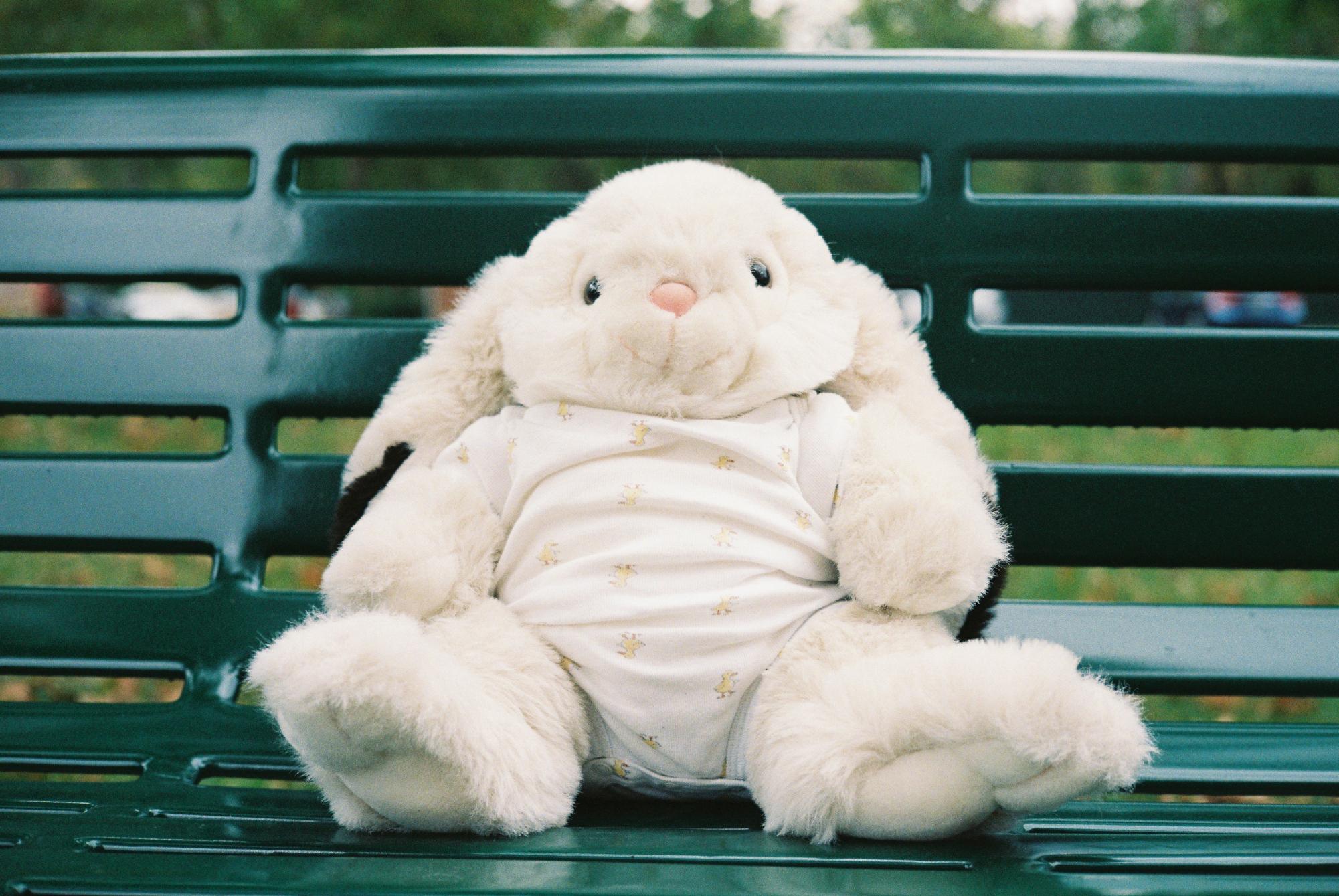
Why are Jellycats so expensive is a question almost every shopper asks the first time they see the price tag on one of these plush toys. A small keychain can cost twenty-five dollars, and larger characters often climb much higher.
The answer comes down to premium materials, ethical manufacturing, and a brand built on emotional connection rather than mass production. Jellycat is positioned as a luxury plush brand, not a budget toy.
Why Are Jellycats So Expensive? Quick Overview
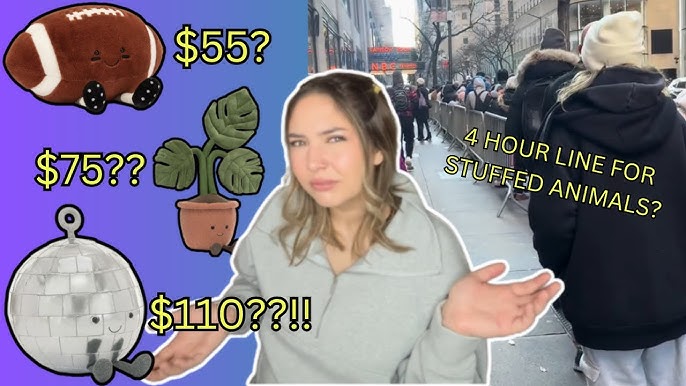
Jellycat toys typically cost two to three times more than generic plush toys. Prices commonly range from twelve dollars for small items to well over one thousand dollars for rare or oversized pieces.
This price gap often surprises first-time buyers who are used to shopping for standard mass-market stuffed animals. Once you understand what goes into each piece, the pricing starts to make more sense.
The table below gives a fast snapshot of the main pricing factors before we explore each one in detail.
| Factor | Why It Raises Price |
|---|---|
| Premium fabrics | Custom-blended plush, chenille, viscose |
| Ethical manufacturing | Fair wages, safe factory conditions |
| Handmade details | Hand-stitched eyes, noses, and seams |
| Brand and design | Whimsical characters, collector appeal |
| Limited availability | Retired designs, seasonal releases |
What Makes Jellycat Different From Other Plush Brands
Jellycat was founded in the United Kingdom in 1999. Since then, it has grown into one of the most recognized names in premium plush toys worldwide.
Unlike many competitors, Jellycat positions itself as a lifestyle and gifting brand, not just a toy company.
A Brand Built on Character and Personality
Every Jellycat design has a name and a distinct personality, like Bashful Bunny or Ricky Rain Frog. This personification creates emotional attachment beyond a typical stuffed animal.
Collectors often follow these characters the way people follow fashion trends.
Positioning as a Luxury Gift Item
Jellycat markets its products as memorable gifts rather than everyday toys. This positioning allows the brand to charge premium prices similar to other luxury lifestyle goods.
Packaging, branding, and in-store displays all reinforce this upscale image.
The Materials Behind the Price Tag
One of the biggest reasons for higher prices is the quality of materials used. Jellycat does not rely on the cheapest available fabrics.
This directly affects both feel and durability.
Custom-Blended Plush Fabrics
Jellycat uses high-grade polyester plush, chenille, and viscose blends. These create the brand’s signature soft, almost buttery texture.
Cheaper plush toys often use thin, pilling synthetic fabrics that wear out quickly.
OEKO-TEX Certification and Safety Standards
Many Jellycat fabrics are OEKO-TEX certified, meaning they are tested and verified free from harmful chemicals. This certification adds cost but ensures a safer product.
This is especially important for toys intended for babies and young children.
Balanced, Long-Lasting Filling
The filling inside Jellycat toys is designed to stay plump without becoming heavy. This balance keeps the toy’s shape intact through years of use.
Lower-cost plushies often flatten or lose shape after repeated washing.
Craftsmanship and Manufacturing Quality
Beyond materials, the way Jellycat toys are made also drives up cost. Manufacturing quality is a major differentiator compared to mass-market plush toys.
Hand-Stitched Details
Each Jellycat features carefully hand-stitched eyes, noses, and seams. This level of detail requires more time and skilled labor than fully automated production.
Precision stitching also improves the toy’s overall durability.
Attention to Design Consistency
Jellycat maintains consistent quality control across its wide range of characters. This ensures every unit meets the same standard, regardless of size or style.
Consistency at scale requires more oversight, which adds to production costs.
Ethical and Sustainable Manufacturing Practices
A significant part of Jellycat’s pricing reflects its commitment to ethical labor practices. This is one of the most frequently cited reasons for the brand’s higher cost.
Fair Wages and Labor Standards
Jellycat follows the Modern Slavery Act of 2015 and enforces strict labor standards across its supply chain. Yearly reviews include worker interviews, pay audits, and site visits.
Paying fair wages naturally increases production costs compared to exploitative low-cost manufacturing.
The Responsible Sourcing Code of Practice
In 2018, Jellycat introduced its Responsible Sourcing Code of Practice. This framework governs labor standards from manufacturer to supplier.
It represents an ongoing commitment rather than a one-time policy change.
Sustainability Efforts
Jellycat has shifted away from plastic packaging toward boxes and string-based alternatives. These sustainability changes also contribute to overall production costs.
Many consumers view this as a worthwhile trade-off for reduced environmental impact.
| Practice | Impact on Price |
|---|---|
| Fair wage enforcement | Higher labor costs than cheap manufacturing |
| Regular factory audits | Added administrative and oversight costs |
| Sustainable packaging | Higher material costs than plastic packaging |
| Responsible sourcing code | Ongoing compliance and monitoring costs |
Brand Demand and Collectibility
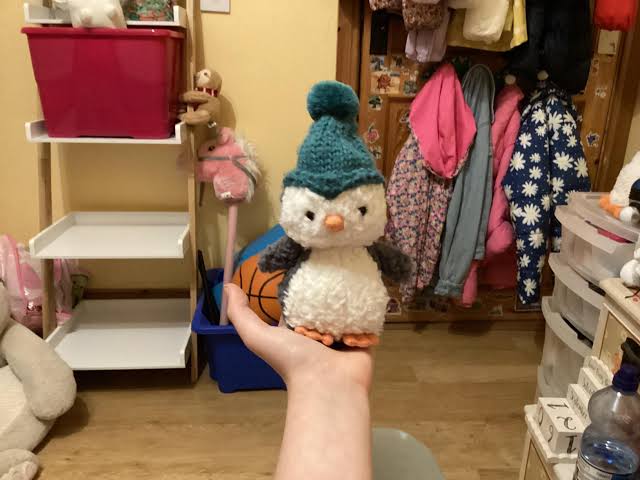
Jellycat has grown into a genuine collector’s market, not just a toy for children. This demand significantly influences pricing, especially for rare items.
Limited Editions and Retired Designs
Jellycat regularly retires older designs and releases new characters twice a year. Retired items can become highly sought after, sometimes reselling for far more than their original price.
This scarcity effect is a major driver behind higher prices for certain pieces.
Seasonal and Exclusive Releases
Seasonal collections and store-exclusive designs create additional demand spikes. Limited production runs naturally support higher price points.
Collectors often actively track these releases to secure rare pieces early.
Resale and Secondary Market Value
Some retired Jellycat characters resell for significantly more than their retail price. This resale potential adds a perceived investment value to certain purchases.
Not every design gains resale value, but well-known retired characters often do.
Comparing Jellycat to Budget Plush Toys
Understanding the difference between Jellycat and cheaper alternatives helps clarify where the extra cost goes. The comparison goes beyond just the price tag.
| Feature | Jellycat | Budget Plush Toys |
|---|---|---|
| Fabric quality | Premium, custom-blended | Thin, basic synthetic |
| Stitching | Hand-finished details | Fully machine-made |
| Labor practices | Fair wage, audited factories | Often low-cost, unregulated |
| Durability | Holds shape for years | Flattens or wears quickly |
| Collector value | Some designs appreciate | Rarely holds resale value |
Is the Higher Price Actually Worth It
Whether Jellycat is worth the price depends largely on personal priorities and how the toy will be used. For some buyers, the value is clear.
For others, more affordable alternatives may suit their needs better.
When Jellycat Is Likely Worth It
If you value long-term durability, ethical sourcing, and emotional or collectible value, Jellycat often delivers strong value. Many owners report their toys lasting for years without losing shape.
Gifting occasions, like births or milestones, are also common reasons buyers choose Jellycat.
When a Cheaper Alternative May Make More Sense
If budget is the primary concern, or the toy is for very young children likely to lose or damage it quickly, a less expensive plush may be more practical. Not every situation calls for a premium purchase.
Personal values around price versus sentimental value ultimately guide this decision.
How Jellycat Prices Vary by Size and Type
Jellycat pricing is not uniform across all products. Several factors affect where a specific item falls on the price spectrum.
| Product Type | Typical Price Range |
|---|---|
| Keychains and small charms | $12 to $30 |
| Small to medium plush | $25 to $60 |
| Large plush animals | $60 to $150 |
| Oversized or exclusive designs | $150 to $1,000 or more |
Why Size Impacts Price So Much
Larger plush toys require significantly more fabric, filling, and labor time. This directly scales production costs upward.
Oversized designs are also often produced in smaller batches, further increasing rarity and price.
Why Certain Designs Cost More Than Others
Limited-edition characters, seasonal releases, and exclusive collaborations typically carry higher price tags. Standard, ongoing collection items tend to be more affordably priced.
Checking whether a design is part of an ongoing or limited collection helps explain price differences.
How to Identify Authentic Jellycat Products
Because of Jellycat’s popularity, counterfeit versions have become increasingly common. Knowing how to spot authentic products protects your purchase.
Buy From Trusted and Authorized Retailers
Purchasing directly from the official Jellycat website or authorized retailers reduces the risk of counterfeit products. Unverified marketplace sellers carry higher risk.
Authorized retailers typically display official Jellycat branding and licensing.
Check Fabric Quality and Stitching
Authentic Jellycat toys feature consistent, high-quality stitching and soft, premium fabric. Counterfeit versions often use thinner materials and visibly rougher seams.
Comparing texture and stitching closely can reveal quality differences quickly.
Look for Official Tags and Packaging
Genuine Jellycat products include official tags with accurate branding and character names. Missing or inconsistent tags are a common sign of counterfeit items.
Packaging quality is also generally more refined on authentic products.
Tips for Getting the Best Value on Jellycat Purchases
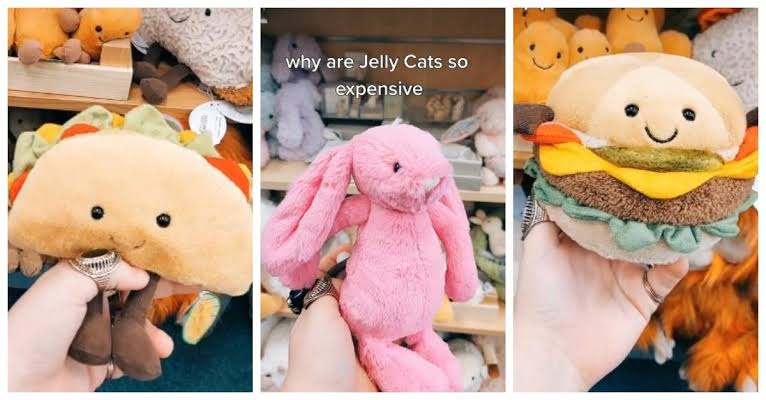
If you have decided a Jellycat purchase is worth it, a few strategies can help you get better value. Timing and research both play a role.
Shop During Sales Events
Official Jellycat sales and authorized retailer promotions can offer meaningful savings. Signing up for brand newsletters often provides early access to these events.
Watching for seasonal sales is one of the simplest ways to reduce cost.
Consider Smaller Sizes for Everyday Use
Smaller Jellycat items offer the same quality materials at a lower price point. This can be a good entry point if you are trying the brand for the first time.
Smaller sizes also make practical, budget-friendly gifts.
Research Before Buying Limited Editions
If considering a purchase for potential resale value, research past pricing trends for similar retired characters. Not all limited editions appreciate in value equally.
Buying primarily for enjoyment, rather than resale speculation, is generally the safer approach.
The Emotional Value Behind Jellycat Purchases
Price aside, many buyers describe an emotional connection to their Jellycat that goes beyond a typical stuffed animal. This emotional factor plays a real role in perceived value.
Comfort Items for All Ages
Jellycat is not only marketed to children. Many adults purchase Jellycat plush toys for comfort, stress relief, or simple everyday joy.
This wider appeal expands demand beyond the traditional children’s toy market.
Meaningful Gifting Occasions
Jellycat toys are frequently chosen for milestone gifts, such as new babies, birthdays, or comforting gestures during difficult times. The character-driven design adds sentimental meaning to the gift.
Buyers often report choosing Jellycat specifically because the gift feels more thoughtful than a generic option.
A Sense of Nostalgia and Longevity
Because Jellycat toys are built to last for years, they often become long-term keepsakes. Some owners keep childhood Jellycats well into adulthood.
This longevity adds emotional weight that budget alternatives rarely provide.
How Jellycat’s Marketing Strategy Supports Premium Pricing
Marketing plays a significant role in how consumers perceive Jellycat’s value. The brand’s approach differs noticeably from typical toy marketing.
Family-Friendly, Whimsical Branding
Jellycat maintains a consistent, gentle, and playful brand voice across its website, packaging, and social media. This tone reinforces the idea of a premium, thoughtfully designed product.
Consistent branding builds trust and recognition among repeat buyers.
Strong Social Media Presence
Jellycat has a highly engaged social media following, with fans sharing collections and new character reveals. This organic promotion reduces the need for traditional advertising while building strong brand loyalty.
User-generated content often drives additional demand for new releases.
Retail Partnerships and Store Displays
Jellycat products are frequently featured in prominent in-store displays at gift shops and department stores. This premium retail placement reinforces the brand’s upscale positioning.
Physical presentation in stores often mirrors the polished feel of the products themselves.
Common Criticisms of Jellycat Pricing
Not everyone agrees that Jellycat’s prices are fully justified. Understanding common criticisms provides a balanced view of the pricing debate.
Concerns About Small Item Pricing
Some consumers feel that small items, like keychains, are priced disproportionately high relative to their size. This is one of the most frequently raised criticisms online.
Critics argue that brand markup plays as large a role as material cost for smaller items.
Comparisons to Other Premium Brands
Shoppers sometimes compare Jellycat pricing to other premium lifestyle brands rather than traditional toy companies. This comparison can make prices feel more justified or less justified depending on perspective.
Ultimately, perceived value varies significantly between individual buyers.
Balancing Enthusiasm with Budgeting
Because of strong emotional appeal, some buyers report overspending on Jellycat collections. Setting a personal budget before shopping can help manage this risk.
Enjoying the brand does not require purchasing every new release.
Alternatives to Consider If Jellycat Is Outside Your Budget
If Jellycat’s price point does not fit your budget, several other options can still offer quality and charm. These alternatives vary in price and quality level.
| Alternative Type | What to Expect |
|---|---|
| Mid-range plush brands | Good quality, lower price than Jellycat |
| Department store plush lines | Budget-friendly, variable quality |
| Secondhand or thrifted plush | Lower cost, condition varies |
| Smaller Jellycat items | Same brand quality at a lower entry price |
Choosing a Mid-Range Alternative
Several plush brands aim for a middle ground between budget toys and luxury brands like Jellycat. These can offer decent quality without the premium price tag.
Reading reviews on fabric quality and durability helps identify better mid-range options.
Considering Secondhand Jellycat Purchases
Buying gently used Jellycat items through verified resellers can reduce cost while still providing genuine quality. Always verify authenticity carefully when buying secondhand.
This option works well for collectors seeking retired designs at a lower price. Just be sure to inspect photos closely and ask sellers about condition before completing a purchase.
Quick Reference: Quality vs Price Breakdown
Bringing everything together, this table summarizes exactly what each part of the price covers. It offers a simple way to weigh quality against cost.
| Price Component | What You’re Paying For |
|---|---|
| Fabric and materials | Premium, certified-safe plush blends |
| Labor and craftsmanship | Fair wages and hand-finished detailing |
| Brand and design | Character development and collector appeal |
| Ethics and sustainability | Audited factories and eco-conscious packaging |
| Scarcity | Limited editions and retired character demand |
Looking at pricing this way makes it easier to decide which factors matter most to you personally. Some buyers prioritize ethics and durability, while others focus purely on design appeal.
Ultimately, understanding these components helps you make an informed decision rather than simply reacting to the price tag. Quality, ethics, and emotional value all factor into what you are truly paying for.
Frequently Asked Questions (FAQs)
Why are Jellycats so much more expensive than other plush toys?
Jellycats use premium fabrics, hand-stitched details, and ethical manufacturing practices. These factors combine to raise production costs significantly.
Are Jellycat toys actually worth the price?
For many buyers, yes, due to durability, quality, and emotional value. Others may prefer cheaper alternatives depending on budget and use case.
What materials make Jellycat toys feel so soft?
Jellycat uses custom-blended polyester plush, chenille, and viscose fabrics. These create their signature ultra-soft, buttery texture.
Does Jellycat use ethical manufacturing practices?
Yes, Jellycat follows the Modern Slavery Act of 2015 and its own Responsible Sourcing Code. This includes fair wages and regular factory audits.
Why do some Jellycat items resell for much more than retail?
Retired or limited-edition designs can become highly sought after among collectors. Scarcity drives up resale prices for certain characters.
How can I tell if a Jellycat is authentic?
Check for official tags, consistent stitching, and premium fabric quality. Buying from authorized retailers also reduces counterfeit risk.
Are smaller Jellycat items cheaper than larger ones?
Yes, keychains and small plush items are the most affordable option. Larger and exclusive designs cost significantly more.
Do Jellycat toys last longer than cheaper plush toys?
Yes, their premium materials and construction help them hold shape and softness for years. Budget plush toys often flatten or wear out faster.
Is it safe to buy Jellycat toys for babies?
Many Jellycat fabrics are OEKO-TEX certified and hypoallergenic. Always check specific safety labels for age recommendations.
When is the best time to buy Jellycat at a lower price?
Official sales events and authorized retailer promotions offer the best savings. Signing up for brand newsletters can provide early access.
Conclusion
Why are Jellycats so expensive comes down to a combination of premium materials, ethical manufacturing, and strong brand demand. Custom-blended fabrics, hand-stitched details, and OEKO-TEX certified safety standards all add real cost to production.
Fair labor practices and sustainability efforts further support the higher price point compared to mass-produced budget plush toys. Limited editions and collector demand can push prices even higher for certain designs.
Whether Jellycat is worth the price ultimately depends on your priorities around quality, durability, and sentimental value. For many buyers in 2026, the combination of craftsmanship and emotional connection justifies the investment, while budget-conscious shoppers may still find smaller sizes a reasonable entry point into the brand.
At the end of the day, a Jellycat is rarely just a toy. It is a small piece of comfort, craftsmanship, and design that many owners end up treasuring for years, making the quality versus price question a genuinely personal one to answer.


