
Understanding Titanium Dioxide Production: Key Insights for Modern Chemical Engineers
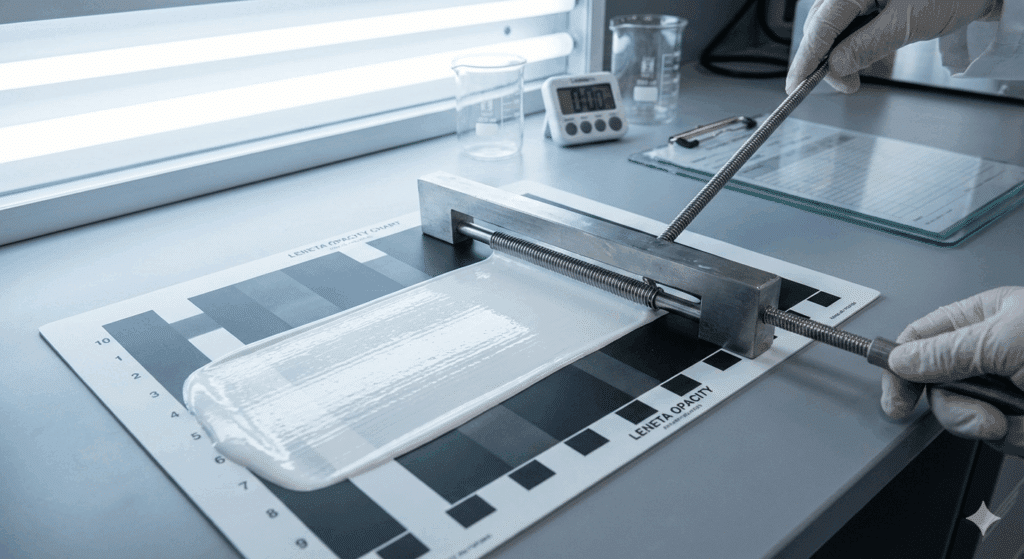
Titanium dioxide, often called TiO₂, is a white material used in paint, plastic, paper, ceramics and many other products. It helps colours look bright and gives coatings the power to cover surfaces. Making it takes more than turning mineral ore into powder. Producers must control chemical reactions, particle size, purity, waste and worker safety. This guide explains the main stages of titanium dioxide production, compares the sulfate and chloride methods, and shows why engineers monitor every step. It also covers product testing, environmental controls and UK rules. By the end, readers will have a clear picture of how a mineral becomes a useful industrial pigment.
Key takeaways
- Titanium dioxide is a white compound used in paint, plastic, paper, ceramics and other products.
- The sulfate and chloride methods are the main industrial routes for making pigment-grade TiO₂.
- Particle size, crystal form and surface treatment affect how the pigment works.
- Engineers monitor feedstock, chemical reactions, product quality, waste and worker safety.
- UK production sites need to follow the environmental and workplace rules that apply to their operations.
- Buyers should review technical documents and test samples before selecting a grade or supplier.
What is titanium dioxide?
Titanium dioxide is a compound made from titanium and oxygen. Its chemical formula is TiO₂. It occurs naturally in minerals such as rutile and ilmenite, but manufacturers process titanium-bearing materials to make a consistent product for industry.
TiO₂ is widely used as a white pigment because it reflects and scatters visible light. In simple terms, it makes materials look whiter and helps hide the surface underneath. That is why it is found in products such as paint, plastic, paper, printing ink and ceramic coatings.
Titanium dioxide pigment is not the same as titanium metal. Titanium metal is used in products such as aircraft parts and medical devices. Pigment-grade TiO₂ is generally made as a fine powder and mixed into another material.
The final product is not defined by its chemical formula alone. Its crystal form, particle size, surface treatment and purity all affect how it performs. A grade designed for paint may not be the best choice for plastic or paper.
Where manufacturers use TiO₂
Manufacturers use titanium dioxide in many everyday products. They choose a grade based on the needs of their process and the performance they expect from the finished item.
Common uses include:
- Paint and coatings: TiO₂ gives paint its white colour and helps it cover the surface beneath.
- Plastics: It can improve whiteness and help plastic products keep a steady colour.
- Paper: It can add brightness and help make paper less see-through.
- Ceramics and glass: It can be used to create certain colours and material properties.
- Printing inks: It can provide white colour and coverage.
- Cosmetics and personal care: Some products use it as a pigment or a UV-filtering ingredient.
- Welding products: It may be included in coatings used on welding electrodes.
One chemical compound can serve these different purposes because manufacturers adjust how it is made and finished. The type of raw material, process controls and surface treatments all help determine the final grade.
How titanium dioxide production works
The industrial TiO2 manufacturing process begins with a material that contains titanium. The factory then uses chemical reactions to separate the titanium from other substances, form titanium dioxide, and prepare the powder for its intended use.
There are two main industrial methods: the sulfate process and the chloride process. Both can make pigment-grade material, but they use different chemicals and equipment. The best method for a plant depends on its raw materials, desired product, equipment and local operating rules.
A simplified production line has several broad stages:
- Raw materials are checked and prepared.
- Chemical reactions separate titanium from other elements.
- Unwanted substances are removed.
- Titanium dioxide crystals are formed.
- The product is washed, dried and heated.
- The powder is milled, tested and packed.
These stages sound straightforward, but each one needs careful control. A change in raw material or temperature can affect the amount of waste produced, the quality of the final powder or how well the product works for a customer.
The sulfate process
The sulfate process uses sulfuric acid to break down titanium-bearing feedstock. The reaction creates a solution that contains titanium compounds along with other dissolved substances.
A simplified sequence looks like this:
- Prepare the feedstock. Workers and engineers check the material and prepare it for processing. The mineral’s composition can affect how the later reactions behave.
- React it with acid. The feedstock is mixed with sulfuric acid under controlled conditions. Titanium moves into a liquid form along with other substances.
- Separate unwanted material. The liquid is treated and separated so impurities can be removed before the titanium compound is processed further.
- Form a solid product. The titanium-bearing solution is heated and treated so a hydrated titanium compound forms.
- Filter and wash. The solid is separated from the liquid and washed to remove remaining process chemicals and impurities.
- Heat the material. The solid is heated in a step called calcination. This removes water and forms titanium dioxide crystals.
- Finish the powder. The material is milled and checked. Depending on its intended use, it may also receive a surface treatment.
The sulfate route can produce anatase and rutile grades, depending on the process and final treatment. It can also work with a range of titanium-bearing materials. The process needs effective acid handling and treatment of liquid waste. Engineers must monitor the quality of the feedstock, reaction conditions, washing and waste streams.
What engineers monitor in the sulfate process
A sulfate plant needs close control of acid concentration, temperature, reaction time and the amount of feedstock added. If these conditions vary too much, the material may not react as expected. That can affect the purity of the product and the work required to separate impurities.
Washing is another important stage. If unwanted substances remain in the solid, they may affect the final product. If the plant uses more wash water than needed, it may increase the volume of wastewater that requires treatment.
Engineers also monitor equipment that handles acidic materials. Pumps, tanks, pipes and seals must be suitable for the conditions inside the plant. Regular inspections can help detect leaks, wear or corrosion before these problems interrupt production.
The chloride process
The chloride process uses chlorine and carbon at high temperatures to convert titanium-bearing feedstock into titanium tetrachloride, known as TiCl₄. This liquid is purified, then reacted with oxygen to form titanium dioxide. Chlorine can be recovered and returned to the process.
The main stages are:
- Prepare and blend the feedstock. Titanium-bearing material is mixed with carbon in the required amounts.
- React the mixture with chlorine. A high-temperature reactor forms TiCl₄ and other compounds.
- Purify the TiCl₄. The titanium tetrachloride is cleaned to remove impurities before it moves to the next stage.
- Form titanium dioxide. Purified TiCl₄ reacts with oxygen to create fine TiO₂ particles.
- Cool and finish the pigment. The product is cooled, treated as needed, milled and tested.
- Recover process chemicals. Some chlorine can be recovered and reused, depending on the plant design.
The chloride method commonly produces rutile pigment. It needs careful control of temperature, gas flow, feedstock quality and chemical containment. Chlorine and TiCl₄ require equipment and operating procedures designed for safe handling.
What engineers monitor in the chloride process
The quality of the feedstock can influence the amount of purification required. If its composition varies, the plant may need to adjust its process conditions to keep the TiCl₄ within the required specification.
The reactor must operate within its planned temperature range. Changes in temperature or feed rate can affect the reaction and the material formed. Purification also matters because remaining impurities can affect the final pigment’s colour or performance.
Engineers monitor the recovery of chlorine as well. Chemical recovery can reduce the need for fresh inputs and limit the amount of material leaving the process. The equipment must be checked to confirm that gas and liquid streams remain within their intended routes.
Sulfate or chloride: how do engineers choose?
Neither method is automatically the right choice for every factory. Engineers and plant operators compare several practical factors before selecting or changing a production route.
| Factor | Questions for the engineering team |
| Feedstock | Which titanium-bearing minerals are available, and how consistent are they? |
| Product grade | Does the customer need rutile, anatase or a particular surface treatment? |
| Plant equipment | Can existing equipment handle the required chemicals, heat and process steps? |
| Waste treatment | What waste streams will the process create, and how will they be managed? |
| Utilities | How much energy, water and process chemical will the plant need? |
| Local rules | Which environmental permits and worker protection rules apply? |
| Customer needs | What quality tests, packaging and delivery schedule does the buyer require? |
A process that works well at one site may not suit another. The choice depends on the full production system, from raw material supply to treatment of waste and delivery of the finished powder.
Why particle size and surface treatment matter
The size and shape of TiO₂ particles affect how the powder behaves. They influence how well it scatters light, how easily it mixes into paint or plastic, and how consistent the finished product looks.
If the powder forms clumps, it may not spread evenly through the material around it. This can lead to uneven colour or coverage. That is why the milling and dispersion stages matter. They help prepare the product for use in a customer’s process.
After the main reaction, producers may apply surface treatments. These treatments can help the powder mix with certain materials or perform better in a particular use. The right treatment depends on whether the grade is intended for paint, plastic, paper or another application.
Engineers and quality teams may monitor:
- Chemical purity and trace elements
- Crystal form, such as rutile or anatase
- Particle size and size distribution
- Brightness and colour
- Moisture level
- Surface treatment
- How easily the powder disperses in the intended material
A buyer should not assume that two products with the same chemical formula will perform in exactly the same way. The grade details and test results help explain how the material is expected to behave.
Testing and quality control
Quality control begins before production. A factory can inspect incoming raw materials to confirm that they match the expected composition. This helps the team spot changes that could affect the reaction or the final grade.
During production, teams can take samples at different stages. These checks help identify issues early, before a full batch is complete. At the end of the process, the powder is tested against the product specification.
A quality report may cover the properties that matter for the grade, such as purity, colour, particle size or moisture. Customers can compare these results with their own needs and test a sample in their process.
For example, a paint maker may want to know whether the powder disperses well and provides the desired coverage. A plastics producer may focus on colour consistency and how the pigment behaves during processing. The same grade may not suit every factory or product.
Good batch records also help a producer trace the materials and process conditions used for a shipment. If a customer reports a problem, those records can help the supplier and buyer investigate what happened.
A real-world view of production data
A European Commission industry dataset gathered production information from 33 titanium dioxide sites in 21 countries, operated by nine companies. It covered both sulfate and chloride production. This type of multi-site data helps researchers compare the environmental effects of production across different plants.
The lesson for engineers is that a single factory’s performance figure should not be treated as a rule for every plant. Feedstock, equipment, energy, chemical recovery and waste treatment all affect the results. To make a fair comparison, data needs to be measured in a consistent way and its limits should be clear.
Supply information matters too. In its 2025 mineral summary, the U.S. Geological Survey reported that more than 95% of titanium mineral concentrates consumed in the United States went to domestic titanium dioxide pigment producers. This shows how closely pigment manufacturing depends on the supply and quality of titanium-bearing raw materials.
These examples show why process engineers need to understand both the production line and the supply chain. A plant may have efficient equipment, but it still needs dependable feedstock and a clear plan for managing the materials that enter and leave the site.
Managing waste and environmental effects
Both production routes create waste streams that need to be managed. The sulfate process can create acidic liquids and sulfate-bearing waste. The chloride process can create chloride-bearing liquids and other residues. The amount and type of waste depend on the feedstock, plant design and process controls.
Engineers can reduce waste and losses by:
- Checking raw materials before they enter production
- Controlling chemical use and reaction conditions
- Recovering process chemicals where practical
- Treating wastewater before it leaves the site
- Collecting dust at drying, milling and packing points
- Checking equipment for leaks and unnecessary material loss
- Tracking waste volumes and treatment results
For UK readers, titanium dioxide production is covered by environmental permitting rules in England and Wales. The rules apply to installations that produce TiO₂. Operators need to confirm the current permit conditions and environmental requirements for their own site.
Environmental controls are part of plant planning. They affect the choice of tanks, filters, ventilation, monitoring equipment and wastewater systems. A control system works best when it is considered during design and supported by regular maintenance.
Worker safety during production
Titanium dioxide is handled as a powder in some parts of production. Dust can become airborne during transfer, milling and packing. Workers may also handle acids, chlorine or other process chemicals, depending on the route used.
Employers should assess the risks for each job and use appropriate controls. These may include enclosed transfer points, local exhaust ventilation, dust monitoring, safe cleaning procedures and protective equipment. Staff training helps workers understand how to use equipment and follow the site’s procedures.
The UK Health and Safety Executive explains that employers must protect workers from hazardous substances. Its workplace exposure limits are listed in the EH40 publication. A factory should follow the current rules and its own risk assessment instead of relying on a value copied from another site or an old document.
Safety practices need regular review. Changes to equipment, production rates or cleaning methods may affect exposure. Routine checks can help find broken extraction systems, damaged seals or dust build-up before these become larger problems.
How buyers can compare titanium dioxide producers
Buyers comparing titanium dioxide producers should look beyond the product name or quoted price. They need to confirm that the grade is suitable for their application and that the supplier can provide the required documents and delivery support.
Useful questions to ask include:
- What is the exact grade name?
- Is the product rutile or anatase?
- Which applications is it designed for?
- What product tests are available for each batch?
- Can the supplier provide a technical data sheet and safety data sheet?
- How should the material be stored and handled?
- What packaging sizes are available?
- What export documents can be provided?
- Can the buyer test a sample before ordering in larger quantities?
- How does the supplier manage customer questions or quality concerns?
A supplier’s stated capacity or certification can be a useful starting point. Buyers should still ask for supporting documents and check that the offered product matches their own specification. Testing a sample in the intended manufacturing process is often the clearest way to judge whether a grade is a good fit.
MEGA describes itself as a China-based titanium dioxide supplier with a factory and warehouse, and says it produces material through the sulfuric acid process. Buyers considering any supplier should confirm current product details, test records, certifications and delivery terms directly with the company.
Common production challenges
Even a well-planned factory can face changes in raw material quality, equipment performance or customer demand. Each change can affect production in a different way.
Changes in feedstock
If the mineral composition shifts, the process may need adjustments. A new batch of feedstock could contain more impurities or react differently. Checking raw material quality before processing gives engineers time to plan any changes.
Inconsistent product quality
Differences in temperature, reaction time, washing or milling can affect the finished pigment. Regular sampling and process records help the team find where a change began.
Equipment wear
Pumps, pipes, filters, seals and ventilation systems all need inspection. Wear can lead to leaks, poor process control or dust escaping into work areas. Planned maintenance can reduce unplanned stoppages.
Waste treatment demands
Waste treatment systems need to match the amount and type of material produced. If production changes, the plant may need to review whether its treatment system can keep up.
Customer specification changes
A customer may change its product formula or ask for a different grade. The producer needs clear communication and accurate technical information to confirm whether the current product still meets the request.
Frequently asked questions
Is titanium dioxide found in nature?
Yes. TiO₂ occurs naturally in minerals such as rutile and ilmenite. Manufacturers process titanium-bearing material to make a product with the quality and properties required for industrial use.
What is the difference between rutile and anatase?
Rutile and anatase are two crystal forms of titanium dioxide. Their properties differ, so producers and customers select a form based on the intended product and its performance needs.
Which production method is better, sulfate or chloride?
There is no single answer for every plant. The choice depends on the feedstock, desired product, equipment, waste treatment, local requirements and operating costs.
Why does particle size matter?
Particle size affects how TiO₂ scatters light and mixes into other materials. Consistent particle size can help a manufacturer achieve steady colour and coverage in its finished product.
What information should a buyer request?
A buyer can request the grade specification, technical data sheet, safety data sheet, batch test results, packaging details and a sample. The buyer can then check how the material performs in the intended application.
Is pigment-grade titanium dioxide the same as titanium metal?
No. Titanium dioxide is a compound of titanium and oxygen, commonly used as a pigment. Titanium metal is a separate material used in products such as aircraft parts and medical devices.