Why Do My Gums Hurt in One Spot? Is It Serious? 2026
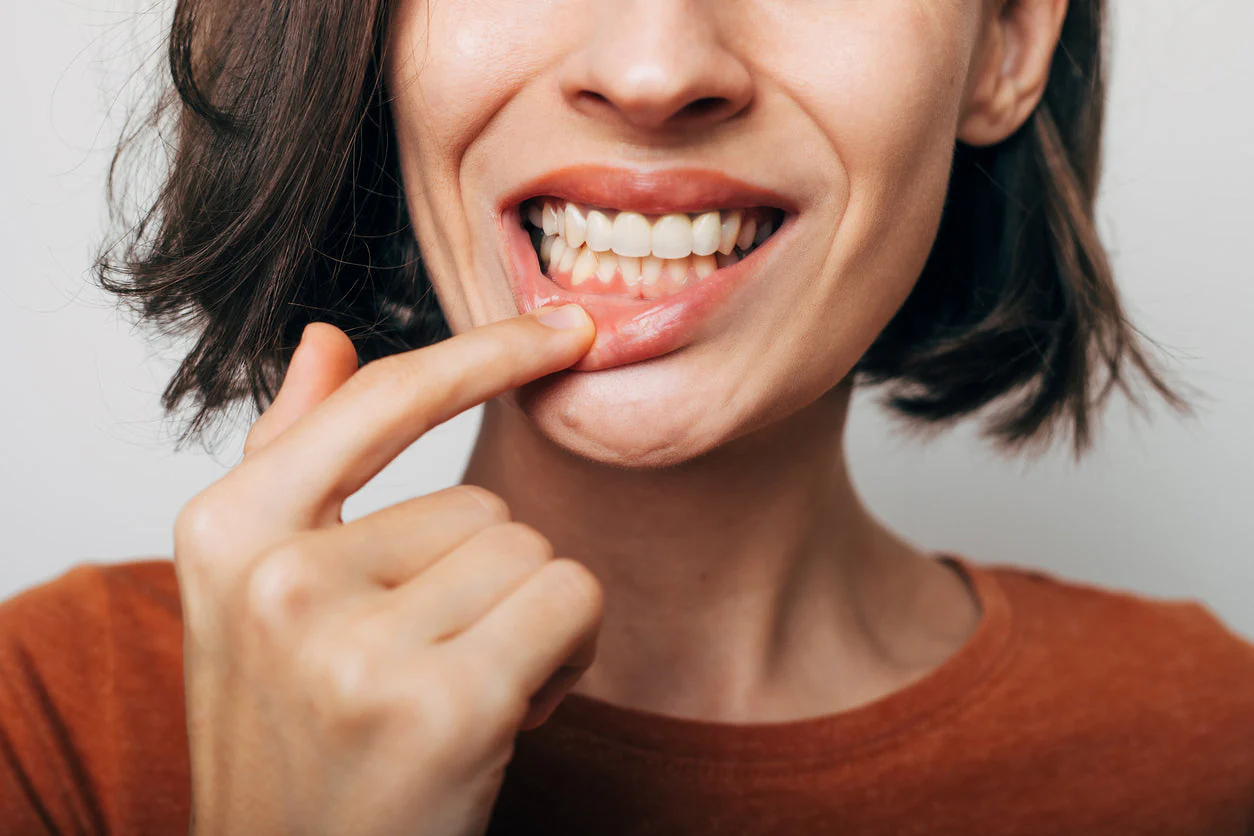
Why do my gums hurt in one spot is a question that comes up the moment you notice pain isn’t spread across your whole mouth but concentrated in just one small area.
This localized discomfort typically results from trapped food particles, bacterial infections, minor injuries, or early signs of gum disease.
Unlike generalized soreness, pain in one specific spot usually points to a targeted issue with an identifiable cause. Most cases respond well to simple home care, but some signal something that needs a dentist’s attention.
Why Do My Gums Hurt in One Spot?
When your gums hurt in one spot, it signals that something specific is affecting that particular area rather than your entire gum line.
This is different from generalized gum soreness, which often points to broader issues like widespread inflammation, whereas localized pain usually has one clear, identifiable trigger.
Common Causes of Gum Pain in One Spot
Several everyday issues can cause pain to concentrate in a single area. The table below summarizes the most frequent causes dentists see.
| Cause | What It Feels Like | Typical Duration |
|---|---|---|
| Trapped food particles | Sharp, localized pressure | Hours to 1-2 days |
| Brushing or flossing injury | Tender, sore to touch | 2-5 days |
| Canker sore (ulcer) | Stinging, burning pain | 7-14 days |
| Gingivitis in one area | Mild tenderness, possible redness | Ongoing until treated |
| Dental abscess | Severe, throbbing pain | Worsens without treatment |
| Wisdom tooth eruption | Dull ache, pressure | Days to weeks |
| Gum recession | Sensitivity, mild ache | Ongoing |
Trapped Food Particles
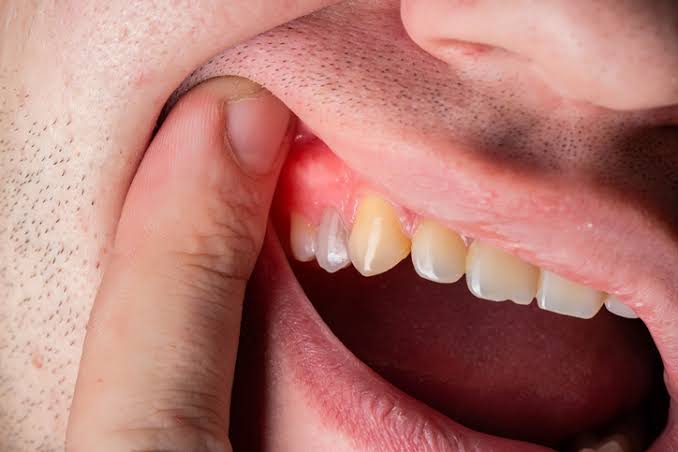
This is one of the most common reasons for pain in a particular spot. Food can get lodged between teeth or just under the gumline without you noticing right away.
If food stays trapped, it can irritate the surrounding tissue and lead to localized inflammation that feels sharp when you bite down or touch the area.
Gently flossing around the painful area and rinsing with warm salt water often removes the problem within a day, providing quick relief.
Injury From Brushing or Flossing
Brushing too hard or using a hard-bristled toothbrush can injure one section of the gum. The surface may look fine, but the tissue underneath can feel sore.
Snapping floss down too hard against the gum can also cause small cuts or inflammation, leading to pain that stays confined to that single spot.
Switching to a soft-bristled toothbrush and using a gentler touch typically resolves this type of discomfort within a few days.
Minor Injury From Sharp or Hard Foods
You may have poked your gum with a chip, popcorn kernel, or a sharp piece of food without realizing it at the time.
These minor injuries can hurt for a few days before healing on their own, especially if you avoid further irritating the area with crunchy foods.
Canker Sores (Aphthous Ulcers)
Canker sores are small, shallow lesions that can develop on the gums and cause sharp, stinging pain concentrated in one small area.
They can be triggered by stress, hormonal changes, injury from brushing or eating, or even certain acidic or spicy foods.
Most canker sores clear up within one to two weeks on their own, though a protective gel or rinse can ease discomfort while healing.
Early Gingivitis in One Area
Pain in one part of the gum can be an early sign of gingivitis affecting just a small section rather than the entire mouth.
If plaque stays under the gumline in that one area, bacteria can slowly irritate the tissue, causing tenderness even without visible swelling at first.
At this early stage, thorough cleaning and consistent home care can often resolve the problem before it progresses further.
Dental Abscess
A dental abscess occurs when bacteria cause a localized infection beneath the gumline. This often feels like severe, throbbing pain concentrated in one spot.
Symptoms can include swelling, a visible bump on the gum, or a foul taste in the mouth, and the pain typically worsens rather than improves over time.
An abscess requires prompt professional treatment, since the infection will not resolve on its own and can spread if left untreated.
Wisdom Tooth Eruption
Wisdom teeth eruption is a common reason for localized gum pain, typically occurring in the late teens or early twenties as the tooth pushes through the gum.
This creates a dull ache or pressure in the back of the mouth, often accompanied by mild swelling around the emerging tooth.
A dentist can evaluate whether the wisdom tooth has enough room to erupt properly or whether extraction may eventually be necessary.
Gum Recession
Gum recession happens when gums pull back and expose the sensitive root surface of a tooth, which can create localized pain and sensitivity.
This exposed area becomes more susceptible to discomfort from hot, cold, or sweet foods, concentrated right at the spot where recession has occurred.
Recession can result from gum disease, aggressive brushing, or genetic factors, and a dentist can recommend treatment to protect the exposed root.
Dental Appliance Irritation
Braces, retainers, or dentures that do not fit properly can rub against one section of the gum repeatedly, creating a sore, irritated spot.
This type of pain usually appears in the same location every time the appliance is worn and improves once the fit is adjusted.
If you wear any dental appliance and notice persistent pain in one area, a dentist or orthodontist can make adjustments to relieve the pressure.
Tooth-Related Pain That Feels Like Gum Pain
A problem with the root of a tooth can create pain that feels like it is coming from the gum, even though the tooth itself is the source.
An abscessed tooth can cause pus to accumulate at the root’s tip, and this discomfort often radiates outward into the surrounding gum tissue.
If gum pain in one spot persists despite home care, an underlying tooth issue is worth ruling out with a dental exam.
Signs Your Gum Pain Might Be Serious
Most localized gum pain is minor and resolves on its own, but certain signs suggest it is time to see a dentist rather than wait it out.
| Warning Sign | What It May Indicate |
|---|---|
| Pain lasting more than 48 hours | Possible infection or gum disease |
| Visible bump or swelling | Possible dental abscess |
| Pus or foul taste | Active infection |
| Fever alongside gum pain | Infection may be spreading |
| Pain that worsens over time | Untreated abscess or deep infection |
| Bleeding that does not stop | Underlying gum disease |
How Long Gum Pain Should Last Before You Worry
Many cases respond well to gentle home care like saltwater rinses and careful cleaning within just a day or two.
Pain lasting beyond 48 hours suggests something more serious, such as an abscess, early gum disease, or infection, that requires professional evaluation.
Home Remedies for Minor Gum Pain in One Spot

For pain caused by trapped food or minor irritation, simple home care is often enough to resolve the discomfort quickly.
Rinse with warm salt water two to three times a day to reduce inflammation and help flush out any trapped debris around the sore area.
Switch to a soft-bristled toothbrush and floss gently rather than snapping the floss down hard against the tender spot.
Avoid spicy, acidic, or crunchy foods temporarily, since these can further irritate an already sensitive area and slow down healing.
Home Care Options Compared
| Remedy | Best For | How It Helps |
|---|---|---|
| Warm salt water rinse | General irritation, minor injury | Reduces inflammation and bacteria |
| Soft-bristled toothbrush | Brushing-related soreness | Prevents further tissue damage |
| Protective gel or rinse | Canker sores | Eases pain while healing |
| Gentle flossing | Trapped food particles | Removes debris without further irritation |
| Cold compress | Swelling or general discomfort | Numbs the area and reduces inflammation |
When to See a Dentist for Gum Pain
If the pain doesn’t settle within a couple of days, or the area still feels sore despite home care, it’s time to book an appointment.
A dentist can safely remove trapped debris, check for infection, and determine whether the pain stems from the gum itself or an underlying tooth issue.
If you experience recurring discomfort in the same spot, a dentist can also assess whether structural or bite-related issues are contributing to the irritation.
What Happens During a Dental Evaluation
A dentist will typically examine the affected area visually, check for swelling or discharge, and may take an X-ray to rule out issues below the gumline.
This evaluation helps determine whether the cause is a simple irritation, an early sign of gum disease, or a more serious infection requiring treatment.
Getting a timely, professional diagnosis ensures you know the exact cause behind the pain and the right steps to resolve it.
Preventing Future Localized Gum Pain
Building a few consistent habits can significantly reduce how often you experience pain concentrated in one area of your gums.
Use a soft-bristled toothbrush and replace it every three to four months, since worn bristles can become harsher on gum tissue over time.
Floss gently every day to prevent food particles from becoming trapped and irritating the gumline in hard-to-reach spots.
Schedule regular dental checkups so early gum disease or developing issues can be caught and treated before they cause noticeable pain.
Foods and Habits That Can Trigger Localized Gum Pain
Certain foods and habits make localized gum pain more likely, even in people who otherwise maintain good oral hygiene.
| Trigger | Why It Causes Pain |
|---|---|
| Popcorn, chips, seeded bread | Sharp edges can scratch or lodge in the gum |
| Very hot or spicy foods | Can irritate sensitive or already inflamed tissue |
| Hard-bristled toothbrush | Causes physical trauma to gum tissue |
| Aggressive flossing | Cuts or bruises the gum near the contact point |
| Chewing on one side only | Concentrates pressure and irritation in one area |
Common Mistakes People Make With Localized Gum Pain
A common mistake is using a sharp object, like a pin or fingernail, to try to remove trapped food, which can further injure the already sensitive gum tissue.
Another mistake is ignoring pain because the gum looks normal on the surface, not realizing that the tissue underneath can still be irritated or infected.
Some people also wait too long to seek care, assuming the pain will simply go away, which allows minor problems to potentially grow into infections or tooth damage.
How Location in the Mouth Affects Likely Causes
Gum pain in the back of the mouth, near the molars, is more often linked to wisdom tooth eruption or trapped food from harder-to-clean areas.
Pain along the front gumline is more commonly associated with brushing injuries, canker sores, or minor trauma from biting into hard foods.
Pain near a specific tooth, especially if it worsens with chewing or temperature changes, is more likely to point to a tooth-related issue like an abscess.
Age-Related Differences in Localized Gum Pain
Teenagers and young adults are more likely to experience gum pain from erupting wisdom teeth, which typically emerge between the late teens and early twenties.
Adults are more likely to experience localized pain from gum recession, early gum disease, or issues related to fillings, crowns, or other dental work.
Older adults may also notice increased sensitivity in one spot due to years of gradual gum recession exposing root surfaces over time.
The Role of Oral Hygiene Products
Using an alcohol-based mouthwash on an already irritated spot can sometimes intensify discomfort temporarily, since alcohol can dry out and sting sensitive tissue.
Alcohol-free mouthwashes or those specifically formulated for sensitive gums are often gentler options while a localized sore spot is healing.
Choosing a toothpaste designed for sensitive teeth and gums can also help reduce discomfort if the pain is related to recession or exposed root surfaces.
Tracking Your Symptoms Before a Dental Visit
Keeping a simple note of when the pain started, what seems to trigger it, and how it has changed can help your dentist diagnose the cause faster.
Note whether the pain is worse with hot, cold, or sweet foods, since this detail can help distinguish between gum-related and tooth-related sources of pain.
Take a photo of the area if possible, especially if you notice any swelling or a bump, since visual changes over a few days can be useful information.
Why Some Gum Pain Comes and Goes
Intermittent pain that flares up and then subsides can still point to an underlying issue, even if it doesn’t feel constant throughout the day.
Trapped food, for example, may only cause pain when chewing puts pressure on the area, while an early infection might ache more at certain times of day.
If pain keeps returning in the same spot over weeks, this pattern itself is worth mentioning to a dentist, even if each episode seems minor on its own.
Over-the-Counter Options for Temporary Relief
An over-the-counter pain reliever, such as ibuprofen or acetaminophen, can help manage discomfort while you wait to see whether home care resolves the issue.
Topical oral gels containing benzocaine can numb a painful spot temporarily, which is particularly useful for canker sores or minor injury-related pain.
These options address symptoms only and are not a substitute for treating the underlying cause, especially if an infection is present.
A Quick Self-Check Before You Call the Dentist
Run through this short checklist to help decide whether your gum pain likely needs professional attention or is manageable at home.
| Question | If Yes |
|---|---|
| Has the pain lasted more than 2 days? | Schedule a dental visit |
| Is there visible swelling or a bump? | Schedule a dental visit soon |
| Do you notice pus or a bad taste? | Seek care promptly |
| Is the pain mild and improving daily? | Continue home care |
| Did it start right after eating something hard? | Try gentle flossing first |
| Does it come with fever? | Seek care promptly |
This simple check can help you decide your next step with more confidence rather than guessing whether the pain is serious.
Frequently Asked Questions (FAQs)
Why does my gum hurt in one spot but not bleed?
Localized gum pain without bleeding could be due to trapped food, mild trauma, or a developing sore. Persistent discomfort still deserves evaluation since gum disease can begin painlessly.
Can one tooth cause gum pain in one specific area?
Yes, a problem with a single tooth’s root can create pain that radiates into the surrounding gum tissue. A dental exam can confirm whether the tooth is the source.
How long should I wait before seeing a dentist for gum pain?
If pain lasts beyond 48 hours despite home care, it’s best to schedule a dental visit. Longer-lasting pain often signals infection or gum disease.
Is gum pain in one spot always a sign of infection?
No, many cases come from trapped food or minor brushing injuries rather than infection. However, worsening pain, swelling, or a bad taste can indicate infection.
Can stress cause gum pain in one spot?
Yes, stress is a known trigger for canker sores, which often cause sharp, localized pain. These sores typically heal within one to two weeks.
What does a gum abscess feel like?
A gum abscess typically causes severe, throbbing pain in one spot, often with swelling or a visible bump. It requires prompt professional treatment.
Can wisdom teeth cause gum pain in just one spot?
Yes, an erupting wisdom tooth commonly creates localized pressure and ache in the back of the mouth. A dentist can evaluate whether it needs to be removed.
Will a saltwater rinse help gum pain in one spot?
Yes, warm salt water rinses can reduce inflammation and help flush out trapped debris. They are effective for minor irritation but not a substitute for treating infection.
Can a hard toothbrush cause pain in just one area of the gums?
Yes, aggressive brushing with a hard-bristled brush often injures one section of gum tissue more than others. Switching to a soft brush usually resolves this within days.
Should I be worried if the same spot on my gum keeps hurting?
Recurring pain in the same spot is worth having evaluated, since it may point to a structural, bite-related, or underlying dental issue. A dentist can identify the specific cause.
Conclusion
Gum pain in one spot can feel alarming, but in most cases it comes down to something manageable, whether that is trapped food, a minor brushing injury, a canker sore, or the early stages of gingivitis in a small area.
What matters most is paying attention to how the pain behaves: mild discomfort that improves with gentle home care within a day or two is rarely a cause for concern, while pain that worsens, lasts beyond 48 hours, or comes with swelling, pus, or a bad taste should prompt a visit to the dentist.
Simple habits like using a soft-bristled toothbrush, flossing gently, and rinsing with warm salt water go a long way in both treating and preventing localized gum pain.
This article is for general educational purposes and isn’t a substitute for a professional dental exam, so when in doubt, let a dentist take a closer look and give you an accurate diagnosis.