Why Is My Cat Losing Hair on Her Belly and Legs? Causes & Fixes 2026
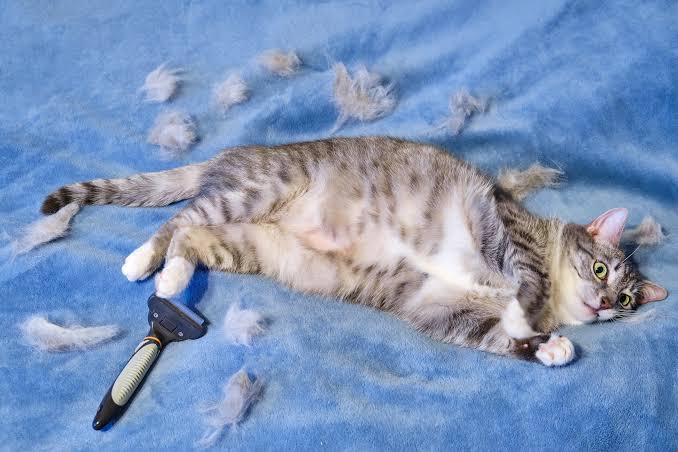
Why Is My Cat Losing Hair on Her Belly and Legs? A bald patch on your cat’s belly or legs can look alarming the first time you notice it. The good news is that most causes are treatable once you know what’s actually behind it.
Hair loss in this specific pattern, belly and legs rather than random patches, points strongly toward a handful of likely causes vets see often.
Why Cats Lose Hair on the Belly and Legs
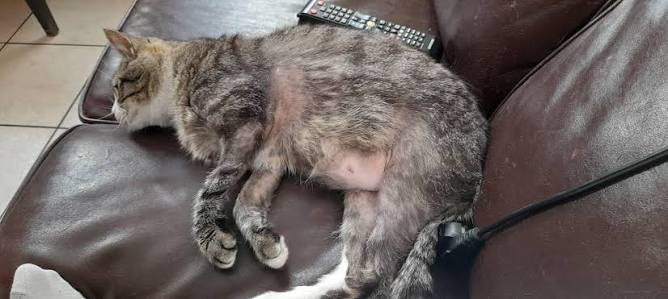
Hair loss on a cat’s belly and legs is most often caused by overgrooming from fleas, allergies, stress, or pain, since these are the easiest spots for a cat to reach and lick repeatedly.
Vets call this pattern of hair loss alopecia, which simply means baldness rather than a specific diagnosis on its own.
The location matters here. Belly and leg hair loss usually points to self-grooming behavior rather than a patchy skin disease spreading on its own.
Overgrooming: The Most Common Cause
What Overgrooming Looks Like
Overgroomed hair often looks shortened or stubbly, almost as if it had been shaved, rather than completely missing down to bare skin.
The underlying skin frequently looks normal in overgrooming cases, without redness, scabs, or bumps underneath the thinned fur.
Why Cats Overgroom Their Belly and Legs
- Fleas, mites, or other parasites causing itchiness.
- Environmental or food allergies triggering irritation.
- Stress or anxiety, sometimes called psychogenic alopecia.
- Internal pain, such as bladder or abdominal discomfort, that gets licked at the surface.
Flea Allergies and Parasites
Fleas remain one of the leading causes of cat hair loss, and you don’t need to actually see fleas for them to be the cause.
Some cats are highly sensitive to flea saliva, meaning a single bite can trigger intense itching and hair loss far beyond the bite site.
Mites and ticks can cause similar irritation, sometimes accompanied by scaly or flaky skin alongside the missing fur.
Allergies as a Cause of Belly and Leg Hair Loss
Food, environmental, and even medication allergies are common triggers for the itching that leads to overgrooming.
Cats with allergies often develop visible redness, scabs, or open sores in addition to the hair loss itself.
Identifying and removing the specific allergen, whether it’s a food ingredient or an environmental trigger, is usually key to resolving this type.
Stress and Anxiety-Related Hair Loss
What Is Psychogenic Alopecia?
Psychogenic alopecia is the veterinary term for hair loss caused by stress-driven overgrooming, most often affecting the belly, legs, and sides.
Common Triggers
- Moving homes or rearranging furniture.
- Introducing a new pet or family member.
- Boredom or lack of environmental stimulation.
- Separation anxiety when left alone regularly.
Reducing stress through environmental enrichment, consistent routines, and more play time can noticeably ease this type of overgrooming.
Pain as a Hidden Cause
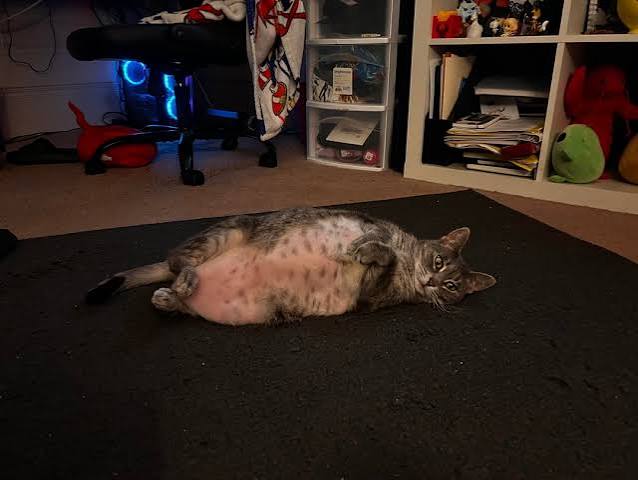
Cats experiencing internal pain sometimes lick excessively at the general area, even without an external injury to explain it.
Bladder pain from cystitis, abdominal discomfort, or joint pain in the legs are all documented causes of localized overgrooming.
Because this cause isn’t always obvious, a vet exam and sometimes a trial of pain medication can help rule it in or out.
Comparing the Most Common Causes
| Cause | Typical Appearance | Other Signs to Watch For |
|---|---|---|
| Fleas or parasites | Shortened or missing fur, possible scabs | Visible flea dirt, intense scratching |
| Allergies | Hair loss with redness or sores | Chronic licking, seasonal pattern |
| Stress overgrooming | Stubbly, shaved-looking fur | Normal skin underneath, recent life changes |
| Internal pain | Localized bald patch | Withdrawal, aggression, vocalizing |
| Ringworm (fungal) | Circular bald patches | Scaly, greasy-looking skin |
Less Common but Important Causes
Ringworm, despite the name, is a fungal infection that produces distinct circular patches of hair loss rather than diffuse thinning.
Hormonal conditions such as hyperthyroidism or Cushing’s disease can also affect coat and skin health, though these are less common than the causes above.
Some hair loss is simply normal, such as seasonal shedding of a winter coat, which does not require any intervention.
When to See a Vet
- Bald patches accompanied by redness, scabs, or open sores.
- Sudden, rapid hair loss rather than gradual thinning.
- Changes in behavior, such as withdrawal, aggression, or unusual vocalizing.
- Hair loss that doesn’t improve after addressing an obvious trigger like fleas.
A physical exam is usually the first step a vet takes, since the visible pattern alone often narrows down the likely cause significantly.
What a Vet Visit Typically Involves
- Physical examination to check the skin, coat, and overall condition of the affected areas.
- Flea and parasite check, even if you haven’t personally seen any fleas.
- Allergy discussion, covering diet, environment, and any recent changes.
- Pain assessment, sometimes including a trial of pain medication if internal pain is suspected.
- Skin testing, such as scraping or fungal culture, if ringworm or infection is suspected.
Helping Your Cat at Home
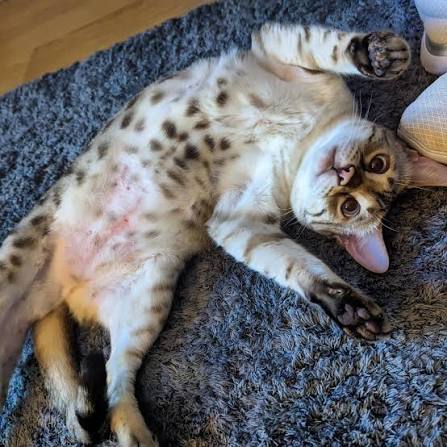
- Use a vet-recommended flea prevention product consistently, even for indoor-only cats.
- Keep a stable routine and introduce changes gradually where possible.
- Add environmental enrichment like climbing spaces, toys, and regular play sessions.
- Track when and where the hair loss started, since this detail helps a vet narrow the cause.
Never give a cat human anti-anxiety medication or over-the-counter products without checking with a vet first, since many are unsafe for cats.
Key Takeaways
- Belly and leg hair loss is usually from overgrooming, not a disease spreading on its own.
- Fleas, allergies, stress, and pain are the four most common underlying causes.
- Overgroomed fur often looks shortened rather than fully bald, with normal skin underneath.
- Redness, scabs, or sudden rapid hair loss are reasons to see a vet sooner rather than later.
- Most cases resolve well once the underlying trigger is properly identified and treated.
Frequently Asked Questions (FAQs)
Why is my cat losing hair only on her belly and legs?
These are the easiest spots for a cat to reach and overgroom, making them the most common locations for stress, flea, or allergy-related hair loss.
Is my cat’s hair loss from overgrooming or a skin disease?
Overgrooming usually leaves shortened, stubbly fur with normal skin underneath, while skin disease more often shows redness, scabs, or sores.
Can stress really cause a cat to go bald?
Yes, psychogenic alopecia is a recognized condition where stress-driven overgrooming causes noticeable bald patches, especially on the belly and legs.
Do I need to see fleas to know they’re causing hair loss?
No, some cats are so sensitive to flea saliva that a single bite can trigger significant itching and hair loss without visible fleas.
Can bladder problems cause hair loss on a cat’s belly?
Yes, bladder pain from conditions like cystitis can lead a cat to overgroom the abdominal area, resulting in localized bald patches.
What does ringworm hair loss look like in cats?
Ringworm typically causes distinct circular patches of hair loss, often with a scaly or greasy appearance to the skin underneath.
Should I worry if my cat’s belly hair loss has no other symptoms?
It’s worth monitoring closely, but hair loss without redness, scabs, or behavior changes is less urgent than hair loss with those signs.
Can food allergies cause hair loss in cats?
Yes, food allergies are a recognized trigger for the itching and overgrooming that leads to hair loss, often alongside skin redness.
Is hair loss on the belly ever completely normal?
Seasonal shedding can sometimes appear more noticeable on the belly, but persistent bald patches are not considered normal and warrant checking.
How long does it take for a cat’s hair to grow back after treatment?
Regrowth timelines vary, but most cats show noticeable improvement within several weeks once the underlying cause is properly addressed.
Can changing my cat’s environment reduce overgrooming?
Yes, environmental enrichment, consistent routines, and reducing sudden changes can meaningfully reduce stress-driven overgrooming over time.
Is human anti-anxiety medication safe to give my cat?
No, human anti-anxiety medications should never be given to cats; only vet-prescribed options are safe for feline use.
When should I take my cat to the vet for hair loss?
Book a vet visit if you notice redness, scabs, sudden rapid hair loss, or behavior changes alongside the bald patches.
Conclusion
Hair loss on your cat’s belly and legs is uncomfortable to watch, but it’s rarely a mystery once you look closely at the pattern and any accompanying symptoms.
Fleas, allergies, stress, and hidden pain account for the vast majority of cases, and each has a fairly clear path to treatment.
If anything looks beyond simple overgrooming, redness, sores, or sudden severe hair loss, a vet visit will get you a proper diagnosis rather than guesswork.