
Why Is My Dog Hacking? Causes, Treatment & Care 2026
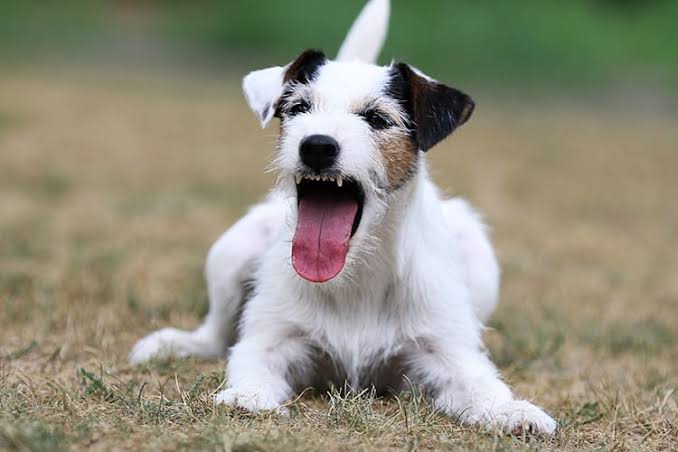
Why is my dog hacking is one of the most common worries pet parents search for when their dog suddenly makes a rough, throat-clearing sound.
That dry, repetitive hack can sound scary, especially if it happens out of nowhere. In most cases, hacking is your dog’s body trying to clear irritation from the throat or airway.
But sometimes it signals something deeper, like kennel cough, tracheal collapse, or even heart disease.
What Does Dog Hacking Actually Sound Like
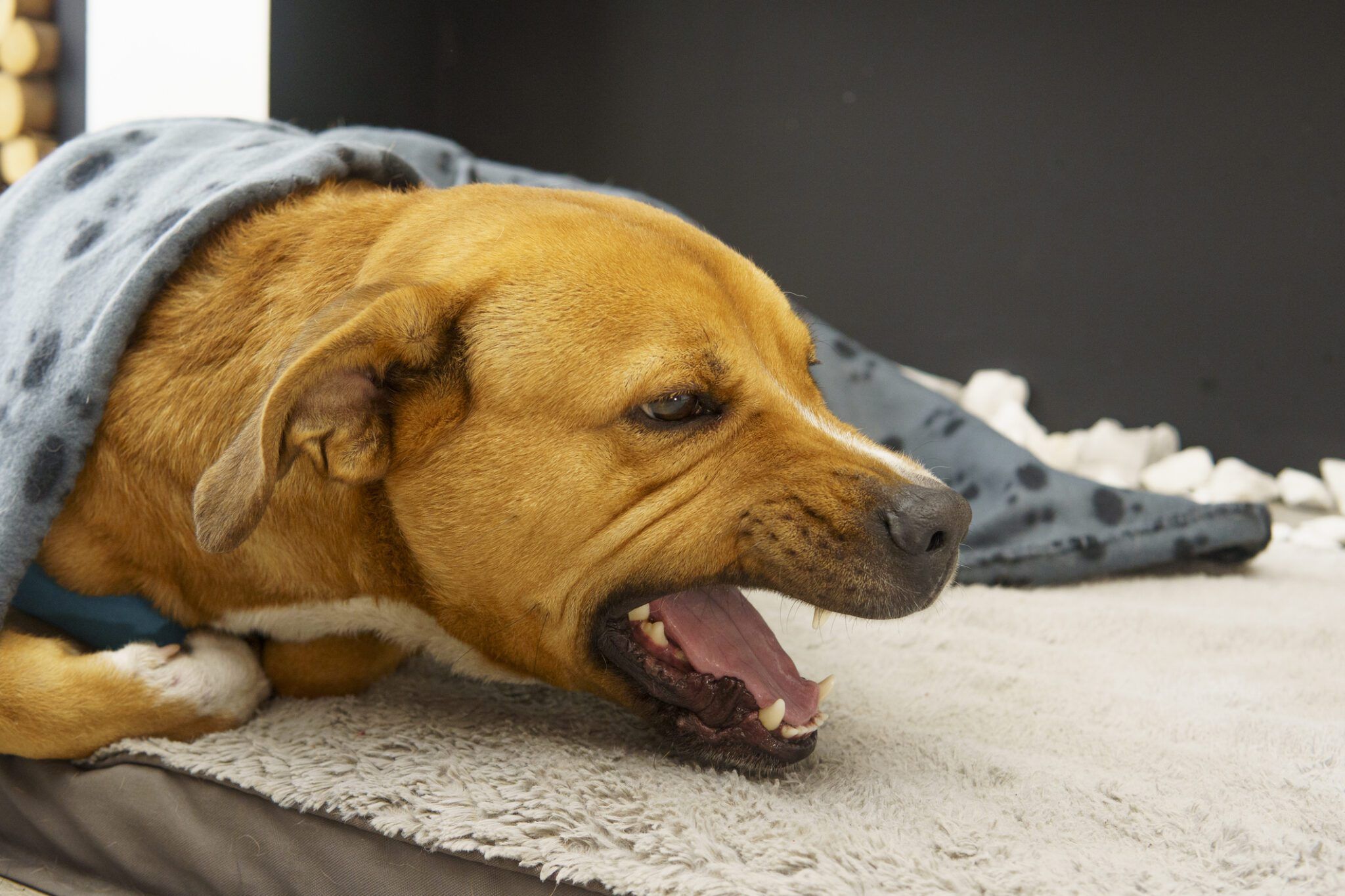
Dog hacking usually sounds like a dry, forceful cough followed by a gagging or retching motion. It is different from a wet, productive cough that brings up mucus.
Many owners describe it as sounding like their dog has something stuck in their throat, even when nothing is actually there. This sound is often the airway’s natural reflex to clear irritation.
Hacking can happen in short bursts or long episodes. Some dogs hack once and stop, while others repeat it several times a day.
Is Hacking the Same as Coughing
Hacking is technically a type of cough, but it has a distinct dry, harsh quality. Regular coughing can be wet, soft, or productive, while hacking sounds rougher and more forceful.
Vets often use the word “hacking” to describe a cough that ends in a gag or swallow. This detail actually helps narrow down the cause during a checkup.
Knowing the difference between hacking, honking, and wheezing gives your vet useful clues before any tests are even run.
Common Causes of Why Your Dog Is Hacking
There are several reasons a dog develops a hacking cough. Some are mild and clear up on their own, while others need prompt veterinary treatment. Below are the most frequent causes seen in dogs of all ages.
Kennel Cough (Infectious Tracheobronchitis)
Kennel cough is the single most common cause of a dry, hacking cough in dogs. It is a highly contagious respiratory infection often picked up at boarding facilities, dog parks, or grooming salons.
The cough usually sounds like a harsh honk followed by hacking or gagging. Most healthy dogs recover within one to two weeks with rest and supportive care.
Tracheal Collapse
Tracheal collapse happens when the cartilage rings supporting the windpipe weaken and flatten. This is especially common in small and toy breeds as they age.
The result is a dry, honking hack that gets worse with excitement, heat, or pulling on a collar. Weight management and a harness instead of a collar can help reduce episodes.
Heart Disease
As dogs age, the heart can enlarge or weaken, putting pressure on the airway or causing fluid to build up in the lungs. This often triggers a hacking cough at night or after lying down.
Other signs include fatigue, labored breathing, and pale or bluish gums. Heart-related coughing needs veterinary evaluation as soon as possible.
Foreign Object Lodged in the Throat
Sometimes a dog inhales or swallows something that gets stuck in the throat or upper airway, like a piece of toy, stick, or grass awn. This triggers sudden, forceful hacking and gagging.
If your dog is pawing at their mouth or struggling to breathe, this is an emergency. Do not wait to see if it clears on its own.
Allergies and Environmental Irritants
Dust, pollen, smoke, cleaning sprays, and strong perfumes can all irritate a dog’s airway and trigger hacking. This type of cough is usually mild and temporary.
Removing the irritant from the environment often resolves the hacking within a day or two. If it lingers past 48 hours, a vet visit is a good idea.
Heartworm Disease
Heartworm disease is transmitted through mosquito bites and causes worms to migrate into the heart and lungs. A progressive hacking cough is one of the earliest warning signs.
Left untreated, heartworm disease can lead to exercise intolerance and serious heart damage. Year-round preventative medication is the best protection.
Chronic Bronchitis
Chronic bronchitis is long-term inflammation of the airways with no single identifiable cause. It leads to a persistent, dry hacking cough that worsens with exercise or excitement.
This condition cannot be cured, but anti-inflammatory medication can manage symptoms well. Many dogs live comfortably for years with proper treatment.
Reverse Sneezing Confused With Hacking
Reverse sneezing produces a snorting, honking sound that many owners mistake for hacking or choking. It happens when the soft palate spasms, usually from excitement or nasal irritation.
Episodes are brief, harmless, and resolve on their own within seconds to a minute. Gently massaging the throat can help shorten an episode.
Types of Dog Cough Sounds and What They Mean
| Cough Sound | Common Description | Likely Cause |
|---|---|---|
| Dry hacking | Rough, throat-clearing, no mucus | Kennel cough, irritants |
| Honking | Goose-like, high-pitched | Tracheal collapse |
| Wet or productive | Moist, gurgling, brings up fluid | Pneumonia, infection |
| Nighttime cough | Worse when lying down | Heart disease |
| Gagging hack | Ends in retching or swallowing | Throat irritation, foreign object |
Symptoms to Watch Alongside Hacking
Hacking rarely occurs alone when something serious is going on. Paying attention to accompanying symptoms helps you decide how urgently your dog needs care.
Watch for lethargy, loss of appetite, nasal discharge, fever, or reluctance to exercise. These combined signs often point toward infection or a chronic condition.
Labored breathing, blue or pale gums, and collapse are red flags that require emergency attention immediately. Never wait out these symptoms at home.
When Is Dog Hacking an Emergency
Occasional hacking after drinking water or sniffing dust is usually harmless. But certain warning signs mean you should contact an emergency vet right away.
Seek immediate care if your dog struggles to breathe, has blue or pale gums, collapses, or cannot stop hacking for several minutes straight.
A hacking cough combined with high fever, severe lethargy, or refusal to eat should also be treated as urgent, even if breathing looks normal.
How Long Should You Wait Before Calling the Vet
Mild hacking that clears up within a day and doesn’t affect your dog’s energy or appetite can usually be monitored at home.
If the hacking continues past 24 to 48 hours, or gets worse instead of better, it’s time to schedule a veterinary appointment.
Persistent hacking lasting more than a week almost always needs professional diagnosis, since it may point to a chronic or infectious condition.
How Vets Diagnose the Cause of Hacking
Diagnosing a hacking cough starts with a physical exam and a detailed history of when the hacking started and what it sounds like. Vets often ask owners to record a video.
Additional diagnostics may include chest X-rays, bloodwork, a tracheal wash, or a nasal swab for PCR testing to identify infectious causes.
In more complex cases, vets may recommend an endoscopy or ultrasound to check for foreign objects, heart abnormalities, or lung disease.
Treatment Options for Dog Hacking
Medications
Treatment depends entirely on the underlying cause of the hacking. Cough suppressants may be prescribed short-term to help your dog rest, especially at night.
Antibiotics treat bacterial infections like kennel cough, while heart medications manage fluid buildup and improve cardiac function in dogs with heart disease.
Surgical Options
Severe tracheal collapse or a lodged foreign object sometimes requires surgical intervention. This is usually reserved for cases that don’t respond to medication.
Surgery carries recovery time and risk, so vets typically try conservative treatment first unless the case is urgent or life-threatening.
Supportive and Home Care
For mild cases, supportive care at home can speed up recovery. This includes rest, a calm environment, and avoiding strenuous activity until hacking resolves.
A humidifier or steam from a warm shower can loosen airway irritation and ease hacking episodes, particularly with kennel cough.
Home Remedies to Soothe a Hacking Dog
Steam therapy is one of the simplest home remedies. Sitting with your dog in a steamy bathroom for 10 to 15 minutes can calm airway irritation.
Switching from a collar to a harness reduces pressure on the trachea, which helps dogs prone to tracheal collapse or chronic hacking.
Keeping your home free of smoke, strong sprays, and dust also reduces triggers. Always check with your vet before giving any over-the-counter medication.
Prevention Tips for Reducing Hacking Episodes
| Prevention Tip | Why It Helps |
|---|---|
| Vaccinate against kennel cough | Reduces risk of infectious tracheobronchitis |
| Use a harness instead of a collar | Lowers pressure on the trachea |
| Maintain a healthy weight | Reduces strain on heart and airway |
| Give monthly heartworm prevention | Prevents heartworm-related coughing |
| Avoid smoke and strong sprays | Limits airway irritation |
| Limit exposure at boarding facilities | Reduces contagious disease spread |
Breeds More Prone to Hacking Coughs
| Breed Type | Common Reason for Hacking |
|---|---|
| Small and toy breeds (Yorkies, Chihuahuas) | Tracheal collapse |
| Brachycephalic breeds (Pugs, Bulldogs) | Compromised airways |
| Senior dogs of any breed | Heart disease, chronic bronchitis |
| Dogs in boarding or daycare | Kennel cough exposure |
Puppy Hacking vs Adult Dog Hacking
Puppies often hack due to teething irritation, mild kennel cough, or excitement, and it usually resolves quickly without treatment. Their immune systems are still developing, so infections can spread faster in group settings like puppy classes.
Adult and senior dogs are more likely to hack because of chronic conditions like tracheal collapse, bronchitis, or heart disease. Age plays a big role in narrowing down the likely cause.
If a puppy hacks persistently or shows lethargy and low appetite, treat it seriously, since young immune systems can struggle with infections that adult dogs shake off easily.
Hacking After Exercise or Excitement
Some dogs only hack after playing, running, or getting excited, which often points to tracheal sensitivity rather than infection. The extra airflow puts pressure on an already weakened windpipe.
This pattern is especially common in small breeds like Yorkies, Pomeranians, and Chihuahuas. Reducing high-energy play sessions can help limit these episodes.
If hacking after exercise becomes frequent or your dog seems winded longer than usual, a vet visit can rule out early heart or airway issues.
Kennel Cough vs Tracheal Collapse vs Heart Disease
Owners often confuse these three top causes since they can all produce a dry, hacking sound. The table below highlights the key differences to help you tell them apart.
| Condition | Typical Trigger | Age Group | Sound Pattern |
|---|---|---|---|
| Kennel cough | Recent boarding or dog park visit | Any age | Sudden, honking, contagious |
| Tracheal collapse | Excitement, heat, collar pressure | Small breeds, middle-aged to senior | Chronic, goose-honk |
| Heart disease | Lying down, nighttime rest | Senior dogs | Persistent, worse at night |
Common Myths About Dog Hacking
Many owners believe hacking always means a foreign object is stuck in the throat, but this is actually one of the less common causes. Infections and irritation are far more frequent culprits.
Another myth is that hacking always requires antibiotics. Many mild cases, especially from allergies or dust, resolve with rest alone and no medication at all.
Some also assume small hacking episodes are always harmless. While often true, ignoring a worsening pattern can delay diagnosis of tracheal collapse or early heart disease.
The Role of Humidity and Weather in Dog Hacking
Dry, cold air can irritate a dog’s airway and trigger hacking, especially in breeds already prone to tracheal sensitivity. Running a humidifier indoors during winter can ease this.
Hot, humid weather can also worsen hacking in brachycephalic breeds like Bulldogs and Pugs, since their airways are already narrower than average.
Keeping your dog in a climate-controlled environment during extreme weather reduces airway strain and lowers the frequency of hacking episodes.
Diet and Lifestyle Adjustments That Help
Maintaining a lean body weight takes pressure off the airway and heart, which reduces the frequency of hacking episodes over time.
Slower feeding methods, like puzzle feeders, can help dogs that hack or gag after eating too quickly.
Regular, moderate exercise supports heart and lung health, but avoid overexertion in dogs with existing tracheal or cardiac issues.
What to Tell Your Vet During the Appointment
Being prepared helps your vet reach a diagnosis faster. Note when the hacking started, how often it happens, and what it sounds like.
Mention any recent boarding, grooming, or exposure to other dogs, as well as changes in appetite, energy, or breathing patterns.
A short video of your dog hacking at home is one of the most useful things you can bring to the appointment.
Recovery Timeline for Common Causes of Hacking
Recovery time varies widely depending on the underlying cause, so it helps to know what to expect once treatment begins. Most infectious causes clear up faster than chronic conditions.
| Cause | Typical Recovery Time |
|---|---|
| Kennel cough | 1 to 2 weeks |
| Mild irritant exposure | 24 to 48 hours |
| Tracheal collapse | Ongoing management, not curable |
| Chronic bronchitis | Ongoing management, not curable |
| Heart disease | Long-term medication and monitoring |
| Foreign object removal | Days, depending on surgery |
Estimated Cost of Treating a Hacking Cough
Costs vary by clinic and location, but having a rough idea helps you plan ahead before your appointment. Diagnostic testing usually makes up the largest portion of the bill.
| Service | Estimated Cost Range |
|---|---|
| Vet exam and consultation | $50 to $100 |
| Chest X-rays | $150 to $350 |
| Bloodwork | $80 to $200 |
| Cough medication | $20 to $60 |
| Tracheal collapse surgery | $1,500 to $3,500 |
Monitoring Your Dog’s Hacking at Home
Keeping a simple log of when hacking episodes happen, how long they last, and what triggers them can be extremely helpful for your vet. Patterns often reveal the underlying cause faster than a single visit.
Note whether hacking happens after eating, during play, at night, or when your dog is excited. This detail can point directly toward tracheal issues, heart disease, or simple irritation.
A short daily log for even a few days gives your vet far more useful information than a vague description of “hacking sometimes.”
Long-Term Outlook for Dogs Who Hack
Most dogs who hack occasionally due to mild irritation or a passing infection go on to live completely normal, healthy lives with no lasting effects.
Dogs with chronic conditions like tracheal collapse or heart disease can still enjoy a good quality of life with consistent veterinary management and small lifestyle changes.
The key to a positive long-term outlook is early attention. Catching the cause of hacking sooner rather than later almost always leads to easier, more effective treatment.
Frequently Asked Questions (FAQs)
Why is my dog hacking but acting normal otherwise?
Mild irritation or a brief bout of kennel cough can cause hacking without affecting energy or appetite. Monitor for 24 to 48 hours before worrying.
Why is my dog hacking like something is stuck in his throat?
This is often caused by kennel cough, tracheal irritation, or occasionally a lodged foreign object. Persistent hacking warrants a vet check.
Can allergies cause my dog to hack?
Yes, dust, pollen, and household sprays can irritate the airway and trigger hacking. Removing the irritant usually stops it quickly.
Is hacking in dogs contagious to other pets?
Kennel cough, one of the top causes of hacking, is highly contagious between dogs. Keep an affected dog isolated during recovery.
Should I take my dog to the vet for occasional hacking?
Occasional, brief hacking with normal energy is usually not urgent. Frequent or worsening episodes should always be checked by a vet.
Can old age cause a dog to hack more?
Yes, senior dogs are more prone to heart disease and chronic bronchitis, both common causes of a persistent hacking cough.
What home remedy helps a hacking dog right now?
Steam therapy in a closed bathroom for 10 to 15 minutes can soothe airway irritation and ease hacking almost immediately.
Does a harness really reduce hacking compared to a collar?
Yes, collars put direct pressure on the trachea, which can worsen hacking in dogs prone to tracheal collapse.
Can hacking be a sign of heart failure in dogs?
A nighttime hacking cough, especially with fatigue or pale gums, can indicate heart disease and needs prompt veterinary evaluation.
How long does kennel cough hacking usually last?
Kennel cough hacking typically resolves within one to two weeks with rest, though some cases need antibiotics if a secondary infection develops.
Conclusion
A hacking dog can be alarming, but understanding the cause makes it far less stressful to manage. Most cases stem from kennel cough, mild irritation, or tracheal sensitivity, and improve quickly with rest and simple home care.
Persistent, worsening, or nighttime hacking, however, can point to heart disease, chronic bronchitis, or a foreign object, all of which need veterinary attention.
Watching for accompanying symptoms like lethargy, fever, or breathing difficulty helps you judge how urgently to act.
Preventive steps such as vaccination, using a harness, maintaining a healthy weight, and keeping up with heartworm prevention go a long way toward reducing future episodes.
When in doubt, a quick video of the hacking and a call to your vet is always the safest first step toward keeping your dog healthy and comfortable.


