Why Do Hemorrhoids Bleed? Relief & Prevention 2026
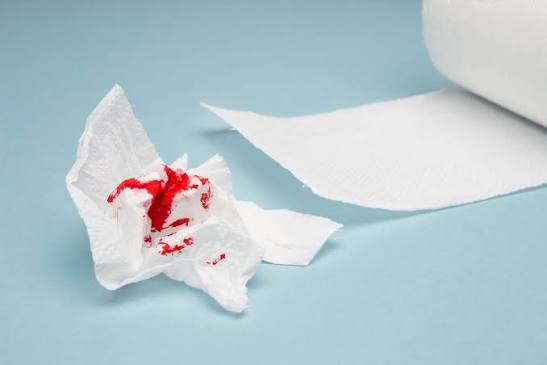
Why do hemorrhoids bleed is one of the most common questions people ask after spotting blood in the toilet. It happens when swollen veins in the anus or rectum get irritated, stretched, or torn during a bowel movement.
The good news is that most bleeding hemorrhoids are manageable at home with simple lifestyle changes.
What Are Hemorrhoids? A Quick Overview
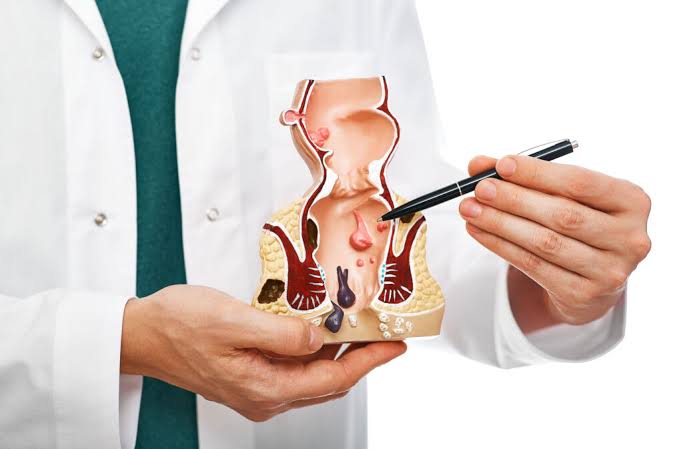
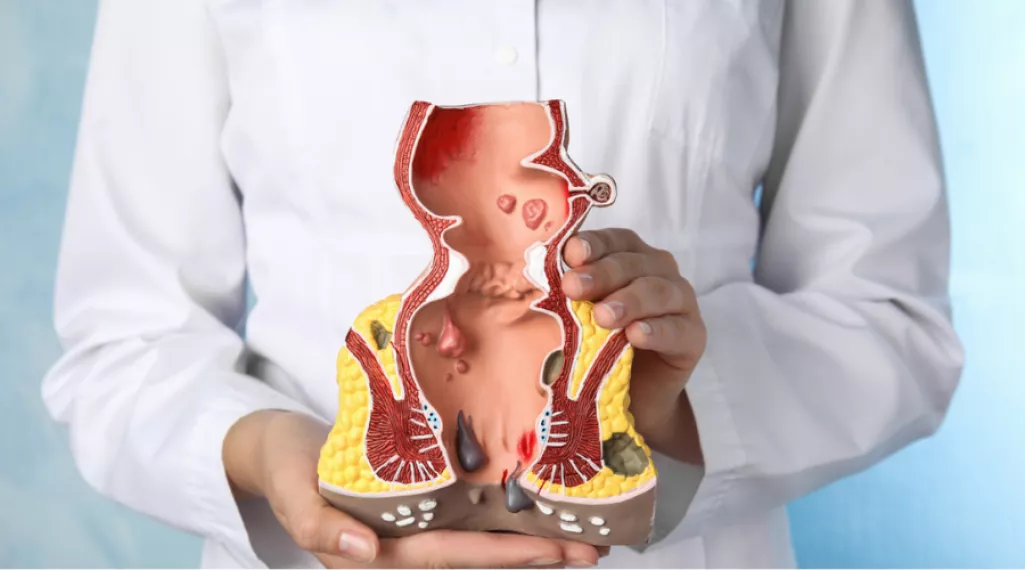
Hemorrhoids are swollen blood vessels located inside the rectum or around the anus. Everyone has hemorrhoidal tissue, but it only becomes a problem when it enlarges.
This tissue swells due to pressure from straining, pregnancy, obesity, or chronic constipation. Once swollen, the delicate blood vessels sit closer to the surface and become easier to injure.
That is the root reason hemorrhoids bleed in the first place. The tissue is thin, stretched, and exposed to constant friction from stool passing through the anal canal.
Why Do Hemorrhoids Bleed? The Main Causes
Hemorrhoid bleeding rarely happens without a trigger. It is almost always linked to pressure, friction, or irritation building up in the anal area over time.
Below are the most common reasons hemorrhoids start bleeding, based on clinical explanations from gastroenterologists and colorectal specialists.
Straining During Bowel Movements
Straining increases pressure inside the rectal veins, causing them to bulge further. This added pressure can tear the thin surface of an already swollen hemorrhoid.
Even mild straining, if repeated daily, is enough to keep reopening a healing hemorrhoid and restart the bleeding cycle.
Constipation and Hard Stools
Hard, dry stool scrapes against hemorrhoidal tissue as it passes through the anal canal. This friction is one of the leading causes of hemorrhoid bleeding.
People with chronic constipation tend to experience recurring bleeding because the tissue never gets a chance to fully heal between bowel movements.
Prolonged Sitting on the Toilet
Sitting on the toilet for long periods, especially while using a phone, increases pressure on the rectal veins. This pooling effect makes hemorrhoids swell larger and become more fragile.
Over time, this habit alone can be enough to trigger bleeding, even without hard stool or heavy straining.
Pregnancy and Increased Pelvic Pressure
Pregnancy raises pressure on the pelvic veins due to the growing uterus and increased blood volume. This makes hemorrhoids more likely to develop and bleed, especially in the third trimester.
Hormonal changes during pregnancy also relax vein walls, making them more prone to swelling and rupture.
Thrombosed Hemorrhoids
A thrombosed hemorrhoid forms when a blood clot develops inside the swollen vein. If the clot grows too large, it can stretch the skin until it breaks open and bleeds.
This type of bleeding is often sudden and can be accompanied by sharp, severe pain around the anus.
Chronic Diarrhea
Frequent, watery stools irritate hemorrhoidal tissue just as much as hard stool does, though through a different mechanism. Repeated wiping and acidic stool content can break down fragile skin.
This repeated irritation weakens the hemorrhoid’s surface, making it more likely to bleed during future bowel movements.
Heavy Lifting
Lifting heavy objects creates a similar pressure spike to straining during a bowel movement. This is sometimes called the Valsalva effect, and it pushes blood into the rectal veins.
People who lift weights or do manual labor without proper breathing technique are more prone to hemorrhoid flare-ups and bleeding.
Internal vs External Hemorrhoids: Bleeding Differences
Not all hemorrhoids bleed the same way. Understanding the type you have helps explain the pattern and severity of bleeding you are experiencing.
| Feature | Internal Hemorrhoids | External Hemorrhoids |
|---|---|---|
| Location | Inside the rectum | Under the skin around the anus |
| Pain level | Usually painless | Often painful, especially when thrombosed |
| Bleeding pattern | Bright red, on stool or toilet paper | Occurs mainly if irritated or clotted |
| Common trigger | Straining, constipation | Friction, sitting, clot rupture |
| Visibility | Not visible unless prolapsed | Visible as a lump near the anus |
What Does Hemorrhoid Blood Look Like?
Hemorrhoid blood is almost always bright red because it comes from veins close to the anal opening. This fresh color is a helpful clue for identifying the source.
You may notice it on toilet paper, in the toilet bowl, or as a thin coating on the surface of your stool.
Dark red or black blood is different and usually points to bleeding higher up in the digestive tract. This type of blood should always be checked by a doctor.
How Much Hemorrhoid Bleeding Is Normal?
A small amount of bright red blood after a bowel movement is generally considered normal with hemorrhoids. It typically stops on its own within a few minutes.
Bleeding becomes concerning when it is heavy, constant, or paired with other symptoms like dizziness or severe pain.
| Bleeding Type | Considered Normal | Needs Medical Attention |
|---|---|---|
| Amount | A few drops or light streaks | Soaking toilet paper, dripping blood |
| Color | Bright red | Dark red, maroon, or black |
| Frequency | Occasional, tied to bowel movements | Constant or worsening over days |
| Accompanying symptoms | Mild irritation only | Dizziness, severe pain, fever |
| Duration | Resolves within a few days | Lasts more than a week |
When Hemorrhoid Bleeding Becomes a Warning Sign
Persistent or heavy bleeding should never be dismissed as “just hemorrhoids” without proper evaluation. Other conditions can mimic hemorrhoid symptoms.
Anal fissures, colorectal polyps, and in rare cases colorectal cancer can all cause similar bleeding patterns.
See a doctor immediately if you notice dark red or black blood, blood clots, dizziness, fatigue, or bleeding that continues for more than a week.
A sudden change in bowel habits paired with bleeding is another signal that deserves prompt medical evaluation rather than home treatment alone.
Home Remedies to Stop Hemorrhoid Bleeding
Most mild hemorrhoid bleeding responds well to simple home care. These remedies focus on reducing irritation and calming swollen tissue.
Consistency matters more than intensity here, since gentle daily care heals hemorrhoidal tissue faster than occasional aggressive treatment.
Sitz Baths
Soaking the anal area in warm water for 10 to 15 minutes several times a day reduces swelling and soothes irritated tissue.
This simple remedy also improves blood flow to the area, which can speed up healing and reduce the chance of further bleeding.
Ice Packs
Applying a cold compress or ice wrapped in a cloth can numb pain and shrink swollen blood vessels temporarily.
Use ice for no more than 10 to 15 minutes at a time to avoid irritating the surrounding skin further.
Fiber-Rich Diet
Increasing fiber intake softens stool, which reduces straining and friction against hemorrhoidal tissue during bowel movements.
Aim for 25 to 30 grams of fiber daily through fruits, vegetables, whole grains, and legumes for the best results.
Hydration
Drinking enough water keeps stool soft and easier to pass, which directly reduces the risk of tearing hemorrhoidal tissue.
Most adults should aim for at least eight glasses of water a day, more if fiber intake is also increasing.
OTC Creams and Suppositories
Over-the-counter hemorrhoid creams containing hydrocortisone or witch hazel can reduce inflammation and calm bleeding tissue.
These products treat symptoms effectively but do not shrink the underlying swollen hemorrhoid tissue causing the problem.
Medical Treatments for Bleeding Hemorrhoids
When home remedies are not enough, several minimally invasive medical procedures can stop hemorrhoid bleeding for good.
Your doctor will recommend a treatment based on the size, location, and severity of the hemorrhoid causing your symptoms.
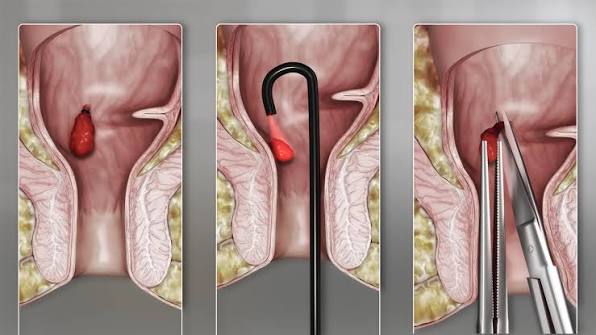
Rubber Band Ligation
A small rubber band is placed around the base of the hemorrhoid to cut off its blood supply. The tissue then shrinks and falls off within a week.
This is one of the most common in-office procedures for internal hemorrhoids that bleed repeatedly.
Sclerotherapy
A chemical solution is injected directly into the hemorrhoid, causing the tissue to shrink and scar over time.
This method works well for smaller hemorrhoids and involves little to no downtime after the procedure.
Infrared Coagulation
Infrared light is used to cut off blood flow to the hemorrhoid, causing it to shrink gradually.
It is a quick, low-pain option often used for early-stage internal hemorrhoids that cause mild bleeding.
Hemorrhoidectomy
This surgical procedure removes the hemorrhoid tissue entirely and is reserved for large or severe cases.
Recovery takes longer than other options, but it offers the most permanent solution for chronic bleeding hemorrhoids.
Hemorrhoid Embolization
A newer, non-surgical option that blocks the arteries feeding the hemorrhoid using tiny particles guided by imaging technology.
This reduces pressure in the swollen veins, leading to less bleeding, pain, and swelling without a surgical incision.
How to Prevent Hemorrhoids From Bleeding Again
Preventing future bleeding comes down to reducing pressure and friction in the anal area consistently over time.
Small daily habits make a bigger difference than occasional intense efforts when it comes to long-term hemorrhoid control.
Avoid straining by not rushing bowel movements and responding to the urge to go as soon as it appears.
Limit time spent sitting on the toilet, and try to keep sessions under five minutes whenever possible.
Stay physically active with regular movement, since this improves circulation and reduces pressure buildup in the pelvic veins.
Avoid heavy lifting without proper breathing technique, and exhale during exertion instead of holding your breath.
Who Is Most at Risk of Bleeding Hemorrhoids?
Certain groups face a higher risk of developing hemorrhoids that bleed due to lifestyle, age, or physical factors that raise pressure in the rectal veins.
Recognizing your risk level can help you take preventive steps earlier, before bleeding becomes a recurring problem.
People over the age of 50 face higher risk because supporting tissue around the rectal veins naturally weakens with age.
Pregnant women are also at elevated risk due to hormonal changes and added pressure from the growing uterus on pelvic veins.
Individuals with sedentary jobs that involve long hours of sitting experience more pooled blood in the pelvic area, increasing swelling.
People with a family history of hemorrhoids or weak vein walls may also be more genetically prone to this condition.
Those who follow a low-fiber diet regularly are more likely to develop hard stools, which raises the risk of straining and tissue tears.
Hemorrhoid Bleeding vs. Other Causes of Rectal Bleeding
Several conditions can cause rectal bleeding that looks similar to hemorrhoid bleeding at first glance. Knowing the differences helps you decide when to see a doctor.
| Condition | Typical Blood Color | Common Accompanying Signs |
|---|---|---|
| Hemorrhoids | Bright red | Itching, mild discomfort, lump near anus |
| Anal fissure | Bright red | Sharp pain during bowel movements |
| Colorectal polyps | Bright to dark red | Often no pain, may be found on screening |
| Diverticular bleeding | Dark red to maroon | Sudden, painless, often heavier bleeding |
| Colorectal cancer | Dark red or black | Weight loss, fatigue, change in bowel habits |
If your bleeding pattern does not match typical hemorrhoid symptoms, it is worth scheduling a colonoscopy or seeing a gastroenterologist for a clear diagnosis.
Common Myths About Hemorrhoid Bleeding
Misinformation around hemorrhoid bleeding often leads people to either panic unnecessarily or ignore symptoms that actually need attention.
Clearing up these myths can help you approach the condition with more confidence and make better treatment decisions.
Myth: All rectal bleeding is caused by hemorrhoids. In reality, bleeding can come from several different sources, so persistent bleeding always deserves a proper checkup.
Myth: Hemorrhoid bleeding always means surgery is needed. Most cases actually resolve with simple lifestyle changes and never require any procedure at all.
Myth: Spicy food directly causes hemorrhoids to bleed. Spicy food can irritate existing hemorrhoids during bowel movements, but it does not create hemorrhoids on its own.
Myth: Hemorrhoids that bleed once will always keep bleeding. With proper care, many people experience just one or two episodes before symptoms fully resolve.
How Long Does It Take for Bleeding Hemorrhoids to Heal?
Most mild hemorrhoid bleeding stops within a few minutes and fully settles down within three to seven days with consistent home care.
Larger or thrombosed hemorrhoids may take two to three weeks to heal completely, especially if swelling and clotting are involved.
Healing time depends heavily on how well you manage triggers like straining, hard stool, and prolonged sitting during the recovery period.
If bleeding has not improved after a week of consistent home treatment, it is a strong signal to consult a doctor for further evaluation.
Foods to Eat and Avoid for Hemorrhoid Bleeding
Diet plays a major role in how often hemorrhoids bleed, since stool consistency directly affects friction and straining.
| Foods to Eat | Foods to Avoid |
|---|---|
| Whole grains and oats | Processed white bread and pastries |
| Leafy greens and vegetables | Fried and greasy foods |
| Fresh fruits like pears and apples | Excess red meat |
| Legumes and beans | Spicy foods in excess |
| Water and herbal teas | Alcohol and caffeinated drinks |
Hygiene Tips That Help Reduce Bleeding
Gentle hygiene habits play a bigger role in hemorrhoid healing than most people realize, since irritation from wiping can worsen bleeding.
Small adjustments to your daily routine can reduce friction and give swollen tissue the space it needs to recover properly.
Use soft, unscented toilet paper or fragrance-free wet wipes instead of rough paper that can scrape irritated skin.
Pat the area dry rather than rubbing after a bath or bowel movement to avoid reopening healed tissue.
Avoid scented soaps or bubble baths near the anal area, since fragrances and chemicals can trigger further irritation and delay healing.
Wearing loose, breathable cotton underwear also helps keep the area dry and reduces friction throughout the day.
What to Expect at a Doctor’s Visit for Bleeding Hemorrhoids
If home care does not resolve your symptoms, a doctor’s visit is the next step toward a proper diagnosis and treatment plan.
Knowing what happens during this visit can make the process feel less intimidating and help you prepare useful information beforehand.
Your doctor will usually start by asking about the color, amount, and frequency of bleeding, along with any pain or other symptoms.
A physical exam, including a visual check and sometimes a digital rectal exam, helps confirm whether hemorrhoids are the actual cause.
In some cases, your doctor may recommend a colonoscopy or anoscopy to rule out other conditions, especially if bleeding is unusual or persistent.
Being prepared with details about your diet, bathroom habits, and symptom timeline can help your doctor reach a diagnosis faster.
Frequently Asked Questions (FAQs)
1. Why do hemorrhoids bleed suddenly?
Sudden bleeding usually happens when a hemorrhoid tears from straining or a thrombosed clot ruptures. It can also follow hard stool passing through the anal canal.
2. Is it normal for hemorrhoids to bleed a lot?
No, heavy bleeding is not typical for simple hemorrhoids. Only a few drops or light streaks are considered normal.
3. How long does hemorrhoid bleeding usually last?
Mild bleeding often stops within minutes and resolves within a few days with home care. Bleeding lasting over a week needs medical evaluation.
4. Can stress cause hemorrhoids to bleed?
Stress itself does not directly cause bleeding, but it can worsen constipation and straining habits. This indirectly increases the risk of irritation.
5. Does hemorrhoid bleeding mean I need surgery?
Not usually, since most cases respond to home care or minor in-office procedures. Surgery is only needed for severe or recurring cases.
6. Can internal hemorrhoids bleed without pain?
Yes, internal hemorrhoids are often painless even while bleeding. This is because the internal rectal area has fewer pain-sensing nerves.
7. What color is hemorrhoid blood supposed to be?
Hemorrhoid blood is typically bright red since it comes from veins near the surface. Dark or black blood suggests a different, more serious cause.
8. Can drinking more water stop hemorrhoid bleeding?
Yes, proper hydration softens stool and reduces straining, which lowers the chance of hemorrhoid tissue tearing. It works best combined with a high-fiber diet.
9. When should I go to the ER for hemorrhoid bleeding?
Go immediately if bleeding is heavy, continuous, or paired with dizziness, weakness, or severe abdominal pain. These can signal a more serious issue.
10. Can hemorrhoids bleed during pregnancy?
Yes, pregnancy increases pelvic pressure and blood volume, making hemorrhoids more common and more likely to bleed. Most cases improve after delivery.
Conclusion
Hemorrhoid bleeding is usually caused by straining, hard stool, prolonged sitting, or increased pelvic pressure that irritates swollen rectal veins.
In most cases, the bleeding is mild, bright red, and resolves with simple home care like sitz baths, hydration, and a fiber-rich diet.
However, heavy, dark, or persistent bleeding should never be ignored, since it can signal a more serious underlying condition that needs medical attention.
Understanding why hemorrhoids bleed helps you respond calmly instead of panicking the next time you notice blood.
With consistent prevention habits, such as avoiding straining and limiting toilet time, most people can reduce flare-ups significantly.
If home remedies fail or bleeding continues, minimally invasive treatments like rubber band ligation or sclerotherapy offer fast, effective relief without major surgery.
The key takeaway is to track your symptoms closely, stay consistent with fiber, hydration, and gentle hygiene, and never ignore blood that is heavy, dark, or accompanied by other warning signs.
Taking these steps early puts you in control of your recovery and lowers the chances of hemorrhoid bleeding becoming a recurring issue in the future.