Why Do I Have a Bad Taste in My Mouth? Causes & Fixes 2026

Why do I have a bad taste in my mouth is one of the most common health questions people search every day.
That lingering bitter, metallic, sour, or foul flavor can appear after eating, first thing in the morning, or for no obvious reason at all. Sometimes it clears up after brushing your teeth. Other times it sticks around for days or even weeks.
The good news is that most causes are not serious and are completely treatable.
What Is a Bad Taste in the Mouth Called
The medical term for a persistent bad or altered taste in the mouth is dysgeusia.
It is a taste disorder where the sense of taste becomes distorted. People with dysgeusia may experience a metallic, bitter, sour, salty, foul, or rotten flavor that does not match anything they have eaten.
Dysgeusia can be temporary or chronic. It can affect one or all taste sensations at the same time. According to the National Institutes of Health, over 200,000 people visit a medical professional every year specifically for taste and smell issues.
The Different Types of Bad Taste and What They Mean
Not all bad tastes are the same. The flavor you are noticing can actually help point to the likely cause.
| Type of Bad Taste | Most Likely Cause |
|---|---|
| Metallic | Medications, pregnancy, gum disease, vitamin deficiencies |
| Bitter | Acid reflux (GERD), bile reflux, oral thrush, stress |
| Sour | Acid reflux, poor oral hygiene, dry mouth |
| Foul or Rotten | Gum disease, dental abscess, sinus infection |
| Salty | Dry mouth, post-nasal drip, dehydration |
| Sweet | Uncontrolled diabetes, certain infections |
Understanding the specific flavor you are experiencing is a useful first step before investigating the underlying cause.
Common Causes of a Bad Taste in the Mouth
Poor Oral Hygiene and Dental Problems
The most common reason people experience a bad taste in the mouth is directly linked to dental hygiene.
When you do not brush and floss regularly, plaque builds up on the teeth and along the gumline. Bacteria in this plaque produce foul-smelling and foul-tasting compounds that sit in the mouth all day.
Conditions that cause dental-related bad taste include:
- Gingivitis (early gum disease from plaque buildup)
- Periodontitis (advanced gum disease where gums pull away from teeth)
- Dental abscess (a pocket of infection at the root of a tooth or in the gum)
- Tooth decay and untreated cavities
- Wisdom teeth coming in or becoming infected
- Old or failing dental work that harbors bacteria
A dental abscess in particular produces a distinctly foul taste that brushing alone will not remove. The bacteria multiply inside the tooth or below the gumline and continuously release bad-tasting compounds. If you notice a persistent foul taste along with pain, swelling, or bleeding gums, see a dentist promptly.
Dry Mouth (Xerostomia)
Dry mouth, medically called xerostomia, occurs when the salivary glands do not produce enough saliva.
Saliva plays a critical role in washing away food particles, neutralizing acids, and keeping bacterial levels in check. When saliva levels drop, bacteria proliferate quickly and produce compounds that create a persistent bad taste.
Common causes of dry mouth include:
- Medications (antihistamines, antidepressants, diuretics, blood pressure drugs)
- Aging and hormonal changes
- Diabetes
- Menopause
- Sleeping with the mouth open
- Dehydration
Staying well hydrated, chewing sugar-free gum, and using mouth rinses designed for dry mouth can all help stimulate saliva production and relieve the bad taste.
Acid Reflux and GERD
Gastroesophageal reflux disease, commonly known as GERD or acid reflux, is one of the most frequently overlooked causes of a persistent bad taste.
When stomach acid flows back up through the esophagus and reaches the throat or mouth, it leaves behind a sharp, acidic, bitter, or sour flavor. This is especially noticeable first thing in the morning or after eating a large meal.
People with GERD often describe a burning sensation in the chest combined with a sour or bitter taste that lingers. Even without classic heartburn symptoms, acid reflux can still be causing the taste disturbance.
Managing GERD to relieve the taste involves:
- Avoiding trigger foods (spicy, fatty, fried, and acidic foods)
- Not lying down within two to three hours after eating
- Elevating the head of the bed
- Using antacids or proton pump inhibitors as directed by a doctor
Medications and Supplements
More than 350 medications across every major drug category have been linked to taste complaints.
Many drugs are excreted through the salivary glands and end up directly in the saliva, meaning you literally taste them. Others alter taste receptor sensitivity or cause dry mouth as a side effect.
Common medications associated with a bad taste include:
| Medication Type | Examples |
|---|---|
| Antibiotics | Metronidazole, clarithromycin, tetracycline |
| Blood pressure drugs | ACE inhibitors, metoprolol |
| Antidepressants | Various SSRIs and tricyclics |
| Antihistamines | Can cause dry mouth leading to taste changes |
| Diabetes medications | Metformin (known to cause a metallic or bitter taste) |
| Chemotherapy drugs | Wide range of agents affecting taste receptors |
| Vitamins and supplements | Iron, zinc, calcium, copper, vitamin D, prenatal vitamins |
Never stop a prescribed medication without consulting your doctor. If a medication is causing a bad taste, your doctor may be able to adjust the dose, change the timing, or recommend an alternative.
Sinus Infections and Respiratory Illnesses
Upper respiratory infections including the common cold, flu, sinusitis, and tonsillitis are all common causes of a temporary bad taste.
When the sinuses are infected or blocked, mucus drains down the back of the throat in a process called postnasal drip. This mucus has a bitter or foul flavor and coats the back of the tongue continuously.
Sinus infections can also cause pressure and inflammation that directly interferes with smell perception. Since approximately 80 percent of what we taste is actually detected through our sense of smell, a blocked or inflamed nose significantly distorts how food and the mouth itself taste.
COVID-19 in particular became well known for causing taste and smell disturbances, sometimes lasting weeks or months after the initial infection.
Pregnancy and Hormonal Changes
A metallic or bitter taste during pregnancy is extremely common, particularly in the first trimester.
This happens because rising estrogen levels directly affect how taste buds register flavors. The medical term for pregnancy-related taste changes is dysgeusia, and it can appear even before a woman knows she is pregnant.
Additional pregnancy-related factors that worsen the taste include:
- Morning sickness and nausea
- Acid reflux from the growing uterus pressing on the stomach
- Prenatal vitamins with high iron or mineral content
- Increased saliva production with altered composition
- Heightened sensitivity to smells
The metallic taste typically improves or disappears after the first trimester as hormones stabilize. Rinsing with a diluted baking soda solution (a quarter teaspoon in a cup of water) can help neutralize mouth pH in the meantime.
Menopause can also cause similar hormonal taste changes, primarily through its association with dry mouth and burning mouth syndrome.
Oral Thrush
Oral thrush is a fungal infection caused by an overgrowth of Candida yeast in the mouth.
It is most common in babies, older adults, people with weakened immune systems, and anyone who has recently taken a course of antibiotics. Antibiotics can disrupt the natural balance of bacteria in the mouth, allowing Candida to grow unchecked.
Signs of oral thrush alongside the bad taste include white patches or bumps on the tongue and inner cheeks, redness, soreness, and difficulty swallowing. A doctor will typically prescribe antifungal medication to treat it.
Burning Mouth Syndrome
Burning mouth syndrome is a condition where people experience a persistent burning sensation in the mouth, often on the tongue, lips, or palate, along with a bitter or rancid taste.
The exact cause is not always clear. It is more common in middle-aged and older women and has been linked to hormonal changes, nerve damage, nutritional deficiencies (particularly B12, iron, and zinc), dry mouth, and anxiety.
Symptoms can appear suddenly and last for months or years. Treatment usually involves addressing any underlying deficiencies, managing dry mouth, and sometimes using medications that target nerve pain.
Nutritional Deficiencies
Deficiencies in specific vitamins and minerals are a surprisingly common and often overlooked cause of a bad taste.
A lack of vitamin B12 can cause a metallic taste and is associated with burning mouth syndrome. Zinc deficiency in particular directly impairs taste receptor function, leading to a persistent bitter or altered taste. Iron deficiency can also cause taste changes.
| Deficiency | Taste Effect |
|---|---|
| Zinc | Bitter or altered taste, impaired taste receptor function |
| Vitamin B12 | Metallic taste, burning mouth |
| Iron | Metallic or foul taste |
| Vitamin D | Can contribute to taste changes through immune effects |
A simple blood test can identify nutritional deficiencies. Correcting them with dietary changes or supplements often resolves the taste problem completely.
Neurological Conditions
The sense of taste relies on nerves that run from the taste buds through the face and neck to the brain.
When these nerves are damaged or disrupted by neurological conditions, taste perception changes. Conditions associated with dysgeusia include Alzheimer’s disease, Parkinson’s disease, multiple sclerosis, Bell’s palsy, and certain types of epilepsy.
Head trauma, ear surgery, and neck surgery can also damage the taste nerves and cause lasting taste changes.
Diabetes
Uncontrolled blood sugar levels in diabetes can cause a sweet or fruity taste in the mouth, which is a warning sign that should be taken seriously.
In diabetic ketoacidosis, a dangerous complication of uncontrolled diabetes, the body begins breaking down fat for fuel and produces ketones. These ketones can create a distinctly sweet, fruity, or chemical smell and taste in the mouth. This is a medical emergency that requires immediate attention.
Even in less severe cases, altered blood sugar levels throughout the day can cause taste perception to fluctuate, which is why taste disturbances may be one of the earliest recognizable symptoms of type 2 diabetes.
Liver and Kidney Problems

Liver disease and kidney failure can cause a buildup of waste chemicals in the bloodstream that eventually end up in the saliva.
In kidney disease, a condition called uremia occurs when urea and other waste products accumulate. This gives the mouth a distinctly ammonia-like or fishy taste that many patients describe as unpleasant and persistent.
Liver disease can similarly cause a buildup of certain compounds that alter the taste of saliva. If you have a bad taste accompanied by jaundice, fatigue, swelling, or changes in urine color, see a doctor without delay.
Smoking and Tobacco Use
Tobacco use in all forms damages the taste receptor cells in the mouth over time.
Smoking reduces blood flow to the gum tissue and taste buds, dulls taste sensitivity, and leaves chemical residues in the mouth between uses. People who smoke often report a stale, bitter, or generally unpleasant taste that is especially noticeable first thing in the morning.
Quitting smoking is the single most effective step a smoker can take to restore normal taste function. Most people notice significant improvement in taste and smell within days to weeks of stopping.
Stress and Anxiety
High levels of stress and anxiety can directly alter taste perception through the body’s stress response.
When the body is under stress, it releases certain hormones and proteins that can affect taste bud sensitivity. Some people under significant psychological stress report increased sensitivity to bitter tastes.
Stress also commonly leads to dry mouth and can worsen acid reflux, both of which independently cause a bad taste.
Pine Nut Syndrome
Pine nut syndrome is a rare but documented condition where consuming pine nuts causes a bitter or metallic taste that begins 12 to 48 hours after eating them.
The exact reason is not fully understood, but it is believed to involve a specific variety of pine nut that affects taste perception. The condition is not harmful and typically resolves on its own within two to four weeks.
How to Get Rid of a Bad Taste in the Mouth
Improve Your Oral Hygiene Routine
The most impactful thing most people can do is improve their daily dental care.
Brush your teeth twice daily for at least two minutes using a fluoride toothpaste. Always clean between teeth with floss or interdental brushes. Use an antibacterial mouthwash to reduce the bacteria that cause bad taste. Clean your tongue with a tongue scraper or the back of your toothbrush every morning, as the tongue holds a significant reservoir of odor and taste-producing bacteria.
Stay Hydrated
Drinking enough water throughout the day is one of the simplest and most effective fixes.
Water stimulates saliva production, washes away food particles and bacteria, and dilutes the concentration of any foul-tasting substances in the mouth. Aim for at least eight glasses a day and increase intake if you are active, sick, or taking medications that cause dry mouth.
Rinse With Baking Soda and Water
A baking soda rinse neutralizes acids in the mouth and helps restore a healthy pH balance.
Mix a quarter teaspoon of baking soda into a cup of warm water and swish for 30 seconds. This is especially helpful for acid reflux-related taste, pregnancy-related metallic taste, and morning taste after sleeping with the mouth open.
Chew Sugar-Free Gum
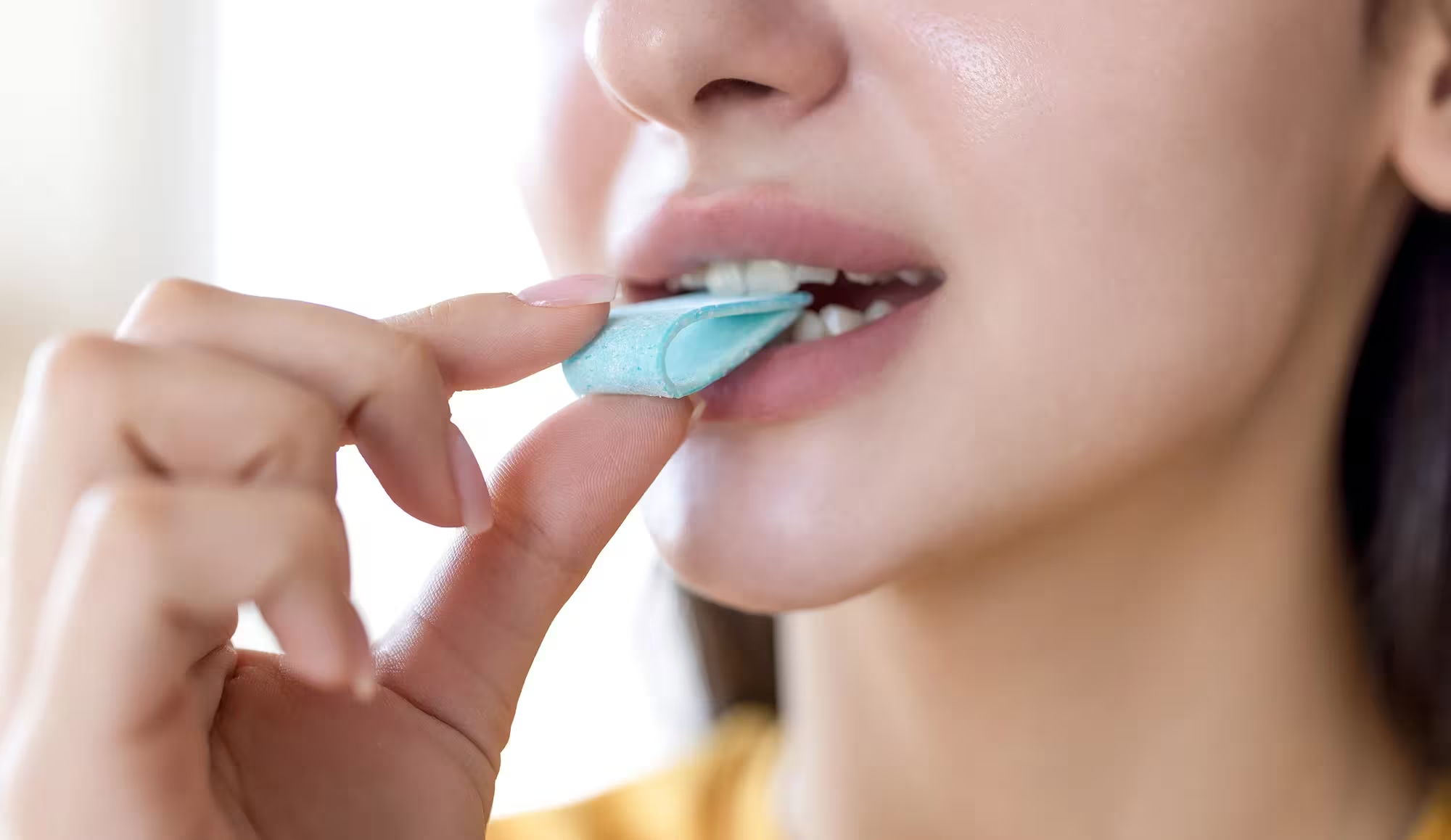
Chewing sugar-free gum stimulates saliva flow, which is the mouth’s natural defense against bad taste.
It also temporarily masks unpleasant flavors and helps clean the surfaces of teeth between brushings. Look for gum containing xylitol, which has additional antibacterial properties.
Avoid Trigger Foods and Drinks
Certain foods and drinks reliably make a bad taste worse, especially when the underlying cause is acid reflux or dry mouth.
Avoid or reduce:
- Spicy and fatty foods that trigger acid reflux
- Caffeine and alcohol that dry out the mouth
- Garlic, onions, and strong-smelling foods that leave residue in saliva
- Sugary drinks that feed bacteria
Address Acid Reflux

If acid reflux is the cause, dietary and lifestyle changes will have the most direct impact.
Eat smaller, more frequent meals instead of large ones. Avoid lying down after eating. Elevate the head of your bed by a few inches. If symptoms are frequent, speak to a doctor about antacid treatment or testing for GERD.
Use a Tongue Scraper
The tongue accumulates bacteria, dead cells, and food particles that a toothbrush often cannot fully remove.
A tongue scraper gently clears this layer from the surface of the tongue. Using one daily, especially in the morning, makes a noticeable difference in mouth freshness and taste for most people.
Try Probiotic Foods
Probiotic foods like plain yogurt, kefir, and fermented vegetables help promote a healthy balance of bacteria in the digestive system and mouth.
An imbalance of bacteria in the gut and mouth is linked to a persistent bad taste. Adding probiotic foods to the diet regularly can support both gut health and oral health over time.
Eat Naturally Sweet or Citrus Foods
Some people find that naturally sweet or citrus-flavored foods temporarily mask or counteract a metallic taste.
A squeeze of fresh lemon or orange into water, eating citrus fruits with meals, or trying cold foods (which release less aroma than hot foods) can all make eating more tolerable while the underlying cause is being addressed.
When to See a Doctor or Dentist
Most bad taste issues resolve on their own or with improved oral hygiene. But some situations call for professional evaluation.
| See a Doctor or Dentist If | Possible Reason |
|---|---|
| Bad taste lasts more than two weeks | Underlying medical condition |
| Accompanied by pain, swelling, or bleeding gums | Dental abscess or severe gum disease |
| White patches in the mouth | Oral thrush or other infection |
| Taste change alongside difficulty swallowing | Tonsillitis, throat infection, neurological issue |
| Sweet fruity taste with fatigue or excessive thirst | Uncontrolled diabetes or diabetic ketoacidosis |
| Ammonia or fishy taste in the mouth | Potential kidney disease |
| Jaundice alongside taste changes | Potential liver disease |
| Taste loss or distortion after head injury or surgery | Nerve damage |
Never ignore a bad taste that comes with other concerning symptoms. Early evaluation can catch serious underlying conditions before they progress.
Bad Taste in the Mouth in the Morning
Waking up with a bad taste is extremely common and is usually caused by dry mouth during sleep.
When you sleep, saliva production decreases significantly. Bacteria in the mouth multiply and produce odorous and foul-tasting compounds overnight. Sleeping with your mouth open accelerates this further. Brushing teeth before bed and using a mouth rinse helps reduce overnight bacterial buildup.
Morning bad taste that persists after brushing may point to acid reflux, sinus drainage, or poor gum health rather than overnight dryness.
Bad Taste After Eating
A bad taste that appears or worsens after eating is typically linked to either the food itself or an underlying digestive issue.
Strong-flavored foods like garlic, onions, coffee, and fish can leave taste and smell compounds in saliva for hours after eating. If the taste is sour or acidic and appears shortly after meals, acid reflux is the most likely cause.
A taste that appears only after eating specific foods might indicate a food sensitivity or an allergy reaction rather than a systemic problem.
Bad Taste in Mouth and Pregnancy
A metallic or bitter taste during pregnancy is so common that many women consider it an early pregnancy symptom alongside nausea and fatigue.
It is caused primarily by the surge in estrogen and other hormones in the first trimester that alter how taste buds respond to flavors. Prenatal vitamins, especially those high in iron, can compound the metallic sensation.
Home tips that help during pregnancy:
- Rinse with diluted baking soda solution
- Use non-metallic utensils (metal utensils can worsen the sensation)
- Eat small, frequent meals to reduce acid reflux
- Stay hydrated throughout the day
- Switch to a different prenatal vitamin if iron is a suspected trigger (always consult a doctor first)
The metallic taste of pregnancy usually fades by the second trimester as hormone levels stabilize.
Frequently Asked Questions (FAQs)
Why do I have a bad taste in my mouth even after brushing?
If the bad taste persists after brushing, the source is likely below the gumline where a toothbrush cannot reach. Gum disease, dental abscesses, or an underlying medical condition like acid reflux or dry mouth are the most common culprits.
What does a metallic taste in the mouth mean?
A metallic taste most commonly points to medications, gum disease, pregnancy, nutritional deficiencies (especially zinc or B12), or chemotherapy. It can also be an early sign of certain medical conditions including kidney disease or diabetes.
Can stress cause a bad taste in the mouth?
Yes. Stress and anxiety can alter taste perception through the body’s stress response and also worsen dry mouth and acid reflux, both of which independently cause a bad taste.
Why do I have a bitter taste in my mouth in the morning?
A bitter morning taste is usually caused by reduced saliva production during sleep combined with overnight bacterial buildup. Acid reflux is another very common cause, as stomach acid can reach the throat during the night when lying flat.
Can acid reflux cause a bad taste?
Yes. Acid reflux and GERD are among the most common causes of a persistent sour or bitter taste. When stomach acid travels back up the esophagus and reaches the mouth, it leaves behind a sharp acidic or bitter flavor.
What vitamin deficiency causes a bad taste in the mouth?
Zinc deficiency directly impairs taste receptor function and is one of the most common nutrient-related causes of taste disturbance. Vitamin B12 deficiency is also linked to a metallic taste and burning mouth syndrome.
How long does a bad taste in the mouth last?
It depends on the cause. A taste from food or a mild infection clears within hours to days. A taste caused by medication, gum disease, acid reflux, or nutritional deficiency will persist until the underlying cause is treated.
Can dry mouth cause a bad taste?
Yes. Dry mouth is one of the most direct causes of a bad taste. Without sufficient saliva to wash away bacteria and neutralize acids, bacterial populations in the mouth increase rapidly and produce foul-tasting compounds.
When should I be worried about a bad taste in my mouth?
See a doctor if the taste lasts more than two weeks, comes with pain, swelling, or white patches in the mouth, is accompanied by symptoms like excessive thirst or fatigue, or if you notice it following a head injury or surgery.
Can a sinus infection cause a bad taste in the mouth?
Yes. A sinus infection causes mucus to drain down the back of the throat, creating a bitter or foul taste. Sinus-related taste problems usually improve once the infection is treated with appropriate medication.
Conclusion
Why do I have a bad taste in my mouth is a question with a wide range of answers, and in most cases the underlying cause is manageable. Poor oral hygiene and dental problems are the most common culprits and the easiest to address with consistent brushing, flossing, tongue cleaning, and regular dental visits.
Acid reflux, dry mouth, medications, nutritional deficiencies, and hormonal changes each account for a large share of cases. Temporary causes like infections, pregnancy, and sinus drainage typically resolve on their own with time and simple home care.
If a bad taste persists beyond two weeks, returns frequently, or comes with additional symptoms like pain, swelling, difficulty swallowing, or fatigue, it is always worth consulting a doctor or dentist to rule out an underlying medical condition. Most causes of a bad taste are entirely treatable once correctly identified.