Why Are There White Spots on My Teeth? Causes & Fixes 2026
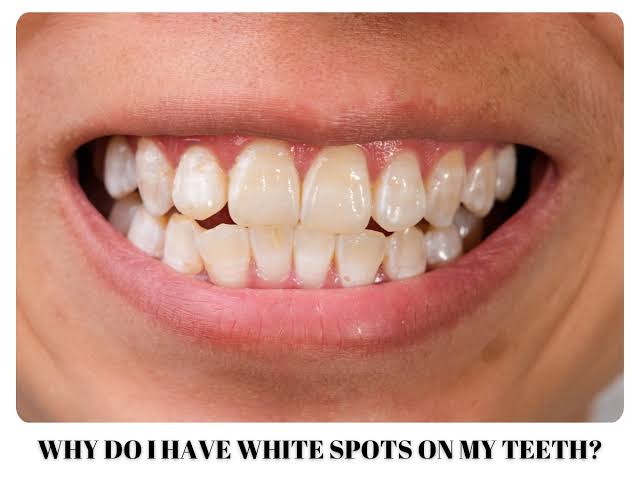
Why are there white spots on my teeth, especially when you feel like you’re taking good care of them? These chalky, opaque patches are extremely common and usually point to changes in your tooth enamel rather than poor hygiene alone.
The most frequent causes include early demineralization, fluorosis from childhood fluoride exposure, enamel hypoplasia, diet, and even braces.
Some spots are purely cosmetic, while others signal the earliest stage of tooth decay.
What Exactly Are White Spots on Teeth?
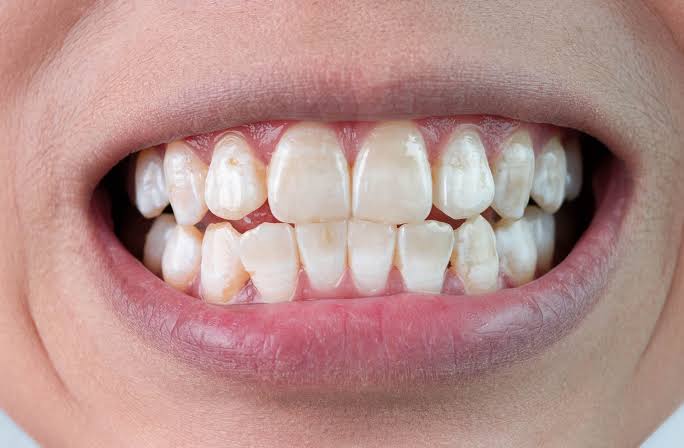
White spots are areas where enamel has lost minerals like calcium and phosphorus.
This mineral loss changes how light reflects off the tooth, creating a chalky white appearance.
They can appear on one tooth or several, and vary widely in size and severity.
Quick Overview Table: Common Causes of White Spots
| Cause | What’s Happening | Most Common Age |
|---|---|---|
| Demineralization | Bacterial acid strips calcium and phosphate from enamel | Teens and adults |
| Fluorosis | Excess fluoride exposure during tooth development | Children under 8 |
| Enamel hypoplasia | Enamel doesn’t form correctly during development | Infants and children |
| Poor oral hygiene | Plaque buildup weakens enamel over time | All ages |
| Braces-related spots | Plaque trapped around brackets and wires | Teens and adults |
| Acidic or sugary diet | Acid erodes enamel surface | All ages |
| Dry mouth or open-mouth sleeping | Temporary dehydration of enamel surface | All ages |
The Science Behind Enamel Demineralization
How Healthy Enamel Normally Looks
Healthy enamel is smooth, strong, and slightly translucent in appearance.
It’s made largely of minerals like calcium and phosphate that keep it dense and protective.
When these minerals stay balanced, enamel maintains a consistent, even color.
What Happens During Demineralization
Bacteria in plaque feed on sugars and produce acids as a byproduct.
Those acids pull calcium and phosphate out of the enamel surface over time.
The result is a porous, chalky white area where minerals have been lost.
Why This Matters for Tooth Decay
Demineralization is considered the earliest visible stage of tooth decay.
At this stage, damage may still be reversible with proper care and treatment.
If left unaddressed, the weakened area can progress into an actual cavity.
Fluorosis Explained
What Causes Fluorosis
Fluorosis develops from excessive fluoride exposure while teeth are still forming.
This typically affects children under the age of eight, before permanent teeth fully develop.
Common sources include fluoridated water, swallowed toothpaste, and fluoride supplements.
How Common Is Fluorosis?
Roughly one in four people in the U.S. shows some degree of dental fluorosis.
Most cases are described as “very mild,” covering less than 25 percent of the tooth surface.
More severe cases can involve larger, more noticeable mottled patches.
Enamel Hypoplasia and Turner’s Tooth
What Enamel Hypoplasia Means
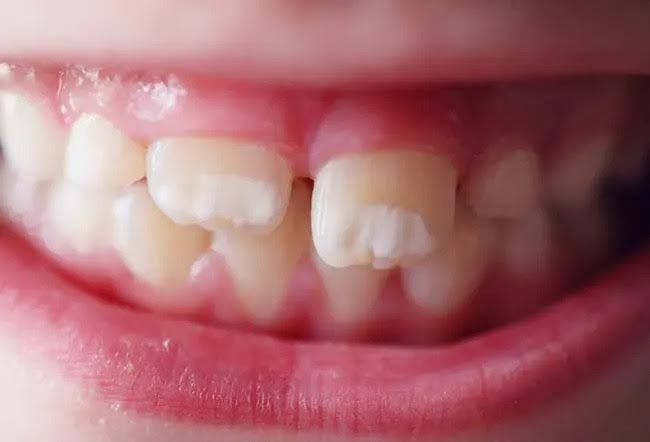
Enamel hypoplasia occurs when enamel doesn’t form with normal thickness or strength.
This condition, sometimes called Turner’s tooth, can affect both baby and adult teeth.
Affected teeth often show white spots, grooves, or increased sensitivity.
What Causes Enamel Hypoplasia
Poor nutrition during pregnancy or infancy can contribute to enamel hypoplasia.
Premature birth, childhood illness, high fever, and certain medications are also linked causes.
Smoking during pregnancy has also been associated with this enamel defect.
Table: Fluorosis vs Enamel Hypoplasia vs Demineralization
| Feature | Fluorosis | Enamel Hypoplasia | Demineralization |
|---|---|---|---|
| Cause | Excess fluoride exposure | Enamel formation defect | Bacterial acid and plaque |
| Onset | Childhood development | Infancy or childhood | Any age |
| Reversible | Cosmetic treatment only | Cosmetic treatment only | Often reversible if early |
| Texture | Smooth, chalky patches | May include grooves | Rough, porous surface |
Braces and White Spot Formation
Braces make it harder to clean around brackets and wires thoroughly.
Trapped plaque in these areas creates the ideal environment for demineralization.
White spots often become visible once braces are removed and teeth are fully seen again.
Diet’s Role in White Spot Development
Sugary Foods and Drinks
Sugar feeds the bacteria responsible for producing enamel-eroding acid.
Frequent sugar intake without proper cleaning increases the risk of white spots forming.
Reducing sugary snacks and drinks can help protect enamel over time.
Acidic Foods and Beverages
Acidic foods and drinks, like citrus fruits and soda, can directly erode enamel.
Acid reflux can also introduce stomach acid into the mouth, contributing to enamel damage.
Rinsing with water after acidic foods can help minimize this effect.
Low-Calcium Diets
Calcium is essential for building and maintaining strong tooth enamel.
A diet lacking sufficient calcium can leave enamel more vulnerable to demineralization.
Incorporating calcium-rich foods like leafy greens and dairy can help support enamel strength.
Medications and Childhood Illness
Certain antibiotics, particularly during childhood, have been linked to enamel changes.
High fevers during early childhood may also disrupt normal enamel development.
These factors are more likely to affect permanent teeth still forming at the time.
Dry Mouth and Temporary White Spots
Sleeping with your mouth open can dehydrate the enamel surface overnight.
This creates temporary white spots that often disappear once saliva rehydrates the teeth.
This type of spot is usually harmless and resolves without any treatment.
Table: Temporary vs Permanent White Spots
| Feature | Temporary Spots | Permanent Spots |
|---|---|---|
| Cause | Dry mouth, dehydration | Fluorosis, hypoplasia, demineralization |
| Duration | Hours, resolves with saliva | Long-term unless treated |
| Texture | Smooth | Chalky or rough |
| Treatment needed | Usually none | Often requires dental treatment |
Are White Spots Always a Sign of Decay?
Not all white spots indicate decay. Some are purely cosmetic or developmental.
However, spots that appear suddenly, change size, or feel soft deserve professional evaluation.
A dentist can determine whether early intervention is needed to prevent further damage.
How Dentists Diagnose the Cause
A dental exam typically starts with a visual inspection of the spot’s location and texture.
Your dentist may ask about your fluoride exposure, diet, and any history of braces or illness.
In some cases, additional imaging can help assess whether decay has begun beneath the surface.
Treatment Options for White Spots
Enamel Microabrasion
This treatment mechanically removes a very thin layer of enamel to reduce the appearance of spots.
It’s a quick, minimally invasive option often performed in a single dental visit.
Results can significantly improve the evenness of tooth color.
Resin Infiltration
Resin infiltration involves applying a special resin that fills porous areas of enamel.
This helps blend the white spot with the surrounding tooth color.
It’s often used for spots caused by early demineralization or mild fluorosis.
Teeth Whitening
Whitening treatments lighten the entire tooth to help balance overall color.
In some cases, this can initially make white spots more noticeable before blending occurs.
Whitening is not effective for spots caused specifically by fluorosis.
Dental Veneers
Veneers are thin coverings bonded to the front of the tooth to conceal discoloration.
They’re often used for more severe or widespread white spot cases.
This option is considered when other treatments don’t achieve the desired result.
Fluoride Treatments and Remineralizing Toothpaste
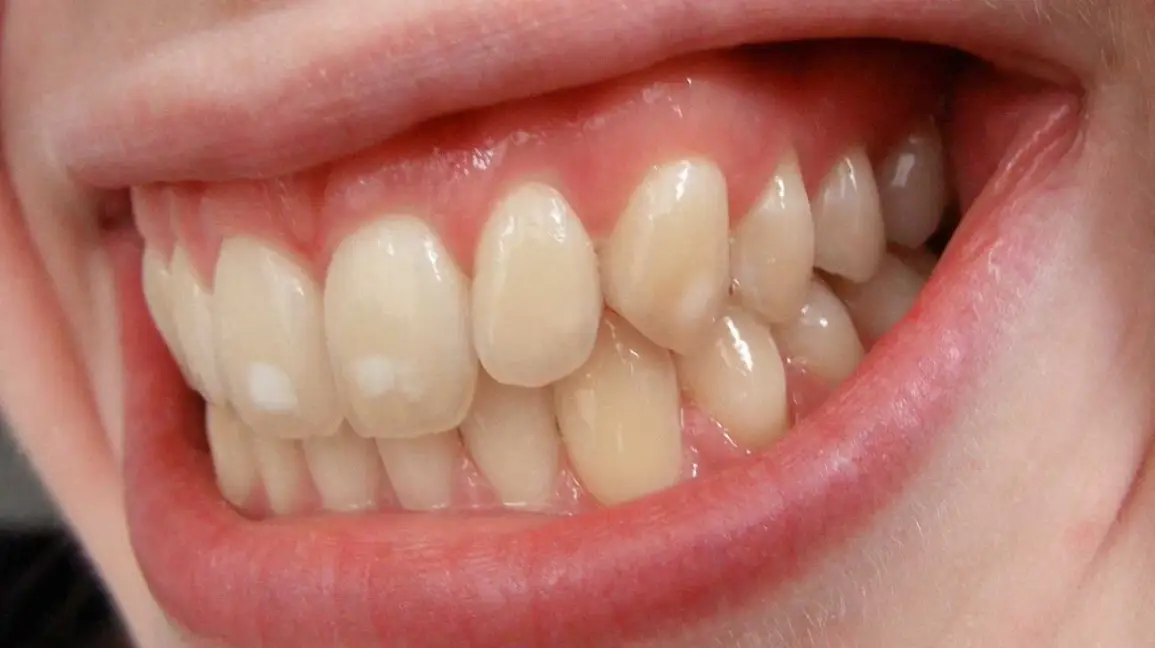
Dentists may recommend fluoride gel or remineralizing toothpaste for early demineralization.
These treatments help rebuild lost minerals and strengthen the affected enamel.
This approach works best when white spots are caught early.
Table: Treatment Options at a Glance
| Treatment | Best For | Invasiveness |
|---|---|---|
| Fluoride gel or remineralizing paste | Early demineralization | Non-invasive |
| Enamel microabrasion | Mild to moderate spots | Minimally invasive |
| Resin infiltration | Fluorosis or demineralization | Minimally invasive |
| Teeth whitening | Overall color balancing | Non-invasive |
| Dental veneers | Severe or widespread spots | More invasive |
Preventing White Spots on Teeth
Maintain consistent brushing and flossing to reduce plaque buildup.
Limit sugary and acidic foods, and rinse with water after consuming them.
Clean thoroughly around braces brackets and wires if you’re undergoing orthodontic treatment.
Monitor fluoride intake in children, especially from water, toothpaste, and supplements.
When to See a Dentist About White Spots
See a dentist if a white spot appears suddenly or changes in size or texture.
Spots that feel soft or are accompanied by sensitivity should be evaluated promptly.
Regular dental checkups can catch early demineralization before it progresses into a cavity.
Frequently Asked Questions (FAQs)
Why are there white spots on my teeth all of a sudden?
This is often due to demineralization, dry mouth, or early enamel changes from diet or hygiene.
Are white spots on teeth a sign of cavities?
Sometimes. Early demineralization can be the first stage of decay if left untreated.
Can white spots on teeth go away on their own?
Temporary spots from dry mouth can fade, but permanent spots usually need treatment.
What is fluorosis and how does it cause white spots?
Fluorosis comes from excess fluoride exposure during childhood tooth development.
Do braces cause white spots on teeth?
Yes, trapped plaque around brackets and wires can lead to demineralization.
Can teeth whitening remove white spots?
Not always. Whitening can sometimes make spots more noticeable before blending occurs.
Is enamel microabrasion painful?
No, it’s a minimally invasive treatment that typically causes little to no discomfort.
Can diet really cause white spots on teeth?
Yes, sugary and acidic foods can weaken enamel and contribute to white spot formation.
Should I be worried if my child has white spots on baby teeth?
It’s worth mentioning to a dentist, since it could indicate fluorosis or hypoplasia.
When should I see a dentist about white spots?
See a dentist if the spot appears suddenly, changes over time, or feels soft to the touch.
Conclusion
White spots on teeth are a common concern with several possible causes, ranging from early enamel demineralization and fluorosis to enamel hypoplasia, diet, and braces-related plaque buildup.
While some spots are purely cosmetic or temporary, others represent the earliest stage of tooth decay and benefit from prompt attention.
Treatment options like fluoride therapy, resin infiltration, enamel microabrasion, and veneers offer effective ways to restore a more even smile depending on the underlying cause.
Prevention largely comes down to consistent oral hygiene, a balanced diet, and monitoring fluoride exposure in young children.
If you notice a new or changing white spot, a dental checkup is the best way to identify the cause and choose the right treatment before it progresses further.