Why Are My Teeth Yellow When I Brush Them Everyday? Fixes 2026
Why are my teeth yellow when I brush them everyday is a question many people quietly ask themselves while looking in the mirror after their morning routine.
Brushing twice a day feels like it should guarantee a bright smile, yet the yellow tint often stays put or slowly gets worse.
The truth is that brushing removes plaque and prevents decay, but it cannot fix every cause of tooth discoloration on its own.
Genetics, diet, enamel thinning, smoking, and certain medications can all leave teeth looking yellow no matter how well you brush.
Why Are My Teeth Yellow When I Brush Them Everyday?
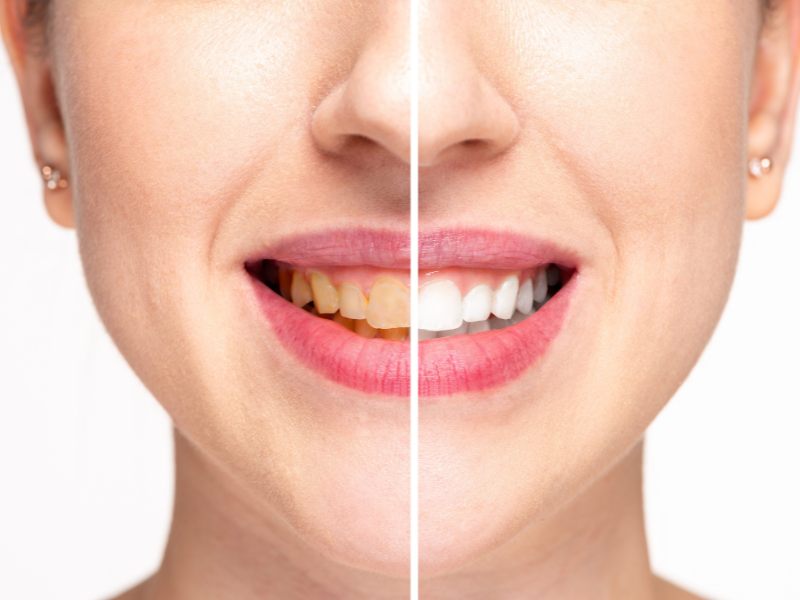
Brushing is designed to remove plaque, bacteria, and food debris, which protects against cavities and gum disease rather than changing tooth color directly.
Tooth color depends heavily on the dentin layer beneath the enamel, which brushing cannot reach or lighten no matter how thoroughly you clean the surface.
Understanding this distinction helps explain why consistent brushing habits do not always translate into a whiter appearance.
Common Reasons Your Teeth Stay Yellow Despite Brushing
Genetics and Natural Enamel Thickness
Tooth color varies naturally from person to person, largely determined by the thickness and translucency of the enamel covering the yellowish dentin underneath.
People with naturally thinner enamel often show more of the dentin’s yellow tone, regardless of how consistently they brush their teeth.
Incorrect Brushing Technique
Brushing too quickly, using the wrong motion, or missing certain areas of the mouth can leave plaque behind, which contributes to a dull or yellow appearance over time.
Using gentle circular motions for a full two minutes, twice daily, ensures more thorough plaque removal across every tooth surface.
Staining Foods and Beverages
Coffee, tea, red wine, and dark berries contain pigments that gradually settle into the enamel, creating stains that regular brushing struggles to fully remove.
Rinsing your mouth with water after consuming these items can reduce how much pigment has a chance to settle on the tooth surface.
Acidic Foods and Drinks
Citrus fruits, soda, and sports drinks are highly acidic and can gradually erode enamel, allowing the yellow dentin layer underneath to become more visible.
Limiting frequent exposure to acidic foods and rinsing afterward helps protect the enamel from ongoing erosion.
Smoking and Tobacco Use
Nicotine and tar from cigarettes create stubborn surface stains that penetrate deep into the enamel, often turning teeth a darker yellow or brown over time.
Professional cleanings become especially important for smokers, since brushing alone typically cannot remove nicotine-based stains.
Plaque and Tartar Buildup
Plaque that is not fully removed can harden into tartar, a rough, yellowish deposit that clings to teeth and resists regular brushing.
Only a professional dental cleaning can remove hardened tartar, which is why regular checkups remain essential even with good home care.
Certain Medications
Some medications, including tetracycline antibiotics and certain blood pressure treatments, are known to cause intrinsic tooth discoloration or persistent dry mouth that contributes to staining.
Speaking with your dentist about medication-related discoloration can help determine whether a specific whitening approach is appropriate for your situation.
Enamel Erosion With Age
Enamel naturally thins as people get older, gradually allowing more of the yellow dentin layer to show through, even with excellent oral hygiene habits.
This age-related change is a normal part of the aging process rather than a sign of poor dental care.
Dry Mouth
Reduced saliva production allows food particles and bacteria to linger longer on the teeth, increasing the likelihood of staining and plaque buildup.
Staying hydrated and using saliva-stimulating products can help reduce the effects of dry mouth on tooth appearance.
Fluorosis
Excessive fluoride exposure during childhood tooth development can cause white or yellowish-brown spots on the enamel that remain into adulthood.
Cosmetic treatments like whitening or bonding are typically used to address the visible effects of fluorosis later in life.
Using the Wrong Toothpaste
Toothpaste without proper stain-fighting or whitening ingredients may not effectively address surface stains, even when brushing technique and frequency are both correct.
Switching to a toothpaste designed for stain removal can noticeably improve surface brightness over several weeks of consistent use.
Skipping Flossing
Brushing alone cannot reach the tight spaces between teeth, allowing plaque to build up in these areas and contribute to an overall duller appearance.
Adding daily flossing to your routine helps remove plaque brushing misses, supporting a cleaner and brighter smile overall.
Dental Trauma or Injury
A tooth that has experienced trauma, such as a fall or impact, can darken over time due to internal bleeding or nerve damage inside the tooth.
This type of discoloration usually affects only the injured tooth and often requires a root canal or cosmetic treatment to correct fully.
Grinding or Clenching Teeth
Chronic teeth grinding can wear down enamel over time, gradually exposing more of the yellow dentin layer underneath, especially on the biting surfaces.
Wearing a night guard can help protect enamel from further wear caused by grinding, preserving a brighter appearance longer.
Excessive Mouthwash Use
Certain mouthwashes contain chlorhexidine or other staining agents that, with frequent long-term use, can contribute to a yellow or brownish tint on teeth.
Choosing an alcohol-free, stain-neutral mouthwash and using it as directed can help avoid this less commonly discussed cause.
Genetics Affecting Saliva Composition
Some people naturally produce saliva with a composition that offers less protection against staining, making them more prone to yellowing despite similar habits to others.
While this factor cannot be changed, staying consistent with oral hygiene and professional cleanings helps offset the increased staining tendency.
Vaping and E-Cigarettes
Vaping products, much like traditional cigarettes, can leave behind residue that gradually discolors teeth, even though the staining may appear less severe initially.
Reducing or eliminating vaping, combined with regular dental cleanings, helps minimize this increasingly common contributor to yellow teeth.
How Diet Patterns Beyond Single Foods Contribute to Staining
It is not just individual foods but overall dietary patterns that influence tooth color, since frequent snacking on staining items compounds their effect over time.
Consuming staining foods and drinks in one sitting, rather than sipping or snacking throughout the day, reduces the total contact time with your teeth.
Balancing your diet with crunchy fruits and vegetables, which can help naturally clean teeth surfaces, supports a brighter smile alongside good hygiene habits.
The Role of Water and Hydration in Tooth Color
Drinking water throughout the day helps rinse away food particles and pigments before they have a chance to settle into the enamel.
Fluoridated tap water can also help strengthen enamel over time, offering some natural protection against the erosion that contributes to yellowing.
Choosing water instead of staining beverages when possible is one of the simplest daily habits that supports a brighter smile long term.
Understanding Tooth Shade Charts Dentists Use
Dentists often use a shade guide to measure and track the natural color of your teeth during checkups and whitening consultations.
These charts range from lighter, more translucent shades to deeper yellow or brownish tones, helping set realistic expectations for whitening results.
Knowing your natural shade range can help you and your dentist choose the most suitable whitening approach for your specific situation.
Quick Reference Table: Causes and Fixes
| Common Cause | Type of Discoloration | Recommended Fix |
|---|---|---|
| Genetics and enamel thickness | Intrinsic | Professional whitening |
| Poor brushing technique | Surface plaque buildup | Improve technique, brush 2 minutes |
| Coffee, tea, wine stains | Extrinsic | Rinse after consuming, whitening toothpaste |
| Acidic foods and drinks | Enamel erosion | Limit exposure, rinse with water |
| Smoking and tobacco | Extrinsic, deep stains | Professional cleaning, quit smoking |
| Tartar buildup | Surface deposits | Professional dental cleaning |
| Medication side effects | Intrinsic | Consult dentist for options |
| Enamel erosion with age | Intrinsic | Cosmetic bonding or whitening |
Intrinsic vs Extrinsic Staining Explained
Extrinsic stains sit on the outer surface of the tooth and are often caused by food, drinks, or tobacco, making them more responsive to whitening treatments.
Intrinsic stains develop within the tooth structure itself, often from genetics, medication, or enamel thinning, and typically require more advanced treatment to address.
Understanding which type of staining you have helps determine whether over-the-counter products will help or if professional treatment is necessary.
Professional Treatment Options for Yellow Teeth
In-Office Whitening Treatments
Dentist-administered whitening uses stronger bleaching agents than at-home kits, often producing noticeably whiter results within a single appointment.
This option works best for extrinsic staining and mild to moderate intrinsic discoloration depending on the underlying cause.
Professional Dental Cleanings
Routine cleanings remove tartar and surface stains that brushing and flossing alone cannot fully eliminate, restoring a cleaner baseline appearance.
Scheduling cleanings every six months helps prevent stains from building up to a noticeable degree over time.
Dental Bonding
Bonding applies a tooth-colored resin to the surface of discolored teeth, effectively masking intrinsic stains that whitening treatments cannot fully address.
This option is often recommended for isolated discoloration, such as spots caused by fluorosis or trauma.
Porcelain Veneers
Veneers are thin shells placed over the front of teeth, offering a long-lasting solution for significant or stubborn discoloration that other treatments cannot resolve.
This option tends to be more expensive but provides durable, consistent results for years with proper care.
Custom Take-Home Whitening Trays
Dentists can provide custom-fitted trays with professional-strength whitening gel for gradual at-home use over one to two weeks.
This approach offers a middle ground between over-the-counter kits and in-office treatments in terms of cost and results.
Table: Treatment Comparison
| Treatment | Best For | Typical Duration |
|---|---|---|
| In-office whitening | Extrinsic stains | One session |
| Professional cleaning | Plaque and tartar | Every six months |
| Dental bonding | Localized intrinsic stains | One visit |
| Porcelain veneers | Severe or long-term discoloration | Several years |
| Take-home whitening trays | Mild to moderate staining | One to two weeks |
At-Home Habits That Support a Brighter Smile
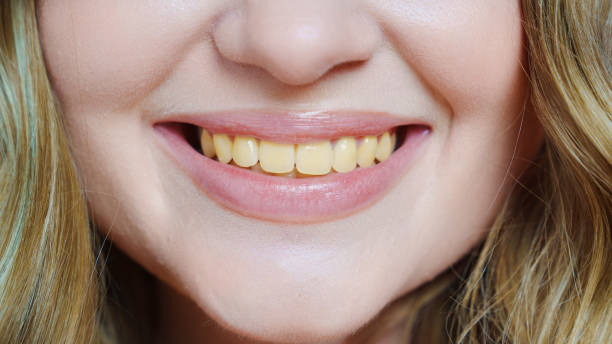
Brushing for a full two minutes twice daily with proper technique ensures more effective plaque removal across every tooth surface.
Flossing once a day removes buildup between teeth that brushing alone cannot reach, supporting a cleaner overall appearance.
Using a whitening toothpaste with gentle abrasives can help reduce surface stains gradually without damaging the enamel.
Rinsing your mouth with water after consuming coffee, tea, or wine reduces the amount of pigment left in contact with your teeth.
Foods and Drinks to Limit for a Brighter Smile
Coffee and black tea are among the most common contributors to yellow staining due to their concentrated pigments and tannins.
Red wine contains both pigments and acids that can stain and gradually erode enamel with frequent consumption over time.
Dark berries like blueberries and blackberries carry natural pigments that can settle into enamel, especially when consumed frequently.
Soda and sports drinks combine acidity with added sugars, creating a double impact on both staining and enamel erosion.
When Yellow Teeth May Signal a Dental Problem
Sudden or uneven yellowing on a single tooth can sometimes indicate nerve damage or trauma that requires a dentist’s evaluation.
Yellowing accompanied by pain, sensitivity, or visible decay should be checked promptly, since discoloration alone may not be the only concern.
Persistent dry mouth combined with rapid staining could point to an underlying medical condition worth discussing with your doctor or dentist.
How Age Affects Tooth Color Over Time
As enamel naturally thins with age, the yellow dentin layer becomes more visible, making some degree of yellowing a normal part of getting older.
Decades of exposure to staining foods, drinks, and habits also accumulate over time, compounding the effects of natural enamel thinning.
Cosmetic treatments become increasingly popular among older adults specifically to address this gradual, age-related change in tooth color.
Preventing Future Yellowing
Scheduling regular dental checkups allows early detection of tartar buildup and staining before it becomes significantly noticeable.
Using a straw when drinking staining beverages can reduce direct contact between the liquid and the front surfaces of your teeth.
Avoiding tobacco products entirely remains one of the most effective ways to prevent both surface and deep tooth staining over the long term.
Maintaining good hydration supports healthy saliva production, which naturally helps wash away food particles and reduce staining throughout the day.
Myths About Yellow Teeth Worth Clearing Up
Brushing harder does not make teeth whiter and can actually damage enamel, making yellow dentin more visible rather than less.
Whitening toothpaste alone cannot fix intrinsic staining caused by genetics or medication, since it only addresses surface-level discoloration.
Natural remedies like baking soda or lemon juice are often too abrasive or acidic, potentially causing more enamel damage than whitening benefit.
What to Expect During a Dental Whitening Consultation
A dentist will typically examine your teeth and gums first to confirm that whitening is safe and appropriate given your current oral health.
They may take note of your natural tooth shade using a shade guide, which helps set realistic expectations for how much lighter your teeth can become.
Discussing your diet, smoking habits, and any medications during this consultation helps the dentist recommend the most effective and suitable whitening method for you.
Cost Considerations for Whitening Treatments
In-office whitening treatments tend to be more expensive upfront but often deliver faster and more dramatic results in a single visit.
Take-home whitening trays from a dentist usually cost less than in-office treatment while still offering professional-strength results over one to two weeks.
Over-the-counter whitening strips and toothpaste are the most affordable option, though results are typically more gradual and limited to surface stains.
How to Maintain Results After Professional Whitening
Avoiding staining foods and drinks for the first 48 hours after whitening helps the treatment set properly, since enamel can be more porous immediately afterward.
Continuing good brushing and flossing habits, along with regular dental checkups, helps extend the results of any whitening treatment for as long as possible.
Occasional touch-up treatments, whether through take-home trays or in-office sessions, are often recommended every six to twelve months to maintain brightness over time.
Realistic Expectations for Teeth Whitening Results
Whitening treatments work best on extrinsic stains and can significantly lighten teeth affected by food, drinks, or tobacco use.
Intrinsic discoloration from genetics, medication, or trauma may only partially respond to whitening, making bonding or veneers a more suitable long-term option in some cases.
Setting realistic expectations with your dentist beforehand helps avoid disappointment and ensures you choose the treatment best suited to your specific type of discoloration.
Tracking your progress with photos taken in consistent lighting before and after treatment can also help you and your dentist evaluate results more objectively over time and adjust future care as needed. This simple habit keeps expectations grounded and highlights genuine improvement over the full course of treatment.
Frequently Asked Questions (FAQs)
Why are my teeth yellow even though I brush twice a day?
Brushing removes plaque but cannot change dentin color or fix enamel thinning. Genetics, diet, medication, and natural aging often explain persistent yellowing despite good hygiene habits.
Can coffee and tea permanently stain my teeth?
Yes, over time their pigments and tannins can settle into enamel and become difficult to remove with brushing alone. Professional whitening often helps restore lost brightness.
Does brushing harder make teeth whiter?
No, brushing too hard can wear down protective enamel and make the yellow dentin layer more visible. Gentle, thorough brushing for two minutes is more effective and safer.
Can smoking cause permanent yellow teeth?
Yes, nicotine and tar create deep, stubborn stains that regular brushing usually cannot remove on its own. Professional cleaning and whitening are often necessary to reverse it.
Is yellowing from aging normal?
Yes, enamel naturally thins with age, allowing more of the yellow dentin underneath to show through. This is a normal, expected part of the aging process.
Can medications cause yellow teeth?
Yes, certain antibiotics like tetracycline and some blood pressure medications are linked to tooth discoloration or dry mouth. Speak with your dentist about your specific prescription.
Will whitening toothpaste fix all yellow stains?
No, it mainly targets surface-level extrinsic stains and is far less effective on intrinsic discoloration from genetics or medication. Professional treatment addresses deeper staining more reliably.
Does flossing help prevent yellow teeth?
Yes, flossing removes plaque between teeth that brushing alone cannot reach, helping prevent buildup that contributes to an overall dull, yellow appearance over time.
How often should I get professional cleanings for yellow teeth?
Most dentists recommend cleanings every six months to remove tartar and surface stains that daily brushing alone cannot fully eliminate between visits.
What is the fastest way to whiten yellow teeth?
In-office professional whitening typically produces the fastest, most noticeable results compared to at-home kits, whitening toothpaste, or natural remedies alone.
Conclusion
Why are my teeth yellow when I brush them everyday usually comes down to factors that brushing simply cannot fix on its own.
Genetics, enamel thinning, staining foods and drinks, smoking, medications, and natural aging all play a role in how yellow your teeth appear over time.
Improving your brushing technique, flossing daily, and limiting staining foods can help, but persistent yellowing often requires professional treatment to see real change.
In-office whitening, dental bonding, and veneers each offer different levels of results depending on whether your staining is extrinsic or intrinsic.
Speaking with your dentist about the specific cause behind your discoloration is the most reliable way to choose the right treatment and finally achieve the brighter smile you are looking for.