Why Is My Toenail Yellow? Signs of Fungus? 2026
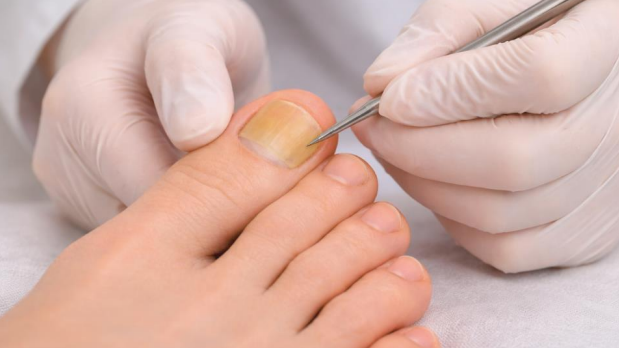
Why is my toenail yellow is a common question for anyone who glances down and notices a nail that used to be pink or white has slowly turned dull, discolored, or even thick. In most cases, the cause is either harmless or easy to manage once identified.
Yellow toenails can result from something as simple as nail polish staining, or from a fungal infection called onychomycosis that affects roughly one in ten adults at some point.
What Causes Yellow Toenails?
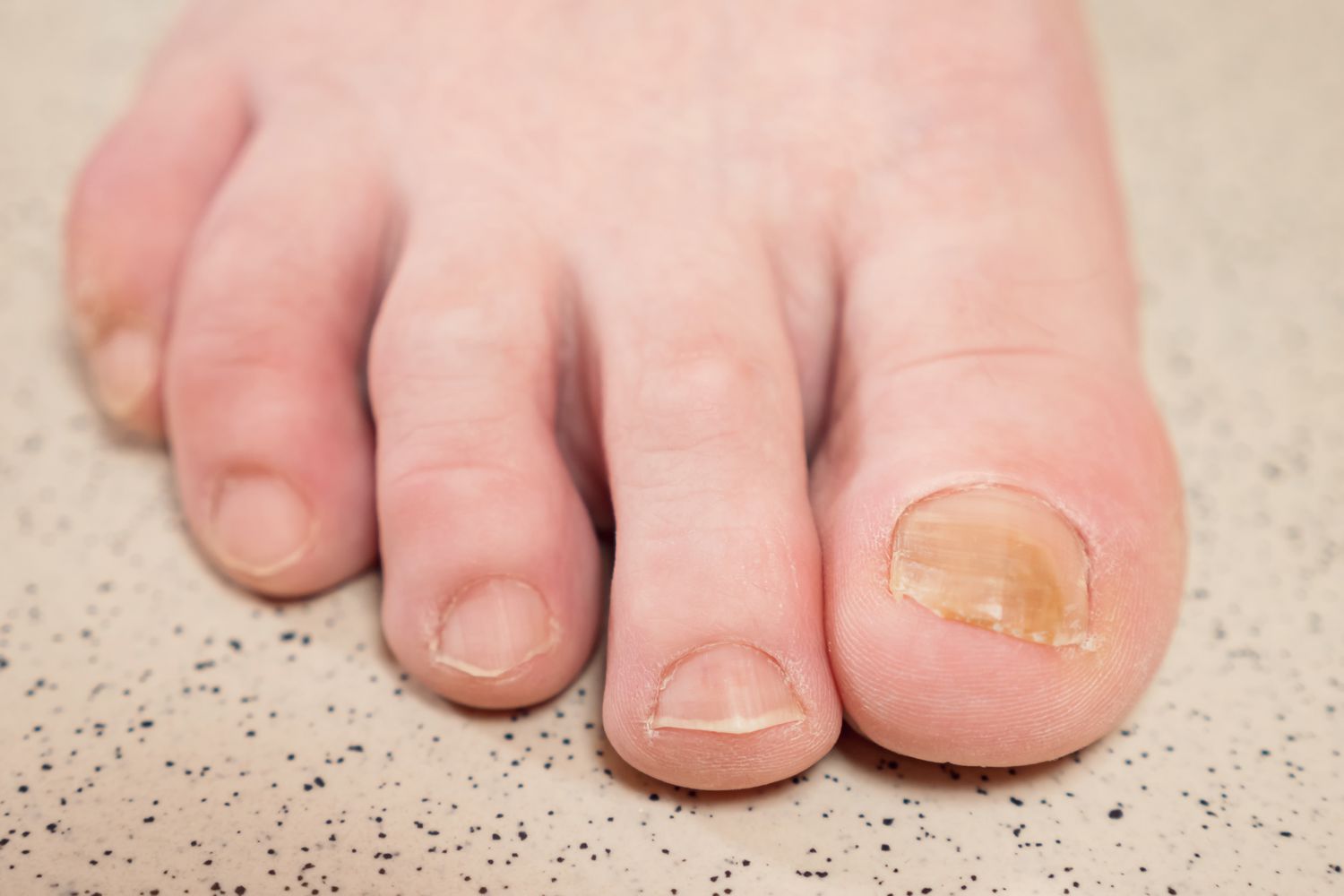
Healthy toenails are usually pink or slightly white, without cracks, ridges, or unusual discoloration. When a nail turns yellow, it typically means something has changed either on the surface or underneath the nail plate.
The most common cause by far is a fungal infection, but yellow toenails can also result from aging, nail polish stains, or an underlying medical condition. Identifying the exact cause determines the right treatment path.
Because several causes can look similar at first glance, paying close attention to how the discoloration started, and what other changes came with it, is often the fastest way to narrow things down.
Is It Fungus? Signs of a Fungal Nail Infection
Fungal infections tend to follow a fairly recognizable pattern, which makes them easier to identify compared to other causes of yellow toenails.
Where the Discoloration Starts
Fungal infections usually begin as a small yellow or white spot near the edge or tip of the nail. Over time, the discoloration gradually spreads inward until it may eventually cover the entire nail.
Changes in Nail Thickness and Texture
As the infection progresses, the nail often becomes thicker, more brittle, and may look chalky or cloudy in certain spots. The nail can also become misshapen or crumble at the edges.
Separation From the Nail Bed
In more advanced cases, the nail may start to lift or separate from the skin underneath it. This creates a visible gap and can make the nail more vulnerable to further infection.
Odor and Debris Buildup
A fungal infection can sometimes cause a mild but noticeable odor as debris builds up beneath the nail. This buildup is part of why the nail darkens and thickens over time.
The table below summarizes the classic signs of a fungal nail infection.
| Sign | What It Looks Like |
|---|---|
| Starting point | Small yellow or white spot near the nail tip |
| Progression | Gradual spread inward across the nail |
| Texture | Thickened, brittle, or chalky |
| Nail bed | May separate or lift from the skin underneath |
| Odor | Mild odor from debris buildup |
What Causes Toenail Fungus in the First Place?
Toenail fungus, also called onychomycosis, develops when fungi get between the toenail and the nail bed underneath it. Most cases are caused by a type of mold called a dermatophyte, which feeds on keratin, the protein that makes nails hard.
Warm, Moist Environments
Fungi thrive in warm, damp conditions, which is exactly the environment created inside socks and shoes. This is one of the main reasons toenails are affected by fungal infections far more often than fingernails.
Public Showers, Pools, and Locker Rooms
Walking barefoot in communal areas like swimming pools, public showers, and gym locker rooms is a common way fungal infections spread. These spaces are ideal breeding grounds for the fungi that cause onychomycosis.
Ill-Fitting Shoes and Excess Sweating
Tight shoes that restrict airflow, combined with excessive foot sweating, create the perfect conditions for fungus to take hold. Repetitive pressure on the toes from poorly fitted footwear can also increase risk.
Nail Injury or Athlete’s Foot
A nail injury or an existing case of athlete’s foot can allow fungus to spread more easily into the nail itself. Athlete’s foot is often the starting point before an infection moves into the toenail.
The table below lists key risk factors for developing toenail fungus.
| Risk Factor | Why It Increases Risk |
|---|---|
| Warm, moist shoes and socks | Creates an ideal breeding ground for fungus |
| Public showers and pools | Common source of fungal exposure |
| Ill-fitting footwear | Restricts airflow and increases sweating |
| Existing athlete’s foot | Fungus can spread from skin to nail |
| Nail injury | Creates an entry point for infection |
| Diabetes or weak immune system | Reduces the body’s ability to fight infection |
| Older age | Slower nail growth and reduced circulation |
Non-Fungal Causes of Yellow Toenails
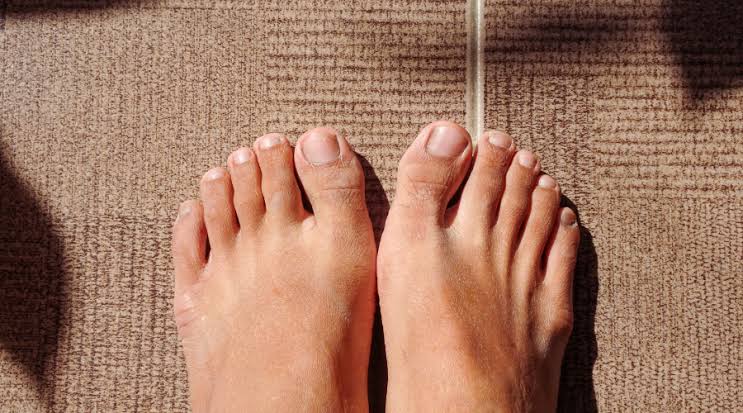
Not every yellow toenail is caused by fungus. Several other everyday and medical factors can also lead to discoloration.
Nail Polish Stains
Frequent use of dark nail polish, especially red, orange, or yellow shades, can leave pigment stains directly on the nail surface. This type of yellowing is usually harmless and fades gradually as the nail grows out.
Natural Aging
As people age, toenails often become thicker, more brittle, and slightly more yellow due to natural changes in nail structure and blood flow. This is considered a normal part of aging and typically does not require treatment.
Diabetes
Yellow toenails can sometimes be an early sign of diabetes, partly because diabetes affects collagen in nail tissue and partly because it weakens the immune system’s ability to fight off minor infections.
Psoriasis
Nail psoriasis, sometimes called ungual psoriasis, can cause yellow discoloration along with pitting, ridges, or thickening of the nail. It often occurs alongside psoriasis affecting the skin elsewhere on the body.
Yellow Nail Syndrome
Yellow Nail Syndrome is a rare condition where nails become yellow, thickened, and slow-growing, sometimes alongside respiratory issues or lymphedema. Its exact cause remains unclear to researchers.
Nutritional Deficiencies
A lack of certain nutrients, such as vitamin A or vitamin C, has also been linked to yellowing nails in some cases. Addressing the underlying deficiency can help nails return to a healthier color over time.
Jaundice and Liver Conditions
In rarer cases, yellow nails can be related to jaundice or other liver-related conditions that cause a buildup of bilirubin in the body. This cause usually comes with other visible symptoms like yellowing of the skin or eyes.
The table below compares these non-fungal causes.
| Cause | Key Clue |
|---|---|
| Nail polish stains | Fades as the nail grows out, smooth texture |
| Natural aging | Gradual thickening over many years |
| Diabetes | May come with slow-healing wounds or numbness |
| Psoriasis | Nail pitting, ridges, skin psoriasis elsewhere |
| Yellow Nail Syndrome | Slow growth, curving, possible breathing issues |
| Nutritional deficiency | May improve with diet or supplement changes |
| Jaundice or liver issues | Yellowing of skin or eyes also present |
Fungal vs Non-Fungal Yellow Toenails: Key Differences
Telling fungal and non-fungal causes apart can be tricky, but a few clues often help narrow things down before seeing a doctor.
Fungal infections typically start at the nail’s edge and spread gradually, often with thickening, brittleness, or a foul smell. Non-fungal causes like polish stains tend to affect the entire visible nail surface evenly and fade quickly once polish is removed.
Discoloration linked to a medical condition like diabetes or psoriasis usually appears alongside other symptoms elsewhere in the body, rather than isolated to just the nail.
| Feature | Fungal Infection | Non-Fungal Cause |
|---|---|---|
| Starting pattern | Begins at nail edge, spreads inward | Often affects entire nail evenly |
| Texture change | Thickened, brittle, crumbly | Usually remains smooth |
| Odor | Often present | Rarely present |
| Other symptoms | Isolated to the nail | May include skin or systemic symptoms |
How Is Toenail Fungus Diagnosed?
If a fungal infection is suspected, a doctor or podiatrist can usually confirm it through a simple in-office evaluation. Diagnosis typically starts with a visual exam of the nail’s color, thickness, and texture.
To confirm the diagnosis, a small nail clipping or scraping may be sent to a lab for testing. This step also helps rule out other conditions that can mimic fungal infections, such as psoriasis.
Blood tests may be recommended if a doctor suspects an underlying condition like diabetes or a liver issue is contributing to the discoloration.
In some cases, a doctor may also examine nearby skin for signs of athlete’s foot, since this common infection frequently accompanies or precedes toenail fungus.
Home Remedies for Mild Yellow Toenails
For mild cases, especially early-stage fungal infections or cosmetic discoloration, certain home care steps can help improve nail appearance.
Keep Feet Clean and Dry
Washing feet daily and drying thoroughly, especially between the toes, reduces the moist environment fungus needs to thrive. This simple habit is one of the most effective preventive steps.
Wear Breathable Socks and Shoes
Choosing moisture-wicking socks and shoes that allow airflow helps keep feet dry throughout the day. Rotating shoes to allow them to fully dry between wears can also help.
Trim and File Nails Regularly
Keeping nails trimmed short and filing down thickened areas can help topical treatments penetrate more effectively. Always use clean, disinfected nail tools to avoid spreading infection.
Try Over-the-Counter Antifungal Treatments
Topical antifungal creams or nail lacquers available over the counter can help treat mild fungal infections. Consistent daily use over several weeks is usually necessary to see improvement.
Give Polish-Stained Nails Time to Grow Out
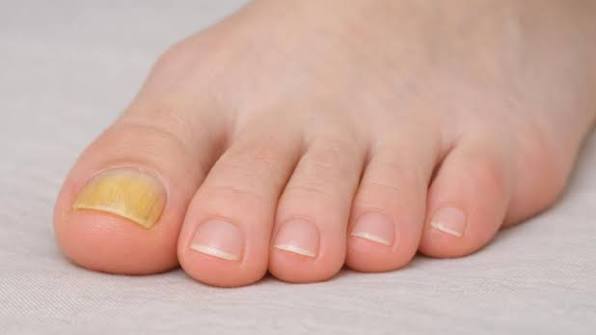
If nail polish is the cause, simply avoiding dark polish for a few months allows the yellow discoloration to grow out naturally. Using a clear base coat in the future can help prevent staining.
The table below summarizes these remedies and what they target.
| Remedy | Best For |
|---|---|
| Keeping feet clean and dry | Preventing and slowing fungal growth |
| Breathable socks and shoes | Reducing moisture buildup |
| Regular trimming and filing | Helping treatments penetrate thickened nails |
| OTC antifungal treatments | Mild, early-stage fungal infections |
| Avoiding dark polish | Polish-stained nails |
Medical Treatments for Toenail Fungus
When home remedies are not enough, especially for moderate to severe infections, medical treatment is often necessary. A podiatrist can recommend the most effective option based on the severity of the infection.
Prescription Oral Antifungal Medication
Oral antifungal medications are often considered the most effective treatment for stubborn toenail fungus, working from the inside to clear the infection over several months. Regular monitoring may be needed due to potential side effects.
Prescription Topical Treatments
Stronger prescription-strength antifungal nail lacquers may be recommended for milder infections or as a follow-up after oral treatment. These are typically applied daily over an extended period.
Laser Therapy
Laser therapy is a newer treatment option that targets the fungus without the systemic side effects associated with oral medication. Multiple sessions are often required for best results.
Nail Debridement
In more advanced cases, a podiatrist may remove infected portions of the nail to reduce fungal load and allow topical treatments to work more effectively. This procedure is typically done in-office and is not usually painful.
How Long Does It Take to Get Rid of Toenail Fungus?
Because toenails grow slowly, clearing a fungal infection often takes many months rather than days or weeks. Full nail regrowth can take anywhere from six to twelve months, even after the fungus itself is eliminated.
Consistency with treatment is essential, since stopping early, even if the nail looks improved, can allow the infection to return. Preventive habits should continue well after visible symptoms clear up.
It also helps to monitor other nails during treatment, since fungal infections can spread to nearby toes if not addressed early enough.
Preventing Yellow Toenails and Fungal Infections
A few consistent habits can significantly lower your risk of developing toenail fungus and related discoloration in the future.
Wearing sandals or shower shoes in public pools, gyms, and locker rooms reduces direct contact with fungus-prone surfaces. Alternating shoes daily gives each pair time to fully dry out between uses.
Disinfecting nail clippers and files, and avoiding sharing them with others, prevents fungus from spreading between nails or between people. Treating athlete’s foot promptly also helps stop infections from spreading into the toenails.
Types of Fungi That Cause Yellow Toenails
Not all toenail fungus is caused by the same organism, and the type involved can vary depending on climate and environment.
Dermatophytes
Dermatophytes are the most common cause of toenail fungus, especially in cool and temperate climates. These fungi feed specifically on keratin, making nails an ideal target for infection.
Non-Dermatophyte Molds
In hot, humid, tropical environments, non-dermatophyte molds are more frequently responsible for fungal nail infections. These molds behave similarly to dermatophytes but may respond differently to certain treatments.
Candida (Yeast)
Candida, a type of yeast, can also cause nail infections, particularly in warm, humid conditions or in people with weakened immune systems. Candida infections are sometimes linked to yeast infections occurring elsewhere in the body.
The table below summarizes these fungal types.
| Fungus Type | Common Climate | Notes |
|---|---|---|
| Dermatophytes | Cool, temperate climates | Most common overall cause |
| Non-dermatophyte molds | Hot, humid, tropical climates | Behaves similarly to dermatophytes |
| Candida (yeast) | Warm, humid conditions | Linked to weakened immunity or yeast infections |
A Quick Prevention Checklist for Healthy Toenails
Building a few simple habits into your routine can meaningfully lower your risk of yellow toenails over time. Consistency matters more than any single step on its own.
Dry your feet thoroughly after showering, swimming, or exercising, paying close attention to the spaces between toes. Change socks daily, and choose moisture-wicking materials if you sweat heavily or exercise often.
Avoid walking barefoot in public showers, locker rooms, or pool areas, and disinfect nail tools regularly, especially if used on an infected nail. Replace old, worn-out shoes periodically, since worn footwear can trap more moisture and bacteria over time.
When to See a Doctor About Yellow Toenails
Mild yellowing that fades with polish removal or improves with basic home care usually does not require a doctor’s visit. However, certain signs suggest it is time for a professional evaluation.
See a podiatrist or doctor if the nail becomes increasingly thick, painful, or starts separating from the nail bed. Persistent yellowing that does not improve after several weeks of home treatment also warrants medical attention.
People with diabetes or a weakened immune system should seek care sooner rather than later, since untreated infections can lead to more serious complications in these groups.
Frequently Asked Questions (FAQs)
1. Why is my toenail yellow all of a sudden?
Sudden yellowing is often caused by nail polish staining or the early stage of a fungal infection. If it does not fade after removing polish, fungus becomes more likely.
2. How can I tell if my yellow toenail is fungus?
Fungal nails usually start at the tip, spread gradually, and become thickened or brittle over time. Polish stains, by contrast, are usually even and fade as the nail grows out.
3. Can yellow toenails go away on their own?
Mild discoloration from polish stains often fades naturally as the nail grows out. Fungal infections, however, typically need treatment and rarely resolve without intervention.
4. Is toenail fungus contagious?
Yes, toenail fungus can spread through direct contact or shared surfaces like showers, pools, and nail tools. Wearing sandals in public wet areas helps reduce this risk.
5. Can diabetes cause yellow toenails?
Yes, diabetes can contribute to yellow toenails due to its effects on collagen and immune function. People with diabetes should monitor nail changes closely.
6. What is the fastest way to treat toenail fungus?
Prescription oral antifungal medication is generally the fastest and most effective option for moderate to severe infections. Mild cases may respond to consistent over-the-counter topical treatment.
7. Does nail polish cause permanent yellow staining?
Usually not, since polish stains typically fade as the nail grows out over a few months. Using a clear base coat can help prevent future staining.
8. Can yellow toenails be a sign of a serious illness?
In rare cases, yes, yellow nails can be linked to liver issues, Yellow Nail Syndrome, or other systemic conditions. This is more likely if other symptoms are present alongside the discoloration.
9. How long does it take for a yellow toenail to heal?
Full nail regrowth after treating a fungal infection can take six to twelve months due to slow nail growth. Consistency with treatment throughout this period is essential.
10. Should I see a podiatrist for a yellow toenail?
You should see a podiatrist if the nail is thickening, painful, separating, or not improving with home care. This is especially important for people with diabetes or a weakened immune system.
Conclusion
A yellow toenail is usually caused by one of a few common factors: a fungal infection, nail polish staining, natural aging, or an underlying health condition like diabetes or psoriasis. In most cases, the cause can be narrowed down by paying attention to how the discoloration started and how it has changed over time.
Fungal infections tend to begin at the nail’s edge, spread gradually, and come with thickening or brittleness, while non-fungal causes are often more uniform and fade with time or basic care.
If you have been asking why is my toenail yellow and home remedies are not helping after several weeks, a podiatrist can confirm the exact cause and recommend the right treatment. Catching the issue early makes it far easier to restore healthy, normal-looking nails and prevent the infection from spreading further.