
Why Do I Cough at Night? Asthma, GERD or Allergies? 2026
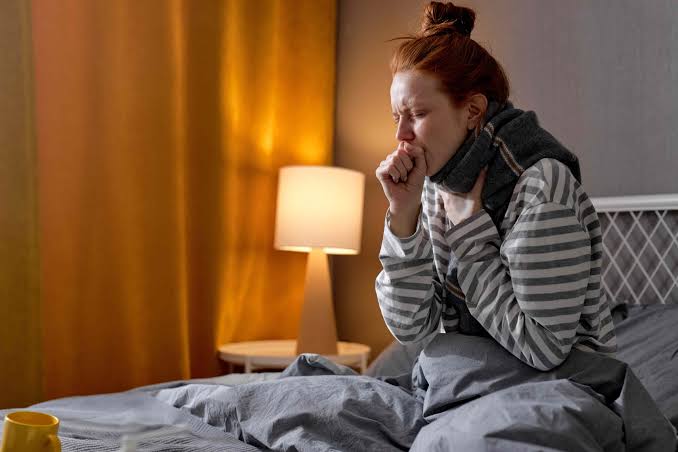
Why do I cough at night is a question many people search after being repeatedly woken up by a scratchy throat or coughing fit right when they’re trying to sleep.
Nighttime coughing can feel confusing, especially if you feel completely fine during the day.
In most cases, the answer comes down to a small handful of common causes: postnasal drip, asthma, GERD, or allergens hiding in your bedroom.
Why Does Coughing Get Worse At Night?

Lying down changes how your body manages mucus, acid, and airway irritation compared to standing or sitting upright.
Gravity no longer helps drain mucus from your sinuses, so it pools at the back of your throat instead.
Stomach acid can also travel upward more easily when lying flat, especially soon after eating.
These positional changes explain why many conditions that are mild during the day become more noticeable at night.
Common Causes At A Glance
| Cause | Typical Pattern | Common Extra Symptoms |
|---|---|---|
| Postnasal drip | Throat clearing, worse lying down | Runny nose, sore throat |
| Asthma | Dry cough, worse at night | Wheezing, chest tightness |
| GERD | Cough after eating or lying flat | Heartburn, sour taste |
| Allergies | Seasonal or bedroom-triggered | Sneezing, itchy eyes |
| Dry indoor air | Worse in winter, with heating on | Dry throat, dry skin |
| Sleep apnea | Cough with gasping or snoring | Daytime fatigue |
| Medication side effect | Persistent, unrelated to season | Dry, tickly cough |
Postnasal Drip As A Common Cause
Postnasal drip occurs when mucus from your sinuses drips down the back of your throat instead of draining forward through your nose.
During the day, this mucus tends to move more easily, but lying down at night allows it to pool and irritate your throat.
This is especially common during cold season, allergy flare-ups, or sinus infections.
If you notice frequent throat clearing or a runny nose alongside your cough, postnasal drip is a likely cause.
How Asthma Causes Nighttime Coughing
Asthma causes inflammation and narrowing of the airways, making them more sensitive to irritation.
This sensitivity often increases at night due to natural changes in airway function, sometimes called nocturnal asthma.
Common nighttime asthma triggers include cooler air, allergens in bedding, and increased mucus production while lying down.
If your cough comes with wheezing, chest tightness, or shortness of breath, asthma should be considered as a cause.
Cough-Variant Asthma
Cough-variant asthma is a form of asthma where a persistent cough is the main or only symptom, without obvious wheezing.
This type of asthma is often overlooked because it doesn’t present with the classic symptoms most people associate with asthma.
It typically causes a dry, chronic cough that worsens at night or with exercise and cold air exposure.
A doctor can diagnose this condition using breathing tests, even when wheezing isn’t present.
GERD And Acid Reflux
GERD occurs when stomach acid travels back up into the esophagus, sometimes reaching the throat and irritating it.
Lying flat makes it easier for acid to move upward, especially if you’ve eaten within a few hours of bedtime.
This irritation can trigger a cough even without the classic burning sensation of heartburn.
Other signs of GERD-related cough include a sour taste in the mouth, difficulty swallowing, or a chronic sore throat.
Allergies And Bedroom Triggers
Allergens such as dust mites, pet dander, and mold often accumulate in bedding, pillows, and mattresses over time.
Spending several hours in close contact with these allergens overnight can trigger ongoing irritation and coughing.
Seasonal allergens like pollen can also settle on clothing and hair, then transfer to your pillow at night.
Washing bedding regularly in hot water and using allergen-proof pillow covers can help reduce this exposure.
Asthma Vs GERD Vs Allergies Comparison
| Feature | Asthma | GERD | Allergies |
|---|---|---|---|
| Wheezing | Common | Rare | Rare |
| Heartburn | Rare | Common | Rare |
| Sneezing or itchy eyes | Rare | Rare | Common |
| Cough after eating | Sometimes | Common | Rare |
| Worse with cold air | Common | Rare | Sometimes |
| Worse with dust or pets | Common | Rare | Common |
Sleep Position And Coughing
Sleeping flat on your back can allow mucus and stomach acid to pool more easily in the throat and airways.
Elevating your head and upper body using extra pillows or a wedge pillow can reduce this pooling effect.
This simple positional change is often recommended alongside other treatments for GERD-related or postnasal-drip-related coughing.
Side sleeping may also help reduce acid reflux symptoms compared to sleeping flat on your back.
Dry Indoor Air And Coughing
Heating systems in colder months can significantly reduce humidity levels inside bedrooms overnight.
This dry air can irritate the throat and airways, leading to a dry, tickly cough during sleep.
Using a humidifier in the bedroom can help add moisture back into the air and ease irritation.
Staying hydrated throughout the day also supports healthier mucus production and throat comfort at night.
Obstructive Sleep Apnea And Coughing
Obstructive sleep apnea occurs when throat muscles relax excessively during sleep, partially blocking the airway.
This condition has been linked to nighttime coughing, along with snoring, gasping, and daytime fatigue.
People with sleep apnea often experience disrupted sleep cycles without realizing the underlying cause.
A sleep study can help diagnose sleep apnea if this is suspected as a contributing factor.
Medication Side Effects
Certain medications, particularly ACE inhibitors used for blood pressure, are known to cause a persistent dry cough.
This side effect can occur at any time of day but may feel more noticeable at night when other distractions are reduced.
If a new cough started after beginning a new medication, mention this timing to your doctor.
Switching to an alternative medication often resolves this type of medication-related cough.
Viral Infections And Colds
A cough following a cold, flu, or respiratory virus can linger for several weeks after other symptoms resolve.
This lingering cough is often worse at night due to mucus drainage and throat irritation from the recent infection.
Most post-viral coughs improve gradually over two to eight weeks without specific treatment.
If a cough lasts significantly longer than this, it’s worth checking in with a healthcare provider.
Anxiety And Nighttime Coughing
Anxiety can sometimes contribute to throat-clearing habits or shallow, rapid breathing that dries out the airways.
This type of cough is less common but can occur alongside racing thoughts or difficulty settling down at bedtime.
Relaxation techniques and addressing underlying anxiety can sometimes reduce this type of nighttime cough.
If anxiety-related coughing is frequent, discussing it with a healthcare provider can help identify the best approach.
Bronchitis And Chronic Lung Conditions
Chronic bronchitis and other lung conditions can cause a persistent cough that often worsens when lying down.
Increased mucus production associated with these conditions tends to pool in the airways overnight.
People with COPD or chronic bronchitis may notice their nighttime cough is heavier or more frequent during flare-ups.
Ongoing management of these underlying lung conditions is usually necessary to reduce nighttime coughing episodes.
When Nighttime Cough Needs Medical Attention
A cough lasting longer than eight weeks is generally considered chronic and warrants a doctor’s evaluation.
Coughing up blood, unexplained weight loss, or high fever alongside a cough are signs that need prompt medical attention.
Severe shortness of breath or chest pain accompanying a cough should be treated as a medical emergency.
If you’re unsure why your cough persists, a doctor can help identify the underlying cause through simple tests.
How Doctors Diagnose Nighttime Cough Causes
Doctors often start with a detailed history, asking about timing, triggers, and any accompanying symptoms.
A trial-and-error approach is common, where a doctor may recommend treatment for GERD or allergies first, then reassess.
This approach is often preferred over expensive diagnostic tests, especially when symptoms strongly suggest a specific cause.
If initial treatments don’t help, further testing such as breathing tests or imaging may be recommended.
Over-The-Counter Options For Nighttime Cough
Antacids or acid-reducing medications like famotidine can help with GERD-related coughing by reducing stomach acid.
Antihistamines can help reduce postnasal drip caused by allergies, easing throat irritation at night.
Saline nasal sprays can help thin mucus and reduce postnasal drip without medication side effects.
Always check with a pharmacist or doctor before combining multiple over-the-counter treatments.
Home Remedies For Nighttime Cough
Elevating your head while sleeping can reduce both postnasal drip and acid reflux symptoms overnight.
A warm drink with honey, lemon, and ginger may help soothe throat irritation before bed.
Gargling with warm salt water can help clear mucus and reduce throat irritation from allergies or infections.
Keeping your bedroom clean, well-ventilated, and free of pet access can reduce allergen exposure overnight.
Preventing Nighttime Cough Long Term
Identifying and treating the underlying cause, whether asthma, GERD, or allergies, is the most effective long-term solution.
Avoiding large meals close to bedtime can reduce GERD-related coughing episodes significantly.
Washing bedding regularly and using allergen-proof covers helps reduce exposure to dust mites overnight.
Using a humidifier during dry winter months can help prevent throat irritation from dry indoor air.
Nighttime Cough In Children
Children often experience nighttime coughing due to colds, allergies, asthma, or croup, similar to adults.
Cooler nighttime air and lying flat can worsen these conditions in children just as it does in adults.
Croup, in particular, causes a distinctive barking cough that tends to worsen at night in young children.
If a child’s nighttime cough is severe, persistent, or accompanied by breathing difficulty, prompt medical evaluation is recommended.
Bedroom Environment Checklist
Keeping your bedroom clean and allergen-free can significantly reduce nighttime coughing triggered by allergies or asthma.
Washing sheets and pillowcases weekly in hot water helps remove dust mites and other allergens.
Keeping pets out of the bedroom can reduce dander exposure for people with allergies or asthma.
Using an air purifier and maintaining moderate humidity levels can further improve bedroom air quality.
Understanding The Cough Reflex
Coughing is your body’s natural way of clearing irritants, mucus, or foreign particles from the airways.
This reflex is triggered by sensors in the throat and lungs that detect irritation or blockage.
At night, several factors combine to increase this irritation, making the cough reflex more active than during the day.
Understanding this reflex helps explain why so many different conditions can lead to the same nighttime symptom.
The Connection Between Asthma And GERD
Research suggests a notable overlap between asthma and GERD, with many asthma patients also experiencing acid reflux.
One theory suggests that acid reflux can trigger bronchial spasms, making breathing more difficult and worsening asthma symptoms.
This overlap means that treating GERD can sometimes improve asthma symptoms, and vice versa, in some patients.
Doctors often consider both conditions together when a patient reports nighttime coughing with wheezing and heartburn.
Seasonal Patterns In Nighttime Coughing
Nighttime coughing often follows seasonal patterns, with allergy-related coughs peaking during high pollen seasons.
Winter months tend to bring an increase in dry-air-related coughing due to indoor heating systems.
Cold and flu season also contributes to a rise in post-viral nighttime coughing during colder months.
Recognizing these seasonal patterns can help you anticipate and prepare for likely triggers throughout the year.
The Role Of Diet In Nighttime Coughing
Certain foods and drinks are known to worsen GERD symptoms, including spicy foods, citrus, chocolate, and caffeine.
Eating large meals close to bedtime increases the likelihood of acid reflux during sleep.
Alcohol consumption in the evening can also relax the esophageal sphincter, making reflux more likely.
Adjusting evening eating habits is often one of the simplest ways to reduce GERD-related nighttime coughing.
Smoking And Nighttime Cough
Smoking irritates the airways and increases mucus production, both of which can worsen nighttime coughing.
Secondhand smoke exposure before bedtime can also trigger coughing, especially in people with asthma or allergies.
Quitting smoking often leads to a noticeable reduction in chronic cough symptoms over time.
Avoiding smoke exposure in the bedroom specifically can help reduce nighttime irritation for sensitive individuals.
Pregnancy And Nighttime Coughing
Pregnancy can increase the likelihood of GERD due to hormonal changes and increased pressure on the stomach.
Many pregnant individuals notice increased nighttime coughing, particularly in the later trimesters.
Sleeping on the left side and avoiding large meals before bed can help reduce these symptoms during pregnancy.
Any new or severe cough during pregnancy should be discussed with a healthcare provider to rule out other causes.
Tracking Your Cough Symptoms
Keeping a simple log of when your cough occurs, what you ate, and your sleep position can reveal helpful patterns.
Noting whether your cough comes with heartburn, wheezing, or sneezing can help narrow down the likely cause.
This information can be valuable when discussing your symptoms with a doctor for the first time.
Tracking symptoms over one to two weeks often provides enough detail to identify a likely trigger.
Long-Term Outlook For Nighttime Cough
Most causes of nighttime coughing, including postnasal drip, mild asthma, and GERD, respond well to identifying and treating the root cause.
With consistent treatment, many people see significant improvement within a few weeks of starting the right approach.
Chronic conditions like asthma or GERD may require ongoing management rather than a one-time fix.
Working closely with a healthcare provider helps ensure the right long-term plan is in place for lasting relief.
Quick Recap On Nighttime Cough Causes
Most nighttime coughing traces back to postnasal drip, asthma, GERD, or allergens hiding in the bedroom.
Lying flat allows mucus and acid to pool more easily, which explains why symptoms often worsen after bedtime.
Simple changes like elevating your head, using a humidifier, and avoiding late meals can meaningfully reduce symptoms.
Persistent coughing lasting more than eight weeks, or coughing with concerning symptoms, always warrants a doctor’s evaluation.
A Final Note On Sleep And Cough Management
Good sleep hygiene and a clean bedroom environment go a long way in reducing nighttime coughing episodes overall.
Small, consistent habits, like elevating your head or avoiding late meals, often make a bigger difference than expected.
Every person’s triggers can differ slightly, which is why paying close attention to your own patterns matters.
With patience and the right combination of adjustments, most people can significantly reduce disruptive nighttime coughing over time.
Building A Personalized Nighttime Cough Plan
The most effective approach usually combines identifying your specific trigger with practical, everyday adjustments.
Start with the simplest changes first, such as elevating your head or adjusting your evening meal timing.
If symptoms persist despite these changes, a structured conversation with your doctor can help narrow down next steps.
Over time, this process of elimination often leads to a clear, manageable solution for most people.
Frequently Asked Questions (FAQs)
1. Why do I cough at night but not during the day?
Lying down allows mucus and stomach acid to pool in your throat more easily. This makes conditions like GERD or postnasal drip worse at night.
2. How can I tell if my cough is from asthma or GERD?
Asthma often comes with wheezing and chest tightness, while GERD usually comes with heartburn or a sour taste. Tracking your symptoms can help clarify the cause.
3. Can allergies cause a cough only at night?
Yes, allergens in bedding like dust mites can trigger coughing overnight. Washing bedding regularly can help reduce this exposure.
4. Is a nighttime cough a sign of asthma even without wheezing?
Yes, cough-variant asthma can cause a persistent cough without obvious wheezing. A doctor can confirm this with breathing tests.
5. Does sleeping position affect nighttime coughing?
Yes, sleeping flat can worsen both GERD and postnasal drip. Elevating your head can help reduce these symptoms.
6. Can dry air cause nighttime coughing?
Yes, dry indoor air, especially from heating, can irritate the throat and airways. A humidifier can help ease this type of cough.
7. When should I see a doctor for a nighttime cough?
See a doctor if your cough lasts longer than eight weeks or comes with blood, fever, or weight loss. These can indicate a more serious condition.
8. Can medication cause a nighttime cough?
Yes, ACE inhibitors used for blood pressure are known to cause a persistent dry cough. Talk to your doctor if this started after a new prescription.
9. Are home remedies effective for nighttime cough?
Yes, honey, elevating your head, and staying hydrated can help ease mild symptoms. However, they don’t address underlying causes like GERD or asthma.
10. Can anxiety cause coughing at night?
Yes, anxiety can lead to throat-clearing habits and shallow breathing that dries out the airway. Relaxation techniques may help reduce this type of cough.
Conclusion
A cough that flares up specifically at night is rarely random, and in most cases, it points to one of a few common underlying causes: postnasal drip, asthma, GERD, or allergens hiding in your bedroom.
Understanding the pattern of your symptoms, whether it’s wheezing, heartburn, or sneezing, can help you and your doctor narrow down the likely cause more quickly.
Simple changes like elevating your head while sleeping, using a humidifier, and keeping your bedroom free of allergens can meaningfully reduce nighttime coughing for many people.
However, a cough lasting more than eight weeks, or one accompanied by blood, fever, or breathing difficulty, should always be evaluated by a healthcare provider.
With the right combination of identifying triggers and addressing the underlying cause, most people can find real relief and finally get a full, uninterrupted night’s sleep in 2026.


