Why Is My Tongue Orange? Should You Worry? 2026
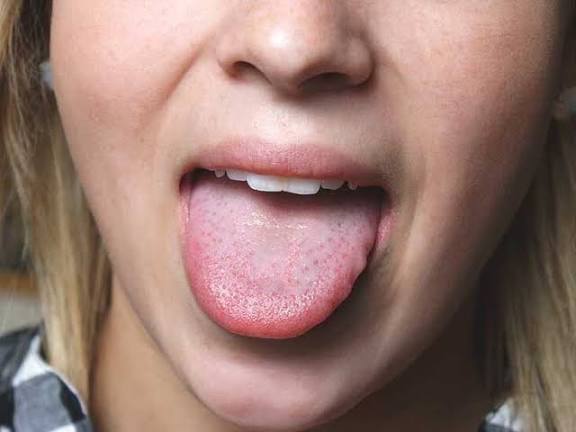
Why is my tongue orange? In most cases, an orange tongue is caused by something harmless like food coloring, beta carotene, coffee stains, or mild dehydration.
A healthy tongue is naturally pink, so any color change can feel alarming at first glance.
The good news is that an orange tint is rarely a sign of a serious problem and often fades on its own within a few days. Still, in some cases it can point to an underlying issue like oral thrush, acid reflux, or a medication side effect.
Quick Answer at a Glance
Here is a fast summary before we dive into the full details below.
| Question | Short Answer |
|---|---|
| Most common cause | Food, drink, or coffee/tea staining |
| Second most common cause | Poor oral hygiene or bacterial buildup |
| Is it usually serious | No, usually harmless and temporary |
| How long it lasts | A few hours to a few days |
| When to see a doctor | If it persists more than 2 weeks |
What Does a Healthy Tongue Look Like?
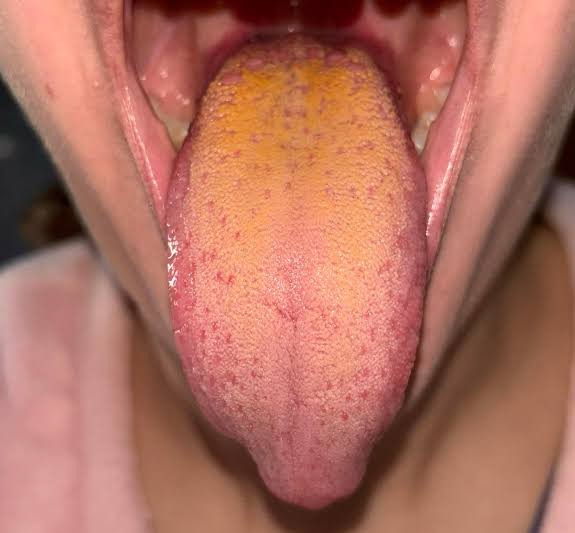
A normal, healthy tongue is light to dark pink in color and covered in small bumps called papillae. These bumps help with taste, chewing, and speech.
A healthy tongue should also feel moist, not dry or cracked, and should not have a thick white, yellow, or colored coating on its surface.
Any noticeable shift away from this baseline pink color, especially one that lasts more than a day or two, is worth paying attention to.
What Causes an Orange Tongue?
An orange tongue happens when something coats, stains, or changes the surface layer of your tongue. Below are the most common causes, ranked from most to least common.
Foods and Drinks High in Artificial Coloring
Orange popsicles, gelatin, hard candy, and sports drinks often contain strong dyes that temporarily stain the surface of your tongue.
This type of staining is completely harmless and usually disappears within a few hours after eating or drinking, especially once you brush your teeth.
Beta Carotene and Carotenemia
Beta carotene is the pigment responsible for the orange color in carrots, sweet potatoes, mangoes, and pumpkins.
Eating large amounts of these foods regularly can cause a harmless condition called carotenemia, which tints the tongue and even the skin orange over time.
Poor Oral Hygiene and Bacterial Buildup
When food particles, dead cells, and bacteria are not brushed away regularly, they build up on the tongue’s surface and trap color from what you eat and drink.
This buildup is the single most common medical cause of an orange-tinted tongue coating, according to dental sources.
Coffee, Tea, and Tobacco Stains
Dark beverages like coffee and tea contain tannins that can stain a coated tongue an orange or brownish hue over time.
Tobacco use, whether smoked or chewed, has a similar staining effect and often makes the discoloration more stubborn to remove.
Dry Mouth (Xerostomia)
Saliva naturally washes away bacteria and food debris throughout the day. When your mouth is too dry, this cleansing process slows down significantly.
Xerostomia is a common side effect of many medications and can allow bacteria to build up, leading to a yellow-orange coated tongue.
Oral Thrush (Candida Overgrowth)
Oral thrush is a yeast infection caused by an overgrowth of Candida albicans fungus in the mouth.
While thrush typically appears white, bleeding sores or interaction with staining foods can sometimes give the tongue a yellow or orange tinge instead.
Certain Medications
Some medications contain compounds that temporarily discolor the tongue as a known side effect.
Rifampin, an antibiotic used to treat tuberculosis, is one well-documented example that can turn the tongue and even bodily fluids orange.
Acid Reflux (GERD)
Chronic acid reflux can occasionally cause changes in the tongue’s coating, including a white or orange appearance in some individuals.
This happens because stomach acid affects the oral environment and can encourage bacterial buildup on the tongue’s surface over time.
Harmless vs Medical Causes Comparison Table
This table helps you quickly separate causes that need no treatment from those that may need medical attention.
| Cause | Usually Harmless | May Need Treatment |
|---|---|---|
| Food or candy dye | Yes | No |
| Beta carotene (carotenemia) | Yes | No |
| Poor oral hygiene | Mostly | Sometimes |
| Coffee, tea, tobacco stains | Yes | No |
| Dry mouth (xerostomia) | Sometimes | Often |
| Oral thrush | No | Yes |
| Medication side effect | Yes | No (unless severe) |
| Acid reflux (GERD) | No | Yes |
Orange Tongue vs Other Tongue Colors
Comparing tongue colors side by side can help you understand what your body might be signaling. Use this table as a quick reference guide.
| Tongue Color | Common Meaning |
|---|---|
| Pink (normal) | Healthy tongue |
| White | Oral thrush, dehydration, leukoplakia |
| Yellow | Bacterial buildup, jaundice, dehydration |
| Orange | Food staining, hygiene, carotenemia, thrush |
| Red or bright red | Vitamin B12/folate deficiency, scarlet fever |
| Black or hairy | Poor hygiene, smoking, medication buildup |
| Blue or purple | Poor circulation, oxygen deprivation |
Should You Worry? When Orange Tongue Is Harmless

Most cases of an orange tongue are nothing to worry about and resolve on their own within a short time.
If the color appeared right after eating something orange or brightly colored, it is almost certainly a temporary food stain.
If brushing your teeth and tongue makes the color fade or disappear, poor oral hygiene was likely the simple cause.
When to See a Doctor or Dentist
While most cases are harmless, certain signs suggest it is time to schedule an appointment. Do not ignore these warning signs.
If the orange color lasts longer than two weeks despite good oral hygiene, it is worth getting checked by a professional.
If you notice pain, burning, white patches, or a metallic taste alongside the discoloration, these may point to oral thrush or another infection.
If you are also experiencing heartburn, regurgitation, or a sour taste, chronic acid reflux could be contributing and deserves medical evaluation.
If you recently started a new medication and the tongue color changed shortly after, mention this to your prescribing doctor at your next visit.
How to Get Rid of an Orange Tongue Fast
Most home remedies focus on removing surface buildup and staining quickly and safely. Try these steps in order.
Brush your teeth and tongue thoroughly for a full two minutes, making sure to reach the back of the tongue where buildup collects.
Use a tongue scraper daily to physically remove the coating layer that traps color, bacteria, and food debris.
Rinse with a non-alcoholic mouthwash to help loosen remaining residue without further drying out your mouth.
Drink plenty of water throughout the day to keep saliva production steady and flush away lingering bacteria naturally.
Temporarily cut back on orange-colored foods, coffee, tea, and tobacco to let the natural pink color return faster.
How to Prevent Orange Tongue From Coming Back
Consistent daily habits are the best way to keep your tongue looking healthy and pink long-term. These tips work for most people.
Brush your tongue every time you brush your teeth, ideally both morning and night, using gentle back-to-front strokes.
Stay hydrated throughout the day, since dry mouth is one of the fastest ways for bacteria and staining to build up.
Limit heavily dyed foods and drinks, especially artificial candies, sports drinks, and popsicles, if you notice frequent discoloration.
Schedule regular dental checkups every six months so a professional can catch early signs of buildup or infection before they worsen.
Orange Tongue in Children vs Adults
The most likely cause of an orange tongue can differ depending on age. This table breaks down the differences.
| Age Group | Most Likely Cause | Notes |
|---|---|---|
| Infants and toddlers | Carotenemia from mashed carrots or sweet potatoes | Harmless, resolves with diet change |
| Children | Food dye from candy, popsicles, drinks | Very common and temporary |
| Teens and adults | Poor oral hygiene, coffee/tea stains | Improves with brushing and tongue scraping |
| Older adults | Dry mouth from medications | May need a doctor’s input on medication side effects |
Common Mistakes That Delay Recovery
Some habits unintentionally keep the orange color around longer than necessary. Avoiding these can speed up the return to a normal pink tongue.
Skipping tongue brushing while only focusing on teeth leaves the bacteria-trapping surface layer completely untouched.
Continuing to drink coffee, tea, or sports drinks throughout the day makes it harder for staining to fade naturally.
Ignoring dry mouth symptoms allows bacteria to keep accumulating instead of being washed away by normal saliva flow.
Waiting too long to see a dentist when the color persists can delay diagnosis of an underlying issue like thrush or reflux.
The Science Behind Tongue Color Changes
Your tongue’s surface is covered in thousands of tiny papillae, which naturally trap pigments, bacteria, and dead skin cells throughout the day.
This is why the tongue changes color more easily and more visibly than almost any other part of your body.
Unlike skin, the tongue’s surface renews itself constantly, which means color changes can appear and disappear relatively quickly compared to other symptoms.
This rapid turnover is actually good news, since it means most causes of an orange tongue resolve on their own once the trigger is removed.
How Diet Specifically Affects Tongue Color
What you eat plays one of the biggest roles in short-term tongue color changes. Certain food groups are more likely culprits than others.
Brightly colored candies, popsicles, and drink mixes often use FD&C dyes that are specifically designed to be vivid and long-lasting on surfaces like the tongue.
Beta carotene-rich foods build up gradually with repeated consumption, so the orange tint from carotenemia tends to appear slowly over weeks rather than instantly.
Acidic and sugary foods can also feed the bacteria that create a coated tongue, indirectly making staining from other foods more visible and stubborn.
Oral Thrush: A Closer Look
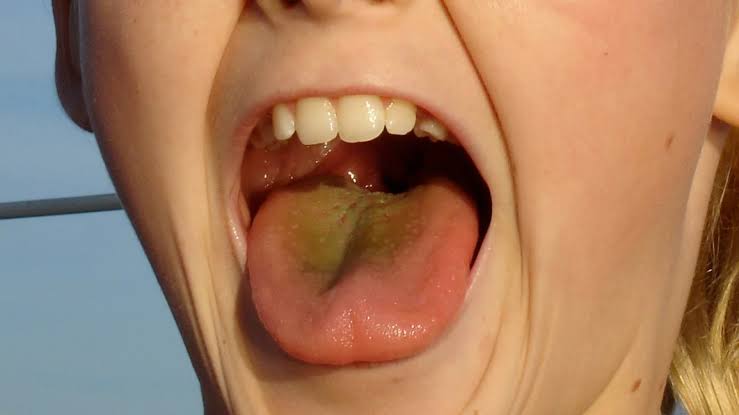
Since oral thrush is one of the more concerning causes of tongue discoloration, it deserves extra attention. Recognizing its specific symptoms helps you act quickly.
Thrush typically starts as white, cottage-cheese-like patches on the tongue and inner cheeks before any orange or yellow tint develops.
If these patches are scraped or bitten and begin to bleed, the mixing of blood and coating can create a yellow-orange appearance.
People with weakened immune systems, those on antibiotics or steroid inhalers, and infants are at higher risk of developing oral thrush.
Treatment usually involves a prescription antifungal medication, and the tongue color typically returns to normal within one to two weeks of starting treatment.
Medications Known to Affect Tongue Color
Beyond rifampin, several other medications and substances have been associated with tongue discoloration in some patients. This table lists common examples.
| Medication or Substance | Possible Tongue Color Effect |
|---|---|
| Rifampin (antibiotic) | Orange-red tint to tongue and saliva |
| Iron supplements | Dark or black tongue coating |
| Chewing tobacco | Orange-brown staining |
| Chlorhexidine mouthwash | Yellow-brown surface staining |
| Certain chemotherapy drugs | Various coating and color changes |
If you notice tongue discoloration shortly after starting a new prescription, check the medication guide or ask your pharmacist if this is a known side effect before assuming a more serious cause.
Home Remedies vs Professional Treatment
Understanding which approach fits your situation saves time and prevents unnecessary worry. This table compares when each option makes sense.
| Situation | Best Approach |
|---|---|
| Recently ate colored food or candy | Wait it out, brush teeth |
| Mild coating from hygiene | Tongue scraper and better brushing |
| Coating persists over 1-2 weeks | See a dentist for evaluation |
| Pain, white patches, burning | See a doctor promptly |
| Started new medication recently | Ask pharmacist or prescribing doctor |
| Also have heartburn or reflux symptoms | See a doctor for GERD evaluation |
Home remedies work well for the vast majority of cases since most causes are simply cosmetic staining or mild hygiene buildup that responds quickly to basic care.
Professional treatment becomes necessary when the discoloration is paired with pain, persistent duration, or other symptoms that suggest an infection or underlying condition.
The Role of Saliva in Tongue Health
Saliva plays a much bigger role in tongue color than most people realize. It works constantly to rinse away debris, neutralize acids, and control bacteria levels.
When saliva production drops, whether from dehydration, medication, mouth breathing, or aging, the tongue loses its natural self-cleaning ability.
This is why conditions like dry mouth are so closely linked to not just orange tongue, but yellow, white, and black tongue discoloration as well.
Simple habits like sipping water regularly, chewing sugar-free gum, and avoiding excessive caffeine can help support healthy saliva flow throughout the day.
Tips for Parents: Orange Tongue in Toddlers
Parents often panic the first time they notice a toddler’s tongue turning orange, but this is usually one of the most harmless causes of all.
Toddlers who eat a lot of pureed carrots, sweet potatoes, or squash are prone to carotenemia, which can also tint the skin around the nose and palms.
Unlike jaundice, carotenemia does not affect the whites of the eyes, which is the easiest way for parents to tell the two conditions apart at home.
If the orange tint appears anywhere near the eyes or is accompanied by fatigue or poor appetite, contact a pediatrician to rule out other causes.
Lifestyle Habits That Support a Healthy Tongue Color
Beyond brushing and hydration, a few broader lifestyle habits contribute to keeping your tongue its natural pink color long-term.
Eating a balanced diet with a variety of colors, rather than relying heavily on orange or artificially dyed foods, reduces the chance of staining buildup.
Limiting alcohol and tobacco use protects both your tongue and overall oral tissue, since both substances dry out the mouth and encourage bacterial growth.
Managing stress and getting adequate sleep also support healthy saliva production, since chronic stress has been linked to reduced saliva flow in several studies.
Finally, treating any underlying digestive issues like acid reflux with the guidance of a doctor can prevent recurring oral symptoms, including tongue discoloration.
Tongue Coating vs Actual Tissue Discoloration
It helps to understand the difference between a coating sitting on top of the tongue and the tongue tissue itself changing color underneath.
A coating, which is the cause behind most orange tongue cases, sits on the surface and can usually be scraped or brushed away to reveal normal pink tissue underneath.
True tissue discoloration, where the tongue itself appears orange even after scraping, is less common and more likely linked to a medication, carotenemia, or a medical condition.
If gently scraping your tongue removes the color entirely, you are almost certainly dealing with a simple surface coating rather than a deeper issue.
If the orange color remains even after thorough scraping and brushing, it is a stronger signal to schedule a dental or medical evaluation.
Frequently Asked Questions (FAQs)
Why is my tongue orange after eating candy or popsicles?
Bright food dyes can temporarily stain the surface of your tongue. This usually fades within a few hours or after brushing your teeth.
Can poor oral hygiene really turn my tongue orange?
Yes, bacteria and food debris trapped on the tongue’s surface can combine with pigments from food to create an orange coating.
Is an orange tongue a sign of a serious illness?
Rarely. Most cases are caused by food, hygiene, or mild dehydration, though persistent cases should be checked by a doctor.
How long does it take for an orange tongue to go back to normal?
Simple food staining usually clears within a few hours. Hygiene-related coating may take a few days of consistent brushing to fully resolve.
Can dehydration cause my tongue to turn orange?
Yes, dry mouth reduces saliva flow, allowing bacteria and debris to build up on the tongue and create a yellow-orange tint.
Does eating too many carrots really turn your tongue orange?
Yes, this is called carotenemia, caused by excess beta carotene. It is harmless and resolves once you reduce intake of orange vegetables.
Can medications cause an orange tongue?
Yes, some antibiotics like rifampin are known to temporarily discolor the tongue and other bodily fluids as a documented side effect.
Is orange tongue linked to acid reflux or GERD?
In some cases, yes. Chronic acid reflux can change the oral environment and encourage a coated, discolored tongue over time.
Should I use a tongue scraper to fix an orange tongue?
Yes, a tongue scraper effectively removes the buildup layer that traps stains and bacteria, often speeding up recovery significantly.
When should I see a dentist about an orange tongue?
See a dentist if the color lasts more than two weeks, causes pain, or comes with other symptoms like a metallic taste or burning.
Conclusion
An orange tongue is a surprisingly common concern, but in the vast majority of cases it is nothing to worry about. Food dyes, beta carotene from orange vegetables, coffee and tea stains, and simple poor oral hygiene explain most instances, and all of these resolve quickly with better brushing, tongue scraping, and hydration.
Less commonly, an orange tongue can signal oral thrush, chronic dry mouth, a medication side effect, or acid reflux, which is why persistent discoloration deserves a closer look from a dentist or doctor.
Pay attention to how long the color lasts, whether it appeared after eating something specific, and whether any other symptoms like pain or a metallic taste show up alongside it.
With consistent oral hygiene habits and a little patience, your tongue should return to its healthy pink color within days. If it does not, do not hesitate to get it checked out professionally in 2026.