Why Does My Washer Smell Like Rotten Eggs? Solutions 2026

Why does my washer smell like rotten eggs? In almost every case, that sulfur-like odor is caused by hydrogen sulfide gas released by bacteria growing inside your machine.
This gas builds up when moisture, detergent residue, and organic gunk sit trapped in the drum, gasket, or drain system for too long. The good news is that this problem is rarely a sign of a broken washer — it is almost always a cleaning issue.
Quick Answer at a Glance
Before we go deep into the details, here is a fast summary table you can scan in seconds.
| Question | Short Answer |
|---|---|
| Main cause | Hydrogen sulfide gas from bacteria buildup |
| Most common spot | Door gasket (front-load) or drain filter |
| Fastest fix | Hot vinegar + baking soda cleaning cycle |
| Prevention | Leave door open, use less detergent |
| Danger level | Usually not dangerous, but rule out gas leaks |
What Causes That Rotten Egg Smell in a Washer?

A rotten egg smell in your washer is your nose detecting hydrogen sulfide gas. This gas forms when bacteria feed on trapped organic matter inside your machine.
There are several possible sources. Some are simple cleaning issues, while others point to a plumbing or water supply problem.
Hydrogen Sulfide Gas Explained
Hydrogen sulfide is a natural byproduct of bacteria breaking down organic material in low-oxygen, damp conditions. It is the same gas responsible for sewer smells.
Your washer creates the perfect environment for this: warmth, moisture, and leftover organic residue from clothes and detergent.
Bacteria and Biofilm Buildup
Modern high-efficiency (HE) washers use less water, which means less rinsing power to flush away suds and residue.
Over time, this leftover soap forms a slimy layer called biofilm on the drum and hoses. Bacteria thrive in this film and release sulfur-smelling gas.
Mold and Mildew in the Door Gasket
Front-load washers have a rubber door seal, or gasket, that folds over itself. This fold traps water, hair, lint, and small items like socks.
Left damp for days, this creates an ideal breeding ground for mold and mildew, which often smells musty or eggy.
Clogged Drain Filter or Pump
Most washers have a small drain filter near the bottom front panel. It catches lint, coins, and debris during every cycle.
When this filter clogs, water stagnates behind it. Standing water always develops odor over time, including sulfur smells.
Detergent and Fabric Softener Residue
Using more detergent than needed does not mean cleaner clothes. Excess soap and fabric softener coat the drum and hoses like a sticky wax.
This residue traps moisture and feeds the exact bacteria responsible for the rotten egg smell.
Sewer Gas Backing Up
If your washer’s drain line connects to a shared sewer line, a clog or venting problem elsewhere in your plumbing can push sewer gas back through the washer drain hose.
This type of smell is often sudden, strong, and not limited to right after a wash cycle.
Sulfur in Your Water Supply
If you use well water, sulfur bacteria or naturally occurring hydrogen sulfide in the water itself could be the true source.
You will notice this smell in your tap water too, not just the washer, which helps you tell the two apart.
Natural Gas Leak Near Dryer
If your dryer runs on gas and sits near your washer, a small leak in the gas supply line can sometimes be mistaken for a washer smell.
This is rare but worth ruling out immediately for safety reasons, especially if the smell is strong and constant.
Front-Load vs Top-Load Washers: Smell Differences
Front-load and top-load washers develop odors differently because of their design. This table breaks down the key differences.
| Factor | Front-Load Washer | Top-Load Washer |
|---|---|---|
| Door seal risk | High (rubber gasket traps moisture) | None (no gasket) |
| Water usage | Lower (HE, more residue risk) | Higher (more rinsing) |
| Common smell source | Gasket mold, drain filter | Agitator base, tub buildup |
| Airflow after use | Poor unless door left open | Better airflow naturally |
| Cleaning frequency needed | Monthly | Every 4-6 weeks |
How to Tell Where the Smell Is Coming From
Finding the exact source saves you time and prevents guesswork. Follow your nose systematically through these checks.
First, smell your tap water directly. If it smells the same as the washer, the water supply is likely the cause.
Second, open the washer door and sniff near the gasket fold and drum. A strong, localized smell points to internal buildup.
Third, check if the smell only happens during the drain cycle. This often signals a clogged filter, drain hose, or sewer venting issue.
Step-by-Step: How to Fix a Washer That Smells Like Rotten Eggs
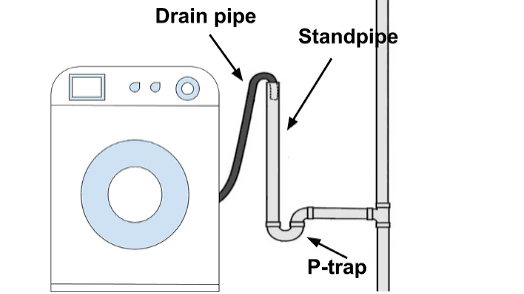
Once you know the likely source, these fixes address each common cause. Work through them in order for best results.
Clean the Door Gasket or Seal
Pull back the folds of the rubber gasket and inspect for black slime, hair, or trapped items.
Wipe thoroughly with a cloth soaked in a mix of one part bleach to ten parts water, then leave the door open to air dry.
Clean the Drain Filter
Locate the small access panel near the bottom front of your washer. Place towels down first, since water will spill out.
Open the filter, remove lint and debris, rinse it clean, then reinstall it firmly before running a test cycle.
Run a Hot Cleaning Cycle with Vinegar and Baking Soda
Set your washer to the hottest, largest-capacity cycle with no clothes inside. Add two cups of white vinegar directly to the drum.
Let it run, then repeat with half a cup of baking soda in a second empty cycle to neutralize any remaining odor.
Clean the Detergent Drawer
Remove the detergent and fabric softener drawer completely. Most drawers pop out with a firm pull or release latch.
Soak it in warm soapy water, scrub with an old toothbrush, and dry it fully before sliding it back in.
Check and Flush the Drain Hose
Disconnect the drain hose carefully, keeping a bucket ready to catch residual water.
Flush it with a hose or run hot water and vinegar through it to clear stagnant sludge, then reconnect it securely.
Test Your Water Supply
If you suspect sulfur in your water, especially with well water, get it tested by a local water treatment company.
A whole-house filtration system can remove hydrogen sulfide at the source, solving the smell permanently.
Causes and Fixes Summary Table
Use this table as a quick troubleshooting reference for your specific situation.
| Cause | How to Identify | Recommended Fix |
|---|---|---|
| Gasket mold | Black slime in door seal | Clean with bleach solution weekly |
| Clogged drain filter | Smell during drain cycle | Empty filter every 1-2 months |
| Detergent buildup | Suds or film on drum | Use HE detergent, reduce amount |
| Sewer gas | Smell also in sinks/drains | Call a plumber to inspect venting |
| Well water sulfur | Smell in tap water too | Install water filtration system |
| Gas leak (rare) | Constant smell near dryer | Turn off gas, call gas company |
How to Prevent the Rotten Egg Smell From Coming Back
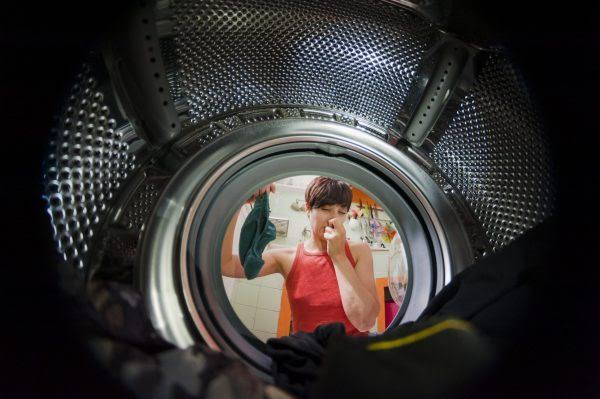
Prevention takes far less effort than repeated deep cleaning. These habits stop bacteria before they start.
Leave the washer door and detergent drawer open after every load. This simple step allows the drum to dry out completely.
Use only the recommended amount of HE detergent. Excess soap is the number one cause of residue buildup in modern washers.
Run a hot maintenance wash with a washer cleaner or vinegar once a month, even if there is no smell yet.
Wipe down the gasket and drum with a dry cloth after each use, especially on front-load machines with rubber seals.
Wash a load of towels or whites on hot water weekly to flush out oils and residue that cold washes leave behind.
When to Call a Professional
Most rotten egg smells are DIY fixes, but some situations need expert help. Know when to make the call.
If the smell persists after a full deep clean, your drain pump or internal hoses may need professional inspection.
If you smell sewer gas throughout your home, not just near the washer, contact a licensed plumber immediately.
If you suspect a natural gas leak near your dryer, turn off the gas supply and call your gas company right away.
Is a Rotten Egg Smell From Your Washer Dangerous?
In most cases, a sulfur smell from bacteria is unpleasant but not medically dangerous at typical household levels.
However, if the smell is very strong, sudden, and paired with a gas appliance nearby, treat it as a possible safety issue and ventilate the area immediately.
Common Mistakes That Make the Smell Worse
Many homeowners unintentionally make the odor problem worse while trying to fix it. Avoiding these habits speeds up recovery.
Closing the Door Right After Every Wash
Closing the door immediately traps moisture inside, creating a sealed, humid environment. This is one of the fastest ways to grow mold.
Always prop the door open for at least a few hours after each cycle to let the drum air out fully.
Only Washing in Cold Water
Cold water saves energy but does not dissolve body oils, detergent residue, or bacteria as effectively as hot water.
Run at least one hot cycle per week to flush out buildup that cold washes leave behind in the drum and hoses.
Overusing Fabric Softener
Fabric softener is essentially a liquid wax coating. Too much of it builds a sticky layer on hoses and the outer tub.
This layer becomes a long-term food source for bacteria, so use it sparingly and skip it on heavily soiled loads.
Ignoring the Drain Filter for Months
Many people do not know their washer even has a drain filter, so it never gets cleaned.
Debris and stagnant water build up silently behind it, becoming one of the most overlooked sources of the rotten egg smell.
Using Too Much Liquid Detergent
Liquid detergent is more prone to leaving sticky residue than powder, especially when overused in HE machines.
Measure detergent carefully using the cap markings rather than estimating, since most people use two to three times more than needed.
Best Cleaning Products for Washer Odor Removal
Several products can help tackle washer odors, ranging from pantry staples to commercial cleaners. This comparison shows how they stack up.
| Product | Cost | Effectiveness | Best For |
|---|---|---|---|
| White vinegar | Low | Good | Mild to moderate odor, regular maintenance |
| Baking soda | Low | Good | Neutralizing lingering smells |
| Bleach solution | Low | Very good | Killing mold in gasket and drum |
| Commercial washer cleaner tablets | Medium | Very good | Deep monthly cleaning, HE machines |
| Enzyme-based cleaners | Medium | Good | Breaking down organic residue and biofilm |
Well Water vs Municipal Water: Which Is More Likely to Smell?
Not all water sources carry the same risk of causing a sulfur smell. Understanding your water type helps you diagnose the issue faster.
Well water is far more likely to contain natural sulfur bacteria or hydrogen sulfide gas, especially in rural areas with older wells.
Municipal water is treated and monitored, so a rotten egg smell from city water is rare and usually linked to a water heater anode rod reacting with sulfates.
If you are on municipal water and only your washer smells, the issue is almost always inside the machine, not the supply line.
How Washer Design and Water Heater Settings Affect Odor
Your water heater can also play a role in sulfur smells, even if your washer is spotless. This connection is often overlooked.
Magnesium anode rods inside water heaters can react with sulfate in the water to produce hydrogen sulfide gas, especially in low-usage households.
If flushing your washer does not resolve the smell and you notice it in hot water throughout your home, ask a plumber about your water heater’s anode rod.
Washer Maintenance Schedule to Prevent Odor
A simple maintenance routine keeps your washer smelling fresh year-round without much extra effort. Use this schedule as a reference.
| Task | Frequency | Time Needed |
|---|---|---|
| Leave door open after use | Every wash | 0 minutes |
| Wipe gasket dry | Every wash | 2 minutes |
| Clean detergent drawer | Every 2 weeks | 5 minutes |
| Clean drain filter | Every 1-2 months | 10 minutes |
| Hot vinegar cleaning cycle | Monthly | 60-90 minutes |
| Inspect drain hose | Every 6 months | 15 minutes |
| Test water supply (well water) | Annually | Varies |
Following this schedule consistently prevents most of the buildup that leads to hydrogen sulfide odors in the first place.
Does Washer Age Affect the Rotten Egg Smell?
Older washers are more prone to odor problems simply because parts wear down and residue accumulates over years of use.
Rubber gaskets on machines older than five years often develop tiny cracks where bacteria can hide, making them harder to clean completely.
Drain pumps and hoses in older units may also have accumulated years of mineral scale and sludge that a single cleaning cycle cannot fully remove.
If your washer is over ten years old and the smell keeps returning despite regular cleaning, it may be more cost-effective to consider a newer model with built-in odor-prevention technology, such as antimicrobial gaskets or automatic tub-clean cycles.
Signs the Smell Is Coming From the Washer, Not Your Home
Sometimes it is hard to tell if the odor problem starts at the washer or somewhere else in your plumbing system. These signs help narrow it down.
If the smell only appears when the washer is running or right after a cycle, the washer itself is almost certainly the source.
If you notice the same smell in your bathroom sink, shower drain, or kitchen faucet, the issue is more likely tied to your home’s plumbing or water supply.
If the smell fades quickly after opening a window but returns whenever you do laundry, that pattern also points directly back to the washer.
Paying attention to timing and location makes it much easier to apply the correct fix instead of guessing and wasting time on the wrong solution.
Frequently Asked Questions (FAQs)
Why does my washer smell like rotten eggs after every wash?
This usually means bacteria and biofilm have built up in the gasket, drum, or drain filter. A deep clean with vinegar and baking soda typically resolves it.
Is a rotten egg smell in my washer harmful to my health?
It is generally not dangerous but can trigger allergies for sensitive individuals. Clean the machine promptly to prevent mold spores from spreading.
How often should I clean my washing machine to prevent odors?
Run a hot maintenance cycle once a month for most households. Heavy laundry use may require cleaning every two to three weeks.
Can too much detergent cause a rotten egg smell?
Yes, excess detergent leaves residue that feeds odor-causing bacteria. Always use the manufacturer’s recommended amount, especially with HE machines.
Why does only my front-load washer smell, not my top-load one?
Front-load washers have a rubber door gasket that traps moisture, creating an ideal spot for mold. Top-loaders lack this fold-over seal.
Could my water supply be causing the rotten egg smell?
Yes, well water with sulfur bacteria can cause this smell throughout your home, not just the washer. Test your tap water to confirm.
What household items can I use to remove the smell?
White vinegar and baking soda are the most effective and affordable options. Run separate hot cycles with each for best results.
Why does my washer smell like rotten eggs only during the drain cycle?
This points to a clogged drain filter or stagnant water in the pump housing. Clean the filter and check the drain hose for blockages.
Should I worry about a gas leak if my washer smells like eggs?
If you have a nearby gas dryer and the smell is strong and constant, turn off the gas and call your gas company to rule out a leak.
How long does it take to fix a smelly washer after cleaning?
Most odors resolve within 24 to 72 hours after a proper deep clean. If the smell lingers, a secondary cause may still need attention.
Conclusion
A washer that smells like rotten eggs is a common problem with a straightforward explanation: hydrogen sulfide gas from bacteria, mold, or trapped residue inside your machine.
Whether the culprit is a dirty door gasket, a clogged drain filter, detergent buildup, or sulfur in your water supply, the fix is almost always within reach through regular cleaning and a few smart habits.
Start by identifying where the smell is strongest, then work through the gasket, filter, and drum cleaning steps outlined above. Prevent future odors by leaving the door open between loads, using the right amount of detergent, and running a monthly maintenance wash.
In rare cases involving sewer gas or a nearby gas leak, call a professional immediately for safety. With consistent care, your washer will stay fresh, odor-free, and ready to handle every load in 2026 and beyond.