Why Does My Floss Smell Like Poop? Stop the Odor 2026
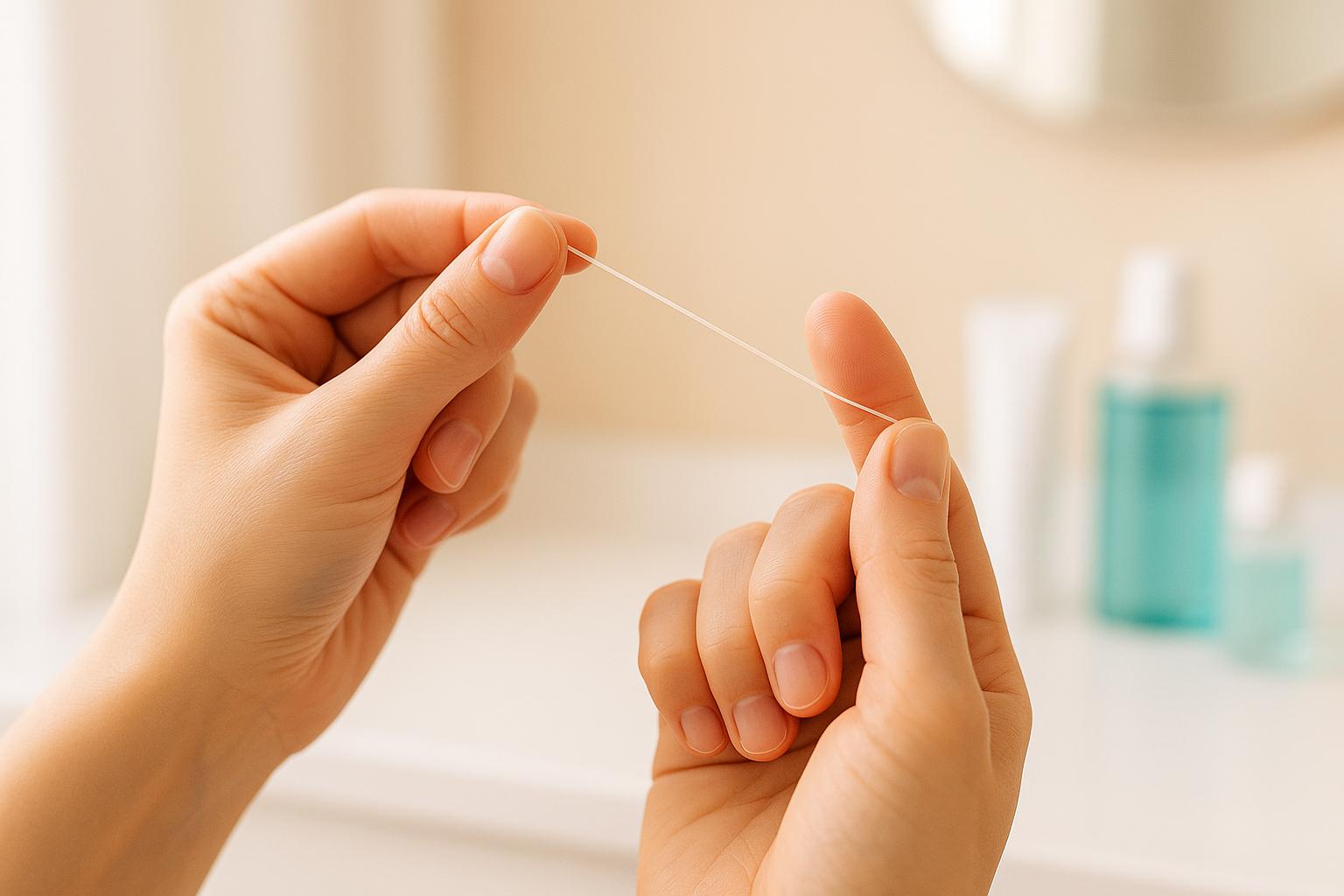
Why does my floss smell like poop? This is one of the most common, yet most embarrassing, questions people search for when they notice a foul odor on their floss after cleaning between their teeth.
It can be alarming the first time it happens, but it is actually a very common dental issue. The smell usually comes from trapped food, bacteria, or plaque hiding in spaces your toothbrush cannot reach. In rare cases, it can point to gum disease, tooth decay, or dry mouth.
Quick Summary: Why Floss Smells Bad
This table gives you a fast overview before we go deeper into each cause.
| Cause | What It Means | Quick Fix |
|---|---|---|
| Trapped food particles | Decaying debris between teeth | Floss daily, rinse after meals |
| Bacterial plaque buildup | Bacteria releasing sulfur gases | Brush twice daily, use mouthwash |
| Gum disease (gingivitis) | Inflamed, infected gum tissue | See a dentist, improve technique |
| Tooth decay or cavity | Bacteria hiding inside a cavity | Get a dental filling |
| Dry mouth | Low saliva lets bacteria thrive | Drink water, avoid alcohol mouthwash |
| Tonsil stones or sinus issues | Bacteria from other areas of mouth/throat | Treat underlying condition |
What Causes the Poop-Like Smell on Floss
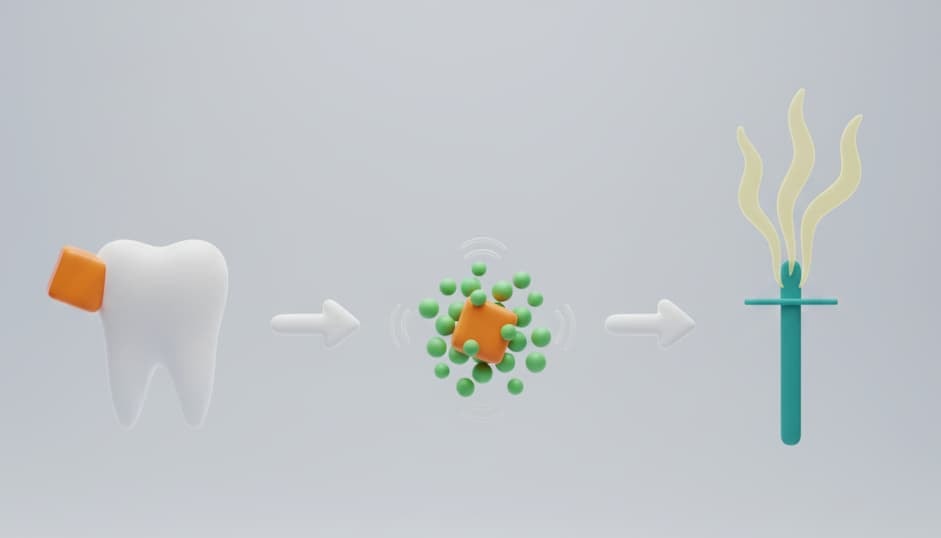
The “poop smell” on floss is not actually feces. It is caused by gases called Volatile Sulfur Compounds, or VSCs. These same gases are found in rotten eggs and human waste, which is why the smell feels so familiar and unpleasant.
VSCs are produced when anaerobic bacteria break down trapped food and dead skin cells in your mouth. These bacteria live below the gumline and between teeth, exactly where floss reaches.
When floss disturbs this bacterial colony, it picks up the concentrated odor and carries it straight to your nose. This is why the smell can seem much stronger than your everyday breath.
1. Trapped Food Particles
Tiny bits of meat, leafy greens, or sticky food can lodge between your teeth after eating. If they are not removed quickly, they begin to rot within 24 hours.
This rotting process releases a strong, sour smell that clings to your floss. It is one of the most common and least serious causes of floss odor.
2. Bacterial Plaque Buildup
Plaque is a sticky film of bacteria that forms on teeth every single day. If it is not removed through brushing and flossing, it hardens into tartar.
Bacteria inside plaque feed on leftover food and produce sulfur compounds as a byproduct. This is the primary source of bad breath and smelly floss for most people.
3. Gum Disease (Gingivitis or Periodontitis)
Gum disease begins when plaque irritates the gum tissue, causing inflammation known as gingivitis. Left untreated, it can progress into periodontitis, a more serious infection.
Infected gums often bleed during flossing, and the mix of blood and bacteria creates a strong, metallic-rotten smell. This is one of the clearest warning signs that you need a dental checkup.
4. Tooth Decay or Hidden Cavities
Cavities create small holes where bacteria and food particles can hide deep inside the tooth structure. These pockets are nearly impossible to clean with a toothbrush alone.
If you notice the smell coming from one specific tooth every time you floss, it could indicate a cavity or a failing filling underneath.
5. Dry Mouth (Xerostomia)
Saliva plays a major role in washing away bacteria and neutralizing acids in your mouth. When saliva production drops, bacteria multiply faster and produce stronger odors.
Dry mouth can be caused by dehydration, certain medications, mouth breathing, or alcohol-based mouthwash. Drinking more water often helps reduce the smell.
6. Tonsil Stones and Sinus Issues
Sometimes the odor is not from your teeth at all. Bacteria from tonsil stones or post-nasal drip can settle in your mouth and affect floss odor too.
If brushing and flossing do not solve the smell, it is worth checking your tonsils and throat for small white debris, which are common tonsil stones.
7. Diet and Lifestyle Factors
Certain foods like garlic, onions, dairy, and red meat naturally produce stronger sulfur compounds when they break down. These foods can make floss odor more noticeable.
Smoking and alcohol use also dry out the mouth and feed odor-causing bacteria, making the smell on your floss worse over time.
Is It Normal for Floss to Smell at All?
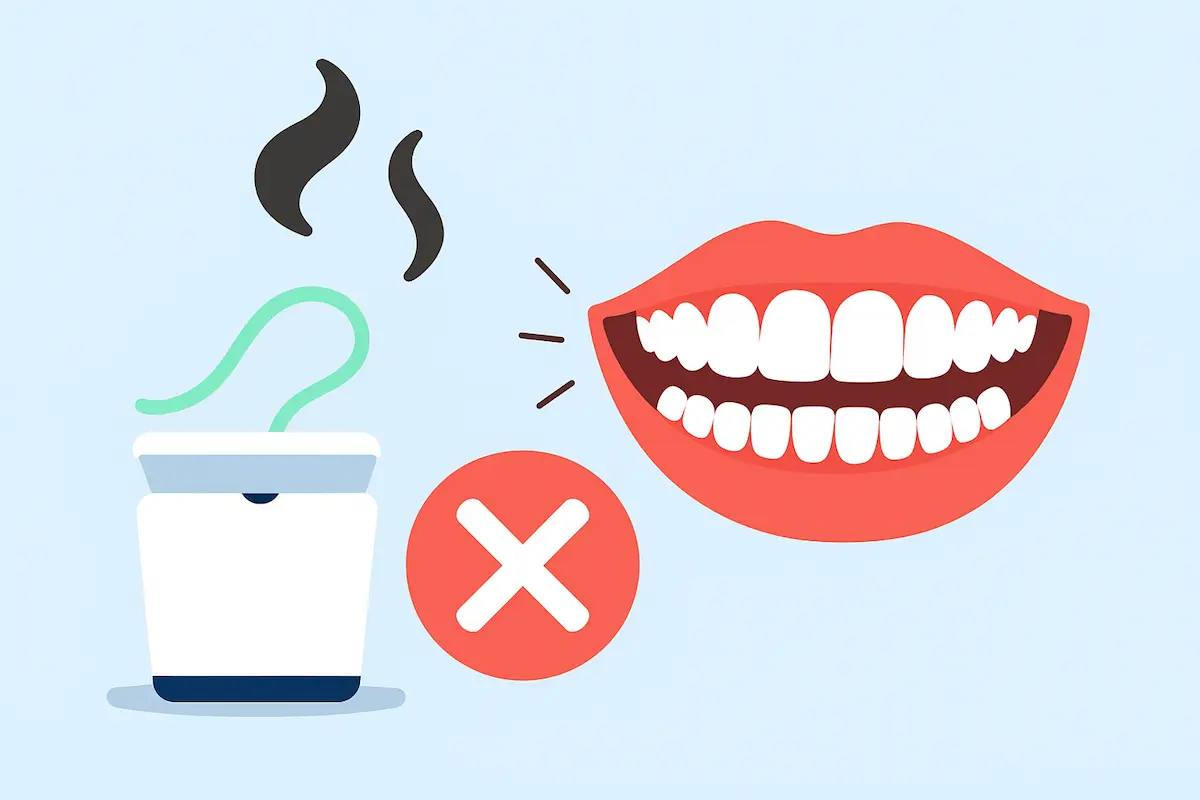
A very mild odor on floss is considered completely normal. It simply means the floss removed something it was supposed to remove.
A strong, persistent, rotten smell every single time you floss is not normal and usually signals an underlying problem that needs attention.
How to Tell the Difference Between Normal and Concerning Odor
| Sign | Likely Normal | Needs a Dentist |
|---|---|---|
| Smell fades after brushing | Yes | — |
| Smell returns daily, very strong | — | Yes |
| Bleeding gums with the odor | — | Yes |
| Smell from one specific tooth | — | Yes |
| Mild smell only after garlic or meat | Yes | — |
How to Get Rid of Floss Odor: Step-by-Step Routine
The good news is that floss odor is highly treatable at home in most cases. Here is a simple daily routine that targets the root causes.
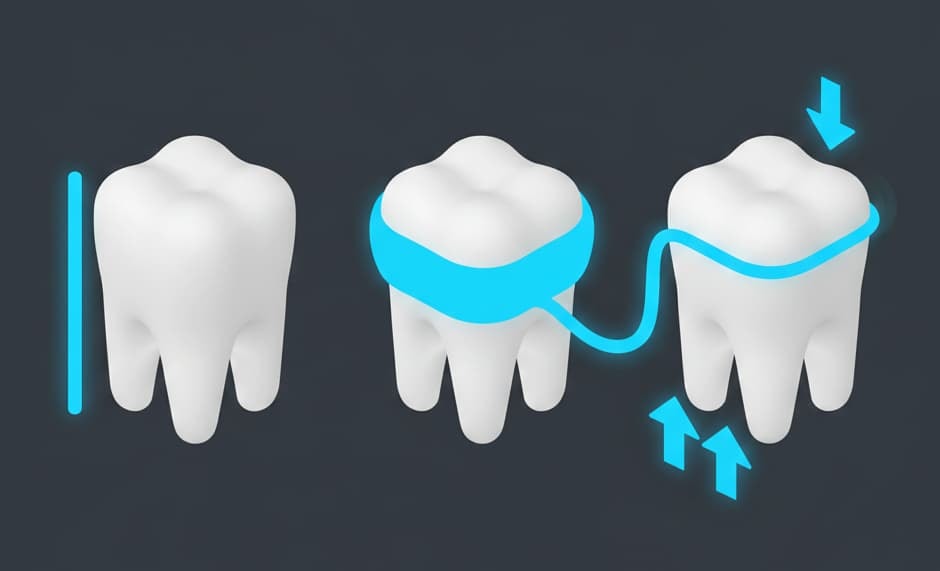
Step 1: Floss correctly, once a day. Curve the floss into a C-shape around each tooth and slide it gently below the gumline to remove hidden debris.
Step 2: Brush twice daily for two minutes. Use a soft-bristled brush and fluoride toothpaste, making sure to cover every tooth surface evenly.
Step 3: Clean your tongue. A large percentage of odor-causing bacteria live on the back of the tongue, so use a tongue scraper daily.
Step 4: Use an antibacterial mouthwash. This helps kill leftover bacteria in areas your brush and floss cannot fully reach.
Step 5: Stay hydrated throughout the day. Water keeps saliva flowing, which naturally washes away bacteria and food debris.
Step 6: Limit sugary and processed foods. These foods feed bacteria faster and contribute to plaque buildup and stronger odors.
Step 7: Switch tools if needed. Water flossers and interdental brushes can reach areas that traditional floss may miss, especially with braces or tight teeth.
Best Tools to Prevent Smelly Floss
| Tool | Best For | Why It Helps |
|---|---|---|
| Traditional floss | Daily basic cleaning | Removes surface debris and plaque |
| Water flosser | Braces, sensitive gums | Flushes bacteria from deep pockets |
| Interdental brush | Wide gaps, gum recession | Reaches large spaces between teeth |
| Tongue scraper | Bad breath at the source | Removes bacteria from tongue surface |
| Antibacterial mouthwash | Overall bacteria control | Kills bacteria floss cannot remove |
How Long Does It Take for the Smell to Go Away
If the cause is simply trapped food or mild plaque, consistent flossing and brushing usually clears the smell within one to two weeks.
If the smell persists despite good habits, the bacteria are likely living deeper than floss can reach, which means a professional cleaning is needed.
When You Should See a Dentist
You should not ignore a persistent foul odor on your floss, especially when other symptoms are present alongside it.
Schedule a dental visit if you notice bleeding gums, swelling, tooth pain, loose teeth, or a smell that does not improve after two weeks of consistent care.
Warning Signs That Should Not Be Ignored
| Symptom | Possible Issue |
|---|---|
| Bleeding gums every time you floss | Gingivitis or periodontitis |
| Pain when chewing on one side | Hidden cavity or cracked tooth |
| Smell despite perfect hygiene | Deep periodontal pocket |
| Swollen or receding gums | Advanced gum disease |
| Loose or shifting teeth | Late-stage periodontitis |
Why Ignoring the Smell Can Be Risky
Floss odor is more than just an embarrassing inconvenience. It is your mouth’s early warning system for bacterial activity that can worsen over time.
Untreated gum disease has also been linked to broader health issues, including heart disease and diabetes, making it important to take the smell seriously rather than masking it.
Frequently Asked Questions (FAQs)
Why does my floss smell like poop even though I brush daily?
Brushing does not reach below the gumline or between teeth. Trapped bacteria and food in those spaces cause the smell.
Is it normal for floss to smell bad sometimes?
Yes, a mild occasional smell is normal. A strong, constant odor usually signals plaque buildup or gum disease.
Can gum disease cause floss to smell like poop?
Yes, gum disease produces high levels of sulfur compounds and bleeding, creating a strong rotten odor on floss.
How do I stop my floss from smelling bad?
Floss daily with proper technique, brush twice a day, scrape your tongue, and use antibacterial mouthwash consistently.
Does a cavity make my floss smell bad?
Yes, cavities trap bacteria and decaying food, often causing a strong smell from one specific tooth area.
Can dry mouth cause smelly floss?
Yes, low saliva allows bacteria to multiply faster, increasing odor whenever you floss between your teeth.
How long until the smell goes away with better hygiene?
Most people notice improvement within one to two weeks of consistent daily flossing and brushing.
Should I worry if my gums bleed and smell bad?
Yes, bleeding combined with odor is a strong sign of gum disease and should be checked by a dentist.
Can certain foods make floss smell worse?
Yes, garlic, onions, dairy, and red meat naturally produce stronger sulfur smells when they decay between teeth.
When should I see a dentist about floss odor?
See a dentist if the smell persists past two weeks, or if you notice bleeding, swelling, or tooth pain.
Conclusion
A bad smell on your floss is uncomfortable to notice, but it is rarely something to panic about. In most cases, it simply means trapped food and bacteria are being removed exactly where they should be.
The key is paying attention to how often it happens and how strong it really is. Mild, occasional odor is normal and even a sign your flossing is working. Persistent, rotten smells, especially with bleeding or pain, point toward gum disease, decay, or dry mouth that need professional care.
By flossing daily with proper technique, brushing twice a day, cleaning your tongue, staying hydrated, and visiting your dentist regularly, you can eliminate the odor and protect your long-term oral health. Treat the smell as useful feedback from your mouth, not just an embarrassing inconvenience, and your breath and gums will thank you.