Why Do My Teeth Hurt When I’m Sick? Relief Tips 2026
Why do my teeth hurt when I’m sick is one of the most searched dental questions — and the answer surprises most people.
Tooth pain during illness is not always a sign of a cavity or a dental emergency. In most cases, it is a direct result of sinus pressure, dehydration, dry mouth, and your body’s inflammatory response to infection.
Whether you have a cold, the flu, or a sinus infection, the same biological processes that make you feel miserable can also trigger real, throbbing tooth discomfort.
Why Do My Teeth Hurt When I’m Sick? The Sinus-Tooth Connection:
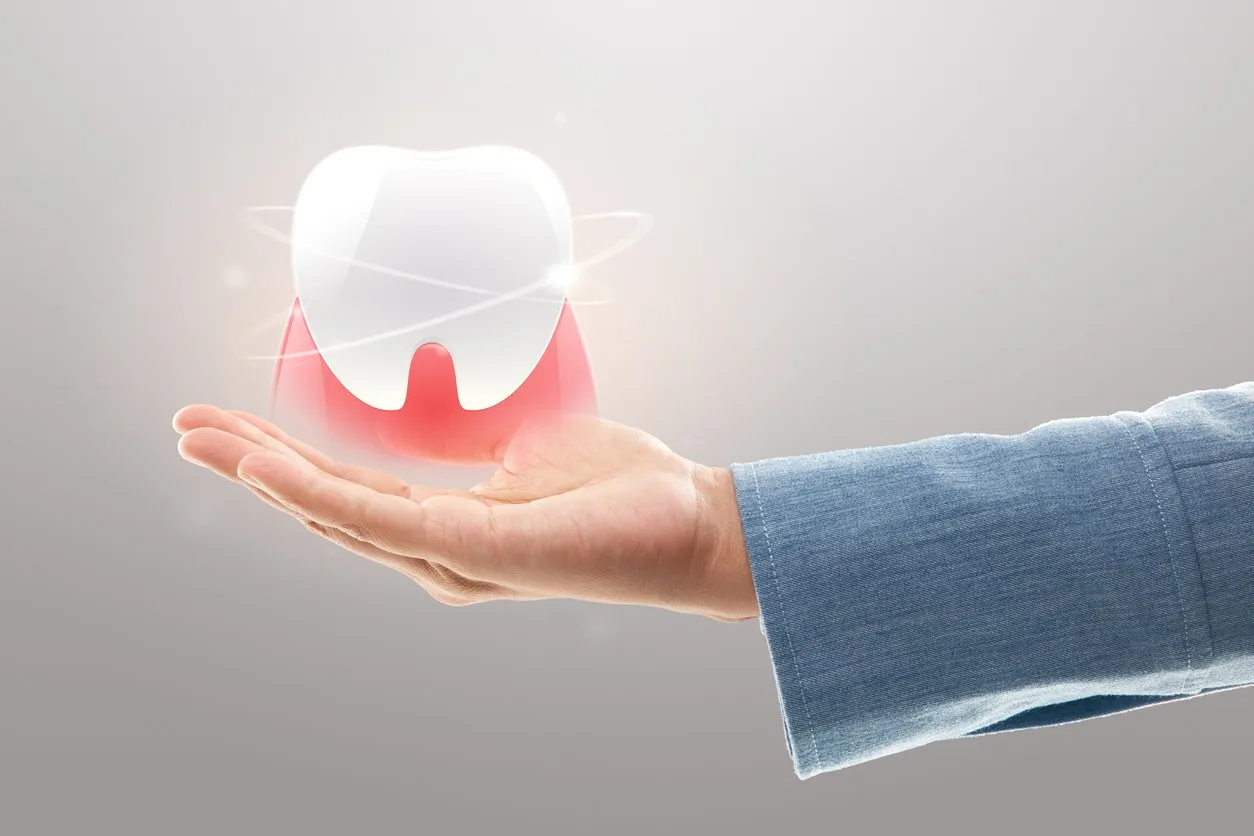
This is the number one cause of tooth pain during illness, and most people have no idea it exists.
Your maxillary sinuses — the large air-filled cavities in your skull — sit directly above your upper back teeth, especially your molars. When you get sick with a cold, flu, or sinus infection, those cavities become inflamed and fill with mucus.
That buildup creates pressure. The pressure pushes down on the roots of your upper teeth, compressing the nerve endings that run through them.
Your brain interprets this compression as a toothache. In reality, the teeth themselves are completely fine — it is the sinus tissue pressing against them.
Which Teeth Hurt Most from Sinus Pressure?
Upper rear teeth — specifically the upper molars and premolars — are the most affected. These teeth have roots that sit closest to the floor of the maxillary sinuses.
Lower teeth do not usually hurt from sinus pressure alone. If your lower teeth are aching, a different cause is likely involved.
The pain from sinus pressure tends to feel dull and generalized, affecting multiple upper teeth at once rather than being sharp and isolated to one spot.
Dry Mouth and Dehydration: The Silent Tooth Pain Trigger
When you are sick, your body uses water to fight infection, produce mucus, and regulate temperature through fever. This depletes fluid reserves quickly.
Dehydration leads directly to dry mouth — a reduction in saliva production that most people overlook as a cause of tooth pain.
Why Saliva Matters for Your Teeth
Saliva does far more than keep your mouth comfortable. It neutralizes acids, washes away food particles and bacteria, and creates a protective coating over tooth enamel.
When saliva production drops, bacteria multiply faster, acid levels rise, and teeth become dramatically more sensitive. Even teeth that felt fine before the illness start to ache.
Mouth breathing makes this worse. When nasal congestion forces you to breathe through your mouth for hours, saliva evaporates rapidly and the drying effect on teeth is significant.
How Much Does Dry Mouth Increase Tooth Sensitivity?
Studies show that saliva flow reduction by even 40% can meaningfully increase enamel vulnerability. For someone already sick and run down, that sensitivity can feel like intense tooth pain even without any underlying dental issue.
Drinking water consistently throughout the day — not just when thirsty — is one of the most effective ways to reduce tooth pain caused by illness-related dehydration.
Inflammation and the Immune Response
When your body fights an infection, it releases inflammatory chemicals called cytokines and prostaglandins. These chemicals are essential for defeating pathogens, but they also raise sensitivity throughout the body.
Your gums and tooth nerves are no exception. If you already have mild gum inflammation, early tooth decay, or small enamel wear, these pre-existing issues become dramatically amplified during illness.
Why Teeth That Never Hurt Before Suddenly Ache
This is why many people experience tooth pain during a cold even though they had no dental complaints the week before. The illness did not create a new problem — it just revealed and intensified one that was already developing quietly.
Think of it as a lowered pain threshold. Your immune system is working overtime, your pain tolerance is reduced, and minor dental sensitivities that you normally would not notice become genuinely painful.
This is also why your gums may feel sore and inflamed during illness even if you brush and floss regularly.
Teeth Grinding (Bruxism) During Illness
Many people grind their teeth at night without knowing it. Illness tends to make this significantly worse.
When you are sick, you may sleep fitfully, clench your jaw during discomfort, and tense your facial muscles due to fever and body aches. This increases the frequency and intensity of teeth grinding.
Signs That Grinding Is Contributing to Your Tooth Pain
You will often notice jaw soreness and facial muscle aches alongside tooth sensitivity if grinding is a factor. The pain tends to be felt more in the morning after sleeping.
Headaches on waking, sore jaw joints, and generalized achiness across all teeth — rather than upper teeth only — point toward bruxism as a contributing cause.
A night guard can help if you know you grind your teeth. During illness, a warm compress on the jaw before bed can relieve clenching tension.
Medications and Cold Remedies That Make Teeth Hurt
Over-the-counter cold and flu medications are helpful for recovery, but several of them have side effects that directly affect oral health.
Common Medications That Affect Teeth
| Medication Type | Dental Effect |
|---|---|
| Antihistamines | Reduce saliva production, causing dry mouth |
| Decongestants | Dry out mucous membranes including mouth tissue |
| Cough syrups | Often contain sugar and acid that erode enamel |
| Sugar-based cough drops | Feed bacteria, increase acid production |
| Ibuprofen (overused) | Can irritate gum tissue at high doses |
Many cough drops and throat lozenges contain significant amounts of sugar. Sucking on these throughout the day is equivalent to giving your teeth a continuous sugar bath — bacteria convert that sugar to acid, which attacks enamel and causes sensitivity.
If you need cough drops, choose sugar-free versions and rinse your mouth with water afterward.
Acid From Vomiting and Acid Reflux
Illnesses that involve vomiting — stomach flu, food poisoning, morning sickness — introduce stomach acid directly into the mouth.
Stomach acid is extremely corrosive to tooth enamel. Even a single vomiting episode exposes enamel to acid strong enough to begin erosion.
What to Do After Vomiting to Protect Your Teeth
Do not brush your teeth immediately after vomiting. This is a common mistake that spreads the acid across more tooth surfaces and accelerates erosion.
Instead, rinse your mouth thoroughly with plain water or a baking soda and water rinse. Wait at least 30 minutes before brushing. This gives softened enamel time to reharden slightly before being exposed to bristles.
This step alone can prevent significant long-term enamel damage during an illness involving repeated vomiting.
COVID-19 and Tooth Pain: What 2026 Research Shows
COVID-19 continues to circulate in 2026, and tooth pain remains a reported symptom for some patients — though it is not among the primary symptoms according to current research.
The most likely explanation is the same sinus pressure mechanism described above. COVID causes significant sinus inflammation and congestion, which puts pressure on upper tooth roots.
COVID and Referred Tooth Pain
Some COVID patients also report jaw pain and facial nerve sensitivity, which researchers believe may be related to the virus’s documented effects on nerve tissue. However, tooth pain is not currently considered a diagnostic COVID symptom.
If you have COVID-related tooth pain, the same strategies apply — manage sinus pressure, stay hydrated, maintain oral hygiene, and monitor for pain that persists after recovery.
How to Tell if Your Tooth Pain Is Sinus-Related or a Real Dental Problem
This is the critical question. Not all tooth pain during illness is harmless. Some cases require urgent dental attention.
Sinus-Related Tooth Pain: Key Characteristics
| Feature | Sinus Pain | Dental Problem |
|---|---|---|
| Location | Multiple upper back teeth | Usually one specific tooth |
| Character | Dull, pressure-like, generalized | Sharp, throbbing, or pulsing |
| Worse when | Bending forward, moving head | Biting, touching the tooth |
| Swelling | None around teeth | Possible redness or swelling at gum line |
| Fever connection | Pain worsens with congestion | Pain exists even without congestion |
| After recovery | Disappears when congestion clears | Persists or worsens after cold resolves |
If pain is localized to one tooth, sharp and pulsing, sensitive to hot or cold temperatures, and present when biting down — this is more likely a dental infection, cracked tooth, or cavity that needs prompt treatment.
Do not wait if you notice swelling, a bad taste in your mouth, or visible redness around the base of a specific tooth. These are signs of infection that require dental care.
8 Proven Relief Tips for Tooth Pain When Sick in 2026
These strategies work with the causes rather than just masking the symptoms.
Stay Hydrated All Day Long
Drink water consistently throughout the day — not in large amounts infrequently, but in small sips regularly. This keeps saliva production active and prevents the dry mouth that amplifies tooth sensitivity.
Warm water is better than cold during illness. Cold water can trigger tooth sensitivity when enamel is already vulnerable. Herbal teas without sugar are also a good option.
Avoid sports drinks and fruit juices during illness. Despite their reputation as hydrating, they contain sugars and acids that worsen tooth sensitivity and feed oral bacteria.
Use a Saline Nasal Rinse to Reduce Sinus Pressure
Reducing sinus congestion is the most direct way to reduce sinus-related tooth pain. A saline nasal rinse flushes mucus and reduces inflammation in the maxillary sinuses.
This works faster than most oral medications for relieving the specific pressure that causes upper tooth pain. Use it two to three times daily when congested.
A warm facial compress held over your sinuses for 10 to 15 minutes also helps reduce pressure and brings meaningful relief to aching upper teeth.
Keep Brushing and Flossing — Even When You Feel Terrible
Oral hygiene is not optional during illness. When you skip brushing, plaque and bacteria accumulate faster. That bacterial buildup causes acid production that worsens tooth sensitivity and can trigger gum inflammation.
Use a soft-bristled toothbrush and brush gently in circular motions for two full minutes. Hard scrubbing on sensitive teeth makes pain worse, not better.
If you are too exhausted to brush, an antibacterial mouthwash rinse is far better than nothing.
Use Fluoride Toothpaste
Fluoride is especially important during illness. It actively repairs weakened enamel caused by dry mouth, acid exposure, and bacterial activity.
Fluoride toothpaste used twice daily helps remineralize softened enamel and reduces sensitivity during the recovery period.
After brushing, spit out the toothpaste but do not rinse with water immediately. Leaving a thin fluoride residue on the teeth for a few minutes increases its protective effect.
Choose Sugar-Free Cough Drops
Most standard cough drops contain sugar. Using them repeatedly throughout a sick day means your teeth are bathed in sugar-feeding acid for hours.
Sugar-free cough drops using xylitol are available in most pharmacies. Xylitol actually has a mild antibacterial effect in the mouth, making these a genuinely better choice during illness.
If only sugared cough drops are available, rinse with water after each one.
Use Over-the-Counter Pain Relief Strategically
Ibuprofen works well for both sinus pain and tooth pain because it addresses inflammation — the root cause of both. Acetaminophen reduces general pain but does not address inflammation directly.
Most standard cold and flu formulas contain acetaminophen. If sinus pressure is severe and causing significant tooth pain, adding ibuprofen (at appropriate doses and only if safe for you) is often more effective.
Never place aspirin directly on a tooth or gum. This old home remedy causes chemical burns to soft tissue and does not address the actual source of pain.
Gargle with Warm Salt Water
Salt water reduces oral bacteria, soothes inflamed gum tissue, and helps keep the mouth clean when brushing is difficult.
Dissolve half a teaspoon of salt in eight ounces of warm water. Gargle and rinse for 30 seconds, then spit. Repeat two to three times daily.
This is especially helpful if illness has caused gum soreness or if you have been vomiting and need to neutralize acid in the mouth without brushing immediately.
Replace Your Toothbrush After Recovery

Your toothbrush collects bacteria during illness. Using the same toothbrush after you recover reintroduces those bacteria into your mouth.
Replace your toothbrush or the brush head on an electric toothbrush as soon as you feel better. This is a simple step that most people skip and it genuinely matters for preventing prolonged oral health issues after illness.
Oral Hygiene During Illness: A Quick Reference
| Situation | Best Action |
|---|---|
| After vomiting | Rinse with water, wait 30 min before brushing |
| Dry mouth from mouth breathing | Sip water frequently, use a humidifier |
| Sinus pressure tooth pain | Saline rinse, warm compress, ibuprofen |
| Sugary cough drop use | Rinse with water after each lozenge |
| Too sick to brush | Use antibacterial mouthwash instead |
| Post-recovery | Replace toothbrush immediately |
| Persistent pain after illness | Book a dental appointment |
When Tooth Pain During Illness Signals Something More Serious
If your tooth pain lasts more than 10 days, does not improve as congestion clears, or is accompanied by fever, facial swelling, or a bad taste in your mouth — do not wait to see a dentist.
Signs That Require Urgent Dental Attention
A tooth abscess — a pocket of infection at the tooth root — can develop or worsen during illness when the immune system is already compromised. An abscess causes throbbing pain in one specific tooth, swelling, and sometimes a visible pimple-like bump on the gum.
Left untreated, a dental abscess can spread infection to the jaw, neck, and in serious cases, deeper tissues. This is not a situation to manage with pain relievers at home.
Similarly, a tooth infection can travel to the sinuses — the relationship works both ways. A severely infected upper tooth can trigger a secondary sinus infection, creating a cycle of pain that neither resolves spontaneously.
The Sinus-Tooth Relationship: A Two-Way Street
Just as sinus infections can cause tooth pain, tooth infections can cause sinus infections. The proximity of the upper tooth roots to the maxillary sinus floor means an abscess or severe infection in an upper molar can penetrate the sinus cavity.
This creates what is called a secondary sinusitis — sinus infection caused by dental origin. It is often misdiagnosed as a standard cold because the sinus symptoms dominate.
If you have recurring sinus infections that do not respond to standard treatment, a dental evaluation is worth considering. The source may be an upper tooth that needs treatment.
Protecting Your Oral Health Through Cold and Flu Season 2026
Prevention is always more effective than relief. Building habits that protect your teeth during cold and flu season reduces both the severity and duration of illness-related tooth pain.
Preventive Habits That Make a Difference
Getting a flu vaccine reduces the likelihood of developing influenza-related sinusitis in the first place. This directly reduces the sinus pressure that causes the majority of illness-related tooth pain.
Regular dental cleanings remove the tartar and bacterial deposits that become amplified pain triggers when you get sick. Teeth with less built-up plaque are far less sensitive during illness.
A well-maintained oral hygiene routine during healthy periods means your baseline tooth and gum health is stronger, giving you more resilience when illness does strike.
Staying hydrated year-round — not just when sick — keeps saliva production consistent and enamel better protected against the effects of dry mouth during illness.
Frequently Asked Questions (FAQs)
Is it normal for teeth to hurt when sick?
Yes, it is very common and usually not a sign of a dental problem. Sinus pressure pressing on upper tooth roots is the most frequent cause.
Why do my upper back teeth hurt the most when I have a cold?
Your maxillary sinuses sit directly above your upper molars. When those sinuses fill with mucus and become inflamed, they press against the roots of those teeth, causing pain.
Can a sinus infection cause tooth pain without a toothache?
Yes. Sinus-related tooth pain can feel exactly like a toothache but clears up completely once the congestion resolves. No dental treatment is needed in these cases.
How do I know if my tooth pain is from sinuses or a cavity?
Sinus pain affects multiple upper teeth and worsens when you bend forward. Cavity pain is sharp, localized to one tooth, and triggered by biting or temperature.
Can dry mouth from being sick damage my teeth?
Yes. Reduced saliva increases acid and bacteria in the mouth, which can accelerate enamel erosion and cavities if the dry mouth is prolonged or you are not drinking enough water.
Should I see a dentist if my teeth hurt during a cold?
If the pain resolves when your congestion clears, no dental visit is needed. If pain persists more than 10 days after recovery, book an appointment promptly.
Do cough drops damage teeth?
Sugared cough drops can cause enamel erosion and feed cavity-causing bacteria if used frequently. Switch to sugar-free or xylitol-based options and rinse with water afterward.
Can COVID-19 cause tooth pain?
COVID can cause sinus inflammation that leads to the same sinus-pressure tooth pain seen with regular colds and flu. Tooth pain is not considered a primary diagnostic COVID symptom.
What is the fastest way to relieve tooth pain when sick?
A saline nasal rinse to reduce sinus pressure, ibuprofen for inflammation, and a warm compress over your sinuses provide the fastest combined relief for illness-related tooth pain.
Can I prevent tooth pain when I get sick?
Staying hydrated, maintaining oral hygiene throughout illness, using sugar-free cough drops, and managing sinus pressure with saline rinses significantly reduce tooth pain during illness.
Conclusion
Why do my teeth hurt when I’m sick comes down to one core answer — your body is fighting an infection and your teeth are caught in the crossfire. Sinus pressure pressing against upper tooth roots causes most illness-related tooth pain.
Dehydration, dry mouth, immune inflammation, teeth grinding, and acidic medications add to the problem. In 2026, the relief strategies are clear and well-supported: stay hydrated, use saline nasal rinses, choose sugar-free cough drops, maintain your oral hygiene routine, and use ibuprofen to target inflammation directly.
Most illness-related tooth pain disappears completely once you recover from the underlying sickness. However, if tooth pain lingers beyond 10 days after congestion clears, or if pain is sharp and localized to one tooth, see a dentist promptly. Protecting your oral health during illness is not separate from getting better — it is part of it.