Why Does My Pinky Toe Hurt? Symptoms and Treatment 2026
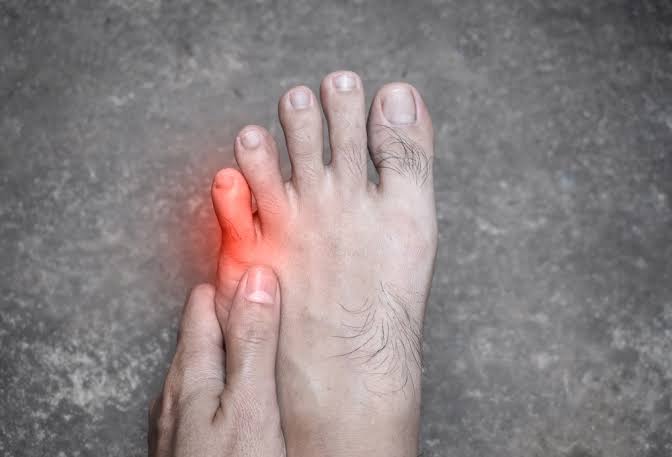
Why does my pinky toe hurt is one of the most common foot health questions searched online — and for good reason. The little toe may be the smallest on your foot, but pain there can be sharp, persistent, and seriously disruptive.
It can affect how you walk, exercise, stand, and get through your day. Causes range from something as simple as tight shoes to more serious conditions like fractures, bunionettes, gout, or nerve damage.
What Is Pinky Toe Pain and Why Does It Happen?
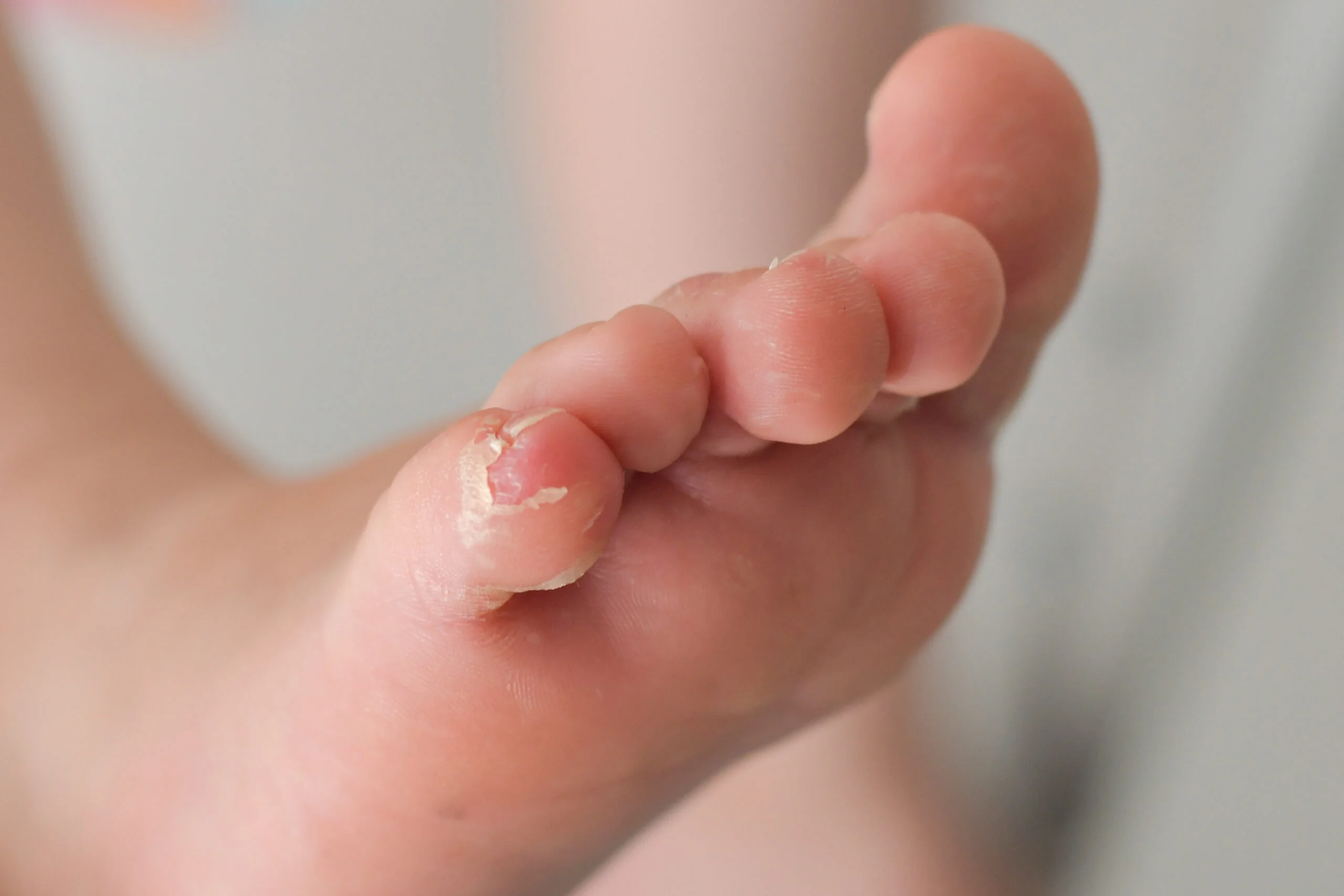
Your pinky toe, also known as the fifth toe or little toe, sits on the outer edge of your foot. Because of its exposed position, it is especially vulnerable to pressure, friction, direct impact, and structural changes.
Pinky toe pain is not a diagnosis on its own. It is a symptom that points to an underlying condition. That condition could be mechanical, structural, inflammatory, or neurological.
Understanding the root cause is the key to finding the right treatment and preventing the problem from getting worse.
Common Causes of Pinky Toe Pain
There are many reasons why your pinky toe might hurt. Some are minor and resolve quickly. Others require medical attention and ongoing management.
Tight or Ill-Fitting Shoes
Wearing shoes that are too narrow, too tight, or too short is the single most common cause of pinky toe pain. The outer edge of the foot bears enormous pressure when footwear does not fit correctly.
Constant squeezing forces the little toe inward, causes friction against the inner lining of the shoe, and creates ongoing pain, redness, and skin irritation. High heels make this significantly worse by pushing all the body’s weight forward onto the toes.
The fix is often straightforward: switch to shoes with a wider toe box, avoid pointy-toed designs, and have your feet professionally measured. Many people wear shoes that are the wrong size for years without realising it.
Stubbed Toe
Stubbing your pinky toe is one of the most instantly painful experiences in everyday life. It happens when you bang your toe hard against furniture, a door frame, a step, or another object.
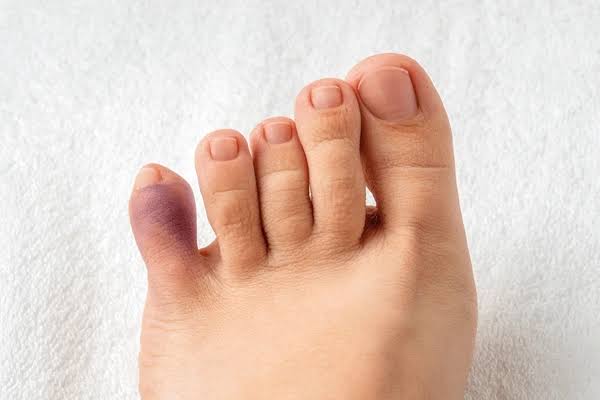
The pain is immediate, intense, and sharp. The toe may throb for several minutes and the area can swell, turn red, or bruise quickly after the impact.
In most cases a stubbed toe is just bruised and heals on its own within a few days. However, a hard enough impact can cause a fracture — which is why you should monitor your symptoms carefully after any significant blow to the toe.
Broken Pinky Toe (Fracture)
A broken pinky toe is one of the most common foot fractures. The fifth toe can break after a stubbing incident, a fall, dropping a heavy object on the foot, or from repetitive stress during athletic activity.
Symptoms of a broken pinky toe include:
- Immediate intense pain at the point of impact
- Significant swelling within the first hour
- Bruising that spreads across the toe and surrounding area
- Difficulty putting weight on the foot
- The toe appearing crooked, bent, or out of alignment
- A clicking or cracking sound heard at the time of injury
Surprisingly, many people with a broken pinky toe can still walk — just with pain. This often leads them to assume the toe is only bruised, delaying treatment that could affect how the bone heals.
A podiatrist or doctor will X-ray the toe to confirm the break and assess whether the bones are aligned. For most simple fractures, treatment involves buddy taping the pinky toe to the fourth toe, wearing a stiff-soled shoe or walking boot, and resting the foot for four to six weeks.
If the fracture is severe or the bones are misaligned, surgery may be needed to reset and stabilise the bone with pins or screws.
Stress Fracture
A stress fracture is a small hairline crack in the bone that develops slowly over time from repetitive pressure. Runners, dancers, athletes, and people who stand on hard floors for long hours are most at risk.
Unlike a sudden break, a stress fracture builds gradually. The pain typically starts as a mild ache during activity and worsens over time if the foot is not rested.
The metatarsal bone connected to the pinky toe — the fifth metatarsal — is a particularly common site for two types of stress fractures: the avulsion fracture and the Jones fracture.
An avulsion fracture occurs when a tendon or ligament attached to the fifth metatarsal pulls a small piece of bone away from the rest. A Jones fracture is a break at the base of the fifth metatarsal and is considered more serious because that area has limited blood supply, making healing slower and more difficult.
Both types require imaging to diagnose and may need a walking boot, crutches, or in some cases surgery.
Tailor’s Bunion (Bunionette)
A tailor’s bunion, also called a bunionette, is a bony bump that forms on the outer edge of the foot at the base of the pinky toe. It develops at the fifth metatarsophalangeal (MTP) joint — the point where the little toe meets the foot.
The name comes from the historical practice of tailors sitting cross-legged for hours with the outer edge of their feet pressed against the floor, which placed repeated stress on that specific joint.
Common symptoms include:
- A visible bony bump on the outer edge of the foot near the base of the little toe
- Redness and swelling around the bump
- Pain that worsens when wearing tight or narrow shoes
- A callus or corn forming directly over the bump
Bunionettes develop when the fifth metatarsal bone gradually shifts outward, due to genetics, foot structure, or long-term footwear pressure. They are similar to regular bunions at the big toe but occur on the opposite side of the foot.
Treatment ranges from wider shoes and padding to custom orthotics. In severe cases where walking becomes difficult, a podiatrist may recommend surgical correction of the bony prominence.
Corns and Calluses
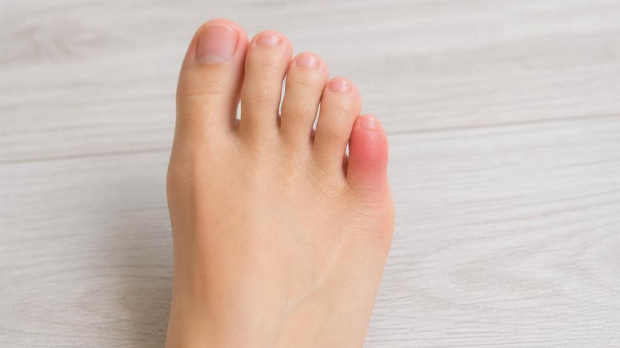
Corns and calluses are thickened patches of skin that form in response to repeated friction and pressure. They are among the most common causes of ongoing pinky toe pain and discomfort.
A corn is a small, concentrated area of hardened skin that usually develops on the top or side of the toe. It has a distinct hard centre surrounded by inflamed skin and can feel like a small pebble pressing into your foot when you walk.
A callus is a broader, flatter patch of hardened skin that typically forms on the sole of the foot or along the outer edge near the toe.
Both develop because the skin protects itself from repeated rubbing by thickening. While they are not dangerous, they become painful when the pressure continues.
Treatment includes gently buffing the area with a pumice stone after soaking the foot in warm water, using over-the-counter corn pads to reduce pressure, and most importantly, switching to properly fitting shoes. A podiatrist can safely remove persistent corns and calluses and address the underlying cause.
Hammertoe
A hammertoe is a structural deformity in which the toe bends abnormally downward at one of its middle joints, causing it to take on a claw-like shape. It most commonly affects the second, third, and fourth toes, but the pinky toe can also develop this condition.
When the pinky toe bends downward, it rubs against the top of the shoe with every step. This friction leads to corns, calluses, pain, and inflammation.
Hammertoes are usually caused by an imbalance in the muscles, tendons, or ligaments that hold the toe straight. Tight shoes that force the toes into a curled position for long periods can trigger or worsen the condition.
Early-stage hammertoes are flexible and can be treated with toe exercises, stretching, padding, and wider footwear. Later-stage hammertoes become rigid and may require surgery to straighten the joint.
Ingrown Toenail
While ingrown toenails are more commonly associated with the big toe, they can also develop on the pinky toe. An ingrown toenail occurs when the edge of the nail curves downward and grows into the surrounding skin instead of growing straight out.
Causes include cutting the nail too short or on a curve, wearing shoes that press against the nail, and genetic nail shape.
Symptoms include pain along the side of the nail, redness, swelling, and tenderness. In more advanced cases, the skin around the nail can become infected, leading to pus, warmth, and worsening pain.
Mild cases can sometimes be managed at home by soaking the foot in warm salty water and gently lifting the nail edge. More significant ingrown nails should be treated by a podiatrist, who can safely remove the embedded portion of the nail. Persistent or recurring cases can be treated permanently with a minor procedure that prevents that section of nail from regrowing.
Blisters
Blisters form when repeated friction causes a fluid-filled bubble to develop beneath the skin. They are extremely common on and around the pinky toe, especially in new or ill-fitting shoes.
The blister itself acts as a cushion protecting the damaged skin underneath. However, it becomes painful when pressure is applied directly to it, making walking uncomfortable.
Most blisters heal on their own within a few days. Keep the blister clean and protected with a bandage. Avoid popping it unless it is very large and uncomfortable — and if you do, use a clean needle and cover the area immediately to prevent infection.
Switching to better-fitting shoes and wearing moisture-wicking socks can prevent blisters from forming in the first place.
Gout
Gout is a form of inflammatory arthritis caused by a build-up of uric acid crystals in the joints. While it most commonly attacks the big toe joint, it can also cause severe pain in the pinky toe and other small toe joints.
A gout attack arrives suddenly and intensely. Many people wake up in the middle of the night with excruciating toe pain that appears without any prior injury or warning. The joint becomes swollen, red, warm to the touch, and extremely tender — even the weight of a bedsheet can be unbearable.
A full gout attack typically peaks within 12 to 24 hours and can last between one and two weeks without treatment.
Gout is more common in men over 40 and women after menopause. Risk factors include a diet high in purines (red meat, organ meats, shellfish, alcohol), obesity, kidney disease, and family history.
Treatment during an attack involves rest, elevation, NSAIDs like ibuprofen, and in some cases prescription colchicine or corticosteroids. Long-term management includes uric acid-lowering medications and dietary changes to reduce the frequency and severity of attacks.
Arthritis
Arthritis — particularly rheumatoid arthritis and osteoarthritis — can affect the small joints of the toes, including the pinky toe. This leads to ongoing joint pain, stiffness, swelling, and reduced range of motion.
Rheumatoid arthritis is an autoimmune condition in which the body’s immune system mistakenly attacks the joint lining. It tends to affect multiple joints symmetrically — meaning if your right pinky toe is affected, your left one likely is too.
Osteoarthritis involves the gradual breakdown of cartilage in the joint over time, typically from age-related wear and tear or previous injury. It causes joint stiffness, aching, and swelling, particularly after activity.
Both types of arthritis are managed with anti-inflammatory medications, physical therapy, footwear adjustments, and in advanced cases, surgical intervention.
Nerve Damage and Neuropathy
Nerve damage — also called peripheral neuropathy — can cause unusual sensations in the toes, including burning pain, tingling, numbness, or a feeling like electric shocks. The pinky toe may hurt without any visible injury or obvious structural cause.
Diabetes is one of the most common causes of peripheral neuropathy. High blood sugar over time damages the small nerves in the feet. Other causes include vitamin B12 deficiency, alcohol overuse, thyroid disease, and compressed nerves from footwear or spinal issues.
Nerve compression can also occur in the foot itself. A pinched nerve in the ankle or foot can cause radiating pain into the small toes.
If you experience burning, tingling, or numbness in your pinky toe without a clear injury explanation, it is important to consult a doctor to identify the underlying nerve or systemic cause.
Dislocation
A dislocated pinky toe occurs when the bones of the joint are forced out of their normal position, usually from a traumatic impact. It causes immediate severe pain, an obvious deformity, swelling, and inability to move the toe normally.
A dislocated toe should be assessed and treated by a medical professional as soon as possible. Attempting to push the bone back in place yourself can cause additional damage.
Treatment usually involves the doctor carefully repositioning the joint, followed by buddy taping and rest during the healing period.
Symptoms That Require Immediate Medical Attention
While many pinky toe issues can be managed at home, certain symptoms signal that you need to see a podiatrist or doctor without delay.
| Symptom | What It May Indicate |
|---|---|
| Severe or worsening pain not relieved by rest | Fracture, Jones fracture, or dislocation |
| Toe appears visibly crooked or misaligned | Fracture or dislocation |
| Significant bruising spreading across the foot | Fracture or soft tissue injury |
| Open wound, discharge, or signs of infection | Infected ingrown nail or wound infection |
| Sudden, intense pain with no injury | Gout attack |
| Burning, tingling, or numbness in the toe | Nerve damage or neuropathy |
| Pain that does not improve after two weeks of home care | Fracture, structural issue, or medical condition |
| Unable to bear weight on the foot | Possible fracture or dislocation |
Do not ignore persistent pinky toe pain. Early diagnosis and treatment prevents the condition from worsening, makes recovery faster, and reduces the risk of lasting damage.
Home Treatment Options for Pinky Toe Pain
Many mild to moderate cases of pinky toe pain respond well to home care. These strategies address the most common causes and provide effective relief.
The RICE Method
RICE stands for Rest, Ice, Compression, and Elevation. It is the standard first-aid approach for most minor toe injuries and is effective for reducing pain and swelling quickly.
Rest the foot and avoid putting unnecessary weight on the injured toe. Apply an ice pack wrapped in a cloth for 15 to 20 minutes at a time, several times a day — never apply ice directly to skin. Wrap the toe and foot gently with a compression bandage to reduce swelling. Elevate the foot above heart level when resting to help fluid drain away from the injured area.
Buddy Taping
Buddy taping means gently taping the injured pinky toe to the fourth toe next to it using medical tape with a small piece of gauze or foam between them. This technique immobilises the little toe and provides support during healing.
It is commonly used for minor fractures, sprains, and joint instability. Change the tape daily and check the skin for irritation or circulation issues.
Footwear Changes
Switching to shoes with a wide toe box, good arch support, and soft cushioning is one of the most impactful changes you can make for ongoing pinky toe pain. Avoid pointed-toe styles, high heels, and shoes that feel tight across the outer foot.
Look for shoes with at least a half-inch of space between your longest toe and the end of the shoe. Silicone toe separators and cushioning pads can also relieve pressure from bunionettes, corns, and hammertoes.
Over-the-Counter Pain Relief
NSAIDs such as ibuprofen (Advil, Motrin) or naproxen (Aleve) help reduce both pain and inflammation. They are effective for managing pain from sprains, fractures, gout attacks, and bunionettes.
Follow the recommended dosage on the packaging and do not use NSAIDs long-term without medical guidance, especially if you have stomach, kidney, or heart conditions.
Corn and Callus Pads
Non-medicated foam or gel pads available at pharmacies create a buffer between the corn or callus and the shoe, reducing pressure and friction. Medicated pads containing salicylic acid can gradually soften and dissolve hardened skin.
Always follow the instructions carefully with medicated pads, as they can damage healthy surrounding skin if used incorrectly. Diabetics should avoid medicated pads and see a podiatrist instead.
Soaking in Warm Water
Soaking the foot in warm water for 15 to 20 minutes softens the skin around corns, calluses, and ingrown toenails. Add a tablespoon of Epsom salt to reduce inflammation and promote healing.
After soaking, use a pumice stone to gently buff callused areas. This is a simple, low-cost routine that provides real relief for many common causes of pinky toe discomfort.
Medical and Professional Treatment Options
When home care is not enough, or when the underlying cause requires professional assessment, a podiatrist or doctor can provide more targeted treatment.
Podiatrist Examination and Diagnosis
A podiatrist will physically examine the toe, assess pressure points and areas of friction, evaluate your gait and footwear, and check for structural abnormalities. They will take a detailed history of your symptoms, activity level, and any recent injury.
Depending on what they find, they may order:
- X-rays to check for fractures, joint damage, or bone misalignment
- MRI or ultrasound for soft tissue injuries and nerve compression
- Blood tests to check uric acid levels (gout), inflammatory markers (arthritis), or blood sugar (diabetes/neuropathy)
An accurate diagnosis ensures you receive the correct treatment rather than managing the wrong condition for weeks.
Custom Orthotics
Custom-made orthotic insoles are designed to correct your specific foot mechanics, redistribute pressure away from the problem area, and provide targeted support. They are particularly effective for bunionettes, hammertoes, stress fractures, and nerve compression.
Unlike over-the-counter insoles, custom orthotics are moulded to the exact shape of your foot based on a professional assessment. They can significantly reduce pain and help prevent the problem from recurring.
Corticosteroid Injections
For persistent inflammatory pain from conditions like bunionettes, arthritis, or gout, a podiatrist may administer a corticosteroid injection directly into the affected joint or surrounding tissue.
These injections reduce inflammation quickly and provide substantial pain relief, often for several months at a time. They are not a permanent cure but can be highly effective in managing chronic flare-ups while other treatments take effect.
Physical Therapy
A physical therapist can design a targeted programme of exercises to strengthen the muscles surrounding the pinky toe, improve flexibility, correct gait abnormalities, and prevent future injury.
Toe stretches, resistance exercises, balance training, and footwear guidance are all common components of foot rehabilitation. Physical therapy is especially valuable after a fracture heals or following surgery.
Surgery for Pinky Toe Problems
Surgery is reserved for cases where conservative treatments have failed or the structural problem is severe enough to significantly limit daily function.
Common surgical procedures for pinky toe conditions include:
| Condition | Surgical Procedure |
|---|---|
| Bunionette (Tailor’s Bunion) | Bunionette correction: shaving or realigning the fifth metatarsal head |
| Hammertoe | Tendon release or joint fusion to straighten the toe |
| Jones Fracture | Internal fixation with screws or pins |
| Severe Ingrown Toenail | Partial nail avulsion (permanent removal of the nail edge) |
| Dislocation with joint damage | Joint reconstruction or fusion |
Most pinky toe surgeries are day procedures performed under local anaesthesia. Recovery time varies depending on the procedure but generally ranges from a few weeks to three months.
Prevention Tips for Pinky Toe Pain
Preventing pinky toe pain is largely about managing footwear choices and maintaining good foot hygiene. Small consistent habits make a significant difference over time.
Choose shoes that fit properly — have your feet measured at the end of the day when they are at their largest. Always buy shoes with adequate width across the toe box. Never force your toes into pointed-toe shoes or heels for long periods.
Trim your toenails straight across and at a moderate length — not too short and never curved at the edges — to prevent ingrown toenails.
Wear moisture-wicking socks during physical activity to reduce friction and blister formation. Use cushioning insoles if you stand or walk on hard floors for long hours.
If you are an athlete or runner, replace your shoes regularly and wear footwear designed for your specific sport. High-impact activities in worn-out shoes are a major driver of stress fractures and joint injuries.
Manage systemic conditions like gout, diabetes, and rheumatoid arthritis with the guidance of your doctor to prevent them from damaging your foot joints over time.
Pinky Toe Pain in Specific Situations
Pinky Toe Hurts After Running
Runners frequently develop pinky toe pain from stress fractures, blisters, corns, or ill-fitting running shoes. The repetitive impact of running on a toe that is already being squeezed or compressed can cause rapid deterioration.
Rest, ice, and a properly fitted running shoe with a wide toe box are the first steps. If the pain persists beyond a week of rest, get an X-ray to rule out a stress fracture before returning to training.
Pinky Toe Hurts Without Injury
If your pinky toe hurts and you cannot identify a clear cause, suspect one of the non-traumatic conditions: gout, arthritis, nerve damage, or a bunionette developing slowly over time. These conditions do not require a specific injury event to cause pain.
See a doctor for blood tests and imaging to identify the underlying cause rather than waiting and hoping it resolves on its own.
Pinky Toe Hurts When Wearing Shoes
If the pain is specifically triggered by wearing shoes and eases when barefoot, footwear is almost certainly the issue. The shoes are pressing on a corn, bunionette, or irritated nerve. Try different footwear immediately and see if the pain changes.
Pinky Toe Hurts at Night
Night-time pinky toe pain with no prior injury is a classic sign of a gout attack. Gout flares frequently begin in the early morning hours. The pain is typically sudden, severe, and accompanied by redness and warmth.
Arthritis and nerve damage can also cause night-time toe pain. If you regularly wake up with toe pain, see a doctor to identify the specific cause.
When to See a Doctor for Pinky Toe Pain
You should see a podiatrist or doctor if:
- Pain has lasted more than two weeks without improvement
- The toe looks crooked, bent, or swollen after an injury
- You cannot put weight on the foot comfortably
- There are signs of infection such as pus, warmth, spreading redness, or fever
- You experience sudden severe pain with no injury
- Burning, numbness, or tingling is present in the toe
- Home remedies have not helped after one to two weeks of consistent use
Catching the problem early almost always leads to faster recovery, simpler treatment, and lower costs than waiting until the condition worsens.
Frequently Asked Questions (FAQs)
Why does my pinky toe hurt for no reason?
Pain with no obvious cause often points to gout, neuropathy, arthritis, or a slowly developing bunionette. See a doctor for blood tests and imaging to identify the condition.
Can I walk on a broken pinky toe?
Many people can still walk with a broken pinky toe, but it causes pain and may worsen the injury. Always get an X-ray to confirm the break and get proper treatment.
How do I know if my pinky toe is broken or just bruised?
A bruised toe improves within a few days. If pain, swelling, and bruising persist beyond 48 to 72 hours, or the toe looks crooked, suspect a fracture and see a doctor for an X-ray.
How long does pinky toe pain take to heal?
Minor injuries and blisters heal within days to one week. Sprains take two to four weeks. Fractures take four to six weeks. Bunionettes and hammertoes are long-term conditions managed rather than fully cured without surgery.
What is a tailor’s bunion?
A tailor’s bunion is a bony bump at the base of the pinky toe caused by outward shifting of the fifth metatarsal bone. It causes pain, redness, and swelling, especially in narrow shoes.
Is pinky toe pain a sign of gout?
Yes, especially if the pain arrives suddenly and severely at night with no injury. Gout causes intense pain, redness, swelling, and warmth in the affected joint and requires medical treatment.
What is the best treatment for a broken pinky toe at home?
Buddy tape the broken toe to the fourth toe with a pad between them, rest the foot, ice it for 15 to 20 minutes several times a day, and wear a stiff, flat shoe. See a doctor to confirm the break.
Can tight shoes cause permanent pinky toe damage?
Yes. Long-term wearing of tight shoes can cause permanent bone deformity through bunionettes and hammertoes, as well as nerve damage and chronic skin problems. Switch to well-fitted shoes as early as possible.
Why does my pinky toe hurt when I walk?
Walking puts direct pressure on the toe. Pain during walking usually points to a fracture, corn, bunionette, ingrown toenail, or hammertoe rubbing against the shoe. An examination will identify the exact cause.
Should I pop a blister on my pinky toe?
Ideally no — leave the blister intact to protect the skin underneath. If it is large and painful, clean the area, use a sterilised needle to drain it from the side, and cover it immediately with a bandage.
Conclusion
Why does my pinky toe hurt is a question with many possible answers — and finding the right one matters. The little toe is small, but problems there can affect your balance, your gait, and your quality of life in a real and lasting way.
The most common causes in 2026 remain ill-fitting footwear, stubbed or broken toes, bunionettes, corns, hammertoes, and gout — all of which are highly treatable when caught early. Home care with rest, ice, buddy taping, and better shoes resolves many mild cases effectively.
But when pain lingers, worsens, comes without a clear cause, or is accompanied by swelling, bruising, or numbness, seeing a podiatrist is the smartest move you can make.
Early professional assessment leads to faster healing, simpler treatment, and a much lower risk of chronic or lasting foot problems. Do not wait — your feet carry you everywhere, and the pinky toe is part of that foundation.