Why Is My Jaw Locking? Causes, Fixes & When to See a Doctor 2026
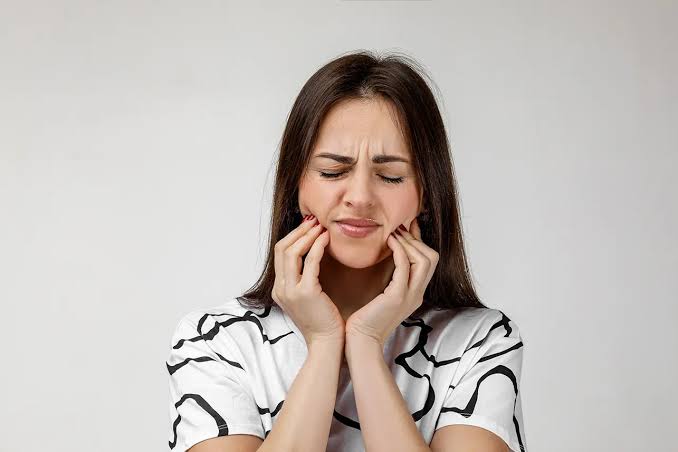
Why Is My Jaw Locking? A jaw that suddenly won’t open or close all the way is unsettling, especially the first time it happens. Most of the time, it’s uncomfortable rather than dangerous, but it still deserves a proper explanation.
The temporomandibular joint, or TMJ, connects your jawbone to your skull and relies on a small cartilage disc to move smoothly.
Why Is My Jaw Locking?
Jaw locking is most often caused by TMJ disorder, where the joint’s disc shifts out of position, muscles clench or spasm from stress and grinding, or cartilage wears down over time. Rarely, sudden severe locking with body-wide muscle stiffness can signal tetanus, which needs emergency care.
TMJ-related lockjaw and tetanus-related lockjaw can look similar on the surface but have completely different causes and treatments.
Most jaw locking people experience is linked to TMJ disorder rather than tetanus, which is now uncommon thanks to vaccination.
What the TMJ Actually Does
The temporomandibular joints sit on each side of your jaw, working like hinges that let you speak, chew, and yawn.
A small disc inside the joint helps the bones glide smoothly against each other during normal movement.
When that disc shifts out of place or the surrounding cartilage becomes damaged, the joint can lock rather than move freely.
Open Lock vs Closed Lock
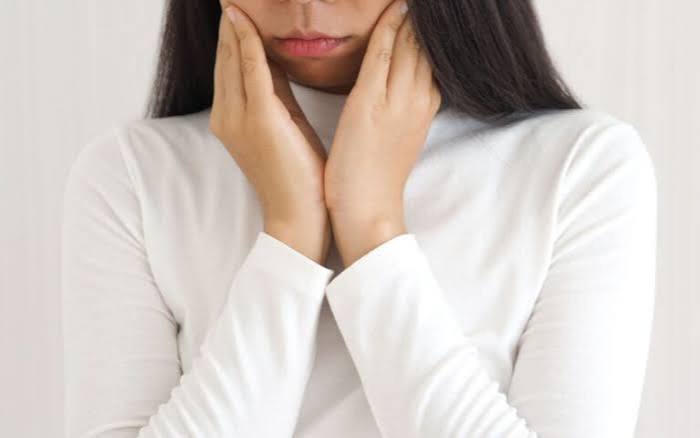
Closed Lock
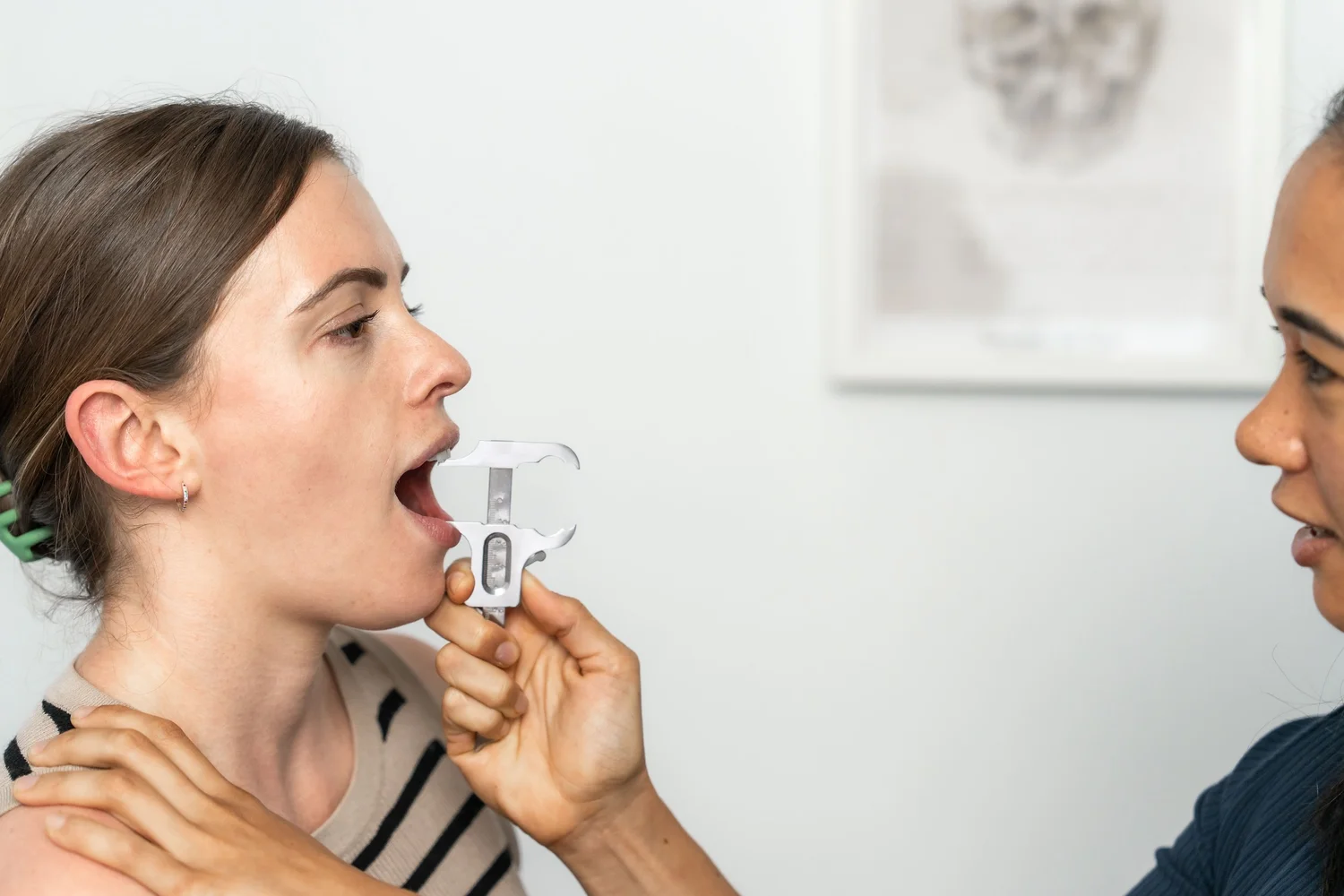
Closed lock means your mouth gets stuck in a nearly closed position, often unable to open wide enough to fit two fingers between your teeth.
Open Lock
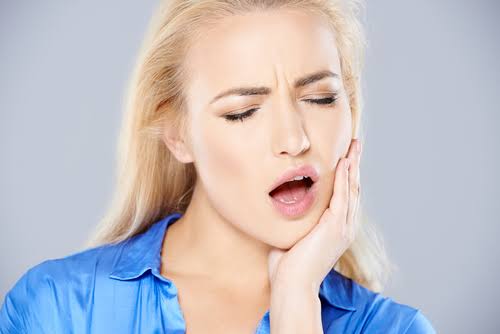
Open lock is less common and means your mouth cannot fully close, leaving your teeth unable to come together properly.
Common Causes of Jaw Locking
Disc Displacement
The small disc inside the TMJ can shift out of its normal position, physically blocking smooth movement of the joint.
Bruxism and Teeth Grinding
Clenching or grinding your teeth, often during sleep without realizing it, puts repeated strain on the jaw joint and surrounding muscles.
Stress and Muscle Tension
Anxiety and stress commonly increase jaw clenching, which strains the muscles around the TMJ and can trigger locking episodes.
Osteoarthritis
Like knees or hips, the TMJ can develop osteoarthritis as protective cartilage gradually wears down over time.
Jaw Injury or Trauma
A direct blow to the jaw, or trauma from an accident, can cause swelling and misalignment that leads directly to locking.
Inflammatory Arthritis
Conditions like rheumatoid arthritis can damage joint cartilage, contributing to clicking, popping, and eventual jaw locking.
TMJ Lockjaw vs Tetanus Lockjaw
| Feature | TMJ Lockjaw | Tetanus Lockjaw |
|---|---|---|
| Cause | Joint or muscle problem | Bacterial infection |
| Onset | Gradual, often recurring | Sudden, worsening rapidly |
| Other symptoms | Clicking, jaw pain, limited opening | Body-wide muscle spasms, fever |
| Urgency | Usually not an emergency | Medical emergency |
| Common now? | Yes, very common | Rare, due to vaccination |
Warning Signs Before Full Locking
- Clicking or popping when opening or closing your mouth.
- Asymmetrical mouth opening, moving more to one side than the other.
- Jaw tightness or soreness that builds gradually before a lock occurs.
- Difficulty chewing certain foods without discomfort.
What to Do When Your Jaw Locks
- Stay calm. Anxiety increases muscle tension, which can make locking feel worse than it is.
- Apply a warm compress to the sides of your face for 15 to 20 minutes to help relax jaw muscles.
- Try gentle jaw movements, placing your palms on either side of your jaw and slowly attempting side-to-side motion.
- Avoid forcing your jaw open. Applying strong pressure can cause further injury to the joint.
- Call a provider if the lock doesn’t resolve on its own or keeps recurring.
First-Line Treatments for TMJ Jaw Locking
- Resting the jaw with a soft-food diet for a few days.
- Alternating heat and ice to reduce pain and swelling.
- Taking over-the-counter NSAIDs as appropriate for pain relief.
- Performing gentle, guided jaw stretching exercises.
- Wearing a night guard to reduce nighttime grinding damage.
- Practicing stress-reduction techniques to ease muscle clenching.
When Jaw Locking Is a Medical Emergency
Severe, sudden jaw stiffness combined with body-wide muscle spasms, fever, or difficulty swallowing needs immediate emergency care, since this pattern can indicate tetanus.
Recent dental surgery, a deep wound, or an outdated tetanus vaccination alongside these symptoms raises this concern further.
TMJ-related locking, while uncomfortable, does not typically involve fever or spreading full-body muscle spasms.
When to See a Dentist or TMJ Specialist
Frequent locking episodes, locking that doesn’t resolve within a reasonable time, or jaw pain that interferes with eating or speaking all warrant a professional evaluation.
A comprehensive dental exam can determine the underlying cause and guide treatment before the problem becomes chronic.
Early diagnosis often makes the difference between a manageable, temporary issue and long-term, chronic TMJ pain.
Key Takeaways
- Jaw locking is most often linked to TMJ disorder, not tetanus, which is now rare.
- Closed lock is more common than open lock and involves a mouth stuck nearly shut.
- Bruxism, stress, disc displacement, and arthritis are the leading causes of TMJ-related locking.
- Warm compresses, gentle movement, and avoiding force are the safest first steps at home.
- Fever and body-wide muscle spasms alongside jaw locking need emergency medical attention.
Frequently Asked Questions (FAQs)
Why does my jaw suddenly lock when I open my mouth wide?
This usually happens when the small disc inside the TMJ shifts out of position, physically blocking smooth joint movement.
Is jaw locking always related to TMJ disorder?
Most cases are TMJ-related, though rare instances involve tetanus, which requires very different, emergency treatment.
What is the difference between open lock and closed lock?
Closed lock means the mouth is stuck nearly shut, while open lock means the mouth cannot fully close.
Can stress really cause my jaw to lock?
Yes, stress commonly increases jaw clenching and muscle tension, which can directly trigger TMJ-related locking episodes.
Should I try to force my jaw open if it locks?
No, applying strong force can cause further joint injury; gentle movement and warm compresses are safer first steps.
How long does a typical TMJ jaw lock episode last?
Acute TMJ-related locking flare-ups typically last from a few minutes to a few hours, though this varies by cause and severity.
Can teeth grinding at night cause jaw locking?
Yes, bruxism puts repeated stress on the jaw joint and muscles, often without the person realizing it’s happening during sleep.
When is jaw locking a medical emergency?
Jaw locking combined with fever, difficulty swallowing, or body-wide muscle spasms needs immediate emergency care, as this may indicate tetanus.
Does a night guard actually help with jaw locking?
Yes, a night guard reduces the impact of nighttime teeth grinding, which is a common contributor to TMJ locking episodes.
Can jaw injuries cause locking even years later?
Yes, past trauma can lead to lasting misalignment or cartilage damage that contributes to locking well after the initial injury.
Is jaw locking linked to arthritis?
Yes, both osteoarthritis and inflammatory arthritis like rheumatoid arthritis can damage TMJ cartilage and contribute to locking.
Should I see a dentist or a doctor for jaw locking?
A dentist or TMJ specialist is typically the right starting point, since they can properly diagnose joint-related causes.
Can jaw locking go away on its own without treatment?
Mild, occasional locking sometimes improves with home care, but frequent or worsening episodes generally need professional evaluation.
Conclusion
Why is my jaw locking almost always comes down to TMJ disorder, whether from disc displacement, grinding, stress, or joint wear over time.
Gentle home care like warm compresses and rest resolves many mild episodes, but recurring or worsening locking deserves a proper dental evaluation.
Watch closely for fever or body-wide muscle spasms alongside jaw locking, since that combination is rare but genuinely urgent.