Why Is My Earwax Wet? Causes, Genetics & When to Worry 2026

In most cases, wet earwax is completely normal and simply comes down to genetics. It’s one of two natural earwax types your body can produce.
If you’re asking why is my earwax wet, the short answer is usually a single gene, not a health problem.
Why Is My Earwax Wet
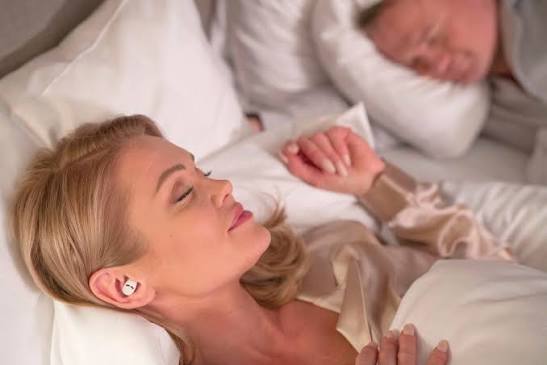
Wet earwax is caused by a gene called ABCC11, which controls how your ear glands secrete cerumen. It’s the dominant, most common earwax type worldwide.
Wet earwax is only a concern if it’s paired with pain, odor, discharge color changes, or hearing loss.
What Is Earwax and Why Does It Exist
Earwax, or cerumen, is made by glands inside your ear canal. It’s not actually a true wax at all.
It’s a mix of dead skin cells, hair, and secretions from two gland types working together. Earwax protects your ear canal from dust, bacteria, and insects.
Sebaceous Glands
These glands sit near tiny hair follicles inside the ear. They release an oily substance called sebum that keeps the ear canal from drying out.
Ceruminous Glands
These are modified sweat glands. They secrete antimicrobial proteins that help defend your ear against germs.
Wet Earwax vs Dry Earwax
There are two recognized earwax types, and which one you have is determined entirely by genetics. Neither type is unhealthy.
| Feature | Wet Earwax | Dry Earwax |
|---|---|---|
| Texture | Soft and sticky | Flaky and brittle |
| Color | Yellow, honey, or brown | Gray or tan |
| Genetics | Dominant trait | Recessive trait |
| Common in | European and African ancestry | East Asian ancestry |
| Removal | Naturally clears with jaw movement | Naturally clears with jaw movement |
The Real Reason Your Earwax Is Wet: Genetics
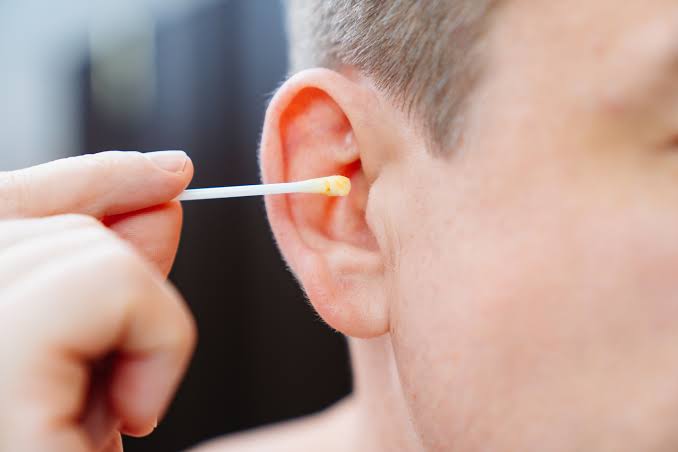
The type of earwax you produce is controlled by a single gene called ABCC11. Researchers identified this connection in a landmark 2006 study published in Nature Genetics.
A specific variant at a location called rs17822931 determines your earwax type. The G version of this gene produces wet earwax, while the A version produces dry earwax.
The Wet Earwax Allele Is Dominant
If even one parent passes down the wet-earwax version of ABCC11, you’ll likely have wet earwax yourself. This is why the trait runs so strongly in families.
Roughly 97% or more of people with European or African ancestry carry this dominant version.
The Dry Earwax Allele Is Recessive and Regional
Dry earwax requires two copies of the recessive gene variant to appear. Research shows this version is heavily concentrated in East Asian populations, affecting an estimated 80–95% of that group.
Scientists believe this variant originated in northeast Asia and later spread outward through human migration.
It’s Linked to More Than Just Your Ears
The same ABCC11 gene also influences body odor through the apocrine sweat glands. People with wet earwax are statistically more likely to have noticeable underarm odor, a connection researchers have documented for decades.
This doesn’t mean anything is wrong. It’s simply how this particular gene works throughout the body.
Other Reasons Your Ears Might Feel Wet
Genetics explains your earwax type, but it doesn’t always explain a sudden wet sensation. A few everyday factors can make wet earwax feel more noticeable.
Fresh Earwax Production
Earwax starts out thin, clear, and watery when first produced. It only thickens and darkens over time as it moves through the ear canal.
If you clean your ears often, you may keep noticing this fresher, wetter wax.
Heat, Sweat, or Showers
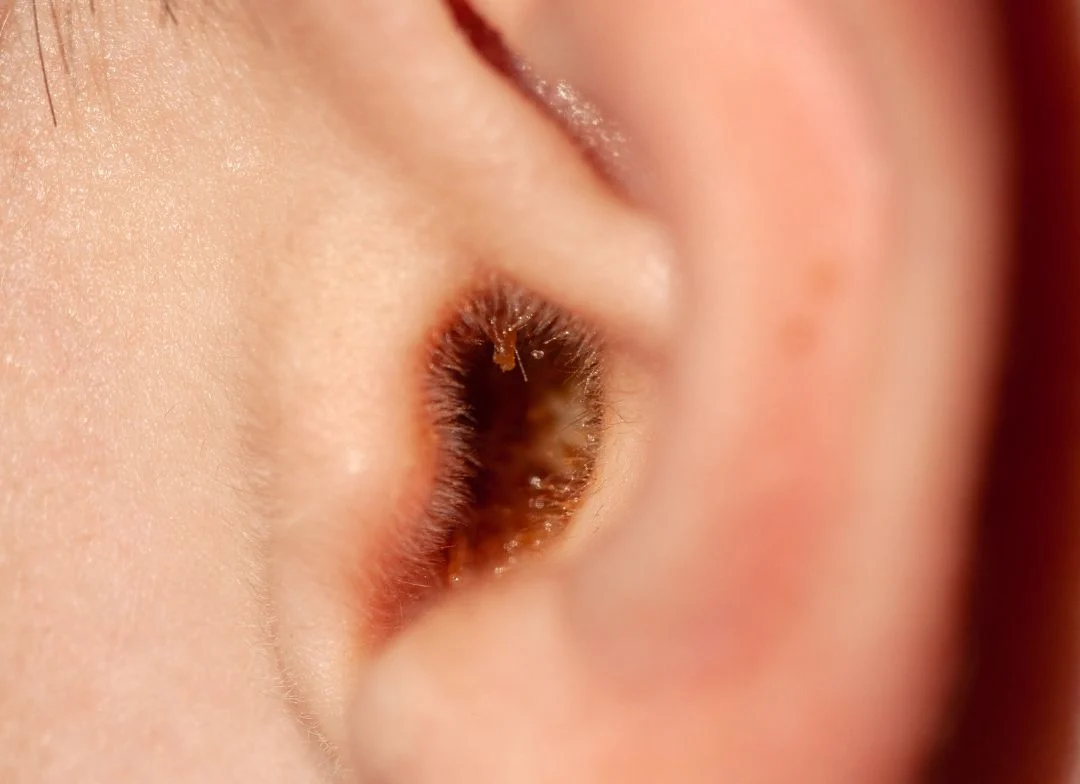
Warmth can soften earwax and make it feel more liquid than usual. Sweating during exercise or standing in a hot shower are common triggers.
This is a temporary texture change, not a new health issue.
Earbuds or Hearing Aids
Devices that sit in your ear canal can trap moisture and block normal airflow. This buildup can create a persistent wet feeling, especially with frequent daily use.
Giving your ears breaks from these devices can help reduce the sensation.
Earwax Buildup or Blockage
When wax accumulates instead of clearing naturally, it can trap moisture against the eardrum. Wet-type earwax is somewhat more prone to this kind of buildup than dry-type earwax.
A blocked ear may also feel full, itchy, or slightly muffled.
When Wet Earwax Could Signal an Infection
Not all ear wetness is harmless. Certain patterns point toward infection instead of ordinary cerumen.
Watch for These Warning Signs
- Foul or unusual smell, like cheese, fish, or vinegar
- Pale, watery discharge rather than typical yellow-brown wax
- Ear pain, itching, or a feeling of pressure
- Redness or swelling around the ear canal
- Sudden hearing changes or ringing
Watery Earwax vs Wet Earwax
These two terms are often confused, but they aren’t the same thing. Wet earwax is your natural genetic type, while watery earwax usually means water has mixed with the wax, often from swimming or showering.
Watery earwax on its own usually isn’t a concern. Combined with pain or discharge, it may point to swimmer’s ear or an outer ear infection.
Otitis Externa (Swimmer’s Ear)
This is an infection of the outer ear canal, often triggered by trapped moisture. It typically causes redness, pain, and fluid discharge, unlike ordinary earwax.
It generally requires treatment from a healthcare provider rather than home care.
How to Care for Wet Earwax Safely
Ears are largely self-cleaning, so aggressive cleaning often causes more harm than good. A few simple habits are usually all that’s needed.
- Let jaw movement from chewing and talking do the natural cleaning work
- Wipe visible excess wax from the outer ear with a warm, damp washcloth
- Avoid inserting cotton swabs or other objects into the ear canal
- Take earbuds or hearing aids out for a few hours daily when possible
- See a doctor for buildup instead of using ear candling, which isn’t proven effective
Should You See a Doctor About Wet Earwax
Wet earwax alone rarely needs medical attention. It becomes worth a visit when it’s paired with other symptoms.
Book an appointment if you notice pain, a bad smell, unusual discharge color, hearing loss, or a blockage that doesn’t clear on its own. A healthcare provider can safely remove impacted wax and rule out infection.
Frequently Asked Questions (FAQs)
Why is my earwax wet all of a sudden?
It’s often just fresh wax production, heat, sweat, or moisture from a shower or swim. If it comes with pain or smell, it could indicate infection.
Is wet earwax a sign of poor hygiene?
No. Wet earwax is a genetic trait determined by the ABCC11 gene, not a result of hygiene habits.
What ethnicity has wet earwax?
People of European and African ancestry are most likely to have wet earwax, since the trait is dominant in those populations.
Can earwax type change over time?
No, your earwax type is fixed by genetics from birth and doesn’t change with age or lifestyle.
Is wet earwax more likely to cause blockages?
Yes, wet-type earwax is somewhat more prone to buildup and blockage than dry-type earwax, though both types are normal.
Does wet earwax mean I’ll have body odor?
Research shows a genetic link between wet earwax and stronger underarm odor, since both are controlled by the ABCC11 gene, but it varies by individual.
How can I tell if my earwax is infected?
Look for foul smell, pale or unusual discharge color, pain, redness, or hearing changes. Normal wet earwax is yellow-brown without these symptoms.
Why do my ears feel wet in the morning?
Earwax continues forming overnight, so mornings often bring fresher, more liquid wax before it has thickened.
Is it safe to use cotton swabs on wet earwax?
No, cotton swabs often push wax deeper into the canal and can cause blockages or injury. A warm washcloth on the outer ear is safer.
Can hearing aids cause wet ears?
Yes, hearing aids and earbuds can trap moisture in the ear canal, creating a wetter feeling than usual.
What’s the difference between wet earwax and ear discharge?
Wet earwax is typically yellow-brown and odorless, while discharge from infection is often pale, watery, foul-smelling, or accompanied by pain.
Does swimming affect wet earwax?
Yes, water can mix with earwax and make it feel more watery, which is different from your natural genetic earwax type.
Can children have wet earwax too?
Yes, children inherit earwax type the same way adults do, through the ABCC11 gene passed down from their parents.
Is dry earwax healthier than wet earwax?
Neither type is healthier. They’re simply different genetic variants, though dry earwax is somewhat less prone to blockage.
When should I worry about wet earwax?
Worry only if it’s paired with pain, odor, discharge color changes, or sudden hearing loss, not from wetness alone.
Conclusion
For most people, the answer to why is my earwax wet comes down to a single inherited gene rather than anything to worry about. Wet earwax is the most common type worldwide and does its job protecting your ears every day.
Pay attention to accompanying symptoms like pain, smell, or discharge rather than wetness on its own. If anything feels off beyond normal earwax, a healthcare provider can quickly check for infection or blockage.