Why Is My Dryer Not Spinning? Causes & Fixes 2026
A dryer that hums but won’t tumble, or stays completely silent, can throw off your entire laundry day. If you’re asking why is my dryer not spinning, the cause is usually mechanical rather than something seriously wrong with the whole machine.
Dryers that are used according to normal guidelines don’t typically fail without warning. A specific part usually wears out, breaks, or gets blocked, and that single issue stops the whole drum from turning.
Why Is My Dryer Not Spinning?
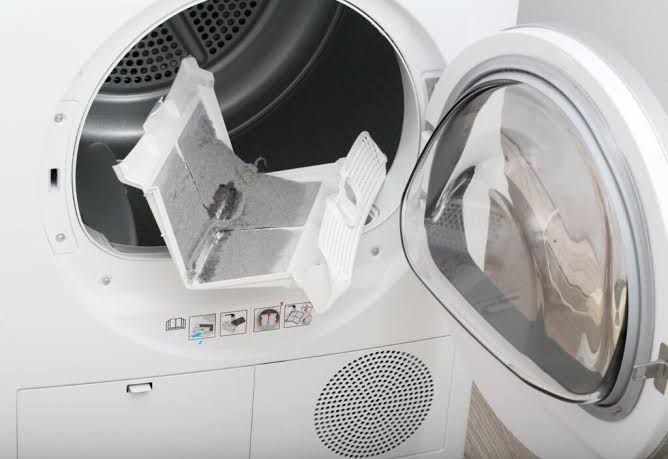
A dryer not spinning is most often caused by a broken drive belt, worn drum rollers, a tripped thermal fuse, or a power issue like a tripped breaker. Whether the motor is running or silent when you start a cycle is the fastest clue to narrowing down the cause.
If the dryer runs but the drum doesn’t move, the belt or rollers are the most likely culprits. If nothing happens at all, check power first, then the door latch and thermal fuse.
First Steps: Diagnose Before You Troubleshoot
Before checking individual parts, gather a few quick observations. These details point you toward the right section below instead of guessing randomly.
- Does the dryer make any sound at all when you start it?
- Do you hear humming or a motor running, but the drum stays still?
- Does the drum feel stiff or hard to turn when you rotate it by hand?
- Is there a burning or musty smell coming from the dryer?
- Did the dryer stop mid-cycle, or does it fail to start entirely?
Common Causes of a Dryer Not Spinning
Each of these issues has a distinct symptom pattern, which helps you figure out which one applies to your dryer.
Broken or Worn Drive Belt
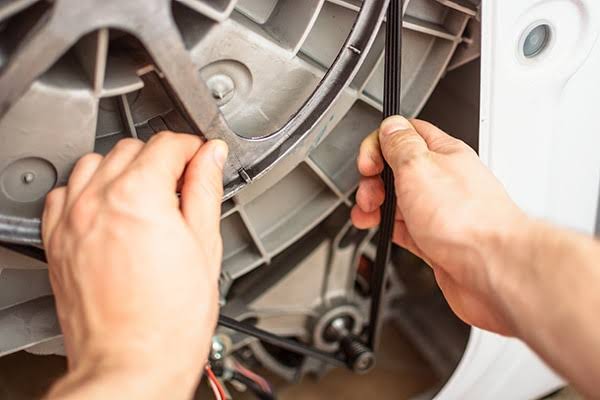
The drive belt wraps around the drum and connects it to the motor pulley. Over time, this belt can stretch, fray, or snap completely.
If you hear the motor humming but the drum doesn’t move, a broken belt is one of the most likely causes. This repair typically requires opening the dryer cabinet and is often best handled by a professional.
Worn Drum Rollers or Roller Axles
Most dryers use two to four support rollers that let the drum spin smoothly. When these rollers wear out or their axles wobble, the drum can bind or stop moving altogether.
Squealing noises or a drum that doesn’t spin freely by hand are common signs. Rollers should generally be replaced as a set to keep the drum balanced.
Worn Drum Bearing
The drum bearing supports the back of the drum as it rotates. A worn bearing often causes grinding noises along with resistance when you try to turn the drum by hand.
This is a common cause of a dryer that runs but struggles to spin smoothly, especially in older machines.
Worn Drum Glides
Drum glides are small plastic pieces that support the front of the drum as it rotates. When these wear down or go missing, the drum can bind, straining the motor and sometimes causing it to shut down.
You can typically spot worn glides by opening the dryer door and checking near the front rim of the drum.
Tripped Circuit Breaker or Power Issue
If the dryer won’t turn on at all, power is the first thing to check. Electric dryers typically require two 120-volt breakers or a single 240V breaker to run both the motor and heating element.
Confirm the dryer is plugged in, the outlet works, and no breakers have tripped before assuming a bigger mechanical problem.
Broken or Unlatched Door Switch
Dryers are designed not to spin unless the door is securely closed and latched. If the latch mechanism is damaged, the control board can’t register the door as closed, and the dryer won’t start.
A dryer door that pops open on its own or won’t latch properly usually points to this issue.
Blown Thermal Fuse
If the thermal fuse has blown, most dryers won’t run at all, and the drum light may also be off. This fuse is a safety feature designed to stop the dryer if it overheats.
A blown thermal fuse is often linked to a clogged exhaust vent restricting airflow. Clearing the vent is important, since simply replacing the fuse without fixing the root cause can cause it to blow again.
Failing Drive Motor
The drive motor powers both the pulley and the belt that rotates the drum. A dryer that stops mid-cycle, makes loud noises, or doesn’t start at all may be experiencing motor failure.
Motor replacement is generally a job for a qualified repair technician rather than a DIY fix.
Faulty Start Switch or Control Board
If the start switch doesn’t engage properly, or the control board isn’t sending power correctly, the dryer may fail to run even though everything else checks out. These issues often require professional diagnosis to confirm.
Excess Lint or Debris Buildup
A buildup of lint or debris inside the dryer cabinet can interfere with drum movement and contribute to overheating. A musty or burning smell, or a dryer that stops mid-cycle, can be signs of this issue.
Dryer Not Spinning: Symptom-to-Cause Quick Reference
Matching your dryer’s behavior to the table below can help narrow down the likely cause before you start troubleshooting.
| Symptom | Likely Cause |
|---|---|
| Motor hums, drum doesn’t move | Broken drive belt |
| Squealing noise, drum spins with resistance | Worn rollers or roller axles |
| Grinding noise, drum hard to turn | Worn drum bearing |
| Drum binds near the front | Worn drum glides |
| No power at all, light off | Tripped breaker or blown thermal fuse |
| Dryer won’t start, door won’t latch | Broken door switch or latch |
| Stops mid-cycle, burning smell | Lint buildup or clogged vent |
| Completely unresponsive | Faulty start switch or control board |
How to Test the Drum Yourself
A simple hands-on check can help confirm several possible causes.
- Unplug the dryer for safety before opening it.
- Open the door and try rotating the drum by hand.
- Note whether it spins freely, feels stiff, or won’t move at all.
- Listen and feel for grinding, squealing, or resistance during rotation.
- If the drum spins freely by hand but not during a cycle, the issue is more likely electrical or motor-related rather than mechanical.
When to Call a Professional
Some dryer issues are simple to check yourself, but certain problems are safer left to a professional.
- The drive belt or motor needs replacement
- You suspect a wiring issue or control board failure
- The thermal fuse keeps blowing repeatedly
- You’re not comfortable opening the dryer cabinet
- The dryer shows signs of overheating, burning smell, or electrical issues
Continuing to run a dryer that isn’t spinning properly isn’t recommended, since it can cause further damage and won’t dry your clothes effectively.
Mistakes to Avoid
A few habits can make dryer problems worse or lead to unnecessary repairs.
- Manually rotating the drum in the wrong direction, which can knock the belt off entirely
- Ignoring a burning or musty smell instead of investigating it
- Replacing a thermal fuse without checking for a clogged vent first
- Continuing to run a dryer that’s struggling to spin
- Skipping the circuit breaker check before assuming a major mechanical failure
Frequently Asked Questions (FAQs)
Why does my dryer hum but not spin?
This usually points to a broken or slipped drive belt, since the motor is running but not connecting to the drum.
Why won’t my dryer turn on at all?
Check for a tripped breaker, an unplugged cord, a blown thermal fuse, or a door that isn’t fully latched.
Can a clogged vent cause my dryer to stop spinning?
Indirectly, yes. A clogged vent can cause overheating, which may blow the thermal fuse and stop the dryer from running.
How do I know if my dryer belt is broken?
If you hear the motor running but the drum stays still, a broken or slipped belt is the most likely cause.
Why does my dryer make a squealing noise when it spins?
Squealing often points to worn drum rollers or roller axles that need lubrication or replacement.
Can I fix a dryer belt myself?
It’s possible for experienced DIYers, but it typically requires opening the cabinet and is often best left to a professional.
What does it mean if my dryer drum won’t turn by hand?
This may indicate a seized bearing, blocked blower, or serious mechanical obstruction that needs inspection.
Why did my dryer stop working mid-cycle?
This can be caused by an overheating motor, a blown thermal fuse, or a clogged vent restricting airflow.
Is it safe to keep using a dryer that isn’t spinning properly?
No, continuing to run it can cause further damage and won’t dry your clothes effectively.
Can a broken door latch stop my dryer from spinning?
Yes, most dryers won’t start unless the door is securely closed and the latch is functioning properly.
How much does it cost to fix a dryer that won’t spin?
Costs vary widely depending on the part needed, and a professional diagnosis can confirm the exact repair required.
Why does my dryer smell like burning?
This can indicate lint buildup, an overheating motor, or an electrical issue, and should be checked promptly.
Can worn drum rollers cause my dryer to stop completely?
Yes, severely worn rollers can cause enough resistance to strain and stall the motor.
Should I replace all the rollers at once if one is worn?
Yes, replacing rollers as a set helps keep the drum balanced and prevents uneven wear.
Why is my dryer drum hard to turn by hand?
This often points to a worn bearing, damaged glides, or a mechanical obstruction inside the drum assembly.
Can a power surge cause my dryer to stop spinning?
Yes, power surges can trip breakers or damage electrical components, preventing the dryer from starting.
What is a thermal fuse, and why does it matter?
It’s a safety component that stops the dryer from running if it overheats, often due to restricted airflow.
Why does my dryer only work sometimes?
Intermittent issues can point to a failing start switch, loose wiring, or an inconsistent thermal fuse connection.
Can I test my dryer’s motor myself?
You can check if it hums or runs, but full motor testing and replacement is generally best handled by a professional.
When should I stop troubleshooting and call a repair technician?
If the issue involves the belt, motor, control board, or repeated thermal fuse failures, professional repair is recommended.
Conclusion
A dryer not spinning usually comes down to a specific worn or broken part, like a drive belt, rollers, bearing, or thermal fuse, rather than the entire unit failing. Paying attention to sounds, smells, and whether the motor runs at all helps you narrow down the cause quickly.
Simple issues like a tripped breaker or unlatched door can often be fixed immediately. More involved repairs, like a broken belt or failing motor, are usually best handled by a professional to avoid further damage.