Why Is Mounjaro Better Than Ozempic? Full Comparison 2026
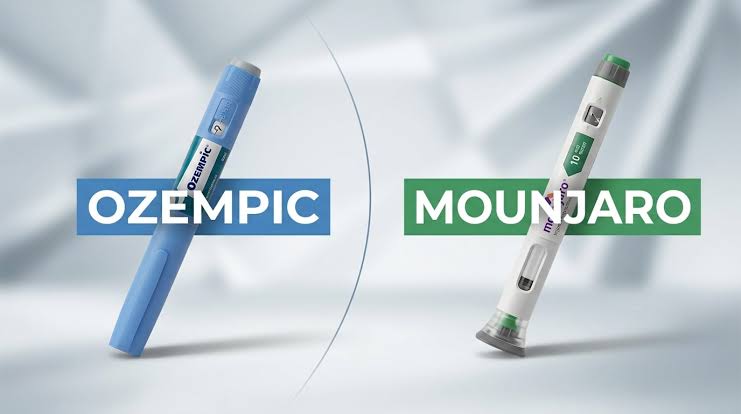
Why is Mounjaro better than Ozempic is one of the most searched questions among people managing type 2 diabetes or trying to lose weight in 2026.
Both drugs belong to the GLP-1 receptor agonist family, but they are not identical. Mounjaro (tirzepatide) works on two hormone receptors, while Ozempic (semaglutide) works on only one.
This difference shows up clearly in weight loss results, blood sugar control, and patient response rates.
What Is Mounjaro?
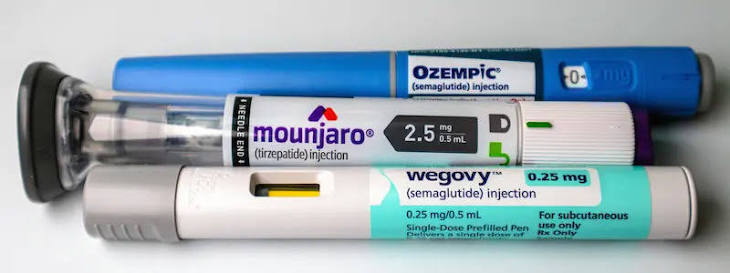
Mounjaro is the brand name for tirzepatide, made by Eli Lilly. It is FDA-approved for type 2 diabetes and is injected once a week.
Its weight-loss version, sold as Zepbound, uses the same active ingredient at similar doses. Mounjaro is known for its dual-hormone action.
What Is Ozempic?
Ozempic is the brand name for semaglutide, made by Novo Nordisk. It is also FDA-approved for type 2 diabetes as a once-weekly injection.
Its weight-loss version is sold as Wegovy. Ozempic has been on the market longer and has a well-established safety record.
Mounjaro vs Ozempic: Quick Comparison Table
Here is a side-by-side snapshot of the two medications before we go deeper into each category.
| Feature | Mounjaro (Tirzepatide) | Ozempic (Semaglutide) |
|---|---|---|
| Manufacturer | Eli Lilly | Novo Nordisk |
| Drug class | Dual GIP/GLP-1 receptor agonist | GLP-1 receptor agonist |
| FDA approval | Type 2 diabetes | Type 2 diabetes |
| Weight-loss brand | Zepbound | Wegovy |
| Dosing frequency | Once weekly | Once weekly |
| Avg. weight loss (trials) | Up to ~22.5% | Up to ~15–16% |
| Avg. A1C reduction | 2.0% to 2.3% | 1.9% |
| Cardiovascular risk reduction approval | Not yet approved | Approved |
| List price (28-day fill) | Around $1,112 | Around $1,027 |
How Do Mounjaro and Ozempic Work?
Ozempic mimics the GLP-1 hormone only. It increases insulin release, slows stomach emptying, and reduces appetite.
Mounjaro mimics both GLP-1 and GIP hormones. This dual mechanism is the main reason Mounjaro often produces stronger appetite control and metabolic effects.
Mounjaro vs Ozempic: Weight Loss Results
In the SURPASS-2 head-to-head trial, Mounjaro users lost noticeably more weight than Ozempic users over 40 weeks. Higher tirzepatide doses showed the biggest gap.
Real-world data published in JAMA Internal Medicine also found that Mounjaro patients were about twice as likely to lose 10% or more of their body weight compared to Ozempic patients.
| Study Data Point | Mounjaro | Ozempic |
|---|---|---|
| Average weight lost (SURPASS-2) | 16–25 lbs | ~13 lbs |
| Body weight reduction (max dose trials) | Up to 22.5% | Up to 15–16% |
| Patients losing 15%+ body weight | More than 1 in 3 | Less than 1 in 10 |
| Real-world weight loss likelihood | 2x more likely to hit 10%+ | Baseline comparison |
Mounjaro vs Ozempic: Blood Sugar (A1C) Control
A1C measures average blood sugar over three months, and it is a key marker for diabetes management. Mounjaro consistently edges out Ozempic here too.
In SURPASS-2, all three Mounjaro doses reduced A1C by 2.01% to 2.30%, compared with a 1.86% to 1.9% reduction for the standard Ozempic dose.
Why Is Mounjaro Better Than Ozempic? Key Reasons
Below are the core reasons clinicians and patients often say Mounjaro edges out Ozempic in performance.
Dual-Action Mechanism
Mounjaro activates both GIP and GLP-1 receptors, giving it a broader metabolic effect. Ozempic only targets GLP-1, which limits its range of action.
Greater Weight Loss
Across multiple trials and real-world studies, tirzepatide users lose more total body weight than semaglutide users. The gap widens the longer patients stay on treatment.
Better A1C Reduction
Mounjaro lowers blood sugar levels more effectively at comparable doses. This makes it a stronger option for people focused on tighter glucose control.
Higher Response Rate
More Mounjaro patients reach major weight-loss milestones like 10% or 15% body weight reduction. Fewer Ozempic patients hit these same benchmarks.
Newer Formulation, Ongoing Research
Mounjaro is newer and researchers are actively studying its cardiovascular and kidney benefits. Early data looks promising, though it is not yet FDA-approved for these uses.
Where Ozempic Still Has an Edge
Mounjaro is not superior in every category, so it is fair to note where Ozempic holds an advantage.
Ozempic is FDA-approved to lower cardiovascular event risk and slow kidney disease progression in type 2 diabetes patients. Mounjaro does not yet carry this approval, though trials are underway.
Ozempic also has a longer real-world track record since it reached the market earlier than Mounjaro.
Side Effects: Mounjaro vs Ozempic
Both drugs cause similar gastrointestinal side effects, especially during the first few weeks of treatment or after a dose increase.
Nausea, vomiting, diarrhea, constipation, and stomach discomfort are the most commonly reported issues for both medications.
| Side Effect | Mounjaro | Ozempic |
|---|---|---|
| Nausea | Common, slightly lower at some doses | Common |
| Diarrhea | Common | Common, slightly less frequent |
| Vomiting | Common | Common |
| Constipation | Common | Common |
| Discontinuation due to GI issues | Slightly higher | Slightly lower |
| Thyroid tumor warning (boxed warning) | Yes | Yes |
| Pancreatitis risk | Yes | Yes |
| Gallbladder issues | Yes | Yes |
Most side effects improve within four to eight weeks as the body adjusts. Slow dose titration helps reduce discomfort for both drugs.
Mounjaro vs Ozempic: Cost Comparison 2026
Pricing is one of the biggest deciding factors for patients without full insurance coverage. Both manufacturers offer savings cards and self-pay programs.
| Cost Factor | Mounjaro | Ozempic |
|---|---|---|
| List price (28-day supply) | ~$1,112.16 | ~$1,027.51 |
| Self-pay starting dose (with savings program) | Varies by savings card eligibility | ~$349/month (0.25–1 mg) |
| Self-pay higher dose | Varies by savings card eligibility | ~$499/month (2 mg) |
| Introductory offer | Manufacturer savings card for eligible patients | ~$199/month for first two months on starting doses |
| Insurance coverage | Depends on plan and diagnosis | Depends on plan and diagnosis |
Prices change frequently and depend on insurance status, pharmacy, and manufacturer promotions, so always confirm current pricing directly with the manufacturer or your pharmacy.
FDA Approvals and Uses
Both Mounjaro and Ozempic are FDA-approved only for type 2 diabetes, not for weight loss directly. Their weight-loss counterparts are Zepbound and Wegovy.
Using either drug for weight loss without a diabetes diagnosis is considered off-label, though it remains a common practice under physician supervision.
Who Should Choose Mounjaro?
Mounjaro may suit people who want the strongest possible weight loss results and better blood sugar control from a single medication.
It may also fit patients who have not achieved their goals on Ozempic or other GLP-1 medications.
Who Should Choose Ozempic?
Ozempic may be the better fit for people who also need cardiovascular risk reduction, since it carries that specific FDA approval.
It also suits patients who prefer a medication with a longer history of real-world safety data.
Can You Switch From Ozempic to Mounjaro?
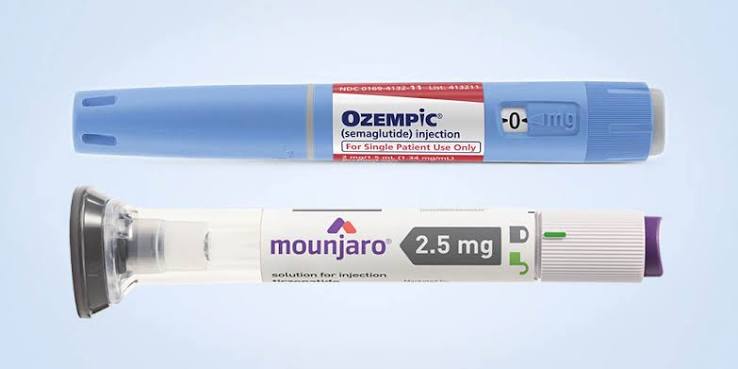
Yes, many patients switch under a doctor’s supervision, especially after hitting a weight-loss plateau. Your doctor will usually restart you at a lower Mounjaro dose.
Combining both drugs at the same time is not recommended due to overlapping side effects and no proven added benefit.
Mounjaro and Ozempic Dosing Schedules
Both drugs use a slow titration schedule to reduce stomach-related side effects. You start low and increase every four weeks.
Mounjaro starts at 2.5 mg weekly and can go up to 15 mg. Ozempic starts at 0.25 mg weekly and can go up to 2 mg.
| Dosing Stage | Mounjaro | Ozempic |
|---|---|---|
| Starting dose | 2.5 mg/week | 0.25 mg/week |
| Common maintenance dose | 5–10 mg/week | 1 mg/week |
| Maximum dose | 15 mg/week | 2 mg/week |
| Titration interval | Every 4 weeks | Every 4 weeks |
Never adjust your dose on your own. Dose changes should always be guided by your prescribing doctor based on tolerance and results.
Mechanism of Action Explained in Detail
GLP-1 is a gut hormone released after eating. It tells your brain you are full and helps your pancreas release insulin at the right time.
GIP is a second gut hormone that also affects insulin release and fat metabolism. Mounjaro is unique because it activates both receptors at once.
This dual-receptor activation is believed to create a stronger, more consistent signal for fullness and blood sugar regulation. Ozempic relies on GLP-1 alone, which still works well but produces a narrower effect.
Researchers first studied GIP mainly for its role in insulin release, but newer data shows it may also improve how the body processes and stores fat. Combining it with GLP-1 appears to produce effects greater than either hormone pathway alone, which is the core scientific reasoning behind Mounjaro’s stronger average results.
Long-Term Effectiveness: Does the Gap Widen Over Time?
Some studies suggest the weight-loss gap between Mounjaro and Ozempic grows the longer patients stay on treatment. This means the difference may become more noticeable after six months to a year.
Researchers believe this happens because tirzepatide’s dual mechanism keeps working on appetite and metabolism even as the body adjusts to treatment. Ozempic’s single-receptor effect may plateau sooner for some patients.
Long-term data is still being collected, especially regarding weight maintenance after stopping either medication.
Who Should Avoid Mounjaro or Ozempic?
Neither drug is right for everyone. Both carry a boxed warning about thyroid C-cell tumors seen in animal studies.
People with a personal or family history of medullary thyroid cancer should avoid both medications. The same applies to anyone with Multiple Endocrine Neoplasia syndrome type 2.
Pregnant or breastfeeding individuals, people with a history of pancreatitis, and those with severe gastrointestinal disease should also discuss risks carefully with a doctor before starting either drug.
Monitoring While on Mounjaro or Ozempic
Regular follow-up appointments help track how your body responds to treatment. Your doctor will likely check your A1C, weight, and any side effects at each visit.
Blood sugar monitoring is especially important if you also take insulin or other diabetes medications, since combining drugs can increase the risk of low blood sugar.
Report severe abdominal pain, persistent vomiting, or a lump in your neck to your doctor right away, since these can signal rare but serious complications.
Lifestyle Factors That Affect Results
Neither Mounjaro nor Ozempic works in isolation. Clinical trial results are strongest when paired with a reduced-calorie diet and regular physical activity.
Sleep quality, stress levels, and consistency with the weekly injection schedule can also influence how much weight you lose and how stable your blood sugar stays.
Skipping doses or stopping treatment abruptly often leads to weight regain and rising blood sugar levels over time.
Beware of Compounded and Counterfeit Versions
Due to high demand, compounded and counterfeit versions of tirzepatide and semaglutide have appeared online. The FDA has issued repeated warnings about these unapproved products.
Compounded versions are not FDA-approved, and their ingredients, dosing accuracy, and sterility are not guaranteed the same way brand-name Mounjaro or Ozempic are.
Always get these medications through a licensed pharmacy with a valid prescription to avoid counterfeit or contaminated products.
Mounjaro vs Ozempic vs Zepbound vs Wegovy
These four brand names often cause confusion because they involve only two active ingredients. Understanding the pairing makes the comparison much clearer.
| Brand Name | Active Ingredient | Approved Use |
|---|---|---|
| Mounjaro | Tirzepatide | Type 2 diabetes |
| Zepbound | Tirzepatide | Chronic weight management |
| Ozempic | Semaglutide | Type 2 diabetes |
| Wegovy | Semaglutide | Chronic weight management |
If your goal is weight loss without a diabetes diagnosis, your doctor may prescribe Zepbound or Wegovy instead of Mounjaro or Ozempic directly.
Insurance and Prior Authorization Tips
Most insurance plans require prior authorization before covering Mounjaro or Ozempic. This means your doctor must submit documentation proving medical necessity.
A confirmed type 2 diabetes diagnosis, along with A1C levels and prior treatment history, usually strengthens an approval request. Off-label weight-loss requests are approved less consistently.
If your plan denies coverage, ask your provider’s office about an appeal process. Many clinics have staff experienced in handling GLP-1 prior authorizations and appeals.
Manufacturer savings cards can also lower your monthly cost even with commercial insurance, though eligibility rules vary and typically exclude government insurance programs like Medicare and Medicaid.
Patient Experience: What Real Users Report
Beyond clinical trial numbers, real-world patient experiences add useful context to the Mounjaro versus Ozempic decision. Online patient communities frequently discuss appetite suppression, energy levels, and side effect tolerance.
Many Mounjaro users report a stronger and faster reduction in food cravings compared to their prior experience with Ozempic. This lines up with the dual-hormone mechanism discussed earlier.
Some Ozempic users report milder nausea during the first few weeks compared to higher Mounjaro doses. Individual tolerance still varies significantly from person to person.
It is worth remembering that patient forums are not clinical evidence. They should be treated as anecdotal context rather than a substitute for trial data or professional guidance.
How Long Before You See Results?
Most patients notice reduced appetite within the first one to two weeks of starting either medication. Visible weight loss typically becomes noticeable around the one-month mark.
Meaningful A1C improvements are usually measured at the three-month follow-up, since this blood test reflects average blood sugar over that period.
Full weight-loss potential on either drug is generally reached after reaching and maintaining the highest tolerated dose for several months, often around six months to a year.
Common Mistakes to Avoid on Mounjaro or Ozempic
Rushing the dose titration schedule is one of the most common mistakes, since it significantly increases the risk of severe nausea and vomiting.
Not eating enough protein or fiber while appetite is suppressed can lead to muscle loss and nutrient gaps over time. A balanced diet remains important even with strong appetite control.
Stopping the medication suddenly once a weight goal is reached often leads to rebound weight gain, since the underlying appetite and metabolic effects fade once the drug clears the body.
Skipping regular lab work, including A1C and kidney function tests, makes it harder for your doctor to catch problems early and adjust your treatment plan effectively.
Tips for Choosing Between Mounjaro and Ozempic
A few practical questions can help guide the conversation with your doctor before you start treatment.
- Is your main goal weight loss, blood sugar control, or both
- Do you have cardiovascular risk factors that favor Ozempic’s specific approval
- How does your insurance plan cover each medication
- Have you tried a GLP-1 medication before and how did your body respond
- Are you comfortable with a slightly higher chance of GI side effects for potentially greater results
Working through these questions with a licensed provider leads to a more personalized and confident decision.
Frequently Asked Questions (FAQs)
1. Why is Mounjaro better than Ozempic for weight loss?
Mounjaro’s dual GIP/GLP-1 action produces greater average weight loss in clinical trials. Patients also reach major weight-loss milestones more often than with Ozempic.
2. Is Mounjaro more effective than Ozempic for diabetes?
Yes, Mounjaro generally lowers A1C levels more than Ozempic at comparable doses. Both are still effective, but Mounjaro shows a stronger average result.
3. Does Mounjaro have worse side effects than Ozempic?
Side effects are similar, though Mounjaro may cause slightly more gastrointestinal discomfort at higher doses. Most side effects fade within a few weeks.
4. Is Mounjaro more expensive than Ozempic?
Yes, Mounjaro’s list price is typically higher than Ozempic’s. Actual out-of-pocket cost depends on insurance and manufacturer savings programs.
5. Can I switch from Ozempic to Mounjaro?
Yes, switching is common and done under medical supervision. Your doctor will usually start you on a lower Mounjaro dose and adjust gradually.
6. Is Mounjaro FDA-approved for weight loss?
No, Mounjaro is FDA-approved only for type 2 diabetes. Its weight-loss version is sold separately under the brand name Zepbound.
7. Which drug is safer, Mounjaro or Ozempic?
Both carry similar warnings, including thyroid tumor risk and pancreatitis risk. Neither is definitively “safer,” since safety depends on individual health history.
8. How much weight can you lose on Mounjaro vs Ozempic?
Mounjaro users lose up to around 22.5% of body weight in trials, versus up to about 15–16% with Ozempic. Individual results vary widely.
9. Does insurance cover Mounjaro or Ozempic?
Coverage depends on your insurance plan, diagnosis, and prior authorization requirements. Many plans cover these drugs only for confirmed type 2 diabetes.
10. Can I take Mounjaro and Ozempic together?
No, doctors do not recommend combining two GLP-1 medications. This raises the risk of severe side effects without added benefit.
Conclusion
Mounjaro often outperforms Ozempic in head-to-head trials and real-world data, mainly due to its dual GIP/GLP-1 mechanism. It tends to produce greater weight loss, stronger A1C reduction, and higher rates of patients reaching major treatment goals.
Ozempic still holds its own advantages, including FDA-approved cardiovascular risk reduction and a longer safety track record. Side effects between the two are similar, and cost differences are relatively modest once savings programs are applied.
The right choice ultimately depends on your health goals, medical history, and how your body responds to treatment.
Since both medications carry serious warnings and require medical supervision, always consult a licensed healthcare provider before starting, switching, or stopping either Mounjaro or Ozempic. This comparison is for informational purposes only and is not a substitute for professional medical advice.