Why Does My Dog Yawn When I Pet Him? What It Means 2026
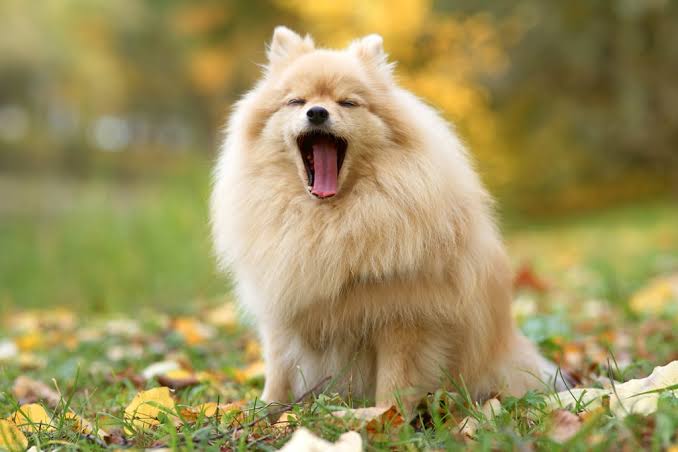
Why does my dog yawn when I pet him is one of the most common questions dog owners ask when they notice this behavior during cuddle time.
Unlike humans, dogs rarely yawn simply because they are tired or bored, especially during petting.
Instead, a yawn can signal relaxation, excitement, mild discomfort, or even stress, depending on the surrounding context and body language.
Learning to read these signals can help you understand what your dog is really trying to communicate.
What Does Yawning Mean in Dogs
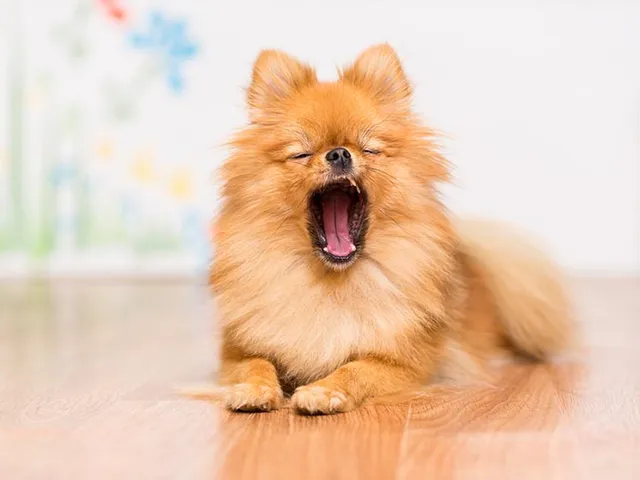
Yawning in dogs is a form of body language that can express a wide range of emotions, from comfort to stress.
Unlike human yawning, which is mostly linked to tiredness, dog yawning often serves as a communication signal directed at you or other animals.
Understanding the context around the yawn is key to correctly interpreting what your dog is feeling in that moment.
Common Reasons Dogs Yawn Overview
Here is a quick table summarizing the most common reasons dogs yawn when being petted.
| Reason | What It Usually Means |
|---|---|
| Relaxation | Dog feels calm and comfortable |
| Excitement | Dog is happy about attention or activity |
| Trust and Bonding | Dog feels safe with you |
| Mild Discomfort | Dog dislikes certain touch or handling |
| Stress or Anxiety | Dog feels overwhelmed or uneasy |
| Calming Signal | Dog is self-soothing during tension |
| Contagious Yawning | Dog is mirroring your yawn |
| Tiredness | Dog is simply sleepy |
Yawning as a Sign of Relaxation
One of the most common reasons dogs yawn while being petted is that they feel calm, comfortable, and at ease.
According to canine behavior experts, yawning can act like a deep breath, helping a dog’s body settle into a relaxed state.
If your dog’s body is loose, their tail is relaxed, and their eyes appear soft, the yawn is likely a sign of contentment.
Yawning as a Sign of Excitement
Some dogs yawn not because they are relaxed, but because they are excited about the attention they are receiving.
This is especially common when a dog anticipates something fun, like a walk, a car ride, or playtime shortly after being petted.
If your dog appears alert, wiggly, or eager rather than calm, the yawn may be linked to excitement instead of relaxation.
Yawning as a Sign of Trust and Bonding
Yawning around you can also be a subtle sign that your dog trusts you and feels safe in your presence.
In the canine world, vulnerable behaviors like yawning, showing the belly, or looking away are often associated with trust.
A yawn during petting may be your dog’s quiet way of communicating a sense of safety and connection with you.
Yawning as a Sign of Mild Discomfort
Not all dogs enjoy being petted in the same way, and yawning can sometimes signal mild discomfort rather than relaxation.
Some dogs dislike close-contact petting, especially around the head or face, and may yawn as a polite request to ease up.
If this seems to be the case, try petting your dog’s chest, chin, or sides instead, as many dogs prefer this type of touch.
Yawning as a Calming Signal
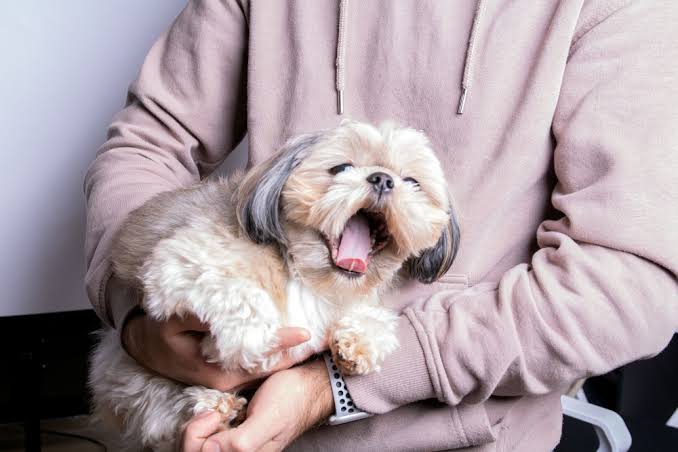
Dogs use certain behaviors, known as calming signals, to help themselves and others reduce tension in a given situation.
Yawning is considered one of these calming signals, often used by dogs to self-soothe during mildly stressful or overstimulating moments.
This concept, widely discussed by canine behaviorist Turid Rugaas, highlights yawning as a way dogs manage their own stress levels.
Yawning as a Sign of Stress or Anxiety
In some cases, yawning during petting can indicate that your dog is feeling stressed, anxious, or unsure about the situation.
Stress-related yawns often appear more intense and prolonged compared to a simple relaxed or sleepy yawn.
If yawning is paired with pacing, whining, excessive licking, or drooling, your dog may be experiencing genuine discomfort or stress.
Yawning During Conflict or Tension
Dogs may also yawn as a way to avoid conflict, particularly when meeting unfamiliar dogs or facing a tense social situation.
This type of yawning acts as a peaceful signal, communicating that your dog means no harm and wants to de-escalate tension.
It can also appear when a dog senses disapproval, such as after doing something they believe you might scold them for.
Contagious Yawning Between Dogs and Humans
Interestingly, yawning can be contagious between dogs and their owners, much like it often is between humans.
Some research suggests dogs may yawn in response to seeing their owner yawn, possibly reflecting a form of emotional connection.
If you notice your dog yawning shortly after you do, this contagious response may simply be part of your bond.
Yawning and Simple Tiredness
While less common during active petting sessions, some yawns are still simply a sign that your dog feels sleepy or relaxed enough to rest.
This is more likely if the yawning happens during quiet, low-energy moments, such as calm evening cuddle time.
Context, including time of day and your dog’s overall energy level, can help clarify whether tiredness is the likely cause.
How to Tell a Happy Yawn From a Stressed Yawn
A relaxed yawn is usually accompanied by loose body posture, soft eyes, and a generally calm overall demeanor.
A stressed yawn, on the other hand, often appears longer, more intense, and is paired with other visible signs of discomfort.
Watching your dog’s broader body language during and after the yawn is the best way to accurately interpret its meaning.
Other Body Language Signals to Watch
Tail position, ear posture, and overall muscle tension can all provide additional context alongside a yawn to help clarify your dog’s emotional state.
A relaxed tail and soft ears typically support a positive interpretation, while a tucked tail or pinned ears suggest stress.
Reading yawning together with these other signals gives a much clearer picture than looking at the yawn alone.
What To Do If Your Dog Yawns From Discomfort
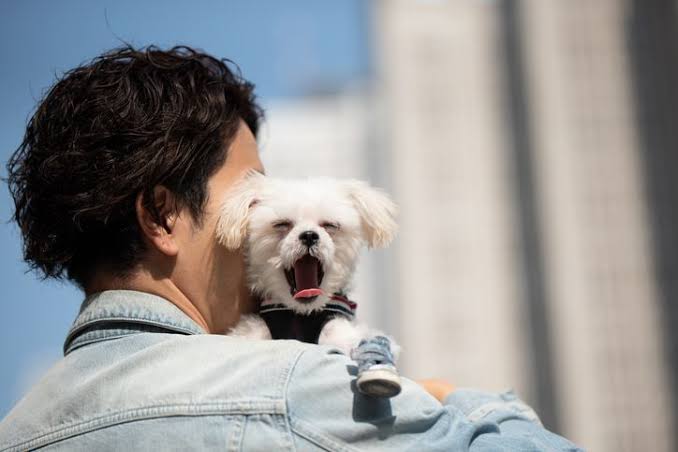
If you suspect your dog is yawning due to discomfort, try adjusting how and where you are petting them.
Switching to gentler touch on the chest, chin, or shoulders instead of the head can often reduce this type of reaction.
Paying attention to your dog’s preferences over time helps you build a petting routine that feels more comfortable for them.
What To Do If Your Dog Yawns From Stress
If stress seems to be the underlying cause, try removing your dog from the triggering situation and allowing them space to settle.
Speaking in a calm, soothing voice and avoiding sudden movements can help reduce their anxiety during stressful moments.
Offering a favorite toy, treat, or simply giving your dog quiet space can also help ease tension in these situations.
When Frequent Yawning May Signal a Deeper Issue
While occasional yawning is normal, excessive or constant yawning may sometimes point to ongoing anxiety or emotional distress.
This is especially worth noting if yawning appears frequently in new environments, during vet visits, or amid loud noises like thunderstorms.
If frequent yawning is paired with other anxiety symptoms, consulting a veterinarian or professional dog behaviorist may be helpful.
Yawning and Medical Considerations
In rare cases, unusual or excessive yawning patterns in dogs can be linked to underlying medical issues rather than behavior alone.
If yawning is paired with other unusual symptoms, such as lethargy, appetite changes, or discomfort, a vet visit is a good precaution.
Ruling out medical causes ensures that behavioral interpretations remain accurate and that your dog’s health needs are properly addressed.
Building a Stronger Bond Through Body Language
Learning to interpret your dog’s yawning and other body language signals can significantly strengthen your overall relationship and communication.
Responding appropriately, whether by adjusting your petting style or offering comfort during stress, builds greater trust over time.
This deeper understanding allows you to respond to your dog’s needs more effectively in everyday interactions.
Frequently Asked Questions (FAQs)
1. Why does my dog yawn when I pet him?
It usually means relaxation, excitement, trust, or sometimes mild discomfort, depending on context.
2. Is yawning a sign my dog is happy?
Yes, a relaxed yawn paired with calm body language often reflects contentment.
3. Can yawning mean my dog is stressed?
Yes, longer, intense yawns paired with pacing or drooling may signal stress.
4. Do dogs yawn when they trust you?
Yes, yawning can be a subtle sign of trust and emotional safety.
5. Why does my dog yawn when I pet his head?
Some dogs dislike head touch, and yawning may signal mild discomfort.
6. Are dog yawns contagious like human yawns?
Yes, dogs can yawn in response to seeing their owner yawn.
7. Should I worry if my dog yawns a lot?
Occasional yawning is normal, but frequent yawning with anxiety signs needs attention.
8. Can yawning mean my dog is tired?
Yes, especially during calm, low-energy moments like evening cuddling.
9. How can I tell a happy yawn from a stressed one?
Check overall body language, like tail position and posture, for context.
10. What should I do if my dog seems stressed while yawning?
Give them space, speak calmly, and remove them from the stressful situation.
Conclusion
Why does my dog yawn when I pet him ultimately depends on the surrounding context, since yawning can reflect relaxation, excitement, trust, or occasional discomfort.
In most cases, this behavior is simply your dog’s way of communicating comfort or a calming response to affection.
However, longer or more intense yawns paired with pacing, drooling, or whining may indicate stress that deserves your attention.
Watching additional body language cues, like tail position and posture, helps you interpret the true meaning behind each yawn more accurately.
Adjusting your petting style, offering comfort during stressful moments, and staying attentive to frequent or unusual yawning patterns all support a stronger bond with your dog. With a little observation, you can better understand what your dog is really trying to tell you every time they yawn.