Why Does My Dog Snore? Health Warning Signs 2026

Why does my dog snore is a question many pet parents ask the first time they hear a rumbling, rattling sound coming from their sleeping pup.
Snoring in dogs happens when airflow through the nose or throat becomes partially restricted, causing surrounding tissue to vibrate.
What Causes Snoring in Dogs?
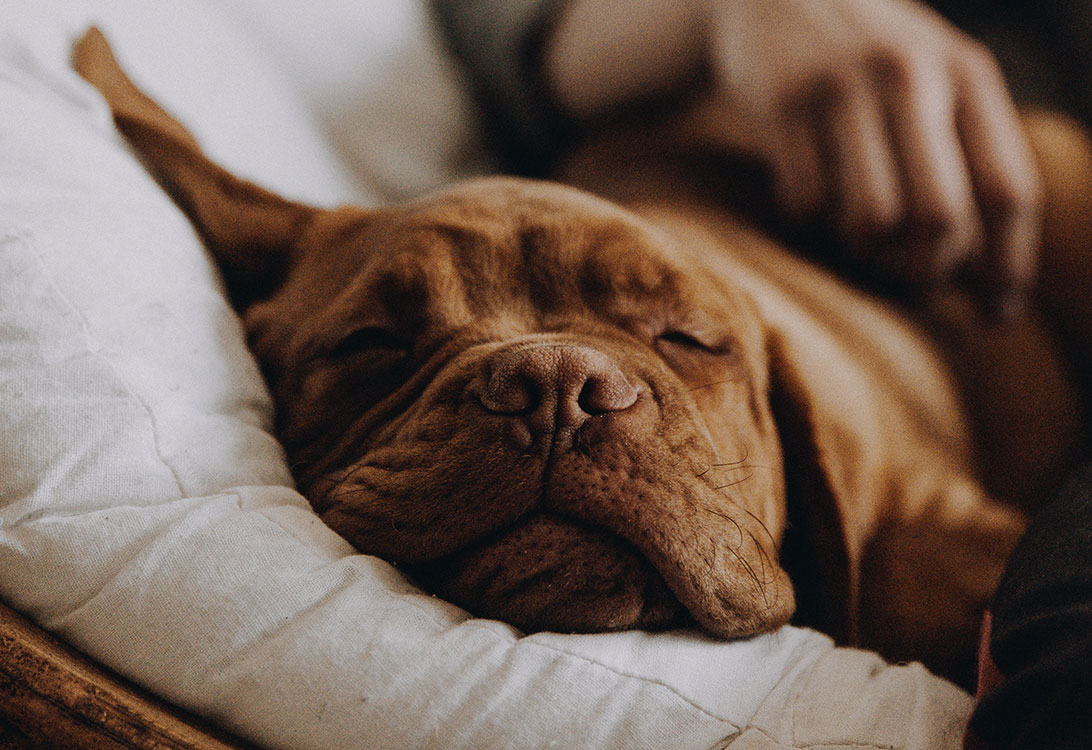
Snoring, medically called stertor, occurs when something partially blocks or narrows the airway in a dog’s nose or throat.
As air struggles to pass through the narrowed space, nearby soft tissue vibrates, creating the familiar snoring sound.
This can happen due to natural anatomy, extra tissue from weight gain, inflammation, or even sleeping position.
Understanding the root cause helps determine whether snoring is simply a quirky trait or something worth monitoring closely.
Breed-Related Snoring: Brachycephalic Dogs
Why Flat-Faced Breeds Snore More
Brachycephalic breeds, meaning dogs with short, flattened muzzles, are the most common snorers due to their compact skull structure.
Breeds like French Bulldogs, English Bulldogs, Pugs, Boston Terriers, Pekingese, and Shih Tzus often have narrowed airways built into their anatomy.
These dogs frequently have an elongated soft palate that partially blocks the airway opening, along with narrow nostrils that restrict airflow further.
Snoring in these breeds is common both during sleep and sometimes even while awake, especially after exercise or excitement.
Brachycephalic Obstructive Airway Syndrome (BOAS)
Brachycephalic Obstructive Airway Syndrome, or BOAS, is a collection of airway abnormalities common in flat-faced dog breeds.
This condition includes narrowed nostrils, an elongated soft palate, and sometimes a narrowed windpipe, all of which restrict normal airflow.
Dogs with BOAS often snore loudly, struggle with exercise, and can experience serious breathing difficulty in hot or humid weather.
Because BOAS can worsen over time, early recognition and veterinary guidance are important for long-term quality of life.
Common Non-Breed-Related Causes of Snoring
Obesity and Excess Weight
Extra fat tissue around the neck and throat can narrow the airway, making snoring more likely in overweight dogs.
This type of snoring often develops gradually as weight increases and can improve significantly with weight loss.
Overweight dogs may also show reduced energy and stamina alongside their increased snoring.
A vet-guided weight management plan is typically the most effective way to reduce obesity-related snoring.
Allergies and Nasal Irritants
Environmental allergens, dust, pollen, or smoke exposure can cause nasal congestion and swelling in a dog’s airway.
This congestion narrows the passage for airflow, leading to snoring that may worsen during certain seasons.
Sneezing, watery eyes, and increased scratching often accompany allergy-related snoring in dogs.
Identifying and reducing exposure to specific allergens, along with vet-recommended treatment, can significantly ease symptoms.
Upper Respiratory Infections
Colds, kennel cough, or other upper respiratory infections can cause temporary swelling and mucus buildup in the airway.
This often leads to snoring that appears suddenly and may be accompanied by coughing, sneezing, or nasal discharge.
Most respiratory infections resolve within one to two weeks with rest and, if needed, veterinary treatment.
Persistent or worsening symptoms beyond this timeframe should prompt a veterinary visit.
Sleep Position
A dog’s sleeping position can influence how much their airway is compressed during rest.
Dogs sleeping flat on their back or with their neck bent at an awkward angle may snore more than usual.
Adjusting bedding or gently repositioning a sleeping dog can sometimes reduce mild, position-related snoring.
This cause is generally harmless and doesn’t require medical treatment.
Foreign Objects or Nasal Growths
Occasionally, a foreign object like a grass seed or small debris can become lodged in a dog’s nasal passage.
Nasal polyps or tumors, while less common, can also create a physical obstruction that leads to snoring.
This type of snoring often appears suddenly and may be accompanied by nasal discharge, bleeding, or pawing at the face.
A veterinary exam is necessary to identify and safely remove any foreign object or investigate a possible growth.
Common Causes at a Glance
| Cause | Typical Pattern | Level of Concern |
|---|---|---|
| Brachycephalic anatomy | Ongoing, breed-related | Usually normal, monitor for BOAS |
| Obesity | Gradual onset, worsens with weight gain | Manageable with weight loss |
| Allergies | Seasonal or environmental | Usually mild, manageable |
| Respiratory infection | Sudden onset with other symptoms | Needs monitoring, often resolves |
| Sleep position | Inconsistent, position-dependent | Harmless |
| Foreign object or growth | Sudden, one-sided | Needs veterinary evaluation |
Is My Dog’s Snoring Normal or a Warning Sign?

Snoring is often completely normal, especially in brachycephalic breeds with naturally compact airway structures.
However, new snoring that wasn’t present before is worth investigating, since it suggests something in the airway has changed.
Snoring accompanied by other symptoms, like reduced energy, nasal discharge, or labored breathing, moves beyond a harmless quirk.
The table below outlines signs that indicate your dog’s snoring deserves veterinary attention.
| Symptom | Level of Concern | Possible Cause |
|---|---|---|
| Sudden new snoring | Needs evaluation | Infection, growth, allergy |
| Snoring while fully awake | Needs evaluation | BOAS, airway obstruction |
| Gasping or choking sounds | Urgent | Sleep apnea, airway collapse |
| Nasal discharge or bleeding | Needs evaluation | Infection, foreign object, growth |
| Blue or pale gums | Emergency | Oxygen deprivation |
| Reduced energy or exercise intolerance | Needs evaluation | BOAS, respiratory issue |
| Snoring with weight gain | Manageable | Obesity-related airway narrowing |
When Dog Snoring Needs Emergency Care
Blue or pale gums, along with labored breathing, indicate the dog is not getting enough oxygen and needs emergency care immediately.
Collapse, extreme distress, or an inability to catch their breath after activity should be treated as a veterinary emergency.
Overheating combined with severe breathing difficulty is especially dangerous for brachycephalic breeds and requires urgent cooling and veterinary care.
Any sudden, severe change in breathing pattern alongside snoring should prompt an immediate trip to the vet or emergency animal hospital.
How Vets Diagnose the Cause of Snoring
A veterinarian typically starts with a physical exam, checking the nose, mouth, throat, and listening to breathing sounds closely.
For suspected BOAS, vets may assess exercise tolerance and use imaging to evaluate the soft palate and airway structure.
Allergy testing or a trial elimination approach can help identify environmental or food-related triggers contributing to nasal congestion.
In cases of suspected foreign objects or growths, sedated examination or imaging is often needed for an accurate diagnosis.
Home Care Tips for Managing Snoring
Keeping your dog at a healthy weight through proper diet and exercise can meaningfully reduce airway-related snoring.
Using an air purifier and reducing exposure to smoke or strong scents can help ease allergy-related nasal congestion.
Providing supportive bedding that keeps the head slightly elevated may reduce snoring linked to sleep position.
Keeping your dog cool and calm during hot weather is especially important for brachycephalic breeds prone to airway strain.
Treatment Options Based on Cause
| Cause | Typical Treatment |
|---|---|
| Brachycephalic anatomy (mild) | Monitoring, lifestyle adjustments |
| BOAS (moderate to severe) | Surgical correction in some cases |
| Obesity | Vet-guided weight loss plan |
| Allergies | Allergen avoidance, medication |
| Respiratory infection | Rest, supportive care, medication if needed |
| Foreign object | Veterinary removal |
| Nasal growth or tumor | Further diagnostic workup, specialist referral |
Surgical Options for Severe Cases
For dogs with significant BOAS, surgery can widen nostrils, shorten an elongated soft palate, or address other structural airway issues.
These procedures are often recommended when snoring is accompanied by exercise intolerance, frequent gagging, or breathing distress.
Recovery typically involves a period of rest and monitoring, with many dogs experiencing significantly improved breathing afterward.
A veterinary surgeon or specialist can assess whether surgical correction is appropriate for your dog’s specific condition.
Managing Brachycephalic Breeds Day to Day
Avoiding exercise during the hottest parts of the day helps prevent dangerous overheating in flat-faced breeds.
Using a harness instead of a neck collar reduces additional pressure on an already compromised airway.
Feeding smaller, more frequent meals can help reduce the risk of regurgitation-related airway irritation in some brachycephalic dogs.
Regular veterinary checkups help track whether snoring and breathing patterns are stable or worsening over time.
Dog Sleep Apnea: A Related Concern
Some dogs, particularly those with obesity or brachycephalic anatomy, can develop a condition similar to human sleep apnea.
This involves brief pauses in breathing during sleep, often followed by loud gasping or snorting sounds.
Frequent, heavy nightly snoring combined with sudden waking or gasping should be evaluated by a veterinarian.
Addressing the underlying cause, such as weight loss or airway surgery, often significantly improves apnea-related symptoms.
Puppy Snoring vs. Adult Dog Snoring
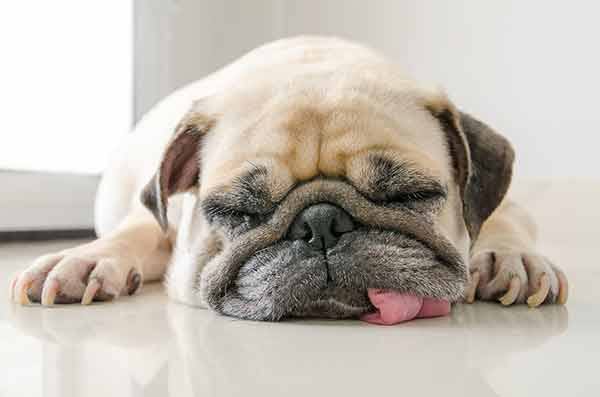
Puppies with naturally short muzzles may already show mild snoring tendencies linked to their developing airway structure.
Snoring in puppies without other symptoms is usually not a cause for concern and often becomes more predictable with age.
Adult dogs that suddenly begin snoring for the first time warrant closer attention, since this often signals a new issue.
Tracking when snoring started and how it has changed over time helps guide appropriate veterinary care at any age.
Senior Dogs and Increased Snoring
Older dogs may snore more due to weight gain, weakened throat muscles, or age-related changes in airway tissue.
Chronic health conditions common in senior dogs, like heart disease, can sometimes contribute to changes in breathing sounds.
Regular veterinary checkups become increasingly important for monitoring snoring changes as dogs age.
Addressing weight and activity levels can help manage snoring that develops later in a dog’s life.
How to Prepare for a Vet Visit
Note when the snoring started, whether it’s new or has always been present, and how loud or frequent it is.
Mention any other symptoms, such as nasal discharge, coughing, reduced energy, or difficulty during exercise.
Consider recording a short video of your dog’s breathing and snoring to show your veterinarian directly.
Bringing this information helps your vet reach an accurate diagnosis and appropriate treatment plan more efficiently.
Breed Comparison: Snoring Risk by Type
| Breed Type | Snoring Risk | Common Cause |
|---|---|---|
| French Bulldog, English Bulldog | Very high | BOAS, elongated soft palate |
| Pug, Pekingese | Very high | Narrow nostrils, BOAS |
| Boston Terrier, Shih Tzu | High | Compact airway structure |
| Boxer | Moderate to high | Shortened muzzle |
| Larger mixed or long-muzzled breeds | Low to moderate | Weight, allergies, sleep position |
Understanding your dog’s breed-related risk helps set realistic expectations for how much snoring is considered typical.
Mixed-breed dogs with some brachycephalic ancestry can also inherit a degree of airway narrowing and related snoring tendencies.
The Canine Respiratory System Explained
A dog’s respiratory system shares many similarities with humans, including a nasal passage, throat, windpipe, and lungs working together.
Air normally flows smoothly through these structures, but any narrowing or blockage disrupts this flow and creates noise.
The soft palate, located at the back of the roof of the mouth, plays a key role in normal versus obstructed breathing.
Understanding this basic anatomy helps pet parents recognize why certain structural differences lead to more frequent snoring.
Snoring vs. Reverse Sneezing: What’s the Difference
Reverse sneezing is a rapid, repeated snorting sound caused by irritation in the throat or nasal passage, distinct from snoring.
Unlike snoring, reverse sneezing typically happens while a dog is awake and often resolves within a minute on its own.
Snoring occurs during sleep or rest and results from airflow restriction rather than throat spasms.
Distinguishing between these two sounds can help pet parents describe symptoms more accurately to their veterinarian.
Diet’s Role in Airway Health
Maintaining a balanced diet appropriate for your dog’s size and activity level helps prevent weight-related airway narrowing.
Avoiding excessive treats and table scraps supports healthy weight management, reducing one of the most common contributors to snoring.
Some dogs with allergies may benefit from a limited-ingredient diet if food sensitivities are contributing to nasal inflammation.
Discussing your dog’s specific dietary needs with a veterinarian ensures weight and allergy management stay on track.
Environmental Adjustments to Reduce Snoring
Keeping indoor humidity at a comfortable level can help prevent nasal passages from becoming overly dry or irritated.
Reducing exposure to cigarette smoke, strong candles, or heavy cleaning fumes can lessen airway irritation contributing to snoring.
Regularly washing pet bedding helps reduce dust and allergen buildup that can worsen nasal congestion over time.
Small environmental changes often provide meaningful relief for dogs with mild, allergy-related snoring.
Tracking Your Dog’s Snoring Over Time
Keeping a simple log of when snoring occurs, how loud it is, and any accompanying symptoms helps identify patterns.
Noting whether snoring worsens with heat, exercise, or specific seasons can reveal environmental or allergy-related triggers.
Comparing current snoring levels to those from six months or a year ago helps determine if the condition is progressing.
This ongoing record becomes a valuable tool during veterinary visits, especially for breeds prone to progressive airway issues.
Cost Considerations for Snoring-Related Treatment
Routine veterinary exams to assess snoring are generally affordable and often included in standard wellness visits.
Diagnostic imaging or specialist referrals for suspected BOAS or growths can add to the overall cost of investigation.
Surgical correction for severe BOAS varies in price depending on the extent of the procedure and geographic location.
Discussing cost expectations upfront with your veterinarian helps you plan appropriately for necessary diagnostic or surgical care.
Living with a Snoring Dog
For many pet parents, mild snoring becomes simply another quirky trait of their beloved companion rather than a source of worry.
Using a white noise machine or keeping bedroom doors separate can help pet parents get better sleep alongside a snoring dog.
Regular monitoring ensures that harmless snoring doesn’t quietly progress into a more serious airway condition over time.
Building a relationship with a trusted veterinarian makes it easier to know when a change in snoring truly warrants concern.
Frequently Asked Questions (FAQs)
Why does my dog snore so loudly?
Loud snoring is common in brachycephalic breeds due to narrowed airways and an elongated soft palate.
In non-flat-faced breeds, it may indicate obesity, allergies, or a respiratory infection.
Is it normal for dogs to snore every night?
Yes, for many breeds, especially flat-faced ones, nightly snoring is a normal part of their anatomy.
New or worsening nightly snoring in other breeds is worth mentioning to your vet.
Can allergies cause my dog to snore?
Yes, allergies can cause nasal congestion and swelling, which narrows the airway and leads to snoring.
Identifying and reducing exposure to triggers often improves symptoms.
Should I worry if my dog suddenly starts snoring?
Yes, sudden new snoring suggests a change in the airway and should be evaluated by a veterinarian.
This is especially true if it’s paired with other new symptoms.
Can weight loss help reduce my dog’s snoring?
Yes, reducing excess weight often decreases the fatty tissue narrowing the airway, easing snoring.
A vet-guided weight loss plan is the safest way to achieve this.
What is BOAS in dogs?
BOAS stands for Brachycephalic Obstructive Airway Syndrome, a collection of airway abnormalities in flat-faced breeds.
It can cause snoring, exercise intolerance, and breathing difficulty, especially in heat.
Can a foreign object cause my dog to snore?
Yes, objects like grass seeds lodged in the nasal passage can cause sudden snoring and discharge.
A veterinary exam is needed to identify and remove the object safely.
Do puppies snore normally?
Yes, puppies with short muzzles may show mild snoring tendencies as their airway structure develops.
This is usually not concerning without other symptoms present.
When should I take my dog to the vet for snoring?
See a vet if snoring is new, very loud, paired with gasping, or accompanied by discharge or low energy.
Blue or pale gums with breathing difficulty is an emergency.
Can surgery help dogs with severe snoring?
Yes, surgery can correct structural airway issues in dogs with significant BOAS symptoms.
This is typically recommended when snoring is paired with breathing distress or exercise intolerance.
Conclusion
Dog snoring is often completely normal, especially in brachycephalic breeds like Bulldogs, Pugs, and Boston Terriers whose compact airway anatomy naturally makes them prone to noisy breathing.
Other common causes include obesity, allergies, respiratory infections, sleep position, and occasionally foreign objects or growths in the nasal passage.
Most cases are harmless and can be managed with weight control, allergen avoidance, and simple lifestyle adjustments.
However, snoring that appears suddenly, worsens over time, or comes with gasping, blue gums, or reduced energy needs prompt veterinary evaluation.
Brachycephalic breeds in particular should be monitored closely for signs of Brachycephalic Obstructive Airway Syndrome, which can sometimes require surgical correction.
If your dog’s snoring changes or concerns you, don’t hesitate to schedule a veterinary checkup for peace of mind. This article is for informational purposes only and is not a substitute for professional veterinary advice.