Why Does My Dog Lick the Carpet? Causes & Fixes 2026
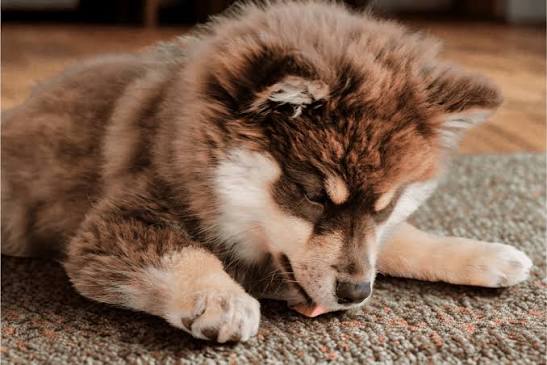
Why does my dog lick the carpet is one of the most common questions dog owners ask, and the answer is rarely just one thing. This behavior can range from completely harmless to a signal of a serious medical condition.
Your dog might be responding to food smells, boredom, anxiety, nausea, or an underlying gastrointestinal problem. Understanding what is driving the licking is the only way to stop it for good.
What Is Excessive Licking of Surfaces (ELS)?
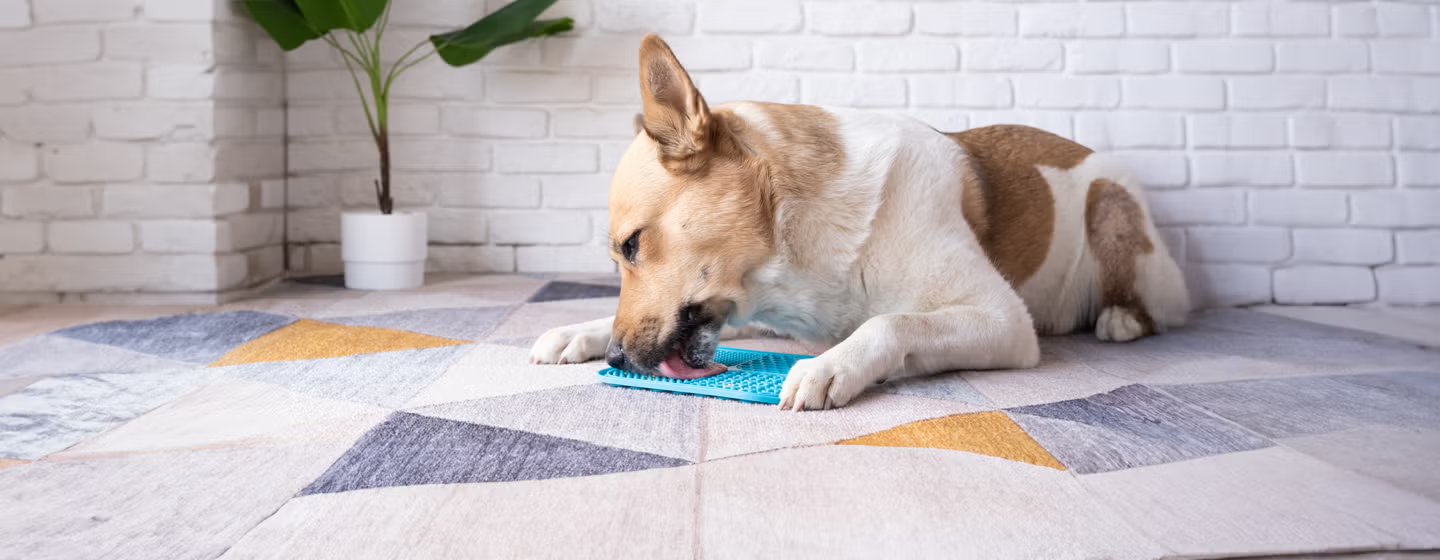
Excessive licking of surfaces, or ELS, is the clinical term vets use when dogs repeatedly lick carpets, floors, walls, and furniture. It is more than a quirk — it is a recognized behavioral and medical pattern.
ELS used to be classified purely as a compulsive behavior disorder. New research suggests many cases have a genuine medical root, particularly in the digestive system.
A University of Montreal Veterinary Teaching Hospital study examined 29 dogs, 19 of which had ELS. Fourteen of those 19 dogs had an underlying gastrointestinal problem. After treatment, 10 showed a big reduction in licking and 9 stopped entirely.
Why Does My Dog Lick the Carpet? The 12 Main Causes
Understanding which cause applies to your dog requires observing when the licking happens, how often, and what other signs accompany it.
Gastrointestinal Problems
This is the most common and most important cause of carpet licking in dogs. When a dog feels nauseous or has stomach discomfort, licking surfaces seems to provide temporary relief.
Conditions linked to carpet licking include irritable bowel syndrome, pancreatitis, giardiasis, delayed gastric emptying, and acid reflux. These all create internal discomfort that dogs try to manage through repetitive licking.
If your dog licks the carpet heavily after meals or in the early hours of the morning, gastrointestinal disease should be your first suspicion.
Acid Reflux and GERD
Acid reflux in dogs occurs when stomach acid flows backward into the esophagus. This causes a burning sensation that dogs try to soothe through excessive licking of surfaces.
Signs that acid reflux may be behind the carpet licking include lip smacking, gulping, burping sounds, regurgitation of food or bile, bad breath, and restlessness at night.
A dog waking up at 4 am to lick the carpet and floor, gulp audibly, and then eat grass outside is a textbook presentation of nighttime acid reflux in dogs.
Nausea
Nausea from any cause — not just acid reflux — will push a dog to lick surfaces. It is a self-soothing response rooted in physical discomfort.
A dog experiencing nausea will often show drooling, reluctance to eat, restlessness, yawning, and licking of the carpet or floor repeatedly. The licking does not fix the nausea but temporarily distracts from it.
Nausea can come from medications, dietary changes, eating something inappropriate, parasites, or systemic illness. Any persistent nausea-driven licking warrants a vet visit.
Anxiety and Stress
Dogs under stress or anxiety frequently turn to repetitive behaviors for emotional relief. Licking releases endorphins in dogs, providing short-term calm in the same way humans bite their nails when nervous.
Common stress triggers that cause carpet licking include changes in the household routine, loud noises like thunderstorms, separation anxiety, new pets or people, and moving to a new home.
A dog that licks the carpet more during storms, when left alone, or after a big change in their environment is most likely using it as an anxiety coping mechanism.
Boredom and Lack of Stimulation
Some dogs lick the carpet simply because they have nothing else to do. High-energy breeds in particular need daily mental and physical outlets — without them, they create their own entertainment.
Boredom-driven licking tends to happen during long periods of inactivity, particularly in the afternoon or evening when the household has settled down. It is often paired with chewing, restlessness, or attention-seeking behavior.
The fix for boredom licking is straightforward — more exercise, more play, and more enrichment toys to keep the brain engaged.
Food Smells and Residue on the Carpet
Dogs have an extraordinary sense of smell. They can detect microscopic food particles and spilled drinks in carpet fibers that are completely invisible and odorless to humans.
What looks like random carpet licking might actually be your dog investigating an old spill, a dropped crumb, or a scent left behind by another animal or person’s shoes.
This type of licking is intermittent rather than compulsive and is usually focused on one area of the carpet. It is the most harmless form and generally does not require intervention.
Nutritional Deficiencies
When a dog’s diet is missing certain minerals or vitamins, they seek those nutrients from unusual sources. Licking carpets, floors, soil, and other non-food surfaces can be driven by the body’s attempt to correct a deficiency.
Common deficiencies linked to surface licking include zinc, iron, and certain B vitamins. However, never assume which nutrient is missing and supplement without guidance — only a vet and bloodwork can confirm a deficiency.
Switching to a higher-quality complete and balanced diet often resolves nutritionally driven licking once the missing nutrients are restored.
Pica
Pica is a medical condition in which dogs compulsively eat non-food items. It is different from occasional licking — dogs with pica actively try to ingest things like fabric, rocks, dirt, and carpet fibers.
Pica can be triggered by nutritional deficiencies, gastrointestinal disorders, anxiety, or neurological issues. If your dog is not just licking but actively chewing and swallowing carpet fibers, pica is a strong possibility.
This requires prompt veterinary attention because ingested carpet fibers can cause dangerous intestinal blockages over time.
Obsessive-Compulsive Disorder (OCD)
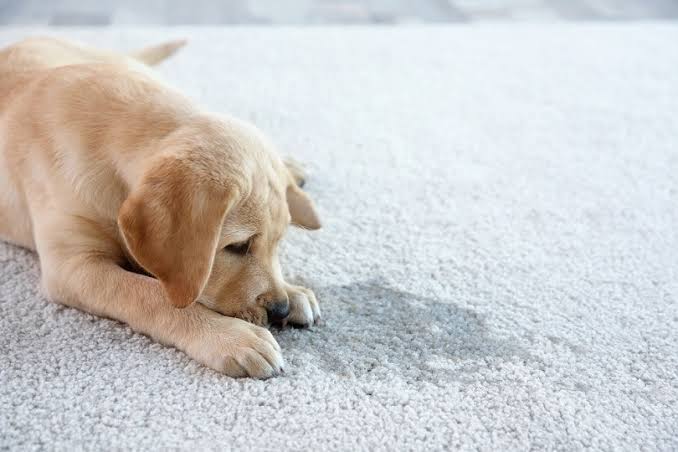
Dogs can develop canine compulsive disorder, the equivalent of OCD in humans. This causes repetitive behaviors including tail chasing, air snapping, and persistent carpet licking.
Retrievers and herding breeds show higher predisposition to OCD. The disorder is often triggered by chronic stress or anxiety and can persist even after the original trigger is removed.
Treating OCD in dogs requires veterinary guidance, which may include behavioral modification, environmental changes, and in some cases anti-anxiety medication.
Medications Causing Increased Hunger
Certain medications make dogs significantly hungrier than normal. This is called polyphagia. A dog that feels constantly hungry may try to eat the carpet rather than simply lick it.
Steroids like prednisone are a common cause of medication-induced polyphagia. Senior dogs may also experience increased hunger due to changes in metabolism and hormone regulation.
If a dog started licking the carpet shortly after beginning a new medication, report this to your vet so the dosage or medication can be reviewed.
Canine Cognitive Dysfunction (Dog Dementia)
Canine cognitive dysfunction, also called dog dementia, causes decreased alertness, awareness, and behavioral changes including compulsive licking. It primarily affects senior dogs.
A dog with CCD may lick the carpet repetitively without appearing to be focused on anything specific. They may also seem confused, wander aimlessly, or sleep more than usual.
If your senior dog has recently started licking the carpet heavily alongside other signs of cognitive decline, a geriatric veterinary assessment is the right next step.
Neurological Conditions
In rare cases, carpet licking can be linked to neurological problems including brain tumors, infections, trauma, or seizure activity in the brain.
If you call your dog’s name during a licking episode and they stop immediately, the behavior is likely behavioral rather than neurological. If they cannot be redirected and appear unaware of their surroundings, neurological involvement is possible.
Fly-biting behavior — snapping at invisible insects — paired with carpet licking is a recognized sign that warrants urgent neurological evaluation.
Dental Pain or Oral Discomfort
Dogs experiencing dental pain, a sore throat, or mouth injuries sometimes lick surfaces as a soothing mechanism. The repetitive motion of licking provides mild distraction from the discomfort.
Check your dog’s mouth for signs of redness, swollen gums, broken teeth, or unusual odor. A dog that is reluctant to eat hard food alongside carpet licking is more likely experiencing oral pain.
A veterinary dental check can rule this out quickly and comfortably.
Warning Signs That Make Carpet Licking Serious
Occasional licking is perfectly normal behavior in any dog. The line between normal and concerning is crossed when the behavior becomes frequent, compulsive, or accompanied by other symptoms.
| Warning Sign | What It Suggests |
|---|---|
| Licking every day for more than a week | ELS, anxiety, or GI disorder |
| Waking up at night to lick | Acid reflux or nausea |
| Gulping or burping sounds during licking | GERD or gastrointestinal distress |
| Drooling alongside licking | Nausea or nausea from GI issue |
| Loss of appetite with licking | Nausea, pain, or systemic illness |
| Licking grass after licking carpet | Stomach discomfort |
| Licking cannot be interrupted | Possible neurological issue |
| Only in one carpet area | Food residue or localized smell |
| Started after a new medication | Polyphagia or medication side effect |
| Senior dog with new licking habit | Canine cognitive dysfunction |
The Risks of Letting Carpet Licking Continue
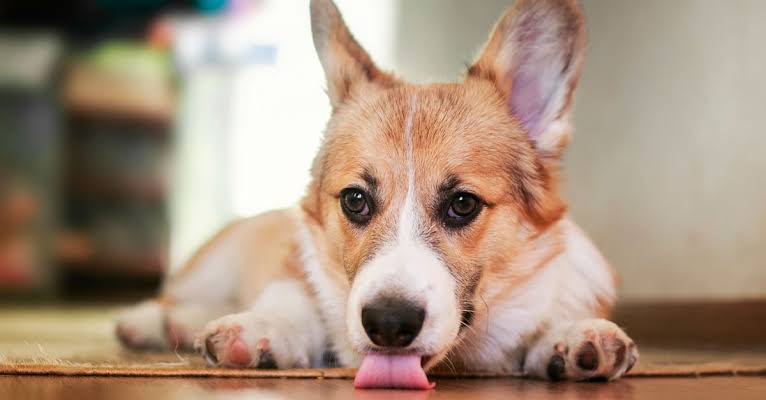
Allowing excessive carpet licking to continue without investigating the cause carries real health risks for your dog.
Ingesting carpet fibers over time can cause dangerous blockages in the intestinal tract. These may require surgical intervention and are life-threatening if untreated.
Carpets also harbor cleaning chemical residues, mold spores, dust mites, and bacteria. A dog repeatedly licking the carpet is exposed to all of these substances in concentrated amounts.
Beyond physical risk, untreated anxiety or GI disorders behind the licking will worsen over time if the root cause is never addressed.
How to Stop Your Dog from Licking the Carpet
The right fix depends entirely on the cause. Addressing a behavioral issue with a medical solution will not work, and vice versa.
Step 1 — Rule Out Medical Causes First
Before trying behavioral interventions, visit your vet. Ask for a physical exam, bloodwork, and if warranted, GI diagnostics.
If a gastrointestinal cause is confirmed, treatment might include dietary changes, anti-nausea medication, antacids, probiotics, or specific prescriptions for conditions like pancreatitis or giardiasis.
Eliminating a medical cause first makes the next steps significantly more effective.
Step 2 — Improve Diet Quality
Feed a complete and balanced diet appropriate for your dog’s age, breed, and size. Low-quality foods miss essential micronutrients that can drive surface-licking behavior.
Ask your vet about digestive enzyme supplements or probiotics if your dog has recurring GI symptoms. Feeding smaller, more frequent meals can also reduce acid reflux episodes.
Avoid feeding table scraps, high-fat treats, or foods that upset your dog’s digestive system.
Step 3 — Increase Physical Exercise
A tired dog is less likely to engage in compulsive behaviors. Most dogs need at least two walks per day, with additional active play sessions.
High-energy breeds like Border Collies, Huskies, and Retrievers need even more exercise than average. Running, fetch, swimming, and dog sports all provide the physical outlet these breeds require.
Match your exercise routine to your dog’s breed needs rather than convenience alone.
Step 4 — Provide Mental Enrichment
Mental stimulation is just as important as physical exercise for preventing boredom-driven licking. Puzzle toys, sniff mats, food-dispensing toys, and training sessions all keep the brain engaged.
Rotate toys regularly so your dog does not lose interest. A Kong stuffed with peanut butter or a lick mat with healthy paste can redirect the licking urge onto an appropriate surface.
Hide-and-seek games, nose work training, and new walking routes all offer valuable mental enrichment.
Step 5 — Reduce Anxiety Triggers
Identify what is stressing your dog and work to minimize it. Common triggers include loud noises, changes in routine, separation, and conflict with other pets.
Create a predictable daily schedule with consistent feeding times, walk times, and sleep areas. Predictability is calming for dogs because they are creatures of habit.
If anxiety is severe, your vet can discuss options ranging from behavior modification therapy to prescription anti-anxiety medications for dogs.
Step 6 — Clean Your Carpet Thoroughly
If the licking is happening in one specific spot, there is likely a food smell or stain attracting your dog. Deep clean the carpet with an enzyme-based cleaner designed to break down organic odors completely.
Standard cleaning products mask smells to humans but often cannot destroy the organic compounds that dogs can still detect. Enzyme cleaners dissolve the actual source of the smell.
After cleaning, confirm the licking in that spot stops. If it does, the cause was olfactory and no further medical investigation is needed.
Step 7 — Use Positive Redirection
When you catch your dog licking the carpet, calmly redirect them to an appropriate activity rather than scolding them. Scolding can increase anxiety and actually worsen compulsive behaviors.
Say a calm “leave it” command and immediately offer a chew toy, puzzle feeder, or lick mat. Reward your dog when they engage with the alternative instead.
Consistency is key. Every time the redirect works and is rewarded, the association between licking the carpet and negative consequences weakens.
Step 8 — Consider Deterrent Sprays
Pet-safe deterrent sprays with bitter or citrus flavors can be applied to carpet areas your dog repeatedly licks. Most dogs find these tastes unpleasant and avoid the area.
Always confirm any spray you use is non-toxic and safe for pets. Read the label carefully and test on a small hidden area of carpet before wider application.
Deterrent sprays work best as a short-term tool while you address the underlying cause rather than as a permanent solution.
Step 9 — Consult a Veterinary Behaviorist
If the licking continues after medical causes are ruled out and home interventions have been tried, a veterinary behaviorist is the right specialist to consult.
They can assess whether your dog has OCD, separation anxiety, or another behavioral condition requiring structured treatment. Behavioral modification plans combined with environmental changes produce the best outcomes.
Some complex cases benefit from a combination of behavioral therapy and medication prescribed by a specialist.
Differences Between Normal and Compulsive Carpet Licking
| Type | Characteristics | Response Needed |
|---|---|---|
| Normal / Exploratory | Brief, focused on one spot, stops on its own | None unless very frequent |
| Boredom-driven | Long sessions, happens when inactive, stops with stimulation | More exercise and enrichment |
| Anxiety-driven | Triggered by stress events, paired with other anxiety signs | Routine changes and calming support |
| GI-related | After meals or at night, paired with gulping or drooling | Vet evaluation required |
| Compulsive (OCD or ELS) | Cannot be redirected, happens daily, no clear trigger | Veterinary and behavioral treatment |
| Medical (CCD, neurological) | New in older dog, cannot be interrupted, other symptoms present | Urgent vet evaluation |
What a Vet Will Do to Diagnose the Cause
When you bring your dog to the vet for excessive carpet licking, expect a structured diagnostic process that rules causes in and out systematically.
The vet will start with a physical examination looking for signs of pain, illness, or dental problems. They will ask when the licking started, how often it happens, and what other symptoms you have noticed.
Blood work checks organ function, nutritional status, and systemic disease markers. Fecal tests look for parasites like giardia. Abdominal X-rays or ultrasound may be used to examine GI organs. In complex cases, an endoscopy may be recommended to directly visualize the esophagus and stomach.
Home Monitoring Log — What to Track
Before your vet appointment, keeping a behavior log makes diagnosis faster and more accurate.
| What to Track | Why It Matters |
|---|---|
| Time of day licking happens | Links behavior to meals, stress events, or night reflux |
| Duration of each episode | Determines if behavior is brief or compulsive |
| What preceded the licking | Identifies triggers like eating, storms, or being alone |
| Last time the dog ate | Connects licking to digestive cycles |
| Any accompanying symptoms | Gulping, drooling, vomiting, restlessness |
| Which surface is being licked | Same spot vs. multiple areas |
| Whether the dog can be redirected | Indicates behavioral vs. neurological cause |
When to Go to the Vet Immediately
Some presentations of carpet licking require prompt veterinary attention rather than a wait-and-see approach.
Go to the vet right away if your dog is licking the carpet compulsively and cannot be stopped even when you call their name. If the licking is paired with vomiting, bloody stool, severe drooling, collapse, or disorientation, treat it as an emergency.
A dog that began licking obsessively overnight after months of normal behavior should be seen quickly. Sudden behavioral changes in dogs often point to a medical cause rather than a behavioral one.
Breed-Specific Considerations
Some breeds are more prone to anxiety-driven and OCD-related carpet licking than others. Understanding your breed’s tendencies helps you identify the most likely cause faster.
| Breed Group | Tendency | Most Likely Cause |
|---|---|---|
| Golden and Labrador Retrievers | High OCD risk | Compulsive disorder |
| Border Collies and Herding Breeds | High anxiety and OCD risk | Anxiety and compulsion |
| Shar Peis and Brachycephalic Breeds | High GERD and GI risk | Acid reflux and nausea |
| Senior Dogs (All Breeds) | CCD risk increases with age | Cognitive dysfunction |
| High-Energy Working Breeds | Boredom risk | Under-stimulation |
Natural and Home Remedies That Can Help
While veterinary care is essential for serious cases, some natural approaches can support dogs with mild carpet licking related to stress or minor GI discomfort.
Probiotics support digestive balance and may reduce GI discomfort driving surface licking. Ask your vet for a dog-specific probiotic product. Digestive enzymes added to meals can also ease GI distress in dogs prone to nausea.
Calming supplements containing ingredients like L-theanine, melatonin, or chamomile can reduce mild anxiety. These are not replacements for veterinary care but can complement a broader management plan.
Summary of Causes and Fixes
| Cause | Key Signs | Fix |
|---|---|---|
| Gastrointestinal disorder | After meals, with gulping or nausea | Vet evaluation, dietary change |
| Acid reflux / GERD | Night licking, burping, drooling | Vet prescribed antacids, small meals |
| Nausea | Drooling, loss of appetite | Vet anti-nausea treatment |
| Anxiety | Triggered by stress events | Routine, calming support, vet if severe |
| Boredom | During inactive periods | More exercise and mental enrichment |
| Food smells | Focused on one carpet spot | Deep enzyme carpet cleaning |
| Nutritional deficiency | Licking multiple surfaces | Diet upgrade, vet-confirmed supplements |
| Pica | Swallowing carpet fibers | Urgent vet visit |
| OCD / ELS | Cannot be stopped, daily | Veterinary behaviorist |
| Medication side effects | Started after new medication | Vet review of medication |
| Canine cognitive dysfunction | Senior dog with new licking | Geriatric vet assessment |
| Dental pain | Reluctance to eat, bad breath | Veterinary dental exam |
Frequently Asked Questions (FAQs)
Why does my dog lick the carpet at night?
Night licking is most often caused by acid reflux or nausea. Stomach acid rises more easily when a dog is lying down, causing discomfort that triggers licking behavior.
Is it normal for dogs to lick the carpet?
Occasional licking is completely normal and usually driven by food smells. Daily or compulsive licking is not normal and needs investigation.
Can carpet licking hurt my dog?
Yes, repeatedly ingesting carpet fibers can cause intestinal blockages. Licking also exposes dogs to cleaning chemicals, mold, and bacteria trapped in carpet fibers.
Why did my dog suddenly start licking the carpet?
A sudden new behavior usually has a medical trigger. Sudden carpet licking warrants a vet visit to check for GI disorders, neurological issues, or pain.
My dog licks the carpet and then eats grass — what does that mean?
This pattern strongly suggests stomach discomfort or nausea. Dogs eat grass to induce vomiting when they feel sick. See your vet to investigate the GI cause.
Can anxiety make dogs lick the carpet?
Yes, licking releases calming endorphins in dogs. An anxious dog may lick the carpet to self-soothe, especially during storms, separation, or routine changes.
What does ELS mean in dogs?
ELS stands for Excessive Licking of Surfaces. It is the clinical term for compulsive licking of carpets, floors, walls, and furniture. Most ELS cases have an underlying GI cause.
How do I stop my dog from licking the carpet?
First rule out medical causes with a vet. Then increase exercise, add enrichment toys, clean the carpet with enzyme cleaner, and use positive redirection when licking starts.
Should I punish my dog for licking the carpet?
Never. Scolding increases anxiety and can worsen the behavior. Calm redirection to an appropriate toy or activity is always the more effective approach.
When should I take my dog to the vet for carpet licking?
Take your dog to the vet if the licking happens daily, cannot be redirected, is paired with drooling or vomiting, started suddenly, or your dog is a senior with new behavioral changes.
Conclusion
Why does my dog lick the carpet is a question with a wide range of answers, from the completely harmless to the medically serious. A dog occasionally sniffing and licking a spot where food fell is normal.
A dog that licks the carpet compulsively every day, especially at night or after meals, is telling you something is wrong. Gastrointestinal problems, acid reflux, nausea, anxiety, and boredom are the most common causes.
Start with a vet visit to rule out medical issues, then address behavioral causes with exercise, enrichment, and routine. Acting early protects your dog from complications and resolves the behavior far more effectively than waiting.