
Why Does My Dog Keep Coughing and Gagging? Causes 2026
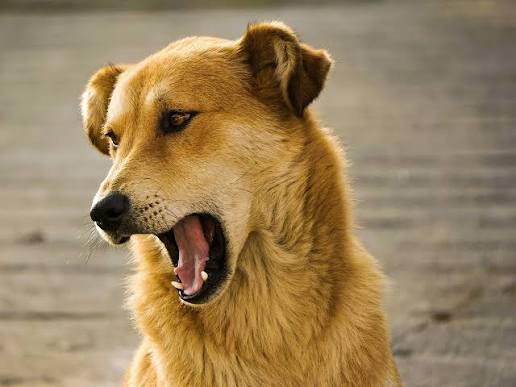
Why does my dog keep coughing and gagging is one of the most searched dog health questions, and for good reason. It can sound alarming, especially when it happens over and over during the day.
The good news is that most coughing and gagging comes from mild, treatable causes like kennel cough or throat irritation.
Owners often panic the moment they hear a strange cough, assuming the worst right away. In reality, a calm, structured approach, watching the pattern, checking breathing, and noting timing, gives you and your vet the clearest path to an answer.
Why Does My Dog Keep Coughing and Gagging
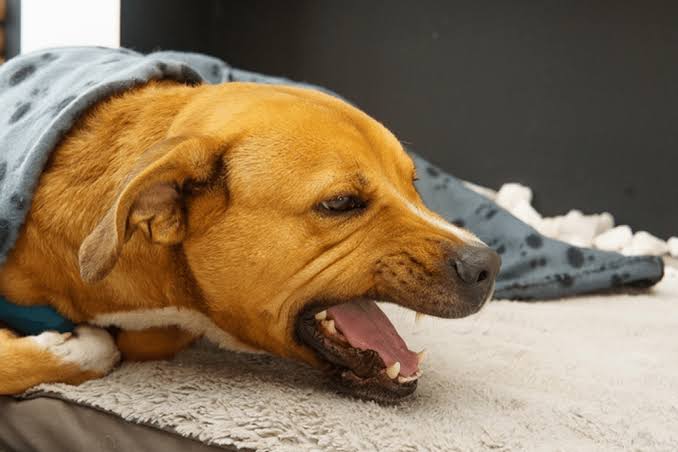
Dogs cough and gag together most often because of kennel cough, throat irritation, or mucus draining from the nose into the throat. The gagging is usually the body’s attempt to clear that irritation.
Less commonly, coughing and gagging can point to a collapsed trachea, heart disease, or a foreign object stuck in the throat. Persistent symptoms lasting more than 24 to 48 hours should always be checked by a vet.
Key Takeaways
- Coughing followed by gagging often points to a lower airway or heart-related issue.
- Gagging followed by coughing more often points to a throat or larynx problem.
- Kennel cough is the single most common cause of a sudden cough-and-gag combination.
- Foreign objects, bloat, and labored breathing are emergencies that need immediate care.
- Puppies, seniors, and small or flat-faced breeds face higher risk of complications.
What Does Coughing and Gagging Actually Look Like?
Coughing and gagging are two different reflexes that often happen back to back. Understanding the difference helps you describe the symptom accurately to your vet.
What a Cough Sounds Like
A dog cough is a forceful expulsion of air, often dry and harsh. Kennel cough specifically produces a honking, goose-like sound that many owners describe as unmistakable.
What Gagging Looks Like
Gagging involves a wide-open mouth and a retching motion, sometimes bringing up a small amount of mucus or foam. Unlike vomiting, gagging does not expel actual stomach contents.
Why the Order Matters
If your dog coughs first and then gags, the issue is more likely coming from the lower airway or heart. If your dog gags first and then coughs, the problem is more likely centered in the throat or larynx.
Common Causes of Coughing and Gagging in Dogs
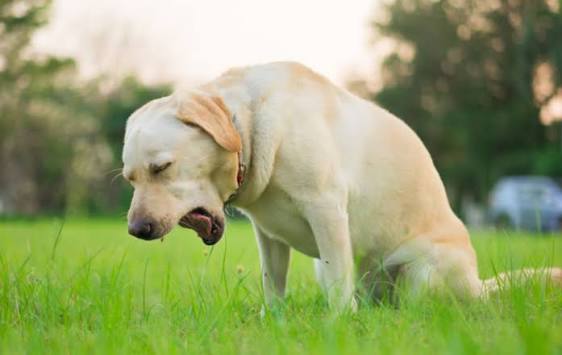
Most cases fall into a handful of well-understood categories. Reviewing them can help you narrow down what might be going on before your vet visit.
Kennel Cough
Kennel cough is a highly contagious respiratory infection caused by bacteria and viruses like Bordetella and canine parainfluenza. It produces a dry, honking cough that is often followed by gagging.
Dogs typically pick it up in kennels, dog parks, daycare, or grooming facilities. Most cases clear up within one to two weeks with rest and supportive care.
Throat or Airway Irritation
Dust, smoke, strong scents, or seasonal allergens can irritate a dog’s throat and trigger repeated coughing and gagging. This type usually resolves once the irritant is removed from the environment.
Postnasal Drip
Nasal or sinus infections can cause fluid to drip down the back of the throat. This drainage often triggers gagging as the body tries to clear it.
Collapsed Trachea
Small breed dogs, especially Chihuahuas and other toy breeds, are prone to a weakening of the cartilage rings that keep the windpipe open. This produces a distinctive honking cough paired with gagging.
Laryngeal Paralysis
This condition affects the nerves controlling the larynx, most often in older or large-breed dogs. Affected dogs typically gag first, followed by a cough, and may also show noisy breathing.
Heart Disease
In older dogs, fluid buildup around the lungs from heart disease can trigger a persistent cough, sometimes with gagging. This type of cough often worsens at night or after exercise.
Foreign Object in the Throat
A stick, toy piece, or bone fragment lodged in the throat can cause sudden, violent coughing and gagging. Dogs often paw at their mouth or face when something is stuck.
Megaesophagus
Dogs with an enlarged esophagus can gag and cough when food or liquid lingers instead of moving down normally. This condition often causes regurgitation shortly after eating.
Bloat (GDV)
Bloat is a life-threatening emergency where the stomach fills with gas and twists on itself. Affected dogs often retch repeatedly without actually vomiting anything up.
Cough-First vs Gag-First: What It Usually Means
| Pattern | Likely Source | Common Causes |
|---|---|---|
| Cough then gag | Lower airway or heart | Kennel cough, pneumonia, heart disease |
| Gag then cough | Throat or larynx | Laryngeal paralysis, foreign object, throat irritation |
| Gagging with no vomit produced | Stomach or esophagus | Bloat, megaesophagus |
| Gagging after eating | Esophagus | Megaesophagus, eating too fast |
Symptoms That Mean You Should Call the Vet
Not every cough or gag needs an emergency visit, but certain signs should never be ignored.
- Labored, fast, or visibly difficult breathing
- Blue or pale gums instead of a healthy pink
- Persistent, repeated retching with nothing coming up
- Pawing at the mouth or visible distress
- Collapse, extreme lethargy, or unwillingness to move
- Coughing or gagging lasting more than 24 to 48 hours
If you notice any of these signs, contact an emergency veterinary clinic right away rather than waiting to see if it improves.
When to Worry vs When to Monitor at Home
| Situation | Action |
|---|---|
| Occasional cough, dog is active and eating normally | Monitor for 24 to 48 hours |
| Persistent honking cough, otherwise healthy | Schedule a vet visit for possible kennel cough |
| Labored breathing or blue gums | Emergency vet visit immediately |
| Repeated retching with nothing produced | Emergency vet visit immediately |
| Gagging right after eating, repeated over days | Vet visit to check for megaesophagus |
What To Do If Your Dog Is Coughing and Gagging
Follow these steps to assess the situation calmly and respond appropriately.
Step 1: Watch Your Dog’s Breathing
Count breaths per minute while your dog is resting. A normal resting rate is around 10 to 30 breaths per minute for most dogs.
Step 2: Check Gum Color
Lift your dog’s lip and check the gums. Pink is normal, while pale, blue, or gray gums signal an emergency.
Step 3: Note the Pattern and Timing
Write down whether the cough or the gag comes first, how often it happens, and when it started. This information helps your vet reach a diagnosis faster.
Step 4: Remove Potential Irritants
Clear the air of candles, air fresheners, smoke, or strong cleaning products. This can help if mild irritation is the cause.
Step 5: Keep Your Dog Calm and Comfortable
Use a harness instead of a collar to reduce pressure on the throat during walks. Let your dog rest in a cool, quiet space with good airflow.
Step 6: Call Your Vet
If symptoms persist beyond a day or two, or if any emergency signs appear, contact your veterinarian right away. Describe the pattern, frequency, and any other symptoms you noticed.
Kennel Cough Home Care Tips
Since kennel cough is the most frequent cause of this symptom combination, a few home care steps can support recovery.
- Use a humidifier or run a hot shower to add moisture to the air.
- Switch from a collar to a harness to reduce throat pressure.
- Keep your dog isolated from other dogs for at least two weeks after symptoms stop.
- Ensure plenty of rest and limit strenuous activity during recovery.
- Watch for worsening symptoms like lethargy or loss of appetite.
Most dogs recover from kennel cough within one to two weeks with supportive care alone.
Mistakes to Avoid
Avoid these common missteps when your dog is coughing and gagging.
- Do not give human cough medicine without veterinary guidance.
- Do not assume it is minor if your dog also shows labored breathing or pale gums.
- Do not delay a vet visit if repeated retching produces nothing.
- Do not ignore gagging that consistently follows meals.
- Do not use a collar during recovery if throat irritation is suspected.
Expert Tip
Veterinarians commonly point out that the order of symptoms, cough first or gag first, offers a useful clue before you even reach the clinic. Sharing that detail, along with breathing rate and gum color, helps your vet narrow down the cause faster.
How Vets Diagnose Coughing and Gagging
A veterinary visit for coughing and gagging typically starts with a full physical exam and a detailed history. Your vet will want to know when symptoms started and whether your dog has been around other dogs recently.
Physical Exam
The vet will listen to your dog’s lungs and heart, check the throat, and feel the trachea for sensitivity. Increased lung sounds can point toward pneumonia or infection.
Blood Work
Blood tests help identify signs of infection or inflammation in the body. They also help rule out other underlying conditions that could explain the symptoms.
Radiographs
X-rays of the neck and chest allow the vet to check for pneumonia, an enlarged esophagus, or heart-related changes. This imaging is especially useful when symptoms are severe or ongoing.
Laryngeal Exam
If laryngeal paralysis or a foreign object is suspected, your vet may recommend sedation for a closer look at the larynx. This allows a safe and thorough examination that would not be possible while the dog is awake.
Coughing and Gagging by Life Stage
Age plays a meaningful role in both risk level and likely cause. Reviewing symptoms through this lens can help you know what to watch for.
Puppies
Puppies have developing immune systems, making them more vulnerable to kennel cough and other respiratory infections. Any puppy showing persistent coughing or gagging should be evaluated by a vet.
Adult Dogs
Healthy adult dogs are the most likely group to have mild, self-resolving causes like temporary irritation or a passing infection. Even so, symptoms lasting more than a couple of days still deserve a vet check.
Senior Dogs
Older dogs face a higher risk of laryngeal paralysis, heart disease, and chronic airway conditions. A persistent cough in a senior dog is worth discussing with your vet sooner rather than later.
Breeds More Prone to Coughing and Gagging
Certain physical traits increase the likelihood of chronic coughing and gagging in specific breeds.
| Breed Group | Common Risk | Why It Happens |
|---|---|---|
| Toy and small breeds | Collapsed trachea | Weak cartilage rings in the windpipe |
| Flat-faced breeds | Airway inflammation | Shortened airway structure |
| Large and giant breeds | Laryngeal paralysis | Nerve weakening with age |
| Senior dogs of any breed | Heart-related cough | Fluid buildup around the lungs |
Knowing your dog’s breed-specific risks can help you recognize a pattern early rather than dismissing it as a one-off cough.
Preventing Coughing and Gagging Episodes
While not every cause is preventable, several habits lower the overall risk.
- Keep vaccinations current, including the Bordetella vaccine for kennel cough.
- Use a harness instead of a collar, especially for small or trachea-prone breeds.
- Avoid exposing your dog to smoke, strong fragrances, or heavy dust.
- Feed meals slowly using a slow-feeder bowl if regurgitation is a pattern.
- Limit close contact with other dogs if a respiratory illness is going around.
Environmental and Lifestyle Triggers
Beyond illness, everyday environmental factors can contribute to occasional coughing and gagging. Identifying these triggers can prevent unnecessary vet visits for mild cases.
Weather and Air Quality
Cold, dry air can irritate a dog’s airway, especially during winter months. Running a humidifier indoors can ease irritation caused by dry heating systems.
Exercise Intensity
Dogs that pull hard on a leash or play intensely can strain their throat, leading to temporary coughing. Switching to a harness often reduces this kind of exercise-related irritation.
Eating Habits
Dogs that eat too quickly may gag or cough as food goes down the wrong way. Slow-feeder bowls or smaller, more frequent meals can help reduce this pattern.
How Long Should You Wait Before Seeing a Vet?
Timing matters when deciding whether to monitor at home or head to the clinic. A general rule of thumb helps guide that decision.
Mild, occasional coughing in an otherwise energetic, eating dog can usually be monitored for 24 to 48 hours. If nothing improves, or if new symptoms appear, a vet visit is the next step.
Any signs of breathing difficulty, blue gums, or repeated unproductive retching should never wait the full 24 to 48 hours. These situations call for same-day or emergency evaluation instead.
Frequently Asked Questions (FAQs)
Why does my dog keep coughing and gagging?
The most common causes are kennel cough, throat irritation, or mucus draining into the throat. Persistent symptoms should be evaluated by a vet.
Is it normal for a dog to gag after coughing?
Occasional gagging after a cough can be normal, especially with kennel cough. Frequent or worsening gagging deserves veterinary attention.
What does kennel cough sound like?
Kennel cough produces a dry, harsh, honking cough that many owners compare to a goose call. It is often followed by a gag or small amount of mucus.
Can allergies cause my dog to cough and gag?
Yes, seasonal allergens and airborne irritants can trigger throat irritation that leads to coughing and gagging. Symptoms often improve once the irritant is removed.
How long does kennel cough usually last?
Most cases resolve within one to two weeks with rest and supportive care. Puppies, seniors, and dogs with weaker immune systems may need longer to recover.
When should I take my dog to the emergency vet for coughing?
Go immediately if your dog shows labored breathing, blue or pale gums, or repeated retching with nothing coming up. These are signs of a potential emergency.
Can small dog breeds be more prone to coughing and gagging?
Yes, small breeds like Chihuahuas are prone to tracheal collapse, which causes a distinctive honking cough. This is a structural issue with the windpipe cartilage.
Could my dog be choking if they are gagging?
Sudden, violent coughing and gagging with pawing at the mouth can indicate a foreign object stuck in the throat. Seek emergency care immediately if choking is suspected.
Does gagging after eating mean something is wrong?
Gagging shortly after meals can point to megaesophagus or eating too quickly. A vet visit is recommended if this happens repeatedly.
Is coughing and gagging ever a sign of heart disease?
Yes, in older dogs, a persistent cough with occasional gagging can be linked to fluid buildup from heart disease. This type of cough often worsens at night or after activity.
Conclusion
Coughing and gagging together is unsettling to witness, but most cases trace back to manageable causes like kennel cough or minor throat irritation. Paying attention to the order of symptoms gives you a useful early clue about where the problem is coming from.
Mild, occasional episodes in an otherwise active, eating dog usually just need monitoring for a day or two. Labored breathing, pale gums, or repeated unproductive retching are signs that call for immediate veterinary care.
Keeping notes on timing, frequency, and any other symptoms will help your vet reach a diagnosis quickly. When in doubt, a call to your veterinarian is always the safest next step.