Why Does My Car Shake When I Accelerate? Easy Fixes 2026

Why does my car shake when I accelerate — that question usually shows up the moment a smooth drive turns into a shaky, unsettling one.
In most cases, the cause traces back to unbalanced tires, worn CV joints, engine misfires, or loose motor mounts. Some fixes are quick and cheap, while others point to a bigger repair worth catching early.
What Does It Mean When Your Car Shakes During Acceleration?

Shaking during acceleration usually means a part responsible for smooth power delivery isn’t doing its job correctly. This can involve tires, the drivetrain, the engine, or the mounts holding everything in place.
The timing and pattern of the shake — whether it worsens with speed, load, or specific RPMs — gives real clues about which system is failing.
Quick Snapshot: Common Causes at a Glance
| Cause | Feels Like | Usually Serious? |
|---|---|---|
| Unbalanced tires | Wobble that grows with speed | No |
| Worn CV joints | Shudder, sometimes clicking | Yes, if ignored |
| Engine misfire | Jerking, hesitation | Yes |
| Loose motor mounts | Shaking that worsens under load | Yes |
| Bent wheel or axle | Vibration, pulling | Yes |
| Warped brake rotors | Pulsing, more felt when braking | Yes |
| Transmission issues | Shudder, rough shifting | Yes |
| Dirty fuel injectors | Hesitation, uneven power | Sometimes |
Common Causes of Shaking When You Accelerate
Unbalanced or Damaged Tires
Tires that are unevenly weighted create a wobble that grows more noticeable as speed increases, especially right after acceleration begins.
A bent wheel, uneven tread wear, or a recent pothole impact can throw off balance even if the tire itself looks fine on the surface.
Worn CV Joints
Constant velocity joints transfer power from the transmission to the wheels while flexing with suspension movement. Once worn, they cause a rhythmic shudder under acceleration.
A clicking sound during turns is a classic early warning sign that a CV joint is starting to fail before the shaking becomes obvious.
Engine Misfires
When a cylinder isn’t firing correctly, the engine loses its rhythm. This often feels like a brief hesitation followed by a jerk or shudder as you press the gas.
Old spark plugs, failing ignition coils, or fouled fuel injectors are the most common causes behind a misfiring cylinder.
Loose or Broken Motor Mounts
Motor mounts keep the engine secured to the frame and absorb normal engine vibration. Once worn, the engine shifts more than it should under load.
This type of shaking is often most noticeable during acceleration or gear shifts, since that’s when engine torque increases the most.
Bent Axle or Driveshaft
Hitting a curb, pothole, or rock hard enough can bend an axle or driveshaft, throwing off the smooth rotation needed for vibration-free acceleration.
This kind of damage tends to get progressively worse, so a bent axle rarely fixes itself and needs prompt replacement.
Warped Brake Rotors
Although more commonly linked to braking, warped rotors can sometimes create a pulsing sensation that’s felt during acceleration too, especially if a caliper is dragging.
A stuck caliper creates constant friction on the wheel even when you’re not braking, which can feel like a vibration under acceleration.
Transmission Problems
A failing transmission often slips or shifts roughly, producing a shudder as you accelerate, particularly during gear changes.
Low, dirty, or contaminated transmission fluid is a frequent underlying cause and one of the easier problems to catch early with routine fluid checks.
Loose Wheel Nuts
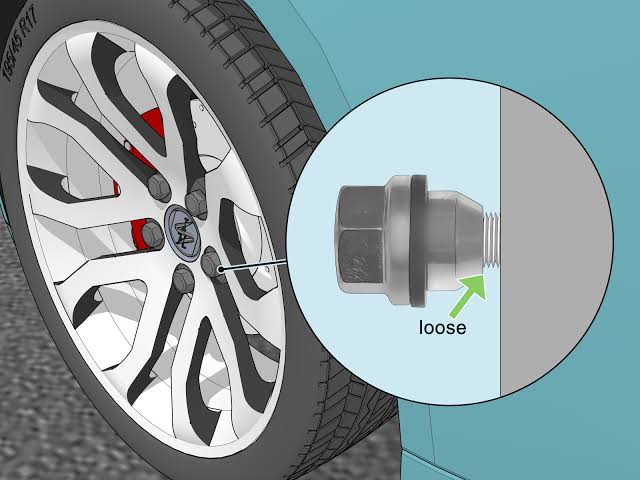
Wheel nuts that have loosened over time can cause a wobble that worsens as you speed up, and this is a safety issue that needs immediate attention.
This is one of the simplest and cheapest causes to fix, but also one of the most dangerous if ignored.
Dirty Fuel Injectors or Clogged Filters
Restricted airflow or uneven fuel delivery disrupts combustion, making the engine hesitate and shake, especially under the extra demand of acceleration.
Routine filter replacement and injector cleaning are inexpensive maintenance steps that often prevent this cause entirely.
Worn Suspension Components
Ball joints, control arm bushings, and shocks all work together to keep the wheels stable. Once worn, the whole vehicle can feel unsettled during acceleration.
This cause tends to worsen at higher speeds and is often paired with uneven tire wear or a steering wheel that feels less precise.
Does the Shaking Location Matter?
Vibration felt mainly in the steering wheel usually points toward the front tires, wheel bearings, or CV joints on that side of the vehicle.
Shaking felt through the seat or floor is more often linked to the driveshaft, transmission mounts, or rear-end drivetrain components.
Comparison Table: Cause vs Symptom Pattern vs Fix
| Cause | Symptom Pattern | Typical Fix |
|---|---|---|
| Unbalanced tires | Worse with speed, steady | Tire balancing |
| CV joints | Shudder, clicking in turns | CV joint replacement |
| Engine misfire | Jerking, rough idle | Spark plugs, coils |
| Motor mounts | Worse under load | Mount replacement |
| Bent axle | Constant vibration | Axle replacement |
| Brake rotor | Pulsing, worse braking | Rotor resurfacing/replacement |
| Transmission | Shudder while shifting | Fluid change, transmission service |
| Loose wheel nuts | Wobble, worsening fast | Retorque to spec |
Why Does It Only Shake When I Accelerate Hard?
Heavier acceleration puts more torque through the drivetrain, which can expose weak CV joints, worn motor mounts, or misfires that stay hidden during gentle driving.
If the shaking only appears under hard acceleration and disappears at a steady cruise, the drivetrain and engine mounts are the most likely suspects.
Why Does My Car Shake at Low Speeds but Not High Speeds?
Shaking that fades as speed increases is more often linked to engine issues like misfires, since the problem is tied to RPM rather than wheel rotation.
Shaking that appears at low speed and grows worse as you go faster typically points back toward tires, CV joints, or wheel balance instead.
New Tires and Sudden Shaking
If shaking started right after new tires were installed, imbalance is the most likely explanation, since the weights may not have been set correctly.
A quick return trip to the tire shop for a rebalance usually resolves this without any further cost.
Warning Signs That Mean Stop Driving
Metal-on-metal clunking sounds alongside shaking are a sign to stop and arrange a tow rather than continue driving.
A burning smell, sudden loss of power, or a dashboard warning light appearing alongside the shake all point toward a problem that shouldn’t wait.
Shaking that gets noticeably worse within a single drive is a sign the issue is actively progressing and needs immediate attention.
How Mechanics Diagnose Shaking Under Acceleration
A technician typically starts by taking the car for a test drive to feel exactly when the vibration appears and how it changes with speed and load.
Diagnostic tools can measure vibration frequency, helping separate a rotational issue like tires or driveshaft from an internal one like an engine misfire.
A visual inspection of tires, CV joints, motor mounts, and driveshaft components usually follows to confirm the suspected cause.
DIY Checks You Can Do Before the Shop
Inspect tire tread for uneven wear patterns, which can hint at balance or alignment issues before you even leave the driveway.
Check wheel lug nuts with a torque wrench if you’ve recently had tire work done, since loose nuts are a quick, cheap thing to rule out.
Look underneath the car for obvious signs of a bent axle, like dents or grease around the CV joint boots.
Listen for a clicking sound while turning at low speed, which is a strong hint of a failing CV joint.
Repair Costs You Can Expect
| Repair | Typical Cost Range |
|---|---|
| Tire balancing | Low |
| Spark plug replacement | Low to moderate |
| CV joint replacement | Moderate |
| Motor mount replacement | Moderate |
| Axle replacement | Moderate to high |
| Transmission repair | High |
Preventing Shaking Before It Starts
Rotating and balancing tires every 5,000 to 7,000 miles helps catch uneven wear before it turns into a noticeable vibration.
Sticking to scheduled spark plug, filter, and fluid replacements keeps the engine and transmission running smoothly and reduces misfire risk.
Having motor mounts and suspension components inspected during routine service visits catches wear before it becomes a bigger, more expensive repair.
Avoiding hard curb strikes and slowing down for potholes protects axles, wheels, and suspension parts from sudden impact damage.
Cold Weather and Shaking
Some mild vibration during startup in cold weather is normal, especially as fluids thicken and engine components haven’t reached operating temperature yet.
Persistent shaking that continues well after warm-up, even in winter, still points toward one of the underlying mechanical causes rather than the cold itself.
How Load and Cargo Affect Shaking
Carrying extra weight puts additional strain on CV joints, axles, and suspension components, which can make an existing minor issue much more noticeable.
If shaking only appears when the car is loaded down, it’s a strong hint that a drivetrain or suspension component is already partially worn.
When to See a Mechanic Immediately vs Schedule Later
Mild shaking that’s consistent and not worsening can usually be scheduled within the next week or two without major risk.
Shaking accompanied by unusual noises, smells, warning lights, or a sudden change in intensity should be treated as a same-day priority.
Front-Wheel Drive vs Rear-Wheel Drive Shaking Differences
Front-wheel-drive vehicles are more prone to CV joint related shaking, since those joints handle both power delivery and steering movement at the front wheels.
Rear-wheel and all-wheel-drive vehicles more commonly show driveshaft-related vibration, which can feel similar but usually points toward u-joints instead of CV joints.
Understanding your vehicle’s drivetrain layout can help you and your mechanic narrow down likely causes before a single part is even inspected.
How Speed Range Helps Narrow Down the Cause
Vibration that starts around 20 to 40 mph and grows worse often points toward tire balance or a bent wheel rather than an engine issue.
Vibration that appears specifically between 40 and 50 mph can sometimes indicate a stuck brake caliper, even though it’s felt during acceleration.
Shaking that appears only above 60 mph is more commonly linked to wheel alignment or worn suspension components than to the engine or tires alone.
Engine RPM and Shaking Patterns
Shaking tied to a specific RPM range, rather than road speed, points more strongly toward an engine or transmission cause than a wheel-related one.
A rough idle that smooths out once RPMs rise, but returns during acceleration, often signals a misfire that only shows up under load.
The Role of Regular Maintenance Records

943745
Keeping a simple log of tire rotations, fluid changes, and any recent repairs helps a mechanic spot patterns faster when diagnosing new vibration.
Mentioning any recent pothole strikes, curb hits, or new part installations can significantly shorten diagnostic time at the shop.
Common Mistakes Drivers Make With a Shaking Car
Continuing to drive normally while ignoring mild shaking is one of the most common mistakes, since many causes worsen steadily over time.
Assuming new tires automatically rule out a tire-related cause is another common error, since installation issues or incorrect balancing can still occur.
Delaying an inspection because the shaking is intermittent can allow a smaller, cheaper problem to develop into a larger repair.
Shaking in Automatic vs Manual Transmission Vehicles
Automatic transmissions that shudder during acceleration often point toward a failing torque converter or degraded transmission fluid.
Manual transmissions are less prone to this specific shudder but can still shake from a worn clutch or damaged flywheel under acceleration.
Electric and Hybrid Vehicle Considerations
Electric vehicles lack a traditional combustion engine, so shaking during acceleration is more likely linked to tires, CV joints, or motor mounts than misfires.
Hybrid vehicles can experience shaking from either the combustion engine side or the electric motor side, making a professional diagnostic scan especially useful.
Weather and Road Conditions That Worsen Shaking
Cold weather can make existing motor mount or suspension wear more noticeable, since stiffened rubber components absorb vibration less effectively.
Rough or poorly maintained roads can mask or worsen underlying vibration issues, making it harder to identify the true cause without a smooth test route.
Insurance and Warranty Considerations
Some vibration-related repairs, like those caused by a manufacturing defect in a motor mount or drivetrain component, may be covered under a factory warranty.
Collision-related causes, like a bent axle from an accident, may be covered by auto insurance depending on your policy and the circumstances involved.
Choosing the Right Shop for Diagnosis
A shop with vibration-specific diagnostic tools can measure frequency and pinpoint whether the cause is rotational or internal, saving time compared to guesswork alone.
Ask whether the shop offers a road test as part of the initial inspection, since this is often the fastest way to reproduce and identify the exact vibration pattern.
Getting a second opinion for a costly recommended repair, like a transmission overhaul, is a reasonable step before committing to major spending on a fix you’re unsure about, especially for older vehicles.
Long-Term Effects of Ignoring Acceleration Shaking
Continued driving with worn CV joints can eventually lead to complete joint failure, which may leave a vehicle undrivable and requires towing.
Unaddressed engine misfires can damage the catalytic converter over time, turning a relatively inexpensive spark plug fix into a much costlier repair.
Loose motor mounts left unrepaired can place extra stress on exhaust components and other engine attachments as the engine shifts more than designed.
Building a Vibration Diagnosis Checklist
Note the exact speed range where shaking starts and whether it changes with acceleration, braking, or steady cruising.
Record whether the vibration is felt through the steering wheel, seat, or pedals, since location narrows down the likely source significantly.
Pay attention to any accompanying sounds, like clicking, clunking, or grinding, and when exactly they occur during the drive.
Bring this information to your mechanic to speed up the diagnostic process and potentially reduce labor costs tied to troubleshooting time.
Why Addressing Shaking Early Saves Money
Most vibration-related repairs are far cheaper when caught early, since a small imbalance or minor wear issue is easier to correct than a fully failed component.
Ignoring early shaking often leads to secondary damage in connected systems, turning a single-part repair into a multi-part replacement job.
Regular inspections built into routine maintenance visits catch many of these issues before they ever produce a noticeable shake behind the wheel.
Sticking to a consistent maintenance schedule, rather than waiting for symptoms to appear, remains the most reliable way to avoid acceleration shaking altogether.
How Vehicle Age and Mileage Play a Role
Older vehicles naturally accumulate wear across tires, mounts, and drivetrain components, making occasional shaking more common as mileage climbs.
High-mileage vehicles benefit from more frequent inspections, since parts like CV joints and motor mounts have a finite lifespan tied closely to total miles driven.
Newer vehicles that shake shortly after purchase are more likely dealing with a manufacturing defect or improperly torqued component from a recent service visit rather than normal wear.
Frequently Asked Questions (FAQs)
1. Why does my car shake when I accelerate from a stop?
This often points to worn CV joints or motor mounts, since heavy torque at low speed exposes these weaknesses first.
2. Can low transmission fluid cause shaking?
Yes, low or dirty transmission fluid disrupts smooth gear engagement, causing shudder during acceleration and shifting.
3. Is it safe to drive with a shaking car?
Mild shaking is usually safe short-term, but ignoring it risks further damage and should be checked soon.
4. Can bad gas cause my car to shake?
Yes, low-quality or contaminated fuel can disrupt combustion and cause hesitation or shaking under acceleration.
5. Why does my car shake only at highway speed?
High-speed shaking is often linked to unbalanced tires or worn suspension components rather than engine issues.
6. Can a dirty air filter cause shaking?
Yes, restricted airflow disrupts the air-fuel mixture, which can cause hesitation and mild shaking under load.
7. Does an oil change fix shaking?
Not directly, but poor lubrication can contribute to engine roughness, so regular oil changes support overall smoothness.
8. Why does my car jerk and shake when shifting gears?
This usually points to transmission fluid issues or a failing torque converter rather than the engine itself.
9. Can worn tires alone cause shaking?
Yes, uneven tread wear changes tire balance and can create noticeable vibration, especially as speed increases.
10. How much does it cost to fix a shaking car?
Costs vary widely, from a low-cost tire rebalance to a higher-cost transmission or axle repair.
Conclusion
A car shaking when you accelerate almost always traces back to one of a handful of causes: unbalanced tires, worn CV joints, engine misfires, loose motor mounts, or a struggling transmission.
Paying attention to exactly when the shake happens — at low speed, high speed, under hard acceleration, or during gear shifts — gives you and your mechanic a real head start on diagnosis.
Some fixes, like tire balancing or tightening wheel nuts, are quick and affordable. Others, like a failing CV joint or transmission issue, are more involved but far cheaper to address early than after further damage.
If the shaking comes with unusual noises, smells, or warning lights, don’t wait it out. A prompt inspection protects both your wallet and your safety on the road.