Why Do You Cough More at Night? Causes and Relief 2026

Why do you cough more at night is a question almost everyone asks after a few sleepless hours. A cough that feels manageable during the day can suddenly turn relentless the moment you lie down.
Why You Cough More at Night
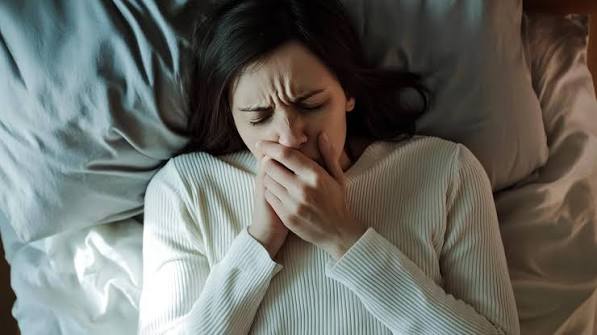
You cough more at night mainly because lying flat lets mucus pool in your throat instead of draining away. Your circadian rhythm also ramps up immune activity at night, and dry bedroom air, allergens, and acid reflux add extra irritation to already sensitive airways.
The Main Reason: Gravity and Mucus
During the day, gravity helps mucus drain naturally down the back of your throat and out of your airways. Lying down removes that advantage completely.
Mucus starts to pool in your throat instead, and your body triggers a cough reflex to clear it. This single mechanism explains why so many different illnesses feel worse right after you go to bed.
How Your Body Position Makes It Worse
Lying flat on your back allows the most mucus to collect at the back of the throat. This same position also makes it easier for stomach acid to travel upward if you have reflux.
Side sleeping or slightly elevating your head can reduce both of these effects, which is why doctors often recommend a small change in sleep position first.
Common Causes of Nighttime Coughing
Several conditions and environmental factors combine to make coughing worse after dark. Most nighttime coughs come down to one or more of these causes.
Postnasal Drip
Postnasal drip happens when mucus from your sinuses drips down the back of your throat. It is often triggered by allergies, colds, or sinus infections.
When you lie down, this mucus pools instead of draining forward, which irritates your throat and triggers coughing.
Acid Reflux (GERD)
Gastroesophageal reflux disease lets stomach acid travel back up into the throat, especially while lying flat. This acid irritates sensitive tissue and can trigger a chronic nighttime cough.
Reflux related coughing often comes with a sour taste, heartburn, or a hoarse voice in the morning.
Asthma
Asthma symptoms frequently worsen at night due to natural changes in lung function and airway inflammation. This pattern is common enough that doctors have a specific term for it, nocturnal asthma.
If your cough comes with wheezing or chest tightness, asthma is worth discussing with a doctor.
Your Circadian Rhythm
Your body’s internal clock does more than manage sleep. It also regulates immune activity, including the release of cytokines that fight infection.
This immune activity tends to increase at night, which can intensify cough related symptoms while you are trying to sleep.
Dry Air and Environmental Irritants

Dry bedroom air can irritate the throat and airways, making a mild daytime cough feel much worse overnight. Smoke, strong fragrances, and other pollutants have a similar effect.
A humidifier can help restore some moisture to the air, especially during colder months when indoor heating dries things out further.
Allergens in Your Bedroom
Dust mites, pet dander, and mold in bedding or carpets are common nighttime cough triggers. Since you spend hours in close contact with your bedding, allergen exposure adds up quickly overnight.
Washing sheets weekly in hot water can meaningfully reduce dust mite exposure.
Chronic Lung Conditions
Chronic bronchitis and COPD often cause persistent coughing that intensifies at night. Airway inflammation combined with mucus pooling makes breathing more difficult while lying down.
Heart Failure
In some cases, fluid buildup in the lungs from heart failure can cause coughing that worsens when lying flat. This type of cough often improves somewhat when sitting upright.
This cause is less common but serious, so it deserves medical evaluation if other explanations do not fit.
Types of Nighttime Cough and What They Suggest
The character of your cough can offer useful clues about its cause.
| Cough Type | Possible Cause |
|---|---|
| Dry, tickly cough | Dry air, mild asthma, early cold |
| Wet, mucus filled cough | Postnasal drip, infection |
| Cough with sour taste | Acid reflux (GERD) |
| Cough with wheezing | Asthma |
| Cough worse lying flat, better sitting up | Possible fluid buildup, needs medical review |
How Long Nighttime Coughs Typically Last
Most nighttime coughs tied to a cold or minor irritation clear up within one to two weeks as the underlying illness resolves. Allergy related coughs can last as long as the allergen exposure continues, whether that is a few weeks in spring or year round with pet dander.
Coughs linked to asthma, GERD, or chronic lung conditions can persist for months without proper treatment. Tracking how long your cough has lasted is one of the simplest ways to judge whether home care is enough or a doctor visit is needed.
Key Takeaway

A cough lasting less than three weeks is usually linked to a cold, allergies, or mild irritation. A cough lasting longer than eight weeks is considered chronic and generally needs a medical evaluation.
How to Stop Coughing at Night
Several simple changes can reduce nighttime coughing without medication.
Elevate Your Head While Sleeping
Propping your head up with an extra pillow helps prevent mucus and acid from pooling in your throat. Even a small elevation can make a noticeable difference.
Use a Humidifier
Adding moisture to dry bedroom air soothes irritated airways and reduces coughing triggered by dryness. Aim for a comfortable indoor humidity rather than an extremely damp environment.
Try Honey Before Bed
A spoonful of honey before bedtime can help soothe throat irritation for adults and children over one year old. Studies have shown it may reduce cough frequency about as well as some over the counter cough suppressants.
Stay Hydrated
Drinking water throughout the day helps thin mucus, making it easier for your body to clear naturally. Avoid heavy fluid intake right before bed if reflux is a concern.
Avoid Trigger Foods Before Bed
If reflux plays a role, avoid spicy, fatty, or acidic foods for a few hours before sleeping. Eating dinner earlier in the evening also gives your stomach more time to settle.
Wash Bedding Regularly
Washing sheets and pillowcases weekly in hot water reduces dust mites and other allergens. Vacuuming your bedroom regularly helps as well.
Consider an Air Purifier
An air purifier with a HEPA filter can reduce airborne allergens and irritants in your bedroom. This is especially useful if pet dander or seasonal pollen tends to worsen your cough.
Home Remedies vs Medical Treatment
Not every nighttime cough needs medication, but some do require professional care.
| Approach | Best For | Limitations |
|---|---|---|
| Honey and hydration | Mild, short term coughs | Not enough for chronic conditions |
| Humidifier or air purifier | Dry air, mild allergens | Does not treat underlying illness |
| Over the counter cough medicine | Occasional cold related cough | Should not be used long term without guidance |
| Prescription treatment | Asthma, GERD, chronic bronchitis | Requires a proper diagnosis |
Best Sleep Position for Reducing Cough
Sleeping on your side with your head slightly elevated is generally the most helpful position for nighttime coughing. This reduces mucus pooling and limits how easily acid can travel upward.
Avoid sleeping flat on your back if reflux or postnasal drip is a suspected trigger.
Bedroom Habits That Reduce Nighttime Coughing
Beyond sleep position, a few ongoing bedroom habits can noticeably cut down on cough triggers over time.
- Keep pets out of the bedroom if dander is a suspected trigger
- Replace pillows every one to two years since they collect dust and allergens
- Use allergen proof covers on mattresses and pillows
- Keep bedroom humidity between 30 and 50 percent
- Avoid scented candles or strong air fresheners near the bed
When Nighttime Coughing Is a Medical Emergency
Most nighttime coughs are uncomfortable but not dangerous. Certain symptoms mean you should seek care right away.
- Coughing up blood
- Severe shortness of breath
- Chest pain along with coughing
- High fever that does not improve
- Swelling in the legs along with a cough that worsens lying flat
When to See a Doctor
A cough lasting more than three weeks deserves medical attention, even without emergency symptoms. This is especially true if it disrupts your sleep on a regular basis.
A doctor can help identify whether asthma, GERD, allergies, or another condition is behind your symptoms. Getting an accurate diagnosis makes treatment far more effective than guessing at home remedies alone.
Mistakes to Avoid
A few common habits can make nighttime coughing worse without you realizing it.
- Sleeping completely flat when reflux is suspected
- Ignoring a cough that lasts longer than three weeks
- Relying only on cough suppressants without addressing the cause
- Skipping regular bedding washes if allergies are a factor
- Eating a large meal right before bed
Nighttime Cough in Children
Children often experience nighttime coughing for the same core reasons as adults, though postnasal drip and asthma tend to be especially common triggers. A dry, barking cough in a young child can also point to croup, which usually improves with cool or humid air.
Honey can help soothe a child’s cough, but it should never be given to children under one year old due to the risk of infant botulism. Parents should contact a pediatrician for any cough that lasts more than a week or comes with fever or breathing difficulty.
How Seasons Affect Nighttime Coughing
Cough patterns often shift with the seasons. Winter brings dry indoor heating and more cold and flu circulation, while spring and summer bring pollen related allergy flare ups.
Adjusting your approach seasonally, such as running a humidifier in winter and an air purifier during high pollen months, can meaningfully reduce nighttime symptoms year round.
Medications and Nighttime Coughing
Certain medications, particularly ACE inhibitors used for blood pressure, are known to cause a chronic dry cough in some people. This type of cough can appear or worsen at night along with everything else discussed here.
If you started a new medication around the same time your nighttime cough began, mention this timing to your doctor. Switching medications sometimes resolves the cough completely.
Frequently Asked Questions (FAQs)
Why do I cough more at night than during the day?
Lying flat lets mucus pool in your throat instead of draining naturally. Your immune activity also rises at night, which can intensify cough related symptoms.
Does lying on my back make coughing worse?
Yes, lying flat on your back allows the most mucus buildup at the back of the throat. It can also make acid reflux worse, adding to nighttime coughing.
Can acid reflux really cause a cough?
Yes, GERD is a well documented cause of chronic nighttime cough. Stomach acid irritates the throat and airways more easily when you are lying down.
Is a nighttime cough a sign of asthma?
It can be. Nocturnal asthma is a recognized pattern where airway inflammation worsens overnight, often with wheezing or chest tightness.
Does dry air make nighttime coughing worse?
Yes, dry indoor air irritates the throat and airways, especially during colder months with indoor heating. A humidifier can help ease this type of cough.
How can I stop coughing at night quickly?
Elevating your head, sipping water, and trying a spoonful of honey can offer quick relief. A humidifier also helps if dry air is contributing to the irritation.
Should I sleep sitting up if I have a bad cough?
Slightly elevating your head with an extra pillow is usually enough for most people. Fully sitting up is not necessary unless a doctor recommends it for a specific condition.
When should I see a doctor about a nighttime cough?
See a doctor if your cough lasts longer than three weeks or disrupts your sleep regularly. Seek immediate care if you notice blood, severe shortness of breath, or chest pain.
Can allergies cause coughing only at night?
Yes, allergens in bedding like dust mites and pet dander build up close to your face overnight. This can trigger a cough that seems worse only after you go to bed.
Is honey effective for a nighttime cough?
Yes, a spoonful of honey before bed can soothe throat irritation for adults and children over one year old. Research suggests it may work about as well as some over the counter cough remedies.
Conclusion
So, why do you cough more at night? The short answer comes down to gravity, your circadian rhythm, and a mix of triggers like postnasal drip, acid reflux, asthma, or dry bedroom air. Once you understand which of these applies to you, relief often becomes much easier to find.
Simple steps like elevating your head, using a humidifier, and washing bedding regularly help many people significantly. If your cough lasts more than three weeks or disrupts your sleep night after night, it is worth talking to a doctor to identify the underlying cause and get proper treatment.