Why Do Wisdom Teeth Hurt? Causes, Signs & Fixes 2026
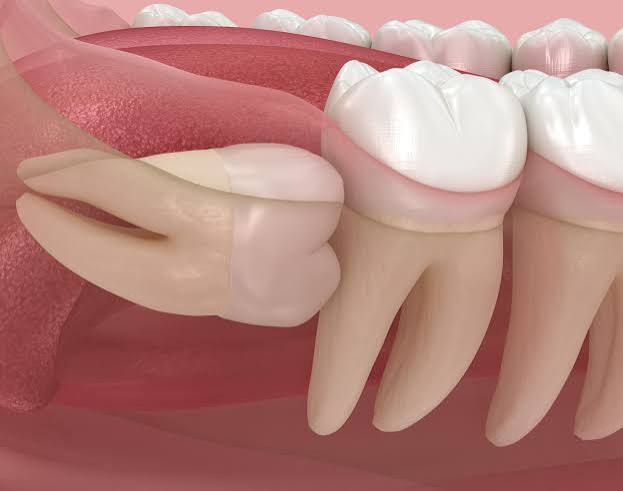
That dull ache at the very back of your jaw usually shows up right when you least expect it. If you’re wondering why do wisdom teeth hurt, the answer almost always comes down to a lack of space.
Wisdom teeth are the last teeth to erupt, and by the time they try to come in, your jaw often has nowhere to put them. That crowding is what leads to pain, swelling, and infection.
Why Do Wisdom Teeth Hurt?
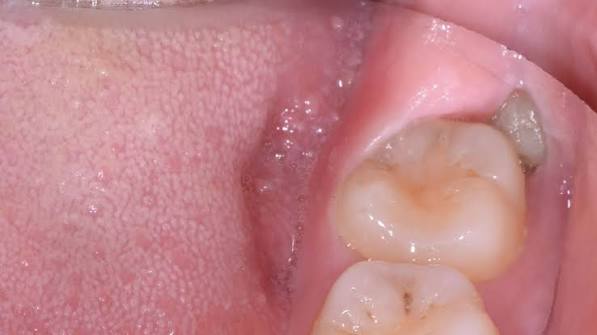
Wisdom teeth usually hurt because there isn’t enough room in the jaw for them to erupt normally. This causes the tooth to grow at an angle, get trapped under the gum, or push against nearby teeth, all of which trigger pain and inflammation.
Pain can also come from infection around a partially erupted tooth. If pain is severe, spreading, or paired with fever, that combination needs prompt dental attention.
Why Wisdom Teeth Hurt in the First Place
Wisdom teeth, also called third molars, typically emerge between the late teens and mid-twenties. By this age, the jaw has usually finished growing, leaving little to no extra space for new teeth.
When there isn’t enough room, the tooth can’t erupt the way it’s supposed to. This mismatch between tooth size and available space is the root cause of most wisdom tooth pain.
What Does It Mean for a Wisdom Tooth to Be Impacted?
An impacted wisdom tooth is one that’s partially or fully trapped under the gum or jawbone. It can’t fully break through into its normal position.
Impaction can happen at different angles. Some teeth grow sideways, some press into the neighboring molar, and others stay fully buried and simply push against surrounding structures.
Partial Impaction
A partially impacted tooth has broken through the gum but hasn’t fully emerged. This creates a small flap of gum tissue over part of the tooth.
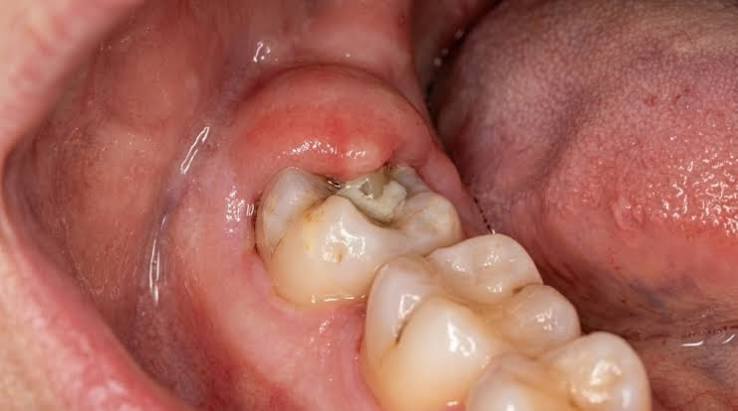
That flap can trap food and bacteria underneath it, leading to a common infection called pericoronitis. This is one of the most frequent causes of sudden, sharp wisdom tooth pain.
Full Impaction
A fully impacted tooth remains completely covered by gum tissue or bone. It may still cause pain by pressing against nearby teeth, nerves, or the jawbone itself.
Full impaction is often discovered on a routine dental X-ray, since pain doesn’t always develop right away.
Common Causes of Wisdom Tooth Pain
Several overlapping issues can cause the ache, pressure, or sharp pain associated with wisdom teeth.
Lack of Jaw Space
This is the most common underlying cause of wisdom tooth pain. Without enough room, the tooth can’t erupt in proper alignment with the rest of your teeth.
Pressure on Neighboring Teeth
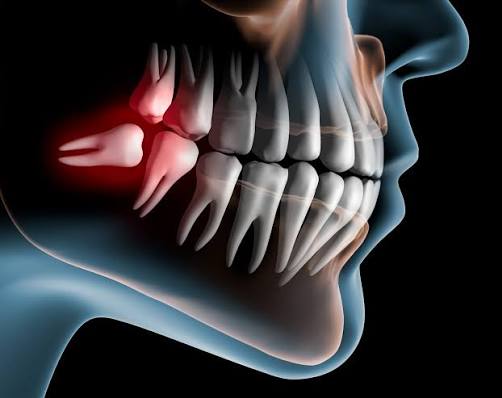
An angled wisdom tooth can push directly into the molar next to it. This pressure often causes a dull, aching pain that comes and goes as the tooth continues shifting.
Infection (Pericoronitis)
When a gum flap covers part of an erupting tooth, food and bacteria can get trapped underneath. The resulting infection, called pericoronitis, causes swelling, tenderness, and often a bad taste or odor in the mouth.
Cysts or Tissue Damage
In some cases, a fluid-filled cyst can form around an impacted tooth. Left untreated, this can damage the jawbone or nearby tooth roots over time.
Jaw and Nerve Pressure
Because wisdom teeth sit near major nerves and the jaw joint, pressure from an impacted tooth can radiate beyond the mouth. This is why some people experience headaches, ear discomfort, or jaw stiffness alongside tooth pain.
Common Wisdom Tooth Pain Symptoms
Not every symptom shows up at once, and severity varies from person to person.
- Aching or throbbing pain at the back of the jaw
- Red, swollen, or bleeding gums
- Persistent bad breath or an unpleasant taste
- Difficulty fully opening your mouth
- Swelling along the jaw or cheek
- Pain that radiates toward the ear or head
Types of Wisdom Tooth Impaction
The direction a wisdom tooth grows affects both symptoms and treatment complexity.
| Impaction Type | Description | Common Symptoms |
|---|---|---|
| Vertical | Tooth is upright but still trapped under the gum | Mild to moderate pressure, gum swelling |
| Mesial (angled forward) | Tooth leans into the neighboring molar | Aching pain, pressure on adjacent tooth |
| Distal (angled backward) | Tooth leans away from other teeth | Less common, often less symptomatic early on |
| Horizontal | Tooth grows sideways into the jawbone | More significant pain, higher removal complexity |
When Wisdom Tooth Pain Needs a Dentist
Not all wisdom tooth discomfort requires immediate treatment, but certain signs shouldn’t be ignored.
- Pain that’s severe, sudden, or steadily worsening
- Visible swelling of the jaw, cheek, or gums
- Fever alongside mouth or jaw pain
- Pus, foul taste, or persistent bad breath
- Difficulty opening your mouth or swallowing
A dentist can determine through an exam and X-rays whether the tooth needs monitoring or removal. Some dentists also recommend removing impacted wisdom teeth that aren’t yet symptomatic, to prevent future complications.
Temporary Relief While You Wait for Treatment
These steps can ease discomfort but don’t replace professional dental care.
- Rinse gently with warm salt water to reduce bacteria and soothe gums
- Apply a cold compress to the outside of the cheek to reduce swelling
- Use over-the-counter pain relievers as directed on the label
- Avoid chewing directly on the painful side
- Maintain gentle brushing around the area without aggravating swollen gum tissue
Mistakes to Avoid With Wisdom Tooth Pain
A few common habits can make wisdom tooth problems worse or delay proper treatment.
- Ignoring pain in hopes it resolves on its own
- Skipping dental exams because there’s no pain yet
- Delaying care once swelling or fever develops
- Relying only on home remedies for an ongoing infection
- Assuming all wisdom tooth pain requires extraction without an evaluation
Frequently Asked Questions (FAQs)
Why do wisdom teeth hurt more than other teeth?
They often lack the space to erupt properly, leading to pressure, impaction, and infection that other teeth don’t typically experience.
What does an impacted wisdom tooth feel like?
It often feels like a dull ache or pressure at the back of the jaw, sometimes with swelling or difficulty opening your mouth.
Can a wisdom tooth hurt without being impacted?
Yes, even fully erupted wisdom teeth can cause discomfort if they’re hard to clean or crowd nearby teeth.
Why does my jaw hurt near my wisdom tooth?
Pressure from an impacted tooth can affect the jaw joint and surrounding nerves, causing pain beyond the tooth itself.
Can wisdom tooth pain cause headaches?
Yes, pressure from an impacted tooth can radiate toward nearby nerves, sometimes triggering headaches or ear discomfort.
What is pericoronitis?
It’s an infection that occurs when gum tissue partially covers an erupting wisdom tooth, trapping bacteria and food underneath.
Do all impacted wisdom teeth need to be removed?
Not necessarily, but many dentists recommend removal if the tooth causes symptoms or is likely to cause future problems.
How do I know if my wisdom tooth is infected?
Signs include swelling, bad taste or odor, fever, and pain that worsens rather than improves.
Can wisdom tooth pain go away on its own?
Mild discomfort may ease temporarily, but underlying impaction or infection typically needs professional treatment.
Why does wisdom tooth pain come and go?
Pressure from a shifting or partially erupted tooth can fluctuate, causing pain to appear and subside intermittently.
Is it normal for wisdom teeth to hurt for weeks?
Prolonged pain isn’t typical and should be evaluated by a dentist to rule out infection or ongoing impaction issues.
Can wisdom teeth cause ear pain?
Yes, shared nerve pathways between the jaw and ear can cause wisdom tooth pain to feel like it’s coming from the ear.
What happens if an impacted wisdom tooth is left untreated?
It can lead to infection, damage to nearby teeth, cyst formation, or worsening jaw pain over time.
At what age do wisdom teeth typically cause problems?
Symptoms often appear between the late teens and mid-twenties, when wisdom teeth are erupting.
Can over-the-counter pain relievers help with wisdom tooth pain?
Yes, they can provide temporary relief, but they don’t address the underlying cause of impaction or infection.
Why does opening my mouth wide hurt near my wisdom tooth?
Swelling and pressure near the jaw joint from an impacted tooth can make full mouth opening uncomfortable or difficult.
Can wisdom tooth pain mean I need surgery?
It can, especially if the tooth is impacted or repeatedly infected, though not every case requires surgical removal.
Do wisdom teeth always become impacted?
No, some people have enough jaw space for wisdom teeth to erupt normally without impaction.
Why do my other teeth feel pressure when my wisdom tooth hurts?
An angled wisdom tooth can push directly against the neighboring molar, creating pressure that feels like it’s coming from multiple teeth.
Should I see a dentist even if my wisdom tooth pain is mild?
Yes, an evaluation can catch early impaction or infection before symptoms become more serious.
Conclusion
Wisdom teeth hurt mainly because there isn’t enough space in the jaw for them to erupt properly, leading to impaction, pressure on nearby teeth, or infection. Symptoms range from mild aching to significant swelling and pain that radiates beyond the mouth.
Mild, occasional discomfort can sometimes be managed at home, but worsening pain, swelling, or fever call for a dental evaluation. Catching problems early, whether through symptoms or a routine X-ray, makes treatment simpler and helps prevent complications like infection or cyst formation.