Why Do We Have Eyelashes? The Surprising Reason 2026
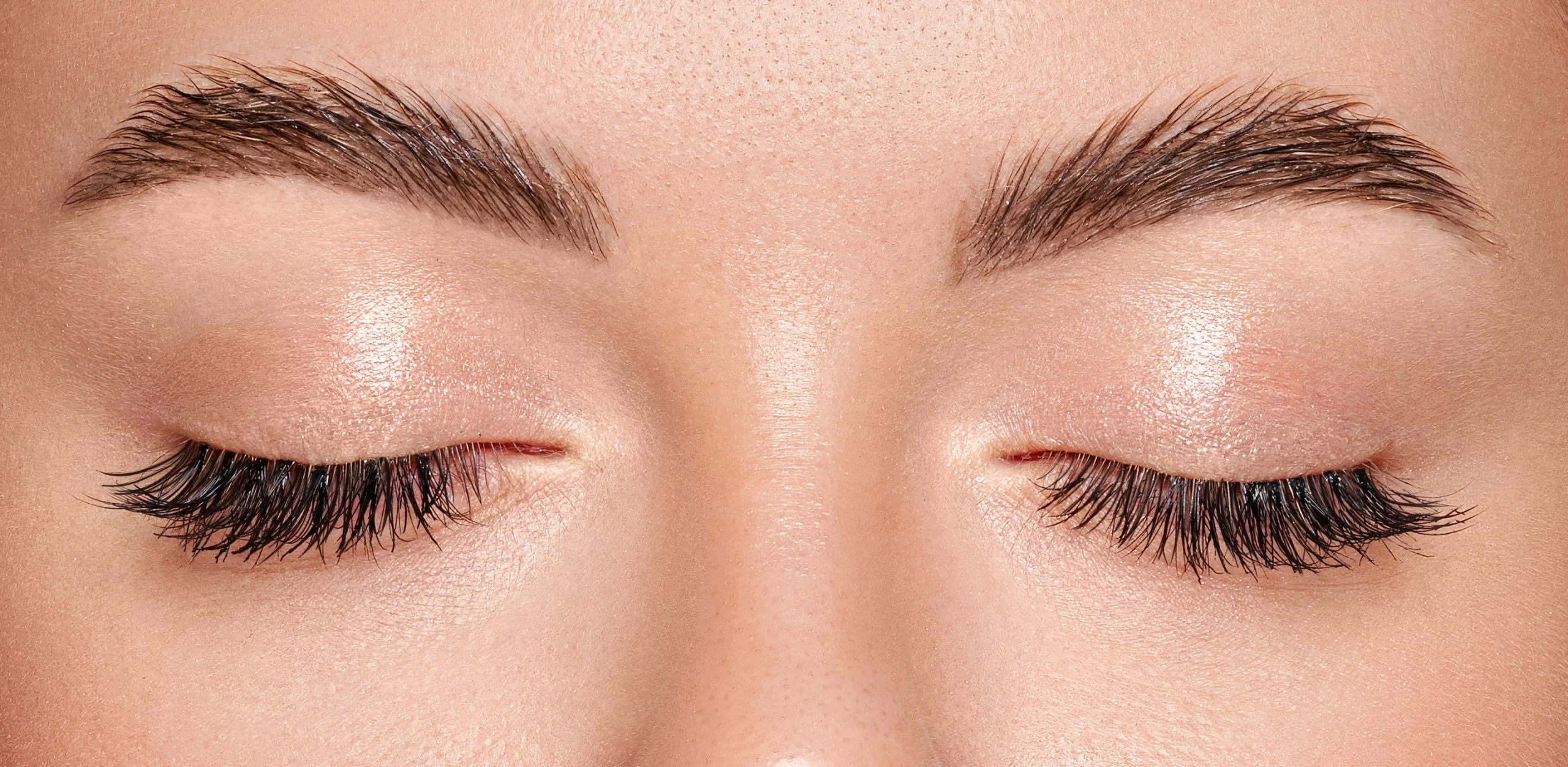
Why do we have eyelashes when they might seem like just another small detail of the face? It turns out these tiny hairs are doing far more work than most people realize.
Eyelashes are one of the body’s most specialized protective structures, engineered to guard the eyes without you ever thinking about it.
Most people never think twice about their eyelashes until something changes, whether that is an eyelash extension trend or unexpected thinning. Understanding the biology behind them makes it easier to appreciate why gentle care actually matters.
Why Do We Have Eyelashes?
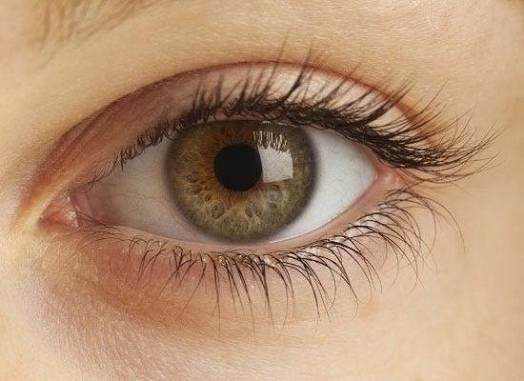
Eyelashes exist to protect the eyes from dust, debris, and moisture while also triggering a protective blink reflex. They act as a physical barrier and an early warning sensor at the same time.
Research also shows eyelashes help reduce tear evaporation, keeping the eyes properly lubricated throughout the day. Their curved shape and specific length are not random, but the result of evolved eye protection.
Key Takeaways
- Eyelashes physically block dust, dirt, and small particles from reaching the eye.
- They act as sensors, triggering a reflexive blink when something gets close.
- Eyelashes help channel sweat and rain away from the eyes.
- A 2015 study found lashes can reduce tear evaporation by up to 50 percent.
- Eyelashes are among the few body hairs that rarely turn gray.
The Core Functions of Eyelashes
Eyelashes are not just decorative. They perform several distinct protective jobs at once.
Physical Barrier Against Debris
Eyelashes act like tiny guards along the edge of the eyelid, catching dust, sand, and pollen before those particles reach the eye’s surface. This barrier function significantly lowers the risk of irritation and infection.
Sensory Warning System
Lashes are extremely sensitive to touch, similar to whiskers on a cat. When something brushes against them, nerve endings at the follicle base trigger a rapid, reflexive blink.
This split-second response protects the cornea from insects, debris, or sudden contact before conscious thought is even involved.
Moisture and Airflow Control
Eyelashes help regulate the layer of air just above the eye’s surface. A 2015 study published in the Journal of the Royal Society Interface found that lashes act as natural air filters, reducing airflow directly over the eye.
This reduced airflow helps slow tear evaporation, keeping the eyes properly lubricated. Researchers found lashes can cut evaporation by as much as 50 percent.
Light Filtering
Eyelashes help filter out some incoming light, similar to how eyebrows shade the eyes from above. This subtle filtering can reduce glare and make bright environments slightly more comfortable.
How Eyelashes Are Different From Other Body Hair
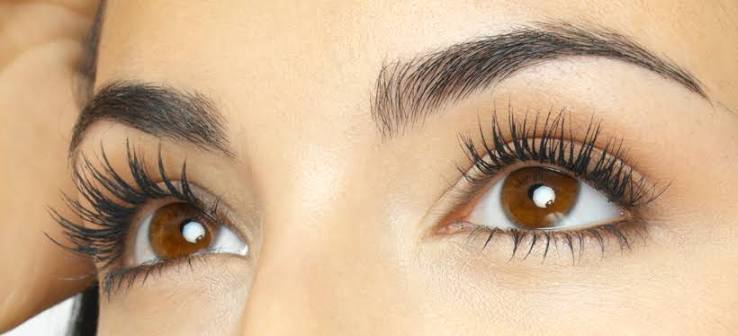
Eyelashes stand out biologically compared to hair found elsewhere on the body.
| Trait | Eyelashes | Most Other Body Hair |
|---|---|---|
| Typical lifespan | Longest relative lifespan of any body hair | Shorter growth cycles |
| Graying | Rarely, if ever, turns gray | Commonly grays with age |
| Length | Naturally limited, short | Varies widely by location |
| Sensitivity | Highly sensitive to touch | Varies by body region |
| Regrowth time | About eight weeks if lost | Varies by hair type |
Ophthalmologists note that eyelashes are unique among body hair for these reasons. Their pigment-producing cells rarely become cancerous, which is unusual compared to hair follicles elsewhere on the body.
What Eyelashes Are Made Of
Eyelashes are composed of keratin, the same structural protein found in hair, skin, and nails. Because they consist of dead cells, the hair shaft itself cannot feel sensation directly.
Sensitivity comes instead from nerve endings surrounding the follicle at the base of each lash. This is why even a light touch near the root can trigger an immediate blink.
Do Eyelashes Serve a Different Purpose When Eyes Are Closed?
Even with the eyes shut, eyelashes continue working. They form a protective curtain that helps keep the eyelid margin sealed and shielded from outside particles.
This is especially useful during sleep, when the eyes are most vulnerable to dust or debris settling on the lid surface.
The Eyelash Microbiome
Eyelashes host a distinct community of microorganisms, similar to the scalp or eyebrows but with its own unique makeup. This microbiome sits close to the tear film and the eyelid margin.
Research has identified diverse bacterial groups living among eyelash follicles. Scientists are still studying whether specific bacteria help protect the follicles themselves.
Common Eyelash Problems and Causes
| Condition | Description | Common Cause |
|---|---|---|
| Thinning lashes | Lashes become sparse or weak | Aging, thyroid issues, nutrient deficiency |
| Lash loss | Lashes fall out or fail to regrow | Alopecia, trichotillomania, chemotherapy |
| Irritated follicles | Redness or swelling near the lash line | Contact dermatitis, allergic reaction |
| Ingrown lashes | Lash grows inward instead of outward | Trauma, chronic rubbing, eyelid conditions |
How Long Does It Take for Eyelashes to Grow Back?
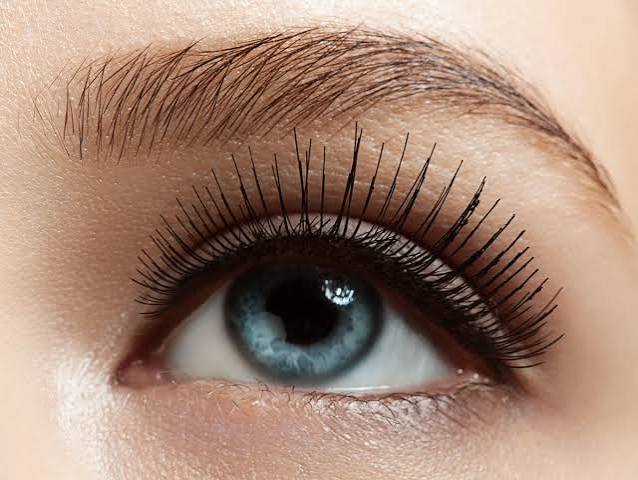
If an eyelash is pulled or removed forcefully, it typically takes around eight weeks to grow back naturally. Repeated pulling or rubbing can damage the follicle and interfere with future growth.
Gentle handling of the eye area helps protect the lash follicles from unnecessary trauma over time.
Caring for Healthy Eyelashes
A few simple habits support long-term lash health and function.
- Avoid rubbing your eyes aggressively, which can stress the follicles.
- Remove eye makeup gently before bed rather than scrubbing it off.
- Keep the eyelid margin clean to reduce irritation and buildup.
- Avoid sharing mascara or eyeliner products to reduce infection risk.
- Address any redness, swelling, or unusual lash loss with an eye doctor.
Mistakes to Avoid
Avoid these common habits that can compromise eyelash health and function.
- Do not pull or pluck eyelashes, since this can damage the follicle long term.
- Do not ignore sudden or unexplained lash loss, which can signal an underlying condition.
- Do not use expired mascara, which increases the risk of eye infection.
- Do not sleep in heavy eye makeup, which can clog follicles and irritate the lash line.
- Do not assume all lash thinning is cosmetic, since some causes are medical.
Expert Tip
Ophthalmologists point out that eyelashes are unique among all body hair, since healthy lashes rarely go gray and their follicles are unusually resistant to malignancy. This makes them one of the most specialized, protective structures on the human body.
Eyelashes Across Different Animals
Humans are far from the only species with protective lashes, though the design varies widely across the animal kingdom. Comparing these differences highlights just how specialized human eyelashes really are.
Mammals With Prominent Lashes
Many large mammals, including horses, giraffes, and camels, have long, prominent eyelashes. These animals often live in dusty or windy environments, where extra protection against debris is especially valuable.
Why Lash Length Varies by Species
Eyelash length across species tends to correlate with eye size and environment rather than random variation. Researchers studying animal eyelashes have found that lash length typically falls within a consistent ratio relative to eye width, which appears optimized for blocking airflow without obstructing vision.
What This Means for Human Eyelashes
Human eyelashes generally follow a similar pattern, with length proportioned to maximize airflow protection. This suggests eyelash length is not arbitrary but shaped by the same protective function studied in other species.
The Growth Cycle of an Eyelash
Like other body hair, eyelashes go through a defined growth cycle rather than growing continuously. Understanding this cycle explains both natural shedding and how long regrowth takes after damage or loss.
Growth Phase
During this phase, the lash actively grows from the follicle. This stage typically lasts a matter of weeks before the lash reaches its natural maximum length.
Transition Phase
The follicle then shifts into a shorter resting transition, where growth slows and eventually stops. This phase prepares the lash for natural shedding.
Resting and Shedding Phase
Eventually, the lash detaches and falls out naturally, making way for a new lash to begin the cycle again. Natural shedding of a few lashes per day is completely normal and not a sign of a problem.
How Eyelashes Compare to Eyebrows
Eyelashes and eyebrows work together as a coordinated protective system, but they serve slightly different roles.
| Feature | Eyelashes | Eyebrows |
|---|---|---|
| Primary role | Barrier and sensor at the eye’s edge | Diverting sweat and moisture from above |
| Position | Edge of the eyelid | Above the eye socket |
| Reflex trigger | Yes, touch-sensitive blink response | No direct reflex trigger |
| Sun protection | Minor light filtering | More significant shading function |
| Moisture control | Reduces tear evaporation | Diverts external moisture away |
Together, these two structures form a layered defense system, with eyebrows handling moisture from above and eyelashes managing airflow and debris directly at the eye’s surface.
Why Losing Eyelashes Matters More Than It Seems
Eyelash loss is often treated as a cosmetic concern, but the protective consequences are real. Without lashes, the eyes lose a significant portion of their natural airflow filtering.
This can lead to faster tear evaporation, increased dryness, and a higher chance of dust or debris reaching the eye’s surface. People who lose lashes due to medical treatment or conditions often report needing artificial tears or extra eye protection as a result.
Eyelash Extensions and Cosmetic Treatments
Eyelash extensions and lengthening serums have become increasingly popular, but they can interact with the natural protective function of lashes in different ways.
Eyelash Extensions
Extensions add length and volume by attaching synthetic fibers to natural lashes. While generally safe when applied properly, poor application or adhesive sensitivity can irritate the follicle and interfere with the natural growth cycle.
Lash Growth Serums
Some serums are designed to extend the growth phase of the natural lash cycle, resulting in longer, fuller lashes over time. These products should be used as directed, since some formulations can cause irritation or unwanted changes to the surrounding skin.
What to Watch For
Redness, swelling, or unusual shedding after starting any cosmetic lash treatment is worth monitoring closely. Stopping the product and consulting an eye care professional is the safest approach if symptoms persist.
How Eyelashes Fit Into Overall Eye Health
Eyelashes work alongside several other structures to keep the eyes functioning properly. The eyelid, tear film, and meibomian glands all contribute to the same protective system.
Meibomian glands, located along the eyelid margin near the base of the lashes, release oils that help stabilize the tear film. This close proximity means lash health and eyelid gland health are often connected.
Poor eyelid hygiene or chronic irritation near the lash line can affect both lash growth and tear quality at the same time. This is one reason eye doctors often examine the lash line closely during a routine eye exam.
Frequently Asked Questions (FAQs)
Why do we have eyelashes?
Eyelashes protect the eyes from dust, debris, and moisture while triggering a reflexive blink when something gets close. They also help slow tear evaporation to keep eyes lubricated.
Do eyelashes actually reduce tear evaporation?
Yes, a 2015 study found that eyelashes act as air filters, reducing airflow over the eye. This can reduce tear evaporation by up to 50 percent.
Why don’t eyelashes turn gray like other hair?
Eyelashes are unique among body hair because their pigment-producing cells rarely stop functioning with age. Researchers note this is one of several traits that make lashes biologically distinct.
How long do eyelashes take to grow back if pulled out?
It typically takes about eight weeks for a lash to regrow after being pulled or removed. Repeated pulling can damage the follicle and slow future growth.
Can eyelashes feel touch directly?
No, eyelashes themselves are made of keratin and cannot feel sensation. Sensitivity comes from nerve endings around the follicle at the base of each lash.
What causes eyelashes to thin or fall out?
Common causes include aging, thyroid conditions, nutrient deficiencies, and conditions like alopecia. Chemotherapy and compulsive pulling can also affect lash growth.
Do eyelashes serve a sensory function?
Yes, they act like whiskers, sensing when objects come close to the eye. This triggers an automatic protective blink before conscious thought occurs.
Are eyelashes still useful when your eyes are closed?
Yes, they help form a protective barrier over the sealed eyelid, especially during sleep. This helps keep dust and debris off the delicate eyelid surface.
Why do eyelashes have a curved shape?
The curve helps channel sweat, rain, and other moisture away from the eye rather than allowing it to drip directly in. This keeps vision clearer in wet or sweaty conditions.
When should I see a doctor about eyelash loss?
See an eye doctor if lash loss is sudden, unexplained, or paired with redness or swelling. These signs can point to an underlying medical condition rather than normal shedding.
Conclusion
Eyelashes may seem like a small cosmetic detail, but they are a highly specialized protective system working constantly to defend your eyes. From blocking debris to slowing tear evaporation, every function serves a clear biological purpose.
Understanding how eyelashes work also explains why gentle care matters more than many people realize. Pulling, rubbing, or neglecting the lash line can interfere with a system your eyes rely on every day.
If you ever notice unexplained lash loss or irritation, it is worth mentioning to an eye doctor rather than assuming it is purely cosmetic.