Why Do We Have Ear Wax? The Surprising Reason 2026
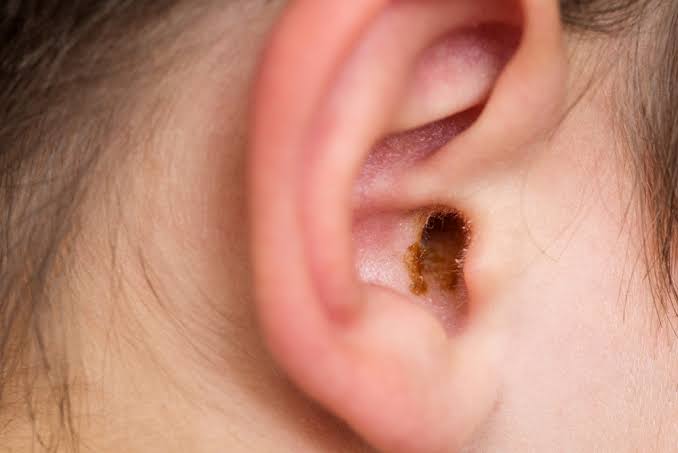
Why do we have ear wax in the first place? It might seem like an annoying substance, but earwax is actually one of the body’s smartest built-in defense systems. Without it, your ears would be far more vulnerable to infection, dryness, and damage.
Earwax, known medically as cerumen, is produced by glands lining the outer part of the ear canal. It combines with dead skin cells and hair to form a protective coating that most people barely think about.
Many people reach for cotton swabs the moment they notice wax, assuming it needs to be scrubbed away. Understanding how the ear actually works can save you from a habit that does more harm than good, and help you spot the rare cases when a doctor’s help really is needed.
Why Do We Have Ear Wax?
Ear wax exists to protect, clean, and lubricate the ear canal. It traps dust, dirt, and bacteria before they can reach the eardrum, while also keeping the delicate skin inside the ear from drying out.
The ear canal naturally moves old wax toward the outer ear through jaw movement, carrying trapped debris along with it. This self-cleaning process means most people never need to manually remove earwax at all.
Key Takeaways
- Earwax protects the eardrum from dust, debris, bacteria, and insects.
- It also lubricates the ear canal, preventing dryness and itching.
- Jaw movement from talking and chewing naturally pushes old wax outward.
- Cotton swabs usually push wax deeper rather than removing it.
- Earwax type and amount are genetically determined, similar to hair color.
What Is Ear Wax Made Of?
Earwax is not actually wax in the traditional sense. It is a mixture of secretions, shed skin cells, and hair from inside the ear canal.
Sebaceous Gland Secretions
Sebaceous glands attach to tiny hair follicles inside the ear canal. They release an oily substance called sebum that keeps the skin lubricated and prevents it from drying out.
Ceruminous Gland Secretions
Ceruminous glands are modified sweat glands found in the outer ear canal. They secrete antimicrobial proteins that help defend the ear against bacteria and other germs.
Dead Skin Cells and Hair
As the skin inside the ear canal naturally sheds, those cells mix with the oily secretions above. Fine hairs lining the canal get caught in this mixture too, adding to the wax’s texture.
The Three Main Functions of Ear Wax
Ear wax does more work than most people realize. It performs three core jobs at once.
Protection
Earwax acts as a physical barrier against dust, dirt, insects, and other foreign particles trying to reach the eardrum. It works much like eyelashes and nose hairs, catching debris before it can cause harm.
Lubrication
The oily components in earwax keep the ear canal’s skin moisturized. Without this lubrication, ears can become dry, flaky, and uncomfortably itchy.
Antibacterial Defense
Ceruminous glands release antimicrobial proteins that help prevent infections from taking hold. This built-in defense reduces the chances of bacteria and fungi growing inside the ear canal.
How the Ear Cleans Itself
The ear canal has a remarkable self-cleaning mechanism that most people never have to think about. It works like a slow-moving conveyor belt.
Tiny hairs inside the canal are angled to move in one direction only, outward toward the ear opening. Every time you talk, chew, or move your jaw, this motion nudges old wax gradually toward the exit.
Once the wax reaches the outer ear, it naturally dries up and falls away, taking trapped dirt and debris with it. This is why most healthy ears never need any manual cleaning at all.
Types of Ear Wax
Earwax type is determined by genetics, similar to eye color or height. There are two main types found across the population.
| Type | Texture | Color | Most Common In |
|---|---|---|---|
| Wet earwax | Soft and sticky | Yellow to brown | People of European and African descent |
| Dry earwax | Flaky and crumbly | Gray to tan | People of East Asian descent |
Both types are completely normal and serve the exact same protective function. Neither type indicates better or worse ear health than the other.
What Affects How Much Ear Wax You Produce
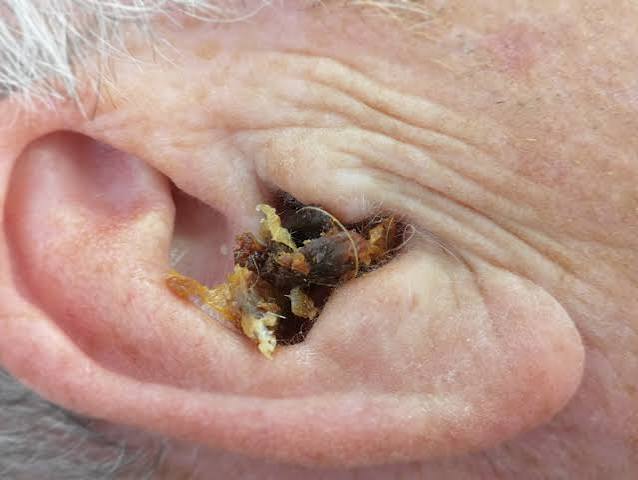
Several factors influence how much earwax your body makes and how it behaves inside the canal.
Genetics
The gene responsible for earwax type also influences how much wax your glands produce overall. This is inherited the same way other physical traits are passed down.
Age
Earwax tends to become drier and harder as people get older. This makes older adults more prone to buildup and impaction over time.
Ear Canal Shape
Narrow or unusually shaped ear canals can make it harder for wax to migrate outward naturally. This increases the likelihood of wax accumulating rather than falling out on its own.
Device Use
Frequent use of earbuds, headphones, or hearing aids can stimulate the glands and interfere with the natural outward flow of wax. These devices can also physically block wax from exiting the canal.
Normal Ear Wax vs Impacted Ear Wax
Most earwax causes no problems at all, but buildup can occasionally turn into a blockage called impaction.
| Sign | Normal Ear Wax | Impacted Ear Wax |
|---|---|---|
| Hearing | Unaffected | Muffled or reduced |
| Discomfort | None | Fullness, pain, or itching |
| Ringing | Absent | Tinnitus may occur |
| Dizziness | Absent | Vertigo possible |
| Visible wax | Small amounts, self-clearing | Hardened, visible blockage |
| Action needed | None | Medical evaluation |
Signs of Ear Wax Buildup
Watch for these symptoms if you suspect your earwax has built up beyond what your ears can clear naturally.
- Muffled or reduced hearing in one or both ears
- A feeling of fullness or pressure inside the ear
- Ringing or buzzing, known as tinnitus
- Itching or mild discomfort in the ear canal
- Dizziness or a spinning sensation
- Earache that does not go away
If several of these symptoms appear together, it is time to get your ears checked rather than trying to fix it yourself.
Why You Should Avoid Cotton Swabs
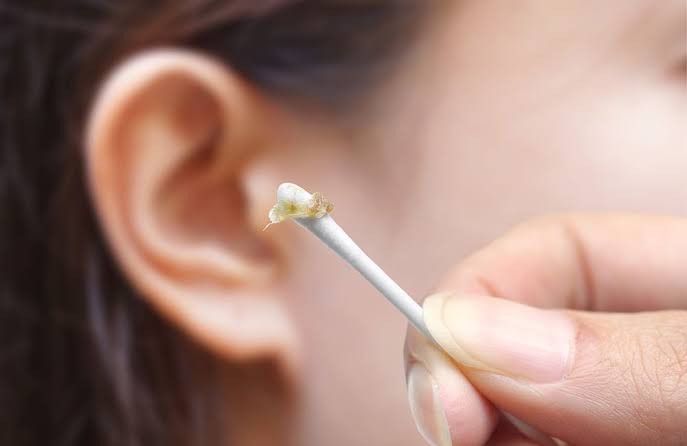
Cotton swabs feel like the obvious tool for cleaning ears, but they usually make things worse rather than better.
They Push Wax Deeper
Swabs can remove the small amount of wax near the opening, but they typically shove the rest further down the canal. Over time, this compacts wax against the eardrum instead of clearing it out.
They Can Damage the Eardrum
Inserting any object into the ear canal risks scratching the skin or puncturing the eardrum. Otolaryngologists commonly advise never putting anything smaller than your elbow inside your ear.
They Can Stimulate More Wax Production
Repeated swab use can irritate the glands lining the ear canal, prompting them to produce even more wax. This creates a cycle where cleaning actually increases the very problem you were trying to fix.
Safe Ways to Manage Ear Wax at Home
For most people, no active cleaning is needed. When buildup does occur, a few gentle methods can help.
Step 1: Clean Only the Outer Ear
Use a soft washcloth to wipe the outer ear after bathing. Never insert anything into the canal itself.
Step 2: Use Wax-Softening Drops if Needed
Over-the-counter drops, often containing hydrogen peroxide or mineral oil, can help soften hardened wax. Warm the solution to body temperature first, since cold liquid can trigger dizziness.
Step 3: Try a Gentle Warm Water Rinse
After using softening drops, a gentle warm water rinse can help clear loosened wax. Avoid this method if you have ear tubes or a perforated eardrum.
Step 4: Let the Wax Exit Naturally
In most cases, simply allowing time for jaw movement to do its job is enough. Forcing wax out too aggressively can cause more harm than the buildup itself.
When to See a Doctor
Some situations call for professional care rather than home remedies.
- Hearing loss that does not improve after a few days
- Persistent ear pain or discomfort
- Dizziness or balance problems
- Drainage or an unusual odor from the ear
- No improvement after trying gentle home methods
A doctor can safely examine the ear canal with an otoscope and remove impacted wax using proper tools. Methods may include a curette, gentle suction, or professional irrigation.
Mistakes to Avoid
Steer clear of these common missteps when it comes to ear wax.
- Do not use cotton swabs inside the ear canal.
- Do not try ear candling, which offers no proven benefit and risks burns.
- Do not use bobby pins, keys, or other sharp objects to scratch an itch.
- Do not over-clean healthy ears that show no symptoms.
- Do not ignore hearing changes or persistent discomfort.
Expert Tip
Ear, nose, and throat specialists generally agree that healthy ears do not need regular cleaning. The ear canal’s natural conveyor-belt motion handles the job on its own in the vast majority of people.
If buildup becomes a recurring issue, ask your doctor about a simple maintenance routine rather than relying on cotton swabs.
Why Earwax Is a Sign of a Healthy Ear
It is easy to think of earwax as something dirty, but its presence actually signals a functioning defense system. An ear that produces little or no wax can be more vulnerable to dryness, itching, and infection.
Doctors sometimes see the opposite problem in people who over-clean their ears. Removing too much wax strips away the protective coating the canal relies on, leaving skin exposed and irritated.
A healthy amount of earwax, even if it looks unpleasant on a cotton swab, generally means the ear canal is doing exactly what it evolved to do.
How Ear Wax Compares Across Age Groups
Earwax production and consistency shift throughout a person’s life. Understanding these changes helps explain why buildup becomes more common with age.
Infants and Children
Younger ears tend to produce wax more rapidly than older ones. Pediatricians generally recommend leaving healthy wax alone unless a doctor identifies a blockage.
Adults
Most healthy adults maintain a steady balance between wax production and natural removal. Device use, such as frequent headphone wear, is the most common disruptor at this stage.
Older Adults
With age, earwax often becomes drier, harder, and slower to migrate out of the canal. This is one reason impacted earwax is significantly more common among seniors.
The Role of Jaw Movement in Ear Wax Removal
Chewing and talking are not just useful for eating and communicating. They also power the ear’s natural cleaning system.
Every movement of the jaw joint shifts the skin lining the ear canal slightly. This subtle motion is what physically carries wax, along with any trapped debris, toward the outer opening.
People who eat a variety of textures and speak regularly throughout the day may notice this self-clearing process works especially well. It is one more reason forcing wax out manually is rarely necessary.
Common Myths About Ear Wax
A surprising number of misconceptions surround this simple substance. Clearing them up helps prevent unnecessary ear damage.
Myth: Ears Need Daily Cleaning
Healthy ears clean themselves continuously through natural jaw movement. Daily cleaning with swabs or other tools does far more harm than good.
Myth: All Earwax Looks the Same
Earwax color and texture vary widely based on genetics, age, and even diet. Variation alone is not a reliable sign of a problem.
Myth: Ear Candling Removes Wax Safely
Studies and clinical reviews have found no evidence that ear candling pulls wax out of the canal. It primarily creates a risk of burns and wax deposits from the candle itself.
Myth: More Earwax Means Poor Hygiene
Earwax amount is determined by genetics and glandular activity, not cleanliness. Someone with more earwax is not less hygienic than someone with less.
Ear Wax and Hearing Aid Users
People who wear hearing aids face a higher risk of wax-related complications than the general population. The device itself can interfere with the ear’s natural wax migration.
Hearing aids can block the canal opening, trapping wax that would normally exit on its own. Over time, this buildup can also damage the device’s speaker or microphone components.
Regular check-ups with an audiologist can help catch buildup early before it affects hearing or damages equipment. Many hearing aid users benefit from a scheduled cleaning routine recommended by their provider.
Ear Wax and Overall Ear Anatomy
Understanding where earwax comes from helps explain why it matters so much for hearing health. The ear canal is only about an inch long in adults, connecting the outer ear to the eardrum.
Glands lining the outer third of this canal are responsible for nearly all earwax production. The inner two-thirds of the canal stays largely wax-free, which is exactly why pushing wax deeper causes problems.
This anatomy also explains why professional removal tools are designed to reach only the outer portion. Anything that travels further risks contact with the eardrum itself.
Diet, Environment, and Ear Wax Production
While genetics plays the biggest role in how much earwax a person makes, external factors can influence it too. Dusty or dirty environments may prompt the ear to produce slightly more wax as a protective response.
Swimmers and people who spend significant time in water may also notice changes in wax consistency. Moisture can soften wax, sometimes making it easier to trap debris but also more prone to shifting deeper with certain cleaning habits.
None of these factors require special intervention on their own. They simply explain why wax production can vary slightly from season to season or environment to environment.
Frequently Asked Questions (FAQs)
Why do we have ear wax?
Ear wax protects, cleans, and lubricates the ear canal. It traps dust, bacteria, and debris before they can reach the sensitive eardrum.
Is ear wax actually a type of wax?
No, despite the name, earwax is not true wax. It is a mix of skin cell secretions, oils, and shed skin.
What color should healthy ear wax be?
Healthy earwax ranges from light yellow to dark brown or gray depending on type and age. Color alone is rarely a cause for concern.
Can I clean my ears with cotton swabs?
Cotton swabs can clean the outer ear but should never enter the canal. They typically push wax deeper and increase the risk of blockage.
Why do some people produce more ear wax than others?
Ear wax amount is largely determined by genetics, similar to hair color or height. Age and ear canal shape also play a role.
What is impacted ear wax?
Impacted earwax happens when wax builds up faster than it can naturally exit the ear canal. It can cause muffled hearing, discomfort, or ringing.
Are ear candles a safe way to remove wax?
No, ear candling is not recommended by medical professionals. It carries a real risk of burns and can push wax further into the canal.
How does the ear clean itself naturally?
Tiny hairs inside the canal move wax outward with every jaw movement from talking or chewing. Old wax dries up and falls out on its own once it reaches the ear opening.
When should I see a doctor about ear wax?
See a doctor if you notice hearing loss, persistent pain, dizziness, or symptoms that do not improve with gentle home care. A professional can safely remove impacted wax.
Do earbuds and hearing aids affect ear wax buildup?
Yes, frequent use can block the natural outward flow of wax and stimulate extra production. This makes users more prone to buildup over time.
Conclusion
Ear wax might not be pleasant to think about, but it plays an essential role in keeping your ears healthy. It protects the eardrum, keeps the canal lubricated, and helps fight off bacteria before infection can take hold.
For most people, the ear’s natural self-cleaning process is all that is ever needed. Jaw movement alone is usually enough to carry old wax safely out of the canal.
Problems tend to arise only when that natural process is interrupted, often by cotton swabs, earbuds, or hearing aids. Watching for symptoms like muffled hearing or discomfort, rather than reaching for a swab, is the safest way to protect your ears long term.
If buildup ever affects your hearing or comfort, a quick visit to your doctor is the safest path to relief.